Memories, Old and New, at a Beach in Cancun, Mexico

A couple’s first vacation to Cancun takes an unexpected turn when their friend falls ill. Despite the tragedy, the husband insists they go in his place. The trip proves to be a wonderful, bittersweet experience, filled with love, stories, and cherished memories. It’s a tribute to friendship and the enduring spirit of those they’ve lost.

updated August 2, 2024

My husband and I had traveled to Mexico on mission trips but never for a vacation. Our friends, “George and Emma”, owned a timeshare in Cancun and graciously invited us to share it with them on their annual visit. They purchased it many years ago, and celebrated their wedding anniversaries there. We appreciated their generosity and began planning the trip.

A few weeks later, Raymond received an email from George with detailed instructions on booking a flight to Cancun, how to get a reliable taxi to the condo, and other information. Since the trip was still 9 months away we were surprised, but knowing George is a planner, thought nothing else about it.

Not more than a couple of weeks later, we received chilling and scary news. George was ill; we didn’t immediately learn details, but apparently, it was something bad. And indeed it was.

We soon learned that he was diagnosed with an advanced cancer, that chemo could slow, but not cure. We were heartbroken for our friends.

We assumed the trip was impossible; obviously neither they nor we would go.  However, George the planner had other ideas.

We went to visit them and after we sat down and were comfortable George looked at Raymond and said, “I won’t be able to go to Cancun, but I want Emma to go, and I want you and Aletha to go with her.”

They showed us a photo of the condo, in a beautiful beachfront resort. It looked lush, luxurious, and inviting, a stark contrast to what they were facing.

We didn’t know what to say; what do you say to a request like that? We didn’t want to upset him, so we just said yes, both of us silently wondering if it was the right thing to do.

George was correct, he was not able to go to Cancun; he died a few weeks after our visit. We attended a memorial service for him; it was not a traditional funeral but a celebration of his life. Soon after, Emma contacted us and confirmed her intention to go on the trip and wanted us to go with her.

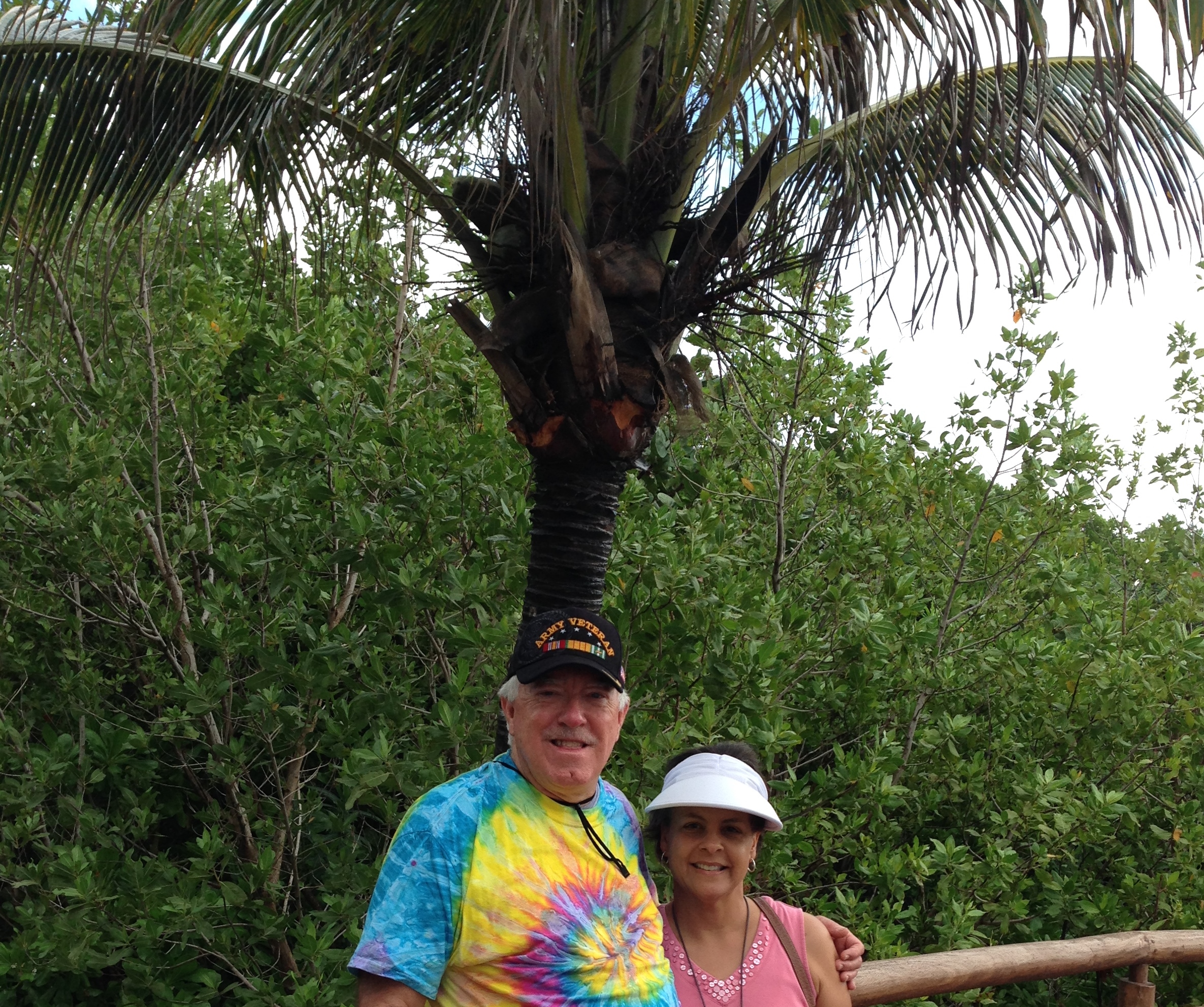
So we did and had a wonderful time. Emma was a gracious hostess, making sure we were comfortable, taking us to nice restaurants, and ordering food delivery on a rainy evening. Having been there many times, she did not want to sightsee with us but sent us out to visit the interesting local sites that she knew we would enjoy.

Cancun Mexico Sites
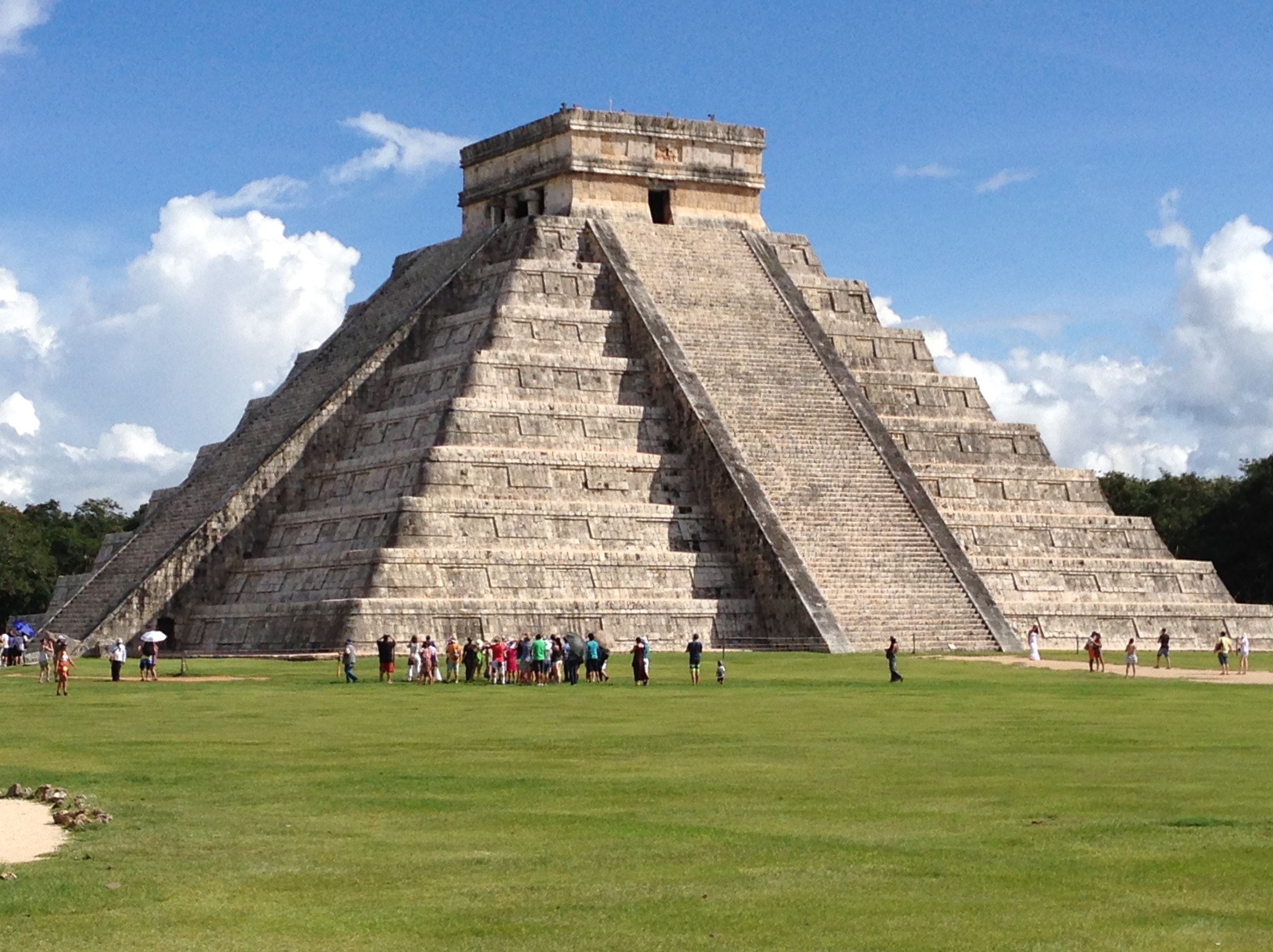
the Maya pyramid at Chichen Itza

Over meals she charmed us with stories of her life with George, their children, and grandchildren, pastoring a church, and fostering more than 30 children. And she listened with understanding and unconditional acceptance as we shared some of the dark griefs that we have walked through, which we have shared with no one outside our family.
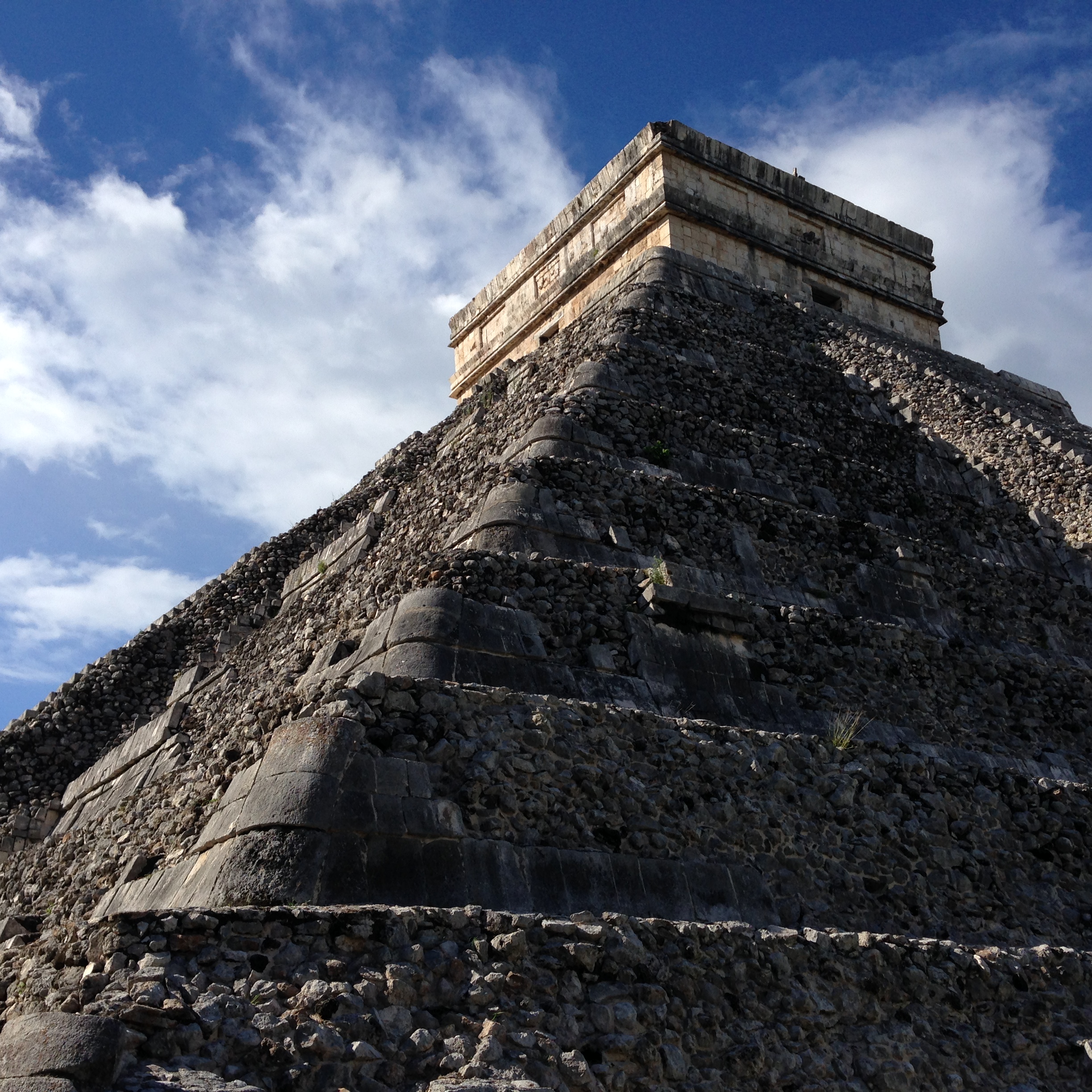
IMG_2231
the Chichen Itza pyramid up close

George and Emma are people who love God and express that love by caring for each other, their family, and everyone else they meet.  That week we were the fortunate recipients of that love. In some ways, it felt like George was there with us .
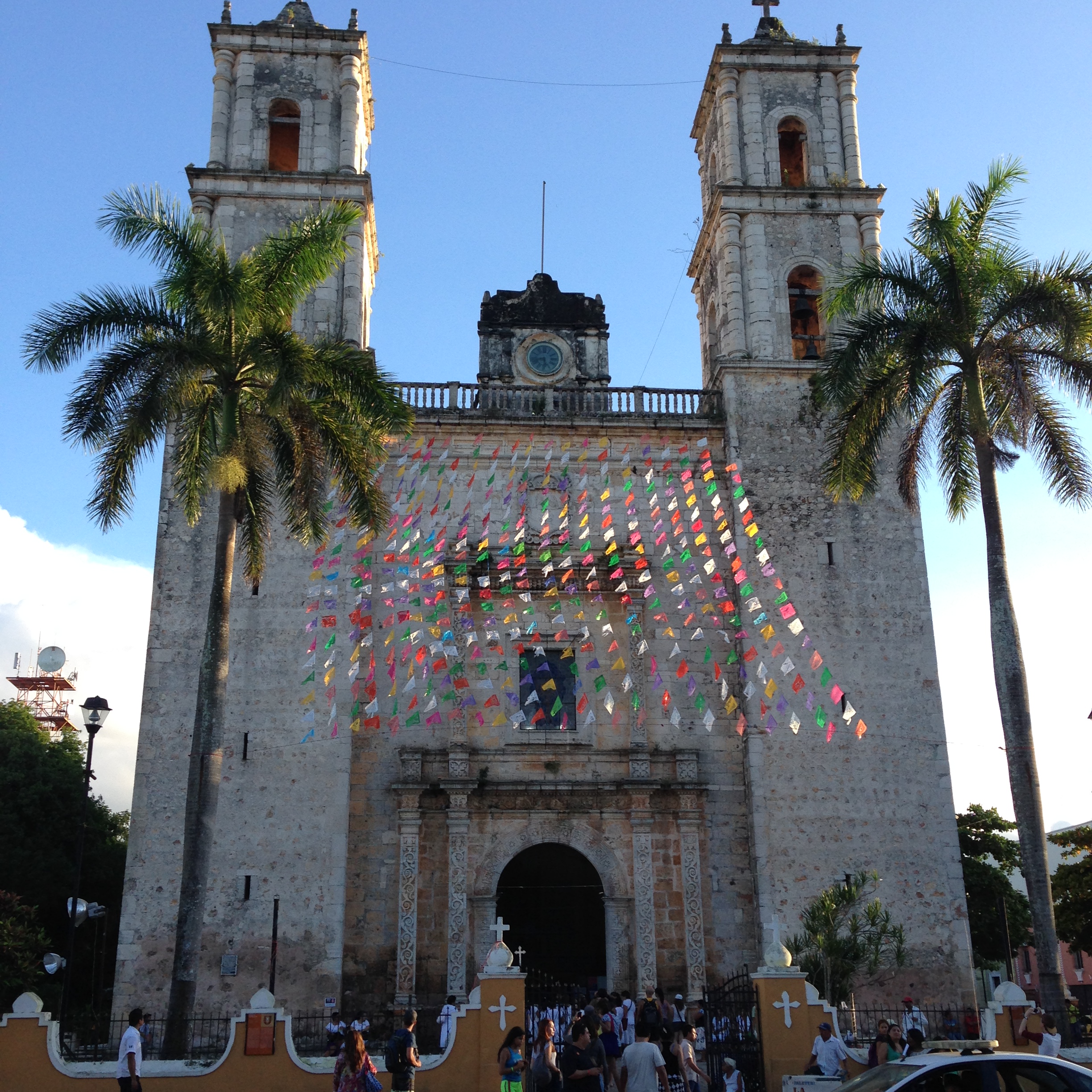
Cathedral of San Gervacio in Valladolid
IMG_2196
Taking a tour of a local “resort”, we almost thought we should buy a timeshare there. The salespeople were persistent but we resisted their pressure and left with our money intact.
IMG_2217
in a cenote, an underground lake
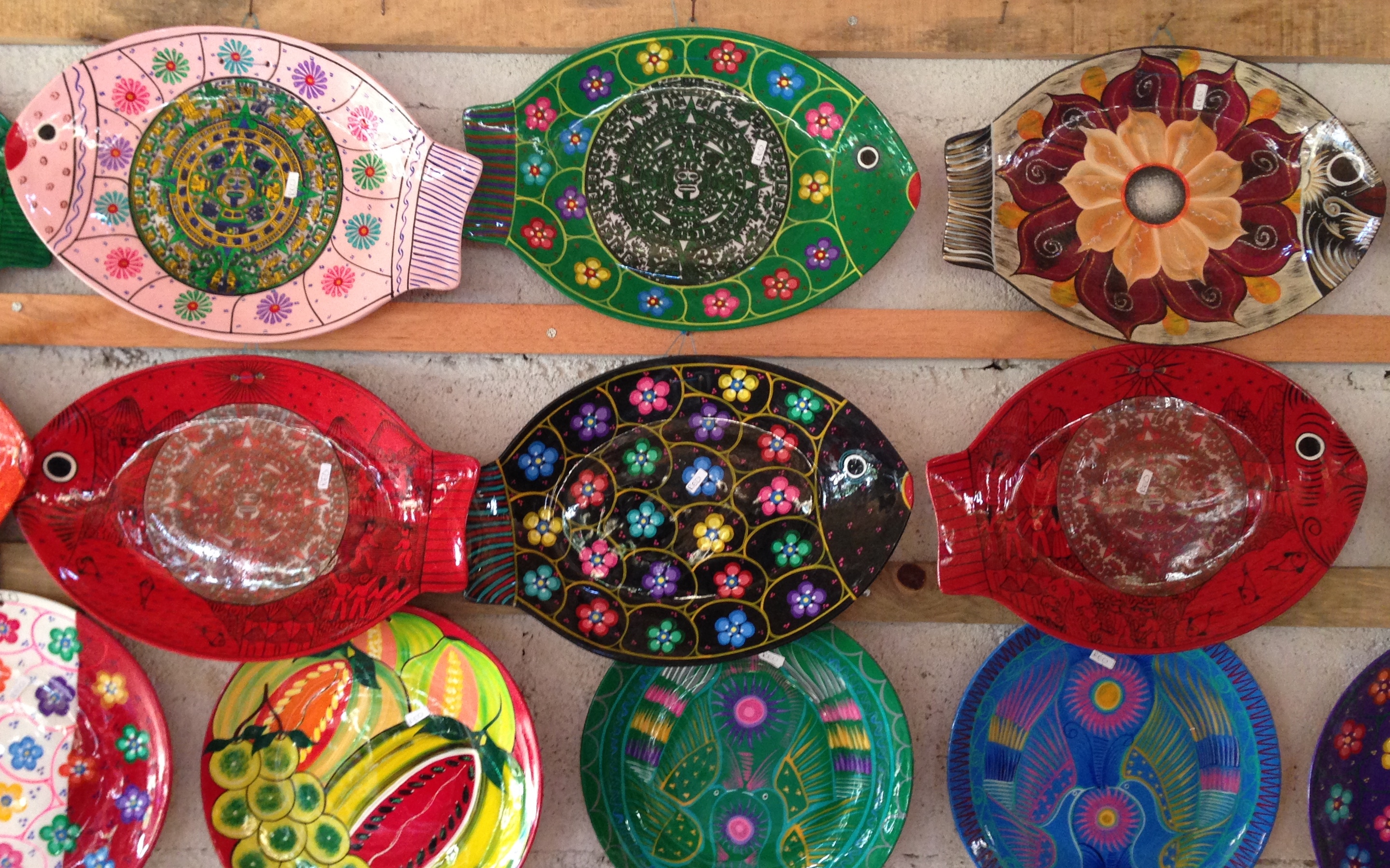
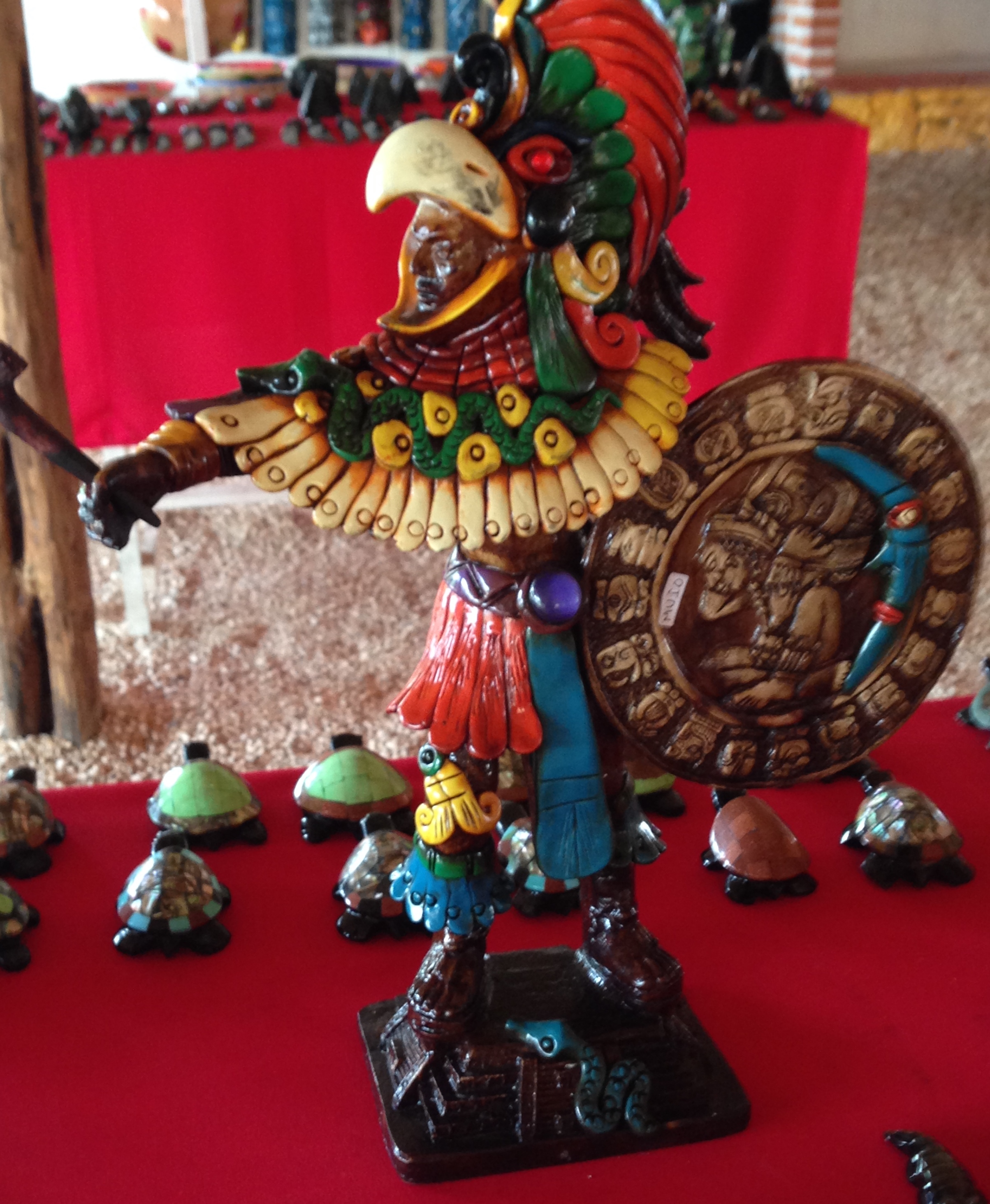
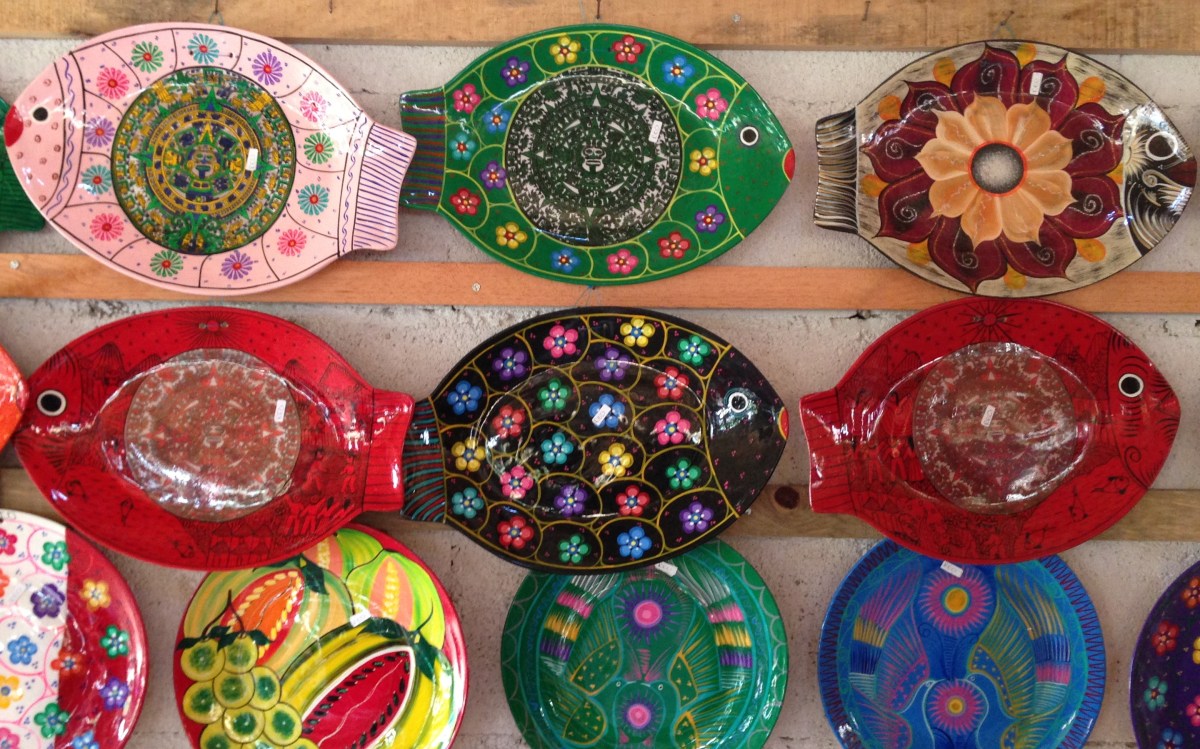
Mayan crafts
Mayan crafts
2014-10-23 11.23.13
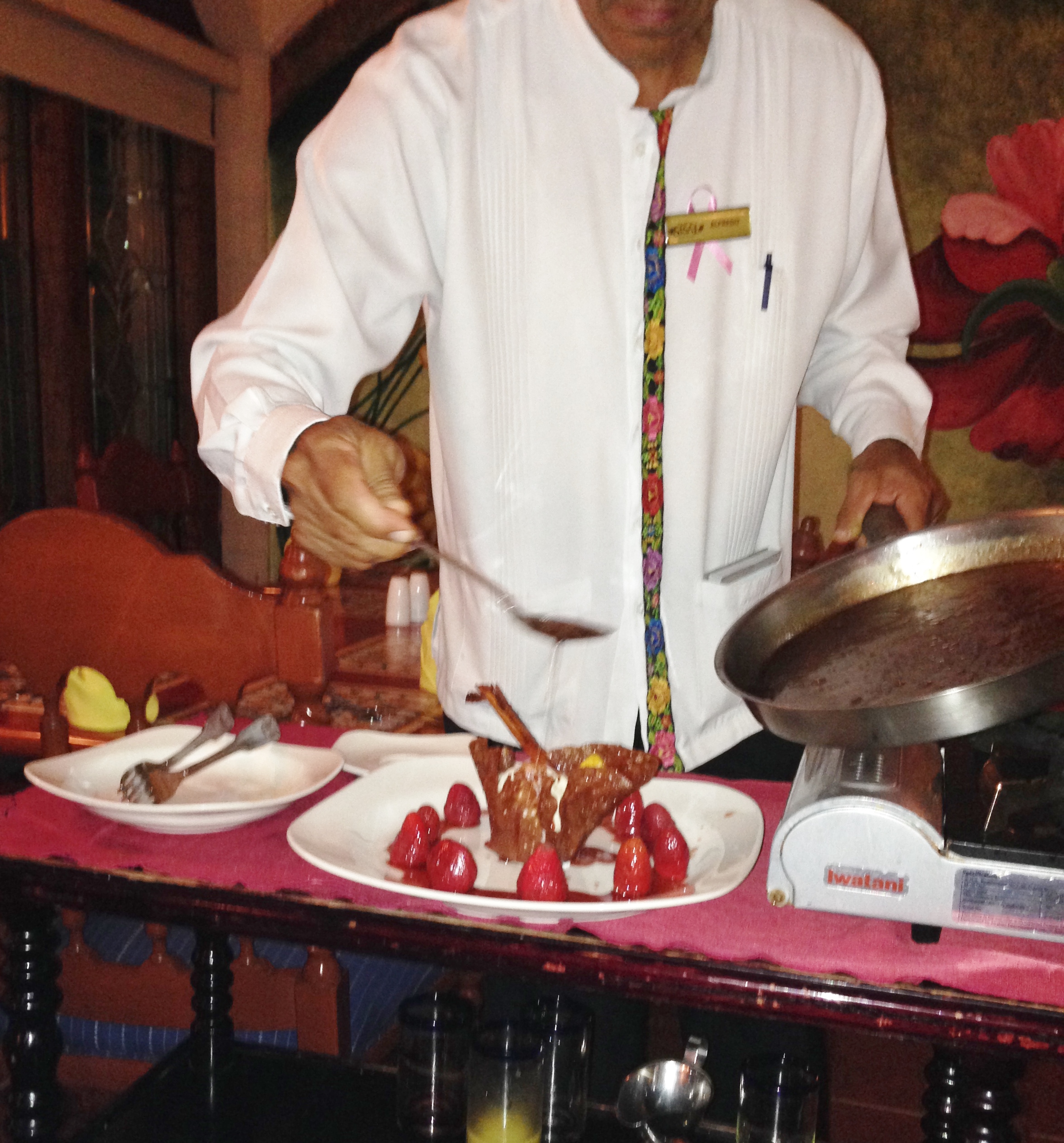
watching our waiter preparing a flaming strawberry dessert
2014-10-24 19.38.13
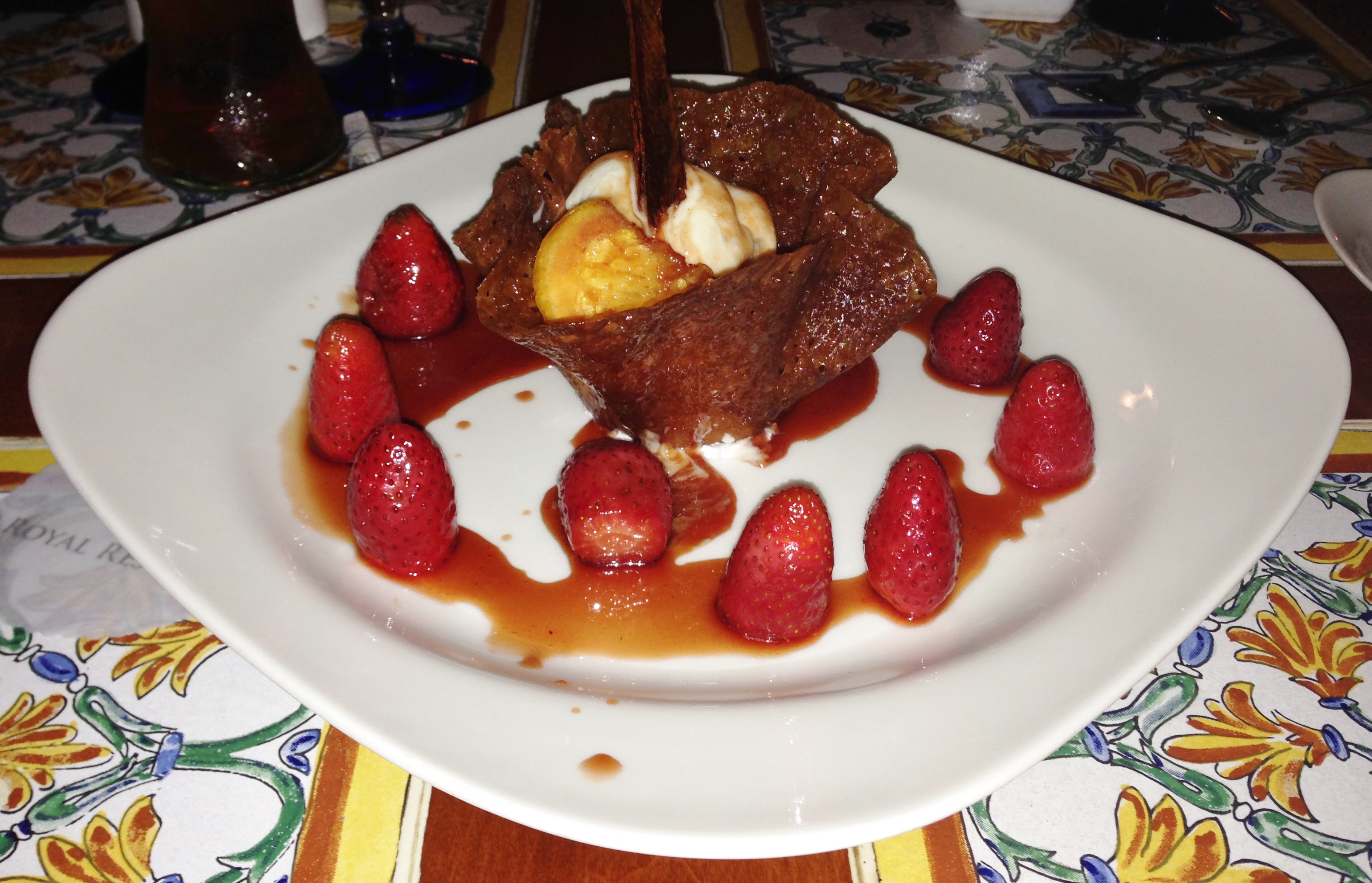
We all enjoyed this dessert on our last evening there. Perfect finish to an enjoyable and special vacation.

Making New emories

Several years later, Emma met a nice man, “Glenn, whose spouse had also died. Like Emma and her late husband, they had children and grandchildren and had pastored churches. After a time of getting to know each other, they soon realized their friendship had turned into love, Glenn proposed, and they were married.

Their wedding was a casual affair, more of a party than a formal ceremony. Everyone who attended said it was the best wedding they had ever attended.

In place of a wedding cake, they served ice cream sundaes.

Sharing the HEART of friendship

While in Mexico, I used Frommer’s travel guide for information about the Cancun area and found it helpful and easy to use (this is an affiliate link that can help support this blog when used to purchase; thank you)

I appreciate your time reading this post and invite you to follow this blog and me on social media.

I share information and inspiration to help you transform challenges into opportunities for learning and growth.

Add your name to the subscribe box to be notified of new posts by email. Click the link to read the post and browse other content. It’s that simple. No spam.

I enjoy seeing who is new to Watercress Words. When you subscribe, I will visit your blog or website. Thanks and see you next time.

Dr. Aletha

Obesity Revisited- Reframing, Not Blaming

In two recent posts (links below) I introduced the medical topic of obesity because-

It is a major concern in the medical community

it is covered extensively in the media

many people are interested in it

One reader’s comment caused me to pause, reflect, and realize I need to make a clarification right up front. His comment stated,

“I know this topic is important but it seems society has resorted to fat-shaming while idolizing anorexic-looking people. What do you think?” 

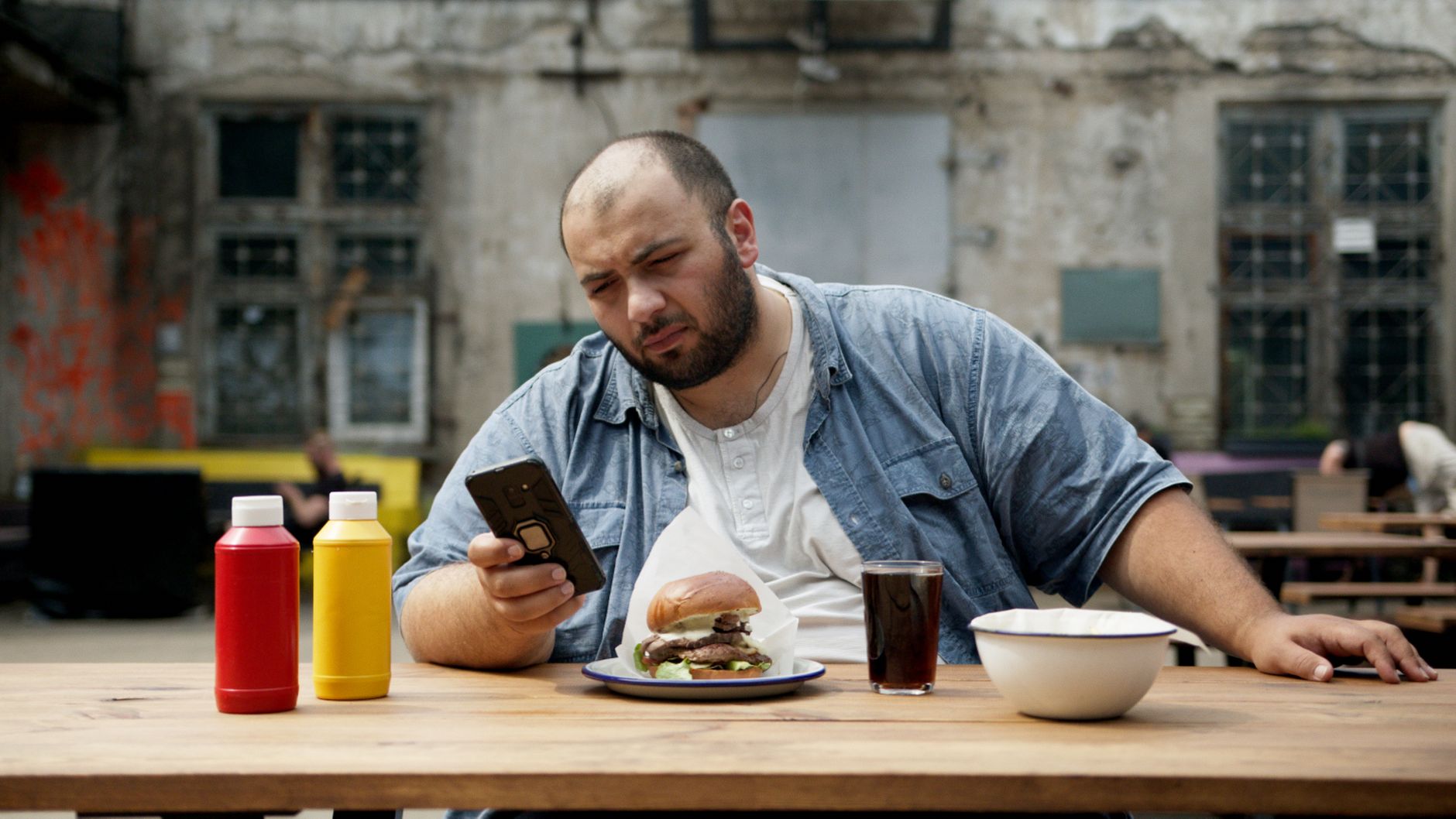
Photo by Artem Podrez on Pexels.com

Unfortunately, I do agree. People who are overweight have been the subject of jokes, sitcoms, movies. Obese children and teens may be the victims of bullying and ridicule. The fashion world tends to market chiefly to normal or even thin people, especially women’s clothes.

Even the medical community has been guilty of assuming that obesity results merely from lack of will power, motivation and valid attempts to lose weight. In an editorial in The American Journal of Medicine titled “A Candid Discussion of Obesity”, Dr. Robert Doroghazi wrote,

“Sir or Madam, it’s not OK to be obese. Obesity is bad. You are overweight because you eat too much. You also need to exercise more. Your obesity cannot be blamed on ..anything else. You weight too much because you eat too much. Your health and your weight are your responsibility.”   ( 2014.09.24)

The rest of Dr. Doroghazi’s editorial was equally blunt, and he does make some valid points. These include

  • Little progress has been made in the fight against obesity.
  • The work of obesity advocacy groups has helped to destigmatize obesity.
  • The various “causations” of obesity keep shifting focus- fast food, soda, television, computers, government, society in general.
  • We need new ideas and directions about solving this problem.

One conclusion he mentions more than once is probably most important- a person’s health and weight ( but not limited to their weight I would add) is one’s personal responsibility. But that  should be true for any medical condition- whether one seeks out the care of a healthcare professional or not, ultimately it is each of our responsibility to get what we need to treat illness and stay healthy.

Telling someone they need to eat less is a start. But the next step is to explore the reasons why that person eats more than they need; not to assign blame, but to reverse the factors that perpetuate the unhealthy behavior. The same goes for exercise; identify what are the barriers to exercise, or what can create an environment more conducive to physical activity.

At a recent national forum on obesity, family physicians advocated for better ways of addressing obesity with patients, and recommended avoiding blaming.

“We don’t do it with other conditions,” Kahan said. “We don’t call people with cancer ‘cancerous’ or call people with depression ‘depressives.’ We should refer to ‘a patient with obesity’ rather than saying ‘he is obese.'”

Patients who struggle with their weight should be treated as someone in need of medical attention, not someone who made bad choices, observed another panelist.

“Obesity is not a sign of weakness or a lack of willpower,” said Don Bradley, M.D., M.H.S.-C.L., from the Duke University Department of Community and Family Medicine. “It is a condition.”


Here are the previous posts in case you missed them.

What is obesity and why it matters

Waist size matters

Exploring the HEART of Health

I appreciate your time reading this post and invite you to follow this blog and me on social media.

I share information and inspiration to help you transform challenges into opportunities for learning and growth.

Add your name to the subscribe box to be notified of new posts by email. Click the link to read the post and browse other content. It’s that simple. No spam.

I enjoy seeing who is new to Watercress Words. When you subscribe, I will visit your blog or website. Thanks and see you next time.

Dr. Aletha