
If you or someone you know is struggling or having thoughts of suicide, call or text the 988 Suicide and Crisis Lifeline at 988 or chat at 988lifeline.org . In life-threatening situations, call 911.
This information is current as of the date of original publication or update but may have changed by the time you read this. Do not use this information for diagnosis or treatment purposes. Before making health decisions, discuss with a qualified healthcare professional.
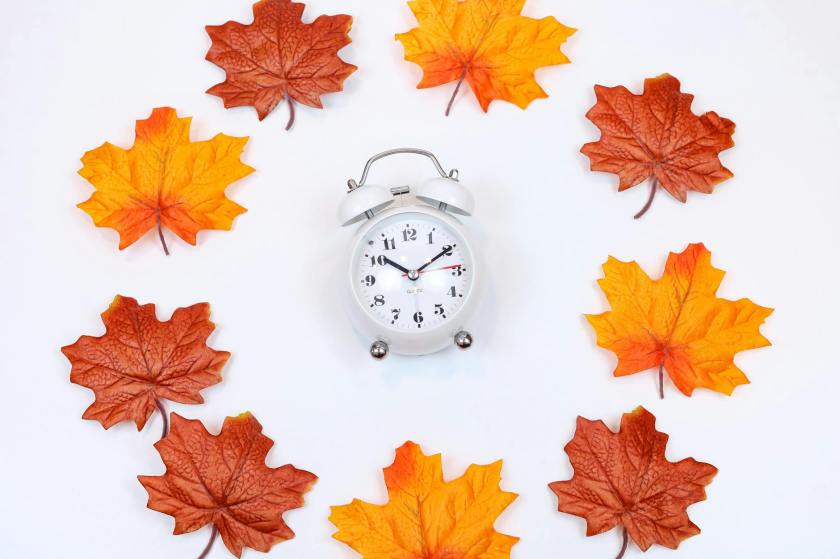
Many of us turned our clocks back one hour this month (if they didn’t change automatically) as Daylight Saving Time ended. Daylight hours are fewer now and will be until the first day of winter, December 21, when they will get progressively longer until next spring.
Many people feel “down” or have the “winter blues” when the days get shorter in the fall and winter and feel better in the spring when longer daylight hours return. (That pattern will be reversed if you live in the southern hemisphere.)
Sometimes, these mood changes can affect how a person feels, thinks, and behaves. If you notice significant changes in your mood and behavior when the seasons change, you may be experiencing seasonal affective disorder (SAD).
Characteristics of SAD
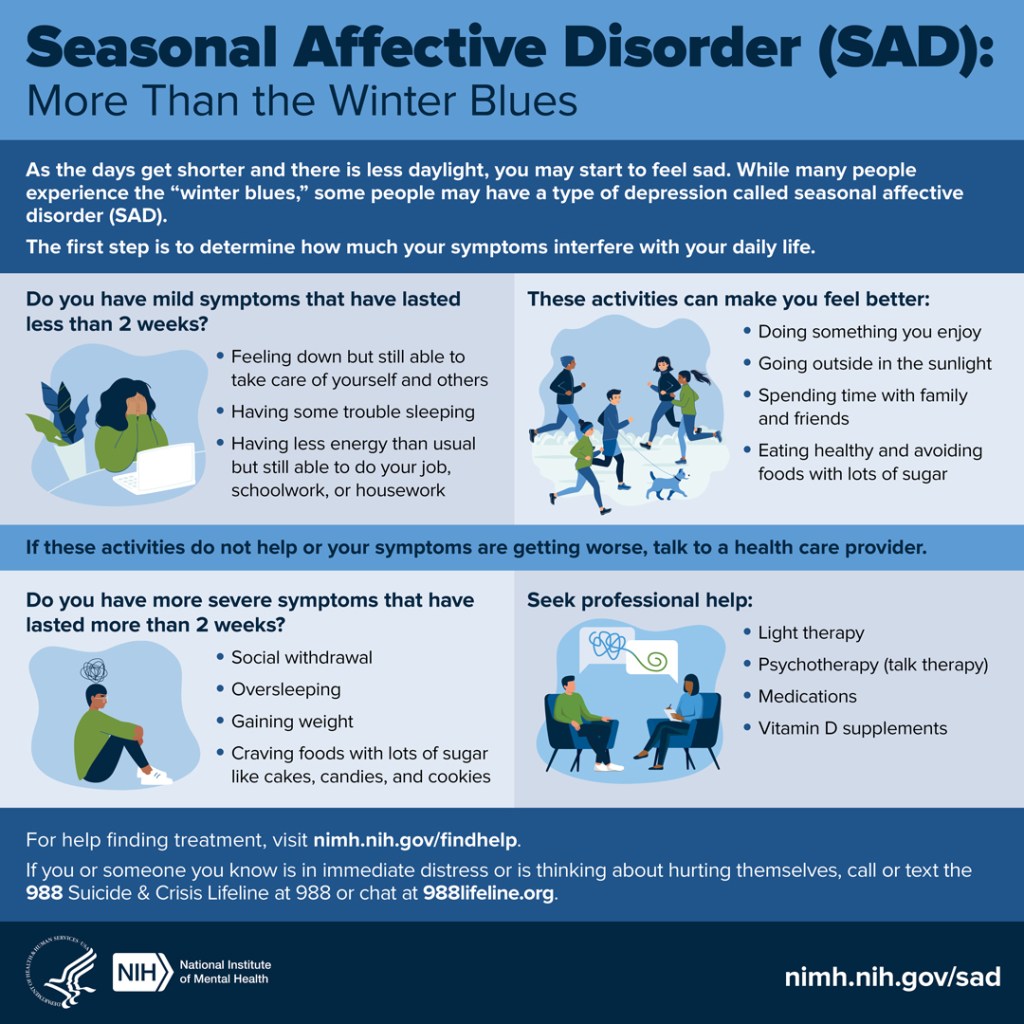
SAD is a type of depression having a recurrent seasonal pattern, lasting about 4−5 months out of the year. The signs and symptoms of SAD include those associated with depression as well as other symptoms that differ for winter-pattern versus summer-pattern SAD.
Not every person with SAD experiences all the symptoms listed below. Learn about signs and symptoms of depression.
Symptoms of depression can include:
- Persistent sad, anxious, or “empty” mood most of the day, nearly every day, for at least 2 weeks
- Feelings of hopelessness or pessimism
- Feelings of irritability, frustration, or restlessness
- Feelings of guilt, worthlessness, or helplessness
- Loss of interest or pleasure in hobbies and activities
- Decreased energy, fatigue, or feeling slowed down
- Difficulty concentrating, remembering, or making decisions
- Changes in sleep or appetite or unplanned weight changes
- Physical aches or pains, headaches, cramps, or digestive problems that do not have a clear physical cause and do not go away with treatment
- Thoughts of death or suicide or suicide attempts
For winter-pattern SAD, additional symptoms can include:
- Oversleeping (hypersomnia)
- Overeating, particularly with a craving for carbohydrates, which can cause weight gain
- Social withdrawal ( “hibernating”)
For summer-pattern SAD, additional symptoms can include:
- Trouble sleeping (insomnia)
- Poor appetite, leading to weight loss
- Restlessness and agitation
- Anxiety
- Violent or aggressive behavior
The depression associated with SAD is related to changes in daylight hours, not the calendar, so stresses associated with the holidays or predictable seasonal changes in work or school schedules, family visits, and so forth are not the same as SAD.
Learn about ways to get help and find a healthcare provider or access treatment.
The Substance Abuse and Mental Health Services Administration has an online treatment locator to help you find mental health services in your area.
Diagnosis of SAD
If you or someone you know is showing symptoms of SAD, talk to a healthcare provider or a mental health specialist about your concerns. They may have you fill out a questionnaire to determine if your symptoms meet the criteria for SAD.
To be diagnosed with SAD, a person must meet the following criteria:
- They have the symptoms of depression or the more specific symptoms of winter- or summer-pattern SAD listed above.
- Their depressive episodes occur during specific seasons (winter or summer) for at least 2 consecutive years. However, not all people with SAD experience symptoms every year.
- Their depressive episodes during the specific season are more frequent than depressive episodes experienced at other times of the year.
Who develops SAD?
It is estimated that millions of Americans experience SAD, although they may not know they have this disorder. In most cases, SAD begins in young adulthood.SAD occurs more often in women than in men.
Winter-pattern SAD occurs more often than summer-pattern SAD and is more common in people living farther north, with shorter daylight hours in the winter. For example, people in Alaska or New England are more likely to develop SAD than people in Texas or Florida.
SAD is more common in people with depression or bipolar disorder, especially bipolar II disorder, which involves repeated depressive episodes and hypomanic episodes (less severe than the typical manic episodes of bipolar I disorder). They may have other mental disorders, such as attention-deficit/hyperactivity disorder, eating disorder, anxiety disorder, or panic disorder. Learn more about these disorders.
SAD sometimes runs in families and may be more common in people who have relatives with other mental illnesses, such as depression or schizophrenia.
What causes SAD?
The cause of SAD is still unknown but is being studied. Most research to date has investigated potential causes of winter-pattern SAD because it is more common and easier to study. As a result, less is known about summer-pattern SAD, and more research is needed.
Serotonin
Studies indicate that people with SAD, especially winter-pattern SAD, have reduced levels of the brain chemical serotonin, which helps regulate mood. Sunlight may affect levels of molecules that help maintain normal serotonin levels. Shorter daylight hours may prevent these molecules from functioning properly, causing lower serotonin levels in the winter.
Vitamin D
Vitamin D deficiency may exacerbate these problems in people with winter-pattern SAD because vitamin D is believed to promote serotonin activity. Our bodies produce vitamin D when exposed to sunlight on the skin. With less daylight in the winter, people with SAD may have lower vitamin D levels, further reducing serotonin activity.
Melatonin
Other studies suggest that both forms of SAD relate to altered levels of melatonin—a hormone important for maintaining the normal sleep−wake cycle. People with winter-pattern SAD produce too much melatonin, which can increase sleepiness and lead to oversleeping.
In contrast, people with summer-pattern SAD may have reduced melatonin levels, consistent with long, hot days worsening sleep quality and leading to depression symptoms. Longer daylight hours, shorter nights, and high temperatures can cause sleep disruptions. However, these theories have not been fully tested.
Both serotonin and melatonin help maintain the body’s daily rhythm tied to the seasonal night−day cycle. In people with SAD, changes in serotonin and melatonin disrupt normal daily rhythms so they can no longer adjust to seasonal changes in day length, leading to sleep, mood, and behavior changes.
Negative thoughts and feelings about the winter or summer and its associated limitations and stresses are also common among people with SAD (as well as others). It is unclear, however, whether these thoughts are causes or effects of the mood disorder, but they can be a useful focus of treatment.
Treatments for Seasonal Affective Disorder
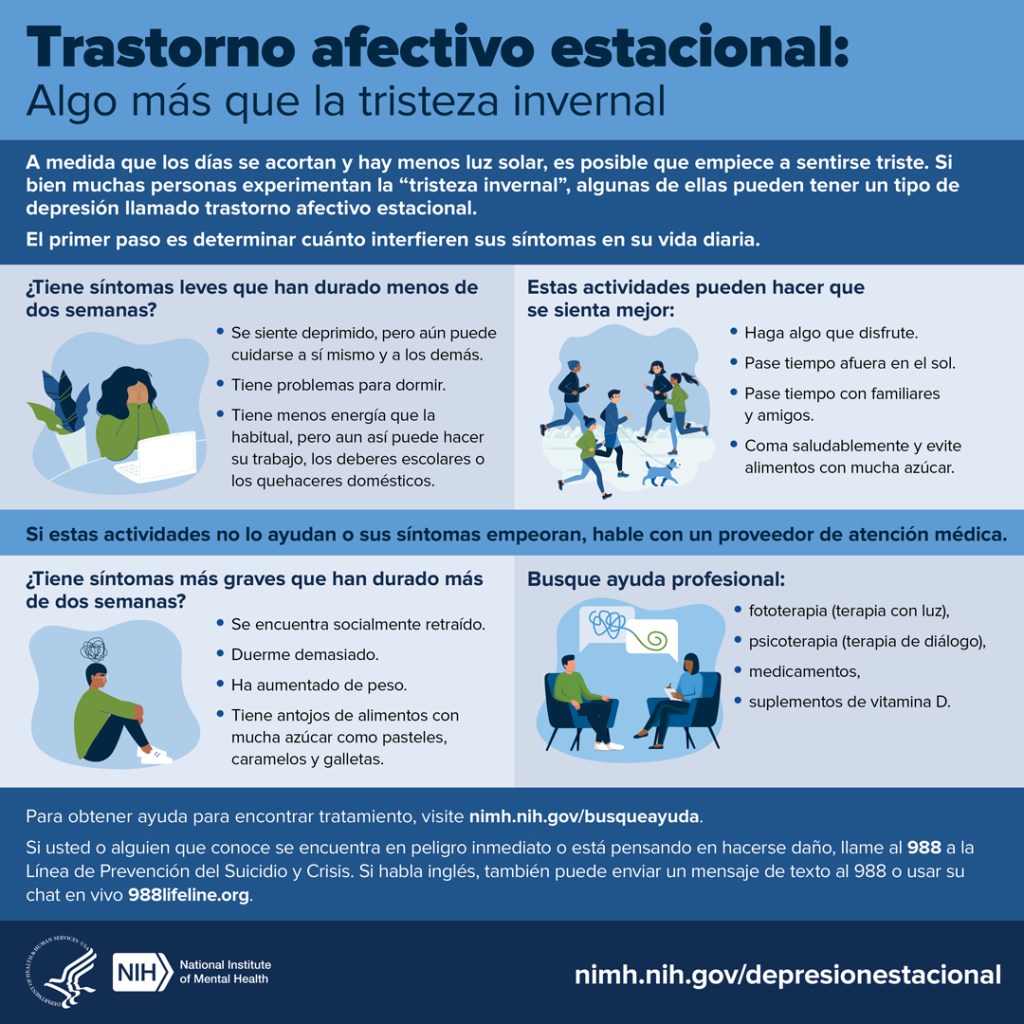
Treatments are available to help people with SAD. They fall into four main categories that can be used alone or in combination:
- Light therapy
- Psychotherapy
- Antidepressant medication
- Vitamin D
Light therapy and vitamin D are treatments for winter-pattern SAD, whereas psychotherapy and antidepressants are used to treat depression in general, including winter- and summer-pattern SAD. There are no treatments specific to summer-pattern SAD.
Talk to a health care provider about the potential benefits and risks of different treatment options and which treatment is best for you. Find tips for talking with a health care provider to improve your care and get the most out of your visit.
Light therapy
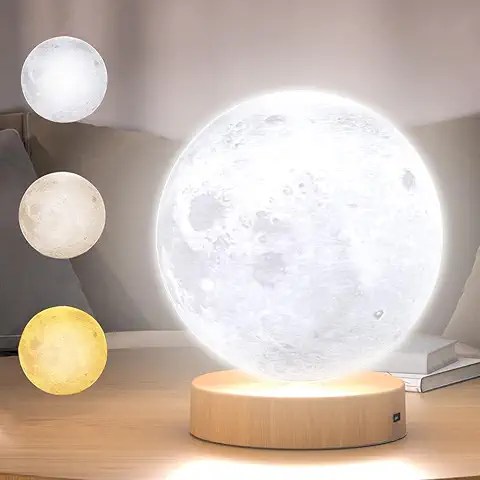
Since the 1980s, light therapy has been a mainstay for treating winter-pattern SAD. It aims to expose people with SAD to a bright light to make up for the diminished natural sunlight in darker months.
For this treatment, the person sits in front of a very bright lightbox (10,000 lux) every day for about 30−45 minutes, usually first thing in the morning, from fall to spring. The light box, which is about 20 times brighter than ordinary indoor light, filters out the potentially damaging UV light, making this a safe treatment for most.
However, people with certain eye diseases or people taking certain medications that increase sensitivity to sunlight may need to use alternative treatments or use light therapy under medical supervision.
Psychotherapy
Psychotherapy (also called talk therapy or counseling) can help people with SAD by teaching them new ways of thinking and behaving and changing habits that contribute to depression.
Cognitive behavioral therapy (CBT) is a type of psychotherapy aimed at helping people learn to challenge and change unhelpful thoughts and behaviors to improve their depressive and anxious feelings. CBT has been adapted for people with SAD (known as CBT-SAD).
CBT-SAD is typically conducted in two weekly group sessions for 6 weeks that focus on replacing negative thoughts related to the season, such as thoughts about the darkness of winter or the heat of summer, with more positive thoughts.
CBT-SAD also uses behavioral activation, which helps people identify and schedule pleasant, engaging indoor or outdoor activities to offset the loss of interest they typically experience in the winter or summer.

When researchers directly compared CBT-SAD with light therapy, both treatments were equally effective in improving SAD symptoms—although some symptoms got better slightly faster with light therapy than CBT. However, a long-term study that followed SAD patients for two winters found that the positive effects of CBT seemed to last longer.
Learn more about psychotherapy.
Antidepressant medication
Medications used to treat depression (antidepressants) can be effective for SAD when used alone or in combination with talk therapy. Antidepressants work by changing how the brain produces or uses certain chemicals involved in mood or stress.
Antidepressants take time—usually 4−8 weeks—to work. Problems with sleep, appetite, and concentration often improve before mood lifts. You may need to try more than one medication to find the one that works best.
Because SAD, like other types of depression, is associated with disturbances in serotonin activity, antidepressant medications called selective serotonin reuptake inhibitors are sometimes used to treat symptoms. These medications can significantly enhance a person’s mood.
The U.S. Food and Drug Administration (FDA) has approved an antidepressant called bupropion in an extended-release form designed to last longer in the body. For many people, bupropion can prevent the recurrence of seasonal depressive episodes when taken daily from the fall through early spring.
All medications can have side effects. Talk to a healthcare provider before starting or stopping any medication. Learn more about antidepressants. Learn about specific medications like bupropion, including the latest approvals, side effects, warnings, and patient information, on the FDA website .
Ordinarily Well: The Case for Antidepressants
by Peter D. Kramer
“Dr. Kramer never loses sight of patients. He writes with empathy about his clinical encounters over decades as he weighed treatments, analyzed trial results, and observed medications’ influence on his patients’ symptoms, behavior, careers, families, and quality of life. He shows how antidepressants act in practice: less often as miracle cures than as useful, and welcome, tools for helping troubled people achieve an underrated goal—becoming ordinarily well.” (Amazon affiliate link)
Vitamin D
Because many people with winter-pattern SAD have vitamin D deficiency, vitamin D supplements may help improve symptoms. However, studies testing vitamin D as a treatment for SAD have produced mixed results, in some it is as effective as light therapy and others found no effect.
Talk to a healthcare provider about any dietary supplements and prescription or over-the-counter medications you are taking. Vitamin D can interact with some medications.
Prevention of SAD
Because the onset of SAD is so predictable, people with a history of the disorder might benefit from starting the treatments mentioned above before the fall (for winter-pattern SAD) or spring (for summer-pattern SAD) to help prevent or reduce depression symptoms. So far, few studies have investigated whether SAD can be prevented.
Discuss a personalized treatment plan with a healthcare provider. A provider can help you decide not only the best treatment option but also the best timing to help prevent SAD depressive episodes.
What are clinical trials and why are they important?
Clinical trials are research studies that look at new ways to prevent, detect, or treat diseases and conditions. These studies help researchers determine if a new treatment is safe and effective in people. The main purpose of a clinical trial is to gain new scientific knowledge so that others may be better helped in the future.
People volunteer for clinical trials for many reasons. Some people join clinical trials to help doctors and researchers learn more about a disease and improve health care. Other people, such as those with health conditions, join to try new or advanced treatments that aren’t widely available.
NIMH supports clinical trials at the National Institutes of Health campus in Bethesda, Maryland, and across the United States. Talk to a healthcare provider about clinical trials, their benefits and risks, and whether one is right for you. Learn more about participating in clinical trials.
I adapted this public domain content, from the National Institutes of Mental Health, National Institutes of Health, Department of Health and Human Services
Exploring the HEART of Health
I’d love for you to follow this blog. I share information and inspiration to help you transform challenges into opportunities for learning and growth.
Add your name to the subscribe box to be notified of new posts by email. Click the link to read the post and browse other content. It’s that simple. No spam.
I enjoy seeing who is new to Watercress Words. When you subscribe, I will visit your blog or website. Thanks and see you next time.
Dr. Aletha
- About Dr. Aletha
- How to Use this Site
- Make Your Life Easier
- Search by Category
- Share the HEART of health
- my Reader Rewards Club
- RoboForm Password Manager
Use these links to share the heart of health wherever you connect.


 watercress words by Dr Aletha
Almost forgot . Yes it’s affordable. My insurance covers it at $0 copay.
LikeLike
That’s a win!
LikeLike
SAD friend here. From autumn time change to spring time change I’m no good. Once spring time change comes I’m great. But I have to tell you that Buspar has been a game changer for me. It lessons everything. So I’m like yay me. My PCP handles my meds and monitors me.
Visiting today from SSPS
LikeLiked by 1 person
Paula, thanks for sharing this info. I have not heard of Buspar used for this. It’s a relatively old drug, so nice to know it’s still useful. I hope the price is reasonable for you.
LikeLiked by 1 person
I used to be on Zoloft for anxiety and depression but began taking Buspar in addition for my anxiety and found it reduced my SAD so I told my doctor about it and we began reducing my Zoloft and found that the Buspar continued to help with both my anxiety and depression. So I weaned off the Zoloft over the summer and I’m just on the Buspar now and it’s controlling both well. My doctor was puzzled at first to find that it was helping my depression because she said Buspar helped anxiety and Zoloft is supposed to help both. I was on Zoloft for about 5 years and began to notice it wasn’t working as well as it used to.Thats why when I noticed the Buspar working I asked if I could just be on that and my doctor was okay with that. And lo and behold so far so good.
LikeLike
One think up in lapland, where it’s dark for most of the day, they have fairy lights everywhere so when you are stomping about in the dark, it’s so pretty. I guess that falls under the light therapy? #SeniorSalonPitstop
LikeLiked by 1 person
Lydia, I assume it’s the same idea, even if it’s not exactly therapeutic. Light regulates our circadian rhythm which is important to wellbeing. I would not living someplace that has 6 months of darkness, even with 6 months of sunlight. I wonder if the people who live there all their lives get used to it. Thanks for the comment.
LikeLike
Hmmm…I commented, but it appears to have not “taken.” I am one of those weird people who actually likes the longer days of winter. I like cozy days inside, but I read through the symptoms of SAD carefully to make sure I wasn’t mistaking my love of darker days with something else. I, luckily don’t have those symptoms. I do have a friend with SAD. He uses light therapy and seems to have gotten better since retiring. I wonder if job stress adds to the possibilities of developing SAD. Thanks for the information, Aletha.
https://marshainthemiddle.com/
LikeLiked by 1 person
Thanks for your perseverance Marsha. Yes, you did comment, and WordPress flagged it as spam! And you even have a WordPress blog. I’m looking for a way to make sure it doesn’t do that again. I also like the coziness of a winter day when I can stay warm inside. But I do get tired of endless cold sunless days, but not to the extent of SAD. Since SAD is a form of depression, likely stress of all kinds can aggravate it, or make one more susceptable to it.
LikeLike
I am one of those weird people who actually likes the shortened days. I think it makes everything more cozy. I read through those symptoms carefully, though, because I thought maybe I like these dark days because I have SAD. I don’t have any of them, though. I do have a friend who has been diagnosed with SAD and uses light therapy. I think he’s gotten better after retiring. I wonder how much job stress plays a role in it, or if he just “outgrew” it? Anyway, thanks, as always, Aletha, for the information!
https://marshainthemiddle.com/
LikeLike