Recently, I did something I had never done before. I was interviewed on a podcast series about retirement.
My friend Ric Shields does the podcast for his ministry DoorWays. I had volunteered to be a guest several months ago. He covers a wide range of issues but I was surprised when he asked if I would talk about retirement.
I “retired” several times throughout my career, but four years ago I stopped practicing medicine with no plans to resume. It wasn’t an easy transition, and perhaps I didn’t realize how difficult it was until I prepared answers to his questions.
When I listened to the podcast, I realized how life-changing the transition was, and hearing myself discuss it was jarring but cathartic.
I shared the podcast audio on this blog at this link. I hope you have had a chance to listen. But maybe you prefer reading over listening; I often do. So in this post I share a transcript of the episode; I hope you will read even if you did listen. If listening and reading, you’ll notice some editing to make it easier to read.
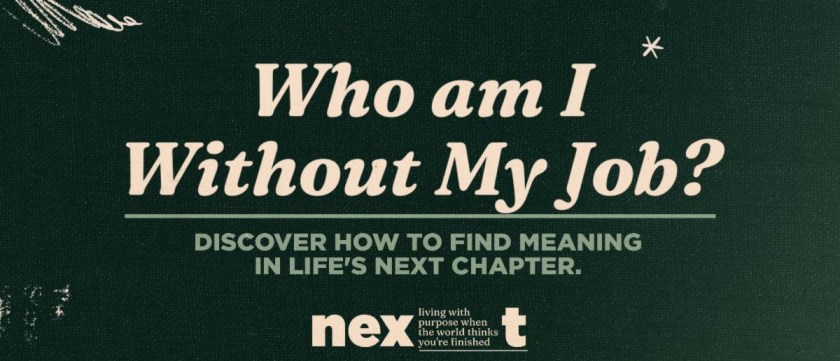
DoorWays Ministry Podcasts by Ric Shields
For decades, you’ve known how to answer the question, “What do you do?” But what happens when the job title disappears, the routine changes, and the work that once defined you is suddenly behind you?
In this episode of the DoorWays Ministry podcast, Dr. Aletha Oglesby shares her deeply personal experience of an unexpected retirement after decades in medicine. When her position was eliminated, she faced feelings of loss, grief, and uncertainty. Over time, she discovered that while her professional role had changed, her purpose had not.
Together, we explore the difference between what we do and who we are, how to recognize when retirement is becoming emotionally difficult, and why meaningful living starts with understanding our core values and calling.
Through faith, family, new experiences, and opportunities to serve, Aletha discovered fresh ways to live out the purpose that had guided her all along.
Because retirement may close one chapter of your life, but it doesn’t mean your story is finished. It may be the perfect opportunity to discover who you’ve been all along.
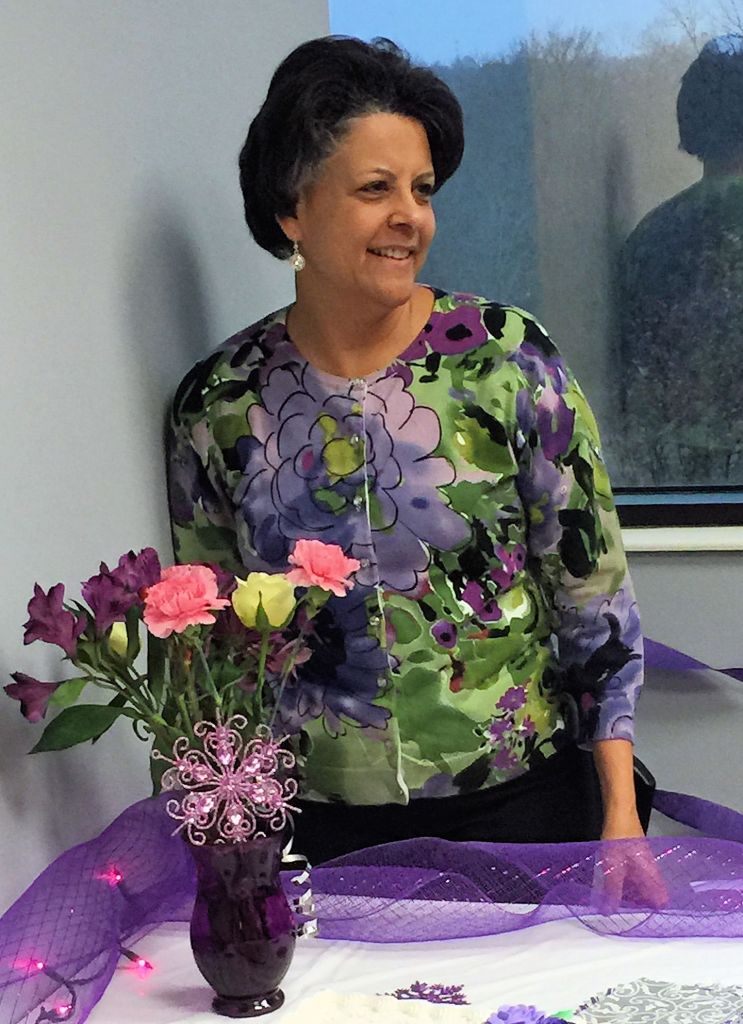
Dr. Aletha Oglesby 0:00
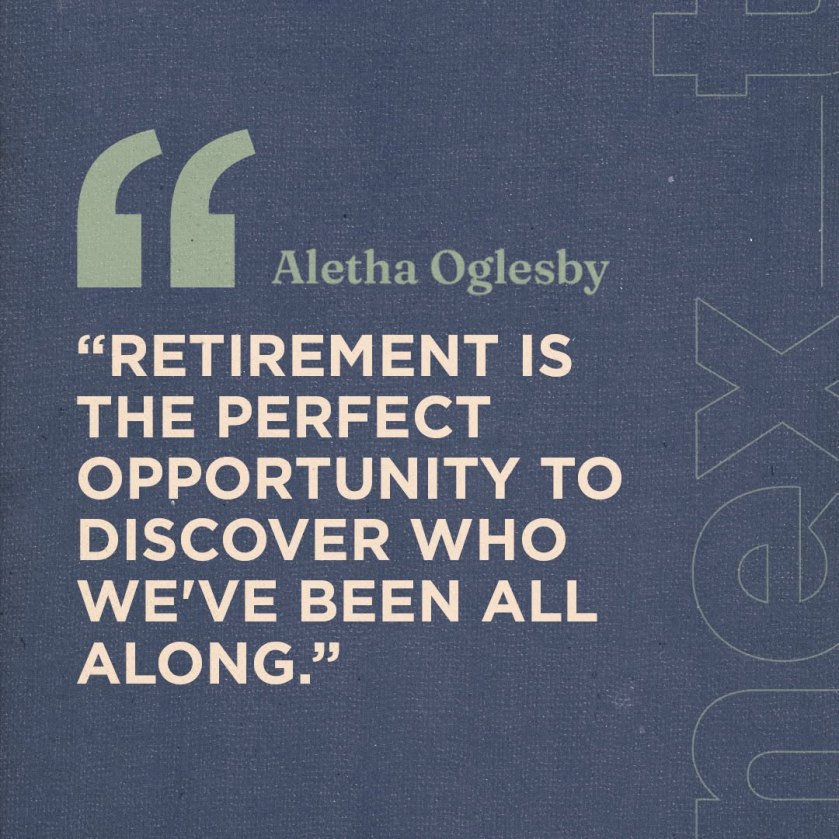
Retirement is only one of many life transitions that force us to consider who we are and where we’re going. Sometimes those changes are welcome and they’re exciting, and sometimes they are unwanted and painful. But they are always opportunities to learn and grow and to use our talents in new and sometimes surprising ways. Retirement is the perfect opportunity to discover who we’ve been all along.
Ric Shields 0:40
For most of our adult lives, one of the first questions we’re asked when we meet someone is, “What do you do?” And we know exactly how to answer. I’m a physician, I’m a teacher, a pastor, business owner, an accountant. But then retirement comes along and takes away the answer we’ve been giving for 30 to 40 years. The paycheck may stop, and that’s what we plan for, but so can the title, the routine, the colleagues, the people who needed us, and even some of the significance we attach to our work.
So what happens when we’ve spent a lifetime confusing, “What do I do” with “Who am I?” And today we’re asking a question that may be more important than whether we have enough money to retire. We’re asking, “Who am I without my job?”
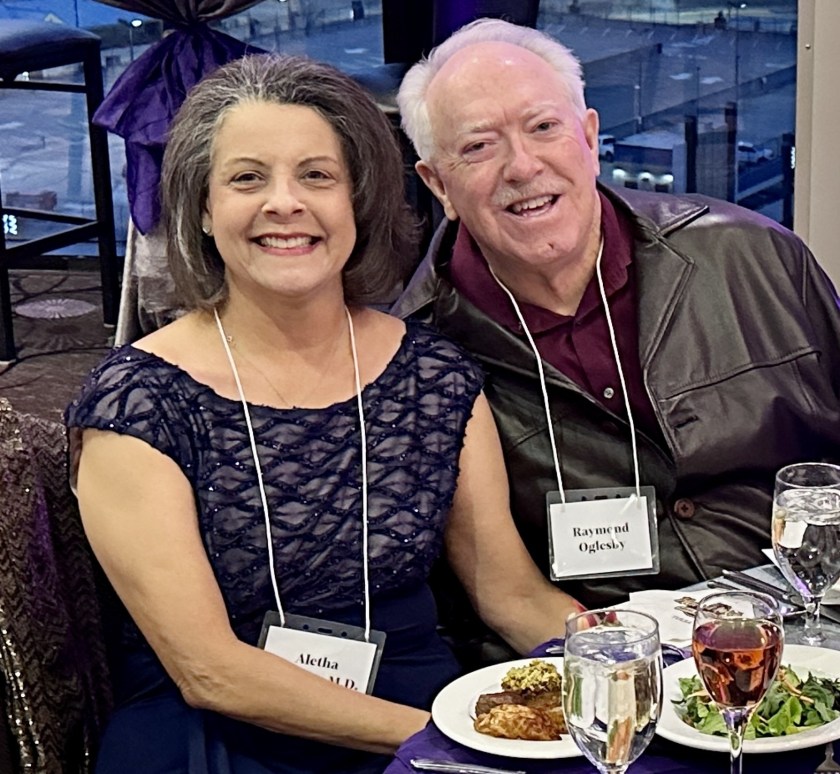
Welcome to the DoorWays® Ministry Podcast. My name is Ric Shields, and my guest today is Dr. Aletha Oglesby, a board-certified family practice physician who recently retired after serving in various roles for 41 years. She’s been married for 52 years to her Army veteran husband Raymond. They have two married sons and four grandchildren that range in age from, – catch this – 20 years old to two years old.
She’s known to her colleagues as Dr. Aletha and has served on over 20 medical mission trips to several countries on five continents. Dr. Aletha and Raymond live modestly so they can give generously. We’re grateful that they sponsored the entirety of our recent “Women in Scripture ” series. There’s more that we can get into, but let’s start by saying thank you for your sponsorship and thank you for joining me today.
Dr. Aletha Oglesby 2:28
Thank you, Ric. We sponsored the series in memory of Raymond’s mother, Geneva Oglesby. She studied and taught the Bible for 50 years alongside Raymond’s dad, who is a minister, and we love and appreciate her very much.
Ric Shields 2:46
They were involved in pastoral ministry? Was that in Oklahoma?
Dr. Aletha Oglesby 2:48
Yes, briefly, but mostly traveling ministry. They would go to small country churches that often didn’t have a full-time pastor. So they would go and preach on Sundays in Southeast Oklahoma.
Ric Shields 3:08
One thing that many people may not know is that you and Raymond have been ballroom dancers for 20 years. Are there any plans for you to appear on an upcoming episode of Dancing with the Stars? Is that possible?
Dr. Aletha Oglesby 3:22
I think some things are best left to the imagination. But if you search, you might find videos of us on Facebook dancing.
Ric Shields 3:31
I have. I have, and I’ve seen that. And Aletha, I’m happy for you, but you’re probably not going to be on Dancing with the Stars.
Dr. Aletha Oglesby 3:39
I agree.
Ric Shields 3:40
You spent much of your adult life as a family practice physician. Then one day you weren’t going to the office anymore. If you will take us into that transition, what surprised you the most about no longer being the doctor every day?
Dr. Aletha Oglesby 3:55
I worked past the age that many people are retired and I was planning to work longer. So I was stunned when my position was eliminated. And suddenly I had 90 days. I didn’t know what to do.
I expected to keep working. I could not believe that after 50 years of involvement in a medical career that it was ending. I felt discarded. I felt alone. I was angry, and I was sad. I was depressed and I grieved for many months. It truly was a life-changing loss.
Ric Shields 4:40
And this was a complete surprise. Did you even have an inkling that change was imminent or just totally surprised?
Dr. Aletha Oglesby 4:48
I knew there were changes going on at the company I worked for. But to the point of losing my position, no, I did not have an inkling. I probably should have. I think I was maybe just somewhat naive and trusting.
Ric Shields 5:09
But it just came out of the clear blue sky.
Dr. Aletha Oglesby 5:12
The man walked into my office as I was getting ready to break for lunch and looked me in the eye and told me my position was terminated.
Ric Shields 5:25
Many people probably can relate to this, especially those as they’re coming toward their retirement years and they’re planning, I’m going to work a little bit longer, a little bit longer, and all of a sudden, no, they’re not. And it’s like, what? That’s difficult.
Let’s push this a little further. Do you think we have allowed our careers to become our identities? And I ask that because for decades people ask us, “What do you do?” And we answer with our occupation. What’s the danger in allowing our profession, our title, our accomplishments to become the primary way that we identify ourselves?
Dr. Aletha Oglesby 6:06
Yes, I agree. In our culture, occupations or a job tend to be the primary way that we identify ourselves and each other. And who we are and what we do becomes blended. I don’t think there’s anything wrong with that unless it becomes unbalanced. If we don’t see ourselves as separate from our job, then no one else will either. I think that’s probably particularly true for physicians and maybe other professions in which people have spent many years getting to where they are.
I read a quote from the late pastor Tim Keller, which said, “When work is your identity, success goes to your head and failure goes to your heart. “
When I lost my job, I felt like a failure.
Ric Shields 7:01
I find this interesting. A person can have plenty of money in the bank and still be bankrupt when it comes to purpose. So why do some people reach the retirement they worked and they save for and discover that they’re unhappy, they’re restless, they’re even lost.
Dr. Aletha Oglesby 7:18
Professional people had advised Raymond and me on planning for retirement. So we were actually in good shape financially. But in my mind, I was so used to earning an income that I was still nervous about the money. But I think what I was nervous about was not having that chance to fulfill my purpose – not being able to go to the office every day and do what I had spent so many years training to do.
But I think I finally remembered I didn’t go into medicine just to make money. I felt called into medicine. And little by little I began to realize that now I had the time to do other activities that could fulfill that purpose in a different way.
Ric Shields 8:20
I’m just thinking back to the guy coming into your office and telling you, “Well, your position has been eliminated. We’re saving money here.”
What he didn’t realize is that they were bringing an end to your calling. The call that you had to medicine no longer had value where they were. That’s tough.
You spent years caring for patients and their families. So you’ve had a front-row seat for people moving through different seasons of life. What warning signs might suggest that retirement isn’t going particularly well emotionally or relationally?
Dr. Aletha Oglesby 8:51
I should say any of life’s transitions can bring sadness and even grief. But if someone falls into persistent feelings of hopelessness, disinterest in life, lack of enjoyment, isolation, sleep disturbances, sleeping too much or too little, or thinking about death, or even suicidal thoughts, that’s definitely a problem. Another bad sign is people who turn or return to addictive behavior, such as substance use, gambling, pornography, eating disorders. Those should definitely raise alarms.
Family members often notice those things before the person does. And these are times when one should consult their doctor, their personal doctor, and talk about what’s going on and get help.
Ric Shields 9:47
You’re listening to the DoorWays® Ministry Podcast. My name is Ric Shields, and I’m joined on this episode by Dr. Aletha Oglesby, a retired family practice physician and a life member of the Christian Medical Dental Association and of the American Academy of Family Practice. She is certified by the American Board of Family Medicine.
Dr. Aletha, you have also written a health information blog called Watercress Words for 11 years. You don’t dispense medical advice, but offer information and inspiration for readers to turn health challenges into opportunities to restore wellness and improve health. What got you started writing that blog?
Dr. Aletha Oglesby 10:26
When I went into practice, which was pre-Dr. Google.
Ric Shields 10:31
Uh Dr. Aletha, this is really a while back, isn’t it?
Dr. Aletha Oglesby 10:34
It was a while back. A while back, yes. Believe it or not, I got all the way through medical school, residency, and early years of practice and never touched a computer.
Ric Shields 10:44
No, that’s crazy. Not today, friend. Not today.
Dr. Aletha Oglesby 10:48
So I wrote my own health information handouts to print and give to my patients. But then I discovered the internet. And so I started putting the same information online in a blog. Social media wasn’t yet a thing, but I still wanted people to get accurate information about medicine and health care. And that way I could reach more people than I could in my office.
Ric Shields 11:16
Now I suppose that Raymond helped in this process because he is Mr. Computer. And he had to say, “Honey, you’ve got to do this. This is really helpful. You get to get it out to more people.” He had to be very helpful with that process, was he?
Dr. Aletha Oglesby 11:30
He was more helpful with the technical aspects. He didn’t really get involved in the writing or the publishing part, but definitely getting me set up on a computer and getting me computer literate. He, along with our teenage son, who’s more helpful. Yes. And who still is.
Ric Shields 11:47
And I tell people today if they have a problem with their phone or their computer, please talk to a 12-year-old. Don’t call me.
I sometimes hear retirees say, “I’m just trying to stay busy.” But I’m not sure that busy and purposeful are the same thing. So what does healthy purpose look like after retirement? How do we distinguish meaningful engagement from simply filling the calendar?
Dr. Aletha Oglesby 12:11
I think it starts with knowing what your core values are and what your mission is. What are you meant to do? And that should pretty much guide your choices.
One of the nice things about retirement is it is you now have time to pursue the things that you didn’t have time to do when you were working and also to try new things and to do things that are outside your comfort level, like ballroom dancing.
Ric Shields 12:41
But you started that actually before you retired. You’ve been doing this for 20 years.And you travel when you do this. It’s not just like you’re here and yeah, you’re at home. You travel. Again, I’ve watched the videos. And when I said earlier, okay, you’re not likely to be on Dancing With the Stars, I didn’t mean that in a negative way, like you can’t dance. I meant it that they’re looking for the skimpy costumes that I don’t think you and Raymond are going to get into.
Dr. Aletha Oglesby 12:44
That’s the main reason I would not be on Dancing with the Stars. It seems like over the years, the ladies’ costumes have gotten skimpier and skimpier. That’s not what I wear.
Ric Shields 13:22
Yeah. Where is the costume?
Let’s bring faith into this. Does God ever retire us from our calling or only from a particular assignment? Or how can our faith help separate our identity from our occupation and help us understand who we are when a career ends?
Dr. Aletha Oglesby 13:43
I like to look at Jesus as an example of identity, calling, and assignment. If you read through the Gospels about his ministry, he knew who he was and what he was sent to do, which was very simply, to serve. But he did that in many different ways. He fed people, he taught, he healed the sick, he confronted injustice. And then, of course, finally he actually laid down his life, literally.
So I think we may be asked to do the same thing, to do very different things throughout our lives, to fulfill whatever purpose God has laid on our hearts.
Ric Shields 14:29
And now that you’re retired, what are you discovering? And I should say, now that you’re retired from your professional career, what are you discovering about the answer to our title question, “Who are you without your job?”
Dr. Aletha Oglesby 14:43
I still miss the relationships with patients and colleagues, but I am still happy and fulfilled. My life is busy and it’s purposeful. So traveling now to see my grandchildren and to go sightseeing and sometimes to go dancing, to explore my family genealogy, working with my DAR chapter on community projects, and I’m still writing my blog. And I also took the time to become a certified life coach. So my purpose hasn’t changed, but just the different ways that I express it.
Ric Shields 15:26
You mentioned becoming a certified life coach. So what is that?
Dr. Aletha Oglesby 15:30
A life coach helps people find their purpose and find ways to express it. A life coach is a partner in planning your life. We don’t give advice, we don’t counsel, we don’t tell people what they should do. We help people figure out what they really want to do and are meant to do. We’re a partner, not a director.
Ric Shields 16:01
Oh, I like the way you say that a partner, not a director. And that is the important thing about life coaching, is that you’re really helping people to be able to express what’s already on their heart.
Dr. Aletha Oglesby 16:11
Yes.
Ric Shields 16:11
Or maybe already in their soul, you’re helping them to find that and express that and guiding them along the way on the path to where they want to take this. So yeah, I think that life coach, if someone wanted to speak with you about life coaching, how could they contact you?
Dr. Aletha Oglesby 16:28
They can contact me either through my blog. That’s WatercressWords.com. And they can also find me on Facebook at WatercressWords by Dr. Aletha. And they can send me a message there. And it’s also on Instagram.
Ric Shields 16:52
Thank you again, Dr. Aletha, for joining me. Could you please take 30 seconds to put all this together? Help us to prepare for the day when our job doesn’t serve as the primary definer of who we are.
Dr. Aletha Oglesby 17:08
Thank you again. Retirement is only one of many life transitions that force us to consider who we are and where we’re going. Sometimes those changes are welcome and they’re exciting, and sometimes they are unwanted and painful. But they are always opportunities to learn and grow and to use our talents in new and sometimes surprising ways. Retirement is the perfect opportunity to discover who we’ve been all along.
Ric Shields 17:48
For most of our lives, we’ve been taught to introduce ourselves by telling people what we do, but eventually the title disappears. The office belongs to somebody else. Someone else sits behind the desk or stands where you once stood. The phone doesn’t ring quite as often, and people stop asking us questions they once thought that only we could answer. And maybe that’s when we discover something important.
Our job was something we did. It was never all that we were. In Ephesians 2: 10, the Apostle Paul writes, “For we are God’s handiwork created in Christ Jesus to do good works, which God prepared in advance for us to do.” Now notice that our identity comes first. We are God’s handiwork. The work flows from who we are, not the other way around.
Retirement may end a career, it may close an important chapter, but it doesn’t mean God has finished writing the story.
I hope this episode has been helpful to you. In fact, I hope it’s been so helpful that you’ll share it with a family member, a friend, or a coworker who may benefit from it, too. And it would really help us if you would like, comment, or subscribe on whatever platform you access our podcast.
Special thanks to Jim and Laura Beverly for being sponsors of this series of episodes related to retirement. Your sponsorship would be helpful too. Please send me an email at info@doorways.cc for us to start the conversation on how you could become a sponsor.
I appreciate this passage from the Old Testament book of Deuteronomy 31: 8 and I hope it touches your heart today, too. It says this: “The Lord Himself goes before you and will be with you. He will never leave you nor forsake you. Do not be afraid. Do not be discouraged.” Thanks for listening.
Exploring the HEART of Health
Thank you for reading this post. Please follow this blog and me on social media.
I share information and inspiration to help you transform challenges into opportunities for learning and growth.
Add your name to the subscribe box to be notified of new posts by email. Click the link to read the post and browse other content. It’s that simple. No spam.
I enjoy seeing who is new to Watercress Words. When you subscribe, I will visit your blog or website. Thanks and see you next time.
Dr. Aletha
- About Dr. Aletha
- How to Use this Site
- Make Your Life Easier
- Search by Category
- Share the HEART of health
- my Reader Rewards Club
- RoboForm Password Manager
Use these links to share the heart of health wherever you connect.


