
updated March 2, 2026
Some holidays and special observances change dates and even months from year to year.
February, the shortest month of the year, is followed by March, one of the longest at 31 days. There are five Sundays in March in 2026, and a long list of holidays and happenings.
Daylight Saving Time

Depending on where you live, you may need to remember to spring forward into Daylight Saving Time
Most of the United States will change to Daylight Saving Time on the first Sunday of March. To do so, set your clock one hour ahead unless your device automatically changes. If you have to awaken at a specified time, you will “lose” an hour of sleep unless you go to sleep an hour earlier.
Your body will tell the difference until your sleep cycle adjusts; I know mine always does. The Sleep Foundation offers these tips to make the change easier.
St. Patrick’s Day
Monday, March 17 is St. Patrick’s Day. Learn more about the Saint at this earlier post.
For the Love of God-St Patrick and St Paul
Saint Patrick, born in 4th century Britain, was kidnapped to Ireland but later escaped. He returned as a missionary on March 25, 433, converting many people and establishing churches despite initial conflict with local chieftains. Saint Paul, a significant biblical writer, spread Christianity around the eastern Mediterranean, emphasizing God’s love through his letters.
Keep readingLent
The Christian observance of Lent often spans days starting in February through April.
The Practices of Lent: Fasting and Reflection
Lent, a 40-day period for fasting and abstinence (Sundays are excluded), in imitation of Jesus Christ’s fasting in the wilderness before he began his public ministry.
Keep readingWelcome Spring
We will welcome the first day of Spring, Thursday, March 20, in the northern hemisphere, with the occurrence of the vernal equinox. In the southern half of the globe, people will enter autumn.
Health Tips for Spring You Must Know
Daylight Saving Time and the arrival of spring with the vernal equinox,brings increased daylight until summer solstice. It’s wise to be proactive in avoiding dangerous spring and summer weather conditions that can turn deadly.
Keep readingMedical Residents’ Match Day
It’s the day graduating medical students find out what residency program they will join through the National Resident Matching Program, which “matches” them with available positions in residencies all over the United States.
Why should you care? This matching process determines who will care for our medical needs in the next 30-40 years; our family physicians, internists, pediatricians, general surgeons, obstetricians, dermatologists, psychiatrists, and a multitude of other medical specialties.
Most doctors will continue in the same specialty their entire career, although some switch after a few or many years. Some pursue more than one specialty training.

The surprising new doctors caring for you
Who will be your next doctor? What will your future doctor look like?
Your doctor within the next 10-20 years is likely in medical school or a residency program in a United States medical center right now. Within 1-10 years, they will join the ranks of practicing physicians, while some currently in practice will change…
Keep readingNational Doctor’s Day
March 30 has been designated National Doctor’s Day in the United States.
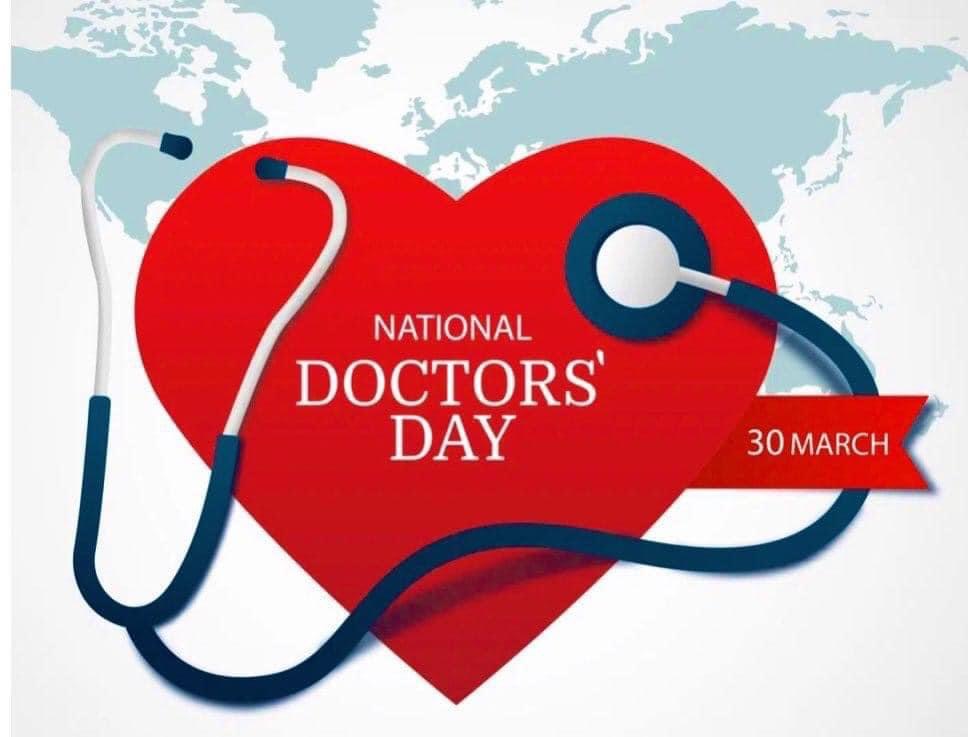
The first Doctors’ Day observance was March 30, 1933, in Winder, Georgia. The idea came from a doctor’s wife, Eudora Brown Almond, and the date was the anniversary of the first use of general anesthetic in surgery(although several other dates also claim that distinction.)
The Barrow County (Georgia) Medical Society Auxiliary proclaimed the day “Doctors’ Day,” which was celebrated by mailing cards to physicians and their wives and by placing flowers on the graves of deceased doctors.
In 1990, the U.S. Congress established a National Doctors’ Day first celebrated on March 30, 1991.
Of course, the most important physician for you to honor is your own personal physician.
Vietnam War Veterans Day
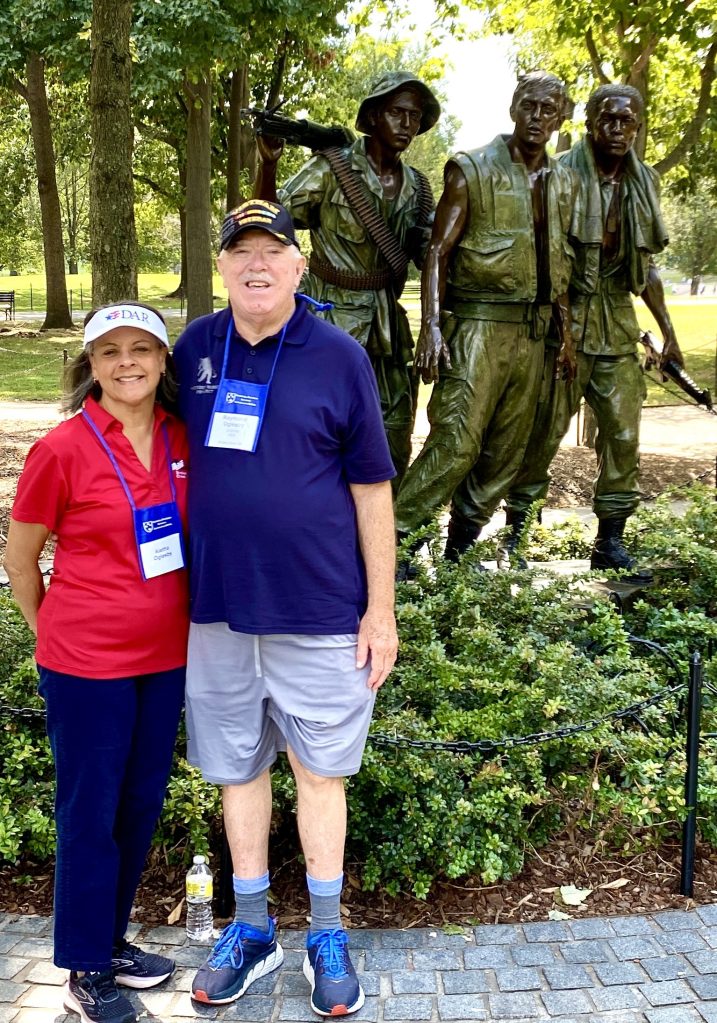
In my home, we observe not only Doctor’s Day, for me, but also Vietnam War Veterans Day, because my husband is one.
Vietnam War Veterans Day commemorates the sacrifices of Vietnam veterans and their families, part of a national effort to recognize the men and women who didn’t receive a proper welcome upon returning home more than 40 years ago.

The Vietnam War Veterans Recognition Act, signed into law in 2017, designates March 29 of each year as National Vietnam War Veterans Day.
On that day in 1973, the last combat troops were withdrawn from Vietnam and the last prisoners of war held in North Vietnam arrived on American soil. It is also the date President Nixon chose for the first Vietnam Veterans Day in 1974.
Read about an actual event in the Vietnam War, written by my husband Raymond Oglesby.
Battle for Tra Bong Vietnam: Events and Aftermath Kindle Edition
Read it free with Kindle Unlimited or pay $2.99 (this is an affiliate link)
Cover Illustration
The cover picture featuring clocks and colorful flowers was created with the JetpackAI feature of WordPress. (affiliate link)
Exploring the HEART of health in the spring
I’d love for you to follow this blog. I share information and inspiration to help you transform challenges into opportunities for learning and growth.
Add your name to the subscribe box to be notified of new posts by email. Click the link to read the post and browse other content. It’s that simple. No spam.
I enjoy seeing who is new to Watercress Words. When you subscribe, I will visit your blog or website. Thanks and see you next time.
Dr. Aletha
- About Dr. Aletha
- How to Use this Site
- Make Your Life Easier
- Search by Category
- Share the HEART of health
- my Reader Rewards Club
- RoboForm Password Manager
Dwell in the Word during Lent
Many people find using their phones a convenient way to read and meditate on the Bible. And it’s easy to do so with the Dwell Bible App.
With Dwell you can listen to and read the Bible and special devotional offerings for Advent, Lent, and throughout the year.
Using this affiliate link helps support this blog and my mission to share the heart of health wherever needed all over the world. Please join me.






 watercress words by Dr Aletha