How Bystander CPR Saves Lives

Many lives could be saved with proper CPR training, as timely intervention during a cardiac arrest significantly improves survival rates. A report highlights that despite high incidences of such emergencies, readiness is lacking. Easy access to AEDs and training resources, alongside awareness, are crucial in preventing unnecessary deaths from cardiac arrests.

When I was in medical practice, I stayed current in CPR certification. Fortunately, I never had to use it in the office and only once in a public place, a church.

But I have not updated my certification since leaving practice. But after reading this article from KFF, I reviewed CPR in a video.

A video is better than nothing, but if you have never taken a formal CPR class, I recommend it, especially if you are a caregiver for children or people at risk of heart disease, which is everyone.

I’m sharing this article and graphics to explain why CPR knowledge is so vital.

Fast Action From Bystanders Can Improve Cardiac Arrest Survival.

Many Don’t Know What To Do.

Written by Michelle Andrews, April 30, 2025

When a woman collapsed on an escalator at the Buffalo, New York, airport last June, Phil Clough knew what to do. He and another bystander put her flat on her back and checked her pulse (faint) and her breathing (shallow and erratic). Then she stopped breathing altogether.

Realizing that she might be having a cardiac arrest, Clough immediately started doing chest compressions, pressing hard and quickly on the center of her chest, while others nearby called 911 and ran to get an AED, automated external defibrillator.

Within seconds of receiving a shock from the AED, the woman opened her eyes. By the time the airport rescue team arrived a few minutes later, she was conscious and able to talk with rescuers.

“I don’t want to ever feel helpless,” said Clough, who had flown to Buffalo that evening on a work trip for his engineering job in Denver. After an incident several years earlier in which he was unsure how to help a woman who collapsed at his gym, he took a college course to get certified as an emergency medical responder, who can provide basic life support interventions.

The woman who collapsed was lucky: She lost consciousness in a public place where bystanders knew how to help her. Most people aren’t so fortunate.

In the United States, a lack of training and readiness to deal with this relatively common medical emergency contributes to thousands of deaths a year.

What is a cardiac arrest?

More than 350,000 cardiac arrests occur outside of a hospital setting in the United States annually, according to the American Heart Association. In 9 of 10 cases, the person dies because help doesn’t arrive quickly enough.

Every minute that passes without intervention reduces the odds of survival by 10%. But if someone immediately receives cardiopulmonary resuscitation and an AED shock, if needed, their survival odds can double or even triple.

Fewer than half of people get that immediate help, according to the AHA. A cardiac arrest occurs when the heart stops suddenly, often because the heart’s electrical system malfunctions. About 70% of cardiac arrests occur at home.

But even if someone collapses in a public place and an ambulance is called immediately, it takes roughly eight minutes, on average, for emergency personnel to arrive. In rural areas it can take much longer.

When someone has a cardiac arrest, they often require an electric shock from an AED to get their heart started again. These portable devices analyze the heart’s rhythm and instruct the user to deliver a shock, if necessary, through pads placed on the victim’s chest.

Where are the AEDs ?

But although many states require AEDs in public places such as airports, malls, and schools, they often aren’t easy to spot. A study of data from 2019 to 2022 found that after a cardiac arrest in a public place, bystanders used an AED 7% of the time and performed CPR 42% of the time.

The most comprehensive resource for identifying AEDs is a nonprofit foundation called PulsePoint, which has registered 185,000 AEDs in 5,400 communities in the United States. (Shannon Smith, PulsePoint vice president of communications).

If requested, the organization will help a community build its AED registry and connect it to the area’s 911 service free of charge.PulsePoint recently launched a national AED registry to further this effort.

Through a companion app, users trained in CPR can volunteer to be alerted to potential cardiac arrests within roughly a quarter-mile when calls come into a community’s emergency response dispatch service. The app also identifies registered AEDs nearby.

“PulsePoint is the closest thing we have to a national registry,” said Elijah White, president acute care technology at Zoll, a leading AED manufacturer. The company has provided location information for all its AEDs to PulsePoint. Still, PulsePoint has registered only a fraction of AEDs in the country. “It’s just a start,” White said.

Other factors may also keep bystanders from stepping in to help. They may lack CPR training or confidence, or fear liability if something goes wrong.

What are barriers to CPR?

Liability shouldn’t be a concern, in general. All 50 states and Washington, D.C., have “good Samaritan” laws that protect bystanders from legal liability if they intervene in a medical emergency in good faith.

But training can be a serious barrier. One study found that only 18% of people reported that they’d received CPR training within the previous two years, a key time frame for skills maintenance. Two-thirds of people reported having been trained at some point.

One way to boost training is to make it mandatory, and many states require CPR training for students to graduate.

But even though 86% of high school students reported having received some training, only 58% said they knew how to apply their skills, and a similar proportion said they knew how to use an AED.

“We’ve got some work to do,” said Dianne Atkins, a pediatric cardiologist and longtime AHA volunteer, who said ensuring high school training is a top priority for the AHA.

Other countries have prioritized training their residents in AED use and CPR for many years, with some success.

In Denmark requires training to get a driver’s license, and middle schoolers are trained. A survey found 45% of the population reported having received training through their workplace. In the study, 81% of respondents in the general public reported having been trained in CPR and 54% in how to use an AED.

Norway has provided first-aid training in primary schools since 1961 and mandates CPR training for a driver’s license. Ninety percent of the population reported they are trained in CPR.

Photo by rawpixel.com on Pexels.com

In the United States,  many training courses are available, online and in person, that take only a few hours . For someone who’s never learned basic life-support skills, the training can be eye-opening.

This previously untrained reporter was taken aback to discover how forcefully and rapidly someone must press on a mannequin’s chest to do CPR correctly: 100 to 120 compressions a minute to a depth of at least 2 inches.

The most important thing is for ordinary people to know the basics well enough that “they would feel confident to call 911 and push hard and fast on someone’s chest,” said Audrey Blewer, an assistant professor of family medicine and community health at Duke University School of Medicine. She has published numerous studies on bystander CPR and AED use. “That doesn’t require a certification card and recent training.”

The most important thing is for ordinary people to know the basics well enough that “they would feel confident to call 911 and push hard and fast on someone’s chest,” said Audrey Blewer

Audrey Blewer, Professor of Family Medicine and Community Health

During an emergency, 911 dispatchers can also play a crucial role in walking people through doing CPR and operating an AED, said David Hiltz, volunteer program director of the HeartSafe Communities program at the Citizen CPR Foundation, a nonprofit that works to improve cardiac arrest survival through training and education.

Phil Clough has stayed in touch with Rebecca Sada, the woman who collapsed at the Buffalo airport that June day as she was coming home from a trip to visit her daughter.

Needing an Internal Defibrillator

Sada, who had no history of heart trouble before her cardiac arrest, now has an automated defibrillator implanted in her chest to stabilize a previously undiagnosed electrical problem with her heart. An implantable cardioverter-defibrillator, an ICD, is a small battery-powered device placed in the chest. It detects and stops arrhythmias, irregular heartbeats. An ICD constantly checks the heartbeat. It delivers electric shocks, when needed, to restore a regular heartbeat.

She and her husband invited Clough for dinner, and they are friends for life, she said. One other change that occurred as a result of Sada’s cardiac arrest: She and her husband got certified in CPR and AED.

“Now, if we needed to help someone down the road, we’d be able to,” Sada said.

(Edited for readability and length.)

KFF Health News is a national newsroom that produces in-depth journalism about health issues and is one of the core operating programs at KFF—an independent source of health policy research, polling, and journalism. Learn more about KFF.

Subscribe to KFF Health News’ free Morning Briefing.

This article first appeared on KFF Health News and is republished here under a Creative Commons license.

Find a CPR Class Near You

LEARN HANDS-ONLY CPR

Post Images

The images in this post are courtesy of the American Heart Association unless stated otherwise.

Exploring the HEART of Health

I hope the information in this post gives you inspiration to learn CPR.

Remember, the most important thing to do in any medical emergency is call 911, or your local emergency number. Don’t try to manage a medical crisis by yourself, it takes a team.

Use this link to search for other posts about heart disease, including how to keep your heart healthy. And please share this post wherever you interact socially.

I’d love for you to follow this blog and follow me on social media.

I share information and inspiration to help you transform challenges into opportunities for learning and growth.

Add your name to the subscribe box to be notified of new posts by email. Click the link to read the post and browse other content. It’s that simple. No spam.

I enjoy seeing who is new to Watercress Words. When you subscribe, I will visit your blog or website. Thanks and see you next time.

Medical stethoscope and heart on a textured background

Dr Aletha

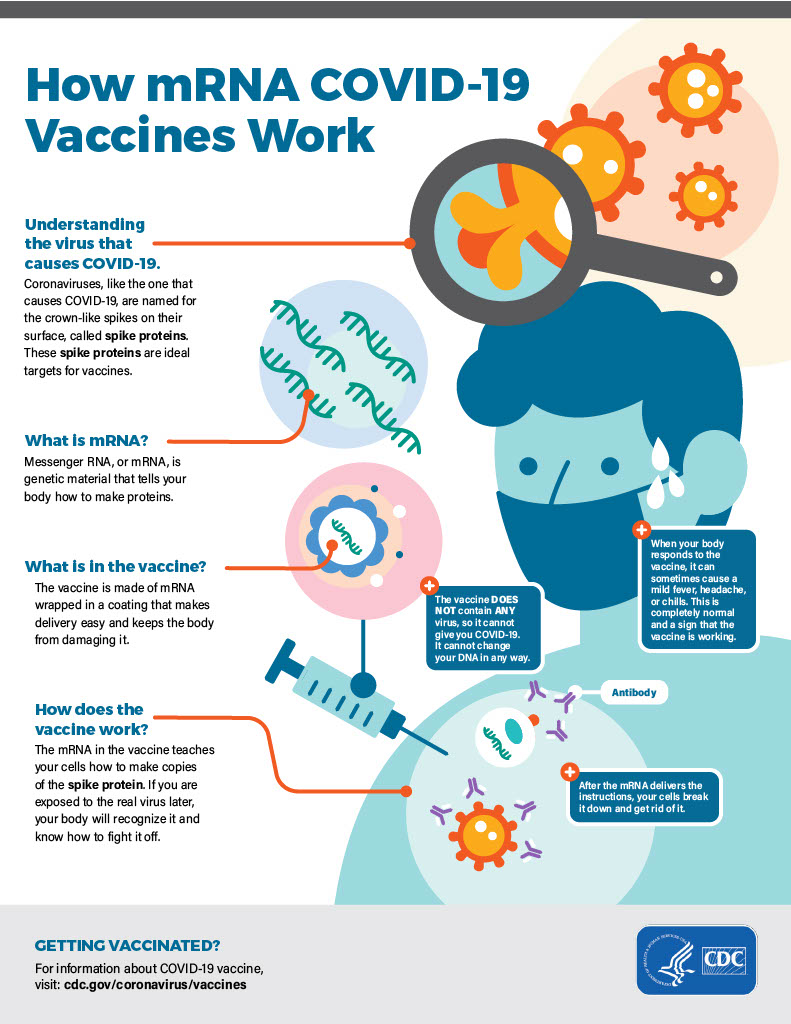
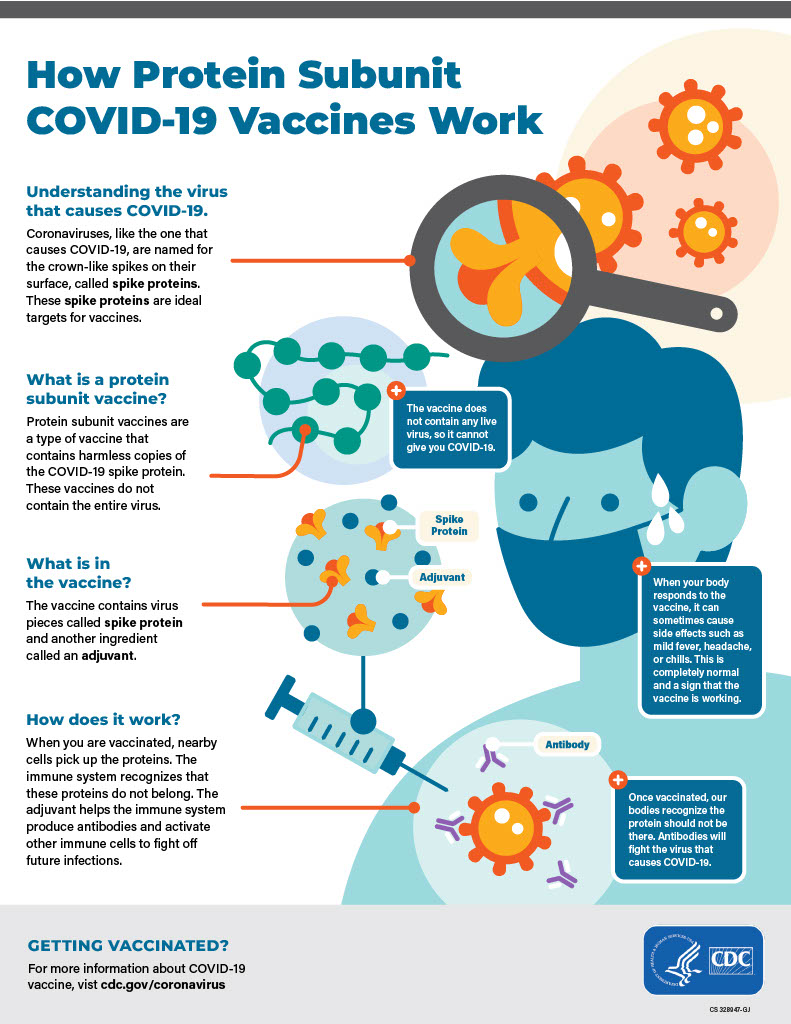
How Vaccination Protects Against Infectious and Chronic Diseases

In this post I remind you that infectious diseases can be mild but may lead to severe complications or chronic conditions. Trust in vaccines is essential, as their widespread use has drastically reduced the incidence of certain diseases. Recent measles outbreaks highlight the importance of vaccination efforts which are threatened by vaccine hesitancy.

When you or someone you love is sick with an infectious disease, you question how it was contracted, how long it takes to resolve, and how it could have been prevented.

Fortunately, many infectious diseases are self-limited, meaning they run a fairly predictable course and resolve with or without intervention. These include the common cold, influenza, gastroenteritis, and infectious mononucleosis.

But sometimes infections can cause severe complications or become prolonged illnesses that threaten life or cause long-term disability. We experienced this with SARS-CoV-2, the virus that causes COVID-19, causing millions to be hospitalized and die.

Influenza A infects humans and animals, making it easily spread and a pandemic risk.

Under the current administration, the Department of Health and Human Services, directed by Secretary Kennedy, prioritizes chronic diseases. And it should. According to the CDC, the leading causes of death in the United States are chronic illnesses and unintentional injuries.

But some chronic conditions start with an infection, such as cancers(due to HPV), acquired immune deficiency syndrome (AIDS), and chronic liver disease. And researchers expect to find more.

As the list of chronic diseases associated with long-term viral infection grows, experimental models suggest that chronic virus infection contributes to certain cancers, as well as to diabetes and atherosclerosis (hardening of the arteries). 

Emory University

That’s why I’m sharing advice from Dr. Anthony Fauci, who you probably remember from the COVID-19 pandemic. Long before that virus, he spent years working on the prevention and treatment of other serious viral diseases, including HIV/AIDS, Ebola, and SARS.

How the treatment options for HIV/AIDS have improved since 1987.

In this article published on the NIH website five years ago, Dr. Fauci explained the value of vaccination in preventing infections and his concern about widespread distrust in vaccine science.

December 4, 2019

Building Trust in Vaccines

By Anthony S. Fauci, M.D., (Former) Director,

NIH’s National Institute of Allergy and Infectious Diseases (NIAID)

Vaccine research reduces disease.

As the director of NIAID, I oversee biomedical research on novel and improved vaccines for infectious diseases- dengue, tuberculosis, malaria, influenza, respiratory syncytial virus (RSV), and HIV.

Daily, scientists are advancing research on vaccine technologies that we hope will reduce disease and save lives. Daily, misinformation is threatening to erode the public’s trust in vaccines.

As communicators, we must remind people that vaccination remains one of the best ways to protect ourselves, our families, and our communities from serious infectious diseases. 

Vaccine side effects are extremely rare.

The benefits of getting vaccinated outweigh the risks. But, with so many vaccine myths spreading online, some people are confused.

People often ask me why they need to get vaccinated against diseases they have never seen. For example, only five cases of diphtheria have been reported in the past decade.

I explain that decades of widespread vaccination are precisely why certain infectious diseases are so uncommon in the U.S(link is external).

The more people who get vaccinated, the harder it is for an infectious disease to spread. This is what scientists call  herd immunity.

Unfortunately, successful immunization programs may have diminished our sense of urgency to get vaccinated. People are less concerned about diseases such as polio or measles because most have not seen these debilitating illnesses.

Measles re-emerges when vaccination lags

Yet, recent outbreaks of measles in the U.S. illustrate how gaps in vaccination coverage can allow a highly contagious respiratory disease to spread quickly.

Thanks to widespread immunization, measles has not been endemic (constantly present) in the U.S. for more than 20 years. However, measles exists in other countries, and can come to the U.S. by travelers and then spread to unimmunized people.

It can be helpful to think of vaccines like seatbelts. Although we do not expect to be in an accident every time we drive a car, we still buckle up and strap our children in car seats.

Even though some vaccine-preventable diseases are uncommon in the U.S., it is important to continue recommended immunizations. The recent resurgence of measles is a tragic reminder of what happens when people decide not to vaccinate.

Effective vaccination programs can completely eradicate certain diseases. 

Smallpox, which killed an estimated 300 million people in the 20th century alone, was eradicated in 1980 thanks to an unprecedented immunization campaign that remains one of the world’s greatest public health achievements.

Influenza vaccine’s importance

Recently, I shared my flu shot experience to encourage people to get immunized (October 16, 2019)

As a public health official, I feel obliged to use every opportunity I have to emphasize the value of vaccination and dispel myths about vaccines. As I emphasize in the video, it is misguided on both a personal and community level to skip getting a flu shot.

Influenza can be a very serious illness. Even young, otherwise healthy people who become ill with influenza feel terrible and may miss days of work or school.

Some may even need to be hospitalized. According to the CDC, during the 2017-2018 influenza season, influenza caused an estimated 959,000 hospitalizations and 79,400 deaths in the U.S..

Studies show that flu vaccination can keep you from getting sick and can reduce your risk of flu-associated hospitalization should you become infected(link is external).

Not getting vaccinated also increases the risk of infection to vulnerable individuals in the community. We share a responsibility to protect not just ourselves, but our community from influenza.

Babies under six months of age and people with certain health conditions who cannot be vaccinated are better protected from influenza when the community has widespread vaccination coverage, thus reducing influenza transmission.

Vaccine safety testing

As we research new vaccine technologies, it is important to clearly explain the rigorous process by which vaccines are tested).

Vaccine candidates are first examined in the laboratory and advance to clinical trials only if they are safe in animals. In early-stage clinical trials, researchers test if the vaccine is safe and causes an immune response.

Then, they test the vaccine in large groups to see if it effectively prevents disease. Before granting a license, the FDA evaluates all data to ensure the vaccine’s benefits outweigh any potential side effects.

Additional measures are in place to monitor adverse events post-licensure.

As research advances our understanding of how to prevent and treat disease, we must continue to identify ways to increase the public’s trust in vaccines.

Vaccines can save lives, but only if people trust that they are safe and effective.

Republished from the NIH website, which is in the public domain. Edits done for clarity and length.

Dr. Fauci retired from the NIH in January 2023 after 50 years of service.

Post Images

I took the images in this post during a visit to the Smithsonian National Museum of Natural History in Washington, DC, in 2023. The pictures were part of a temporary exhibit, Outbreak: Epidemics in a Connected World.

Exploring the HEART of Health

I’d love for you to follow this blog and follow me on social media.

I share information and inspiration to help you transform challenges into opportunities for learning and growth.

Add your name to the subscribe box to be notified of new posts by email. Click the link to read the post and browse other content. It’s that simple. No spam.

I enjoy seeing who is new to Watercress Words. When you subscribe, I will visit your blog or website. Thanks and see you next time.

Dr. Aletha