
The Good Samaritans Fighting Ebola

For an update on the 2026 Ebola outbreak, follow this link;

Bundibugyo virus: Why this Ebola disease outbreak is different

The Ebola Epidemics 2014-2019

In 2014 the world watched as Africa grappled with a deadly Ebola epidemic as the virus swept through Liberia, infecting and killing scores of people, including healthcare workers.

In 2019 the Democratic Republic of the Congo (DRC) and Uganda experienced the second largest Ebola outbreak in history. It began in the DRC the previous year, then spread to Uganda, since the countries share a border and people travel freely between them.
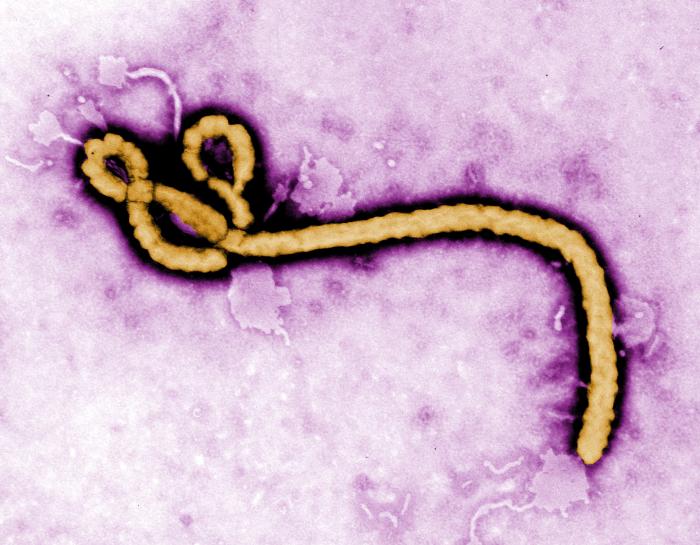
an electron image of the Ebola virus
this colorized transmission electron microscopic (TEM) image revealed some of the ultrastructural morphology displayed by an Ebola virus virion.
credit-CDC/ Frederick A. Murphy, microbiologist, public domain

The 2014 Liberian Epidemic

In 2014, the Ebola virus came to the United States when a volunteer physician working in Liberia contracted the virus and flew home for treatment, which proved successful. His illness and recovery from what is usually a fatal disease caught the world’s attention. Here is a summary of the dramatic story.

Dr. Kent Brantly -Physician and Patient

Dr. Kent Brantly awoke feeling ill- muscle aches, fever, sore throat, headache and nausea. As his condition progressively worsened to include difficulty breathing, he learned the cause of his illness- the Ebola virus. Having spent the past few weeks caring for patients caught up in the Ebola epidemic that swept Liberia in the spring of 2014, Dr. Brantly had contracted the disease himself and would likely die, as almost all victims do.

Dr. Brantly, a graduate of Indiana University’s School of Medicine, had volunteered to work at ELWA Hospital in Liberia, which was receiving aid from Samaritan’s Purse, an international relief organization. This hospital served as Monrovia’s Ebola treatment center, and Dr. Brantly headed the unit.

As his condition deteriorated, his physicians decided his only hope for recovery was use of an experimental drug, ZMapp, previously untested on humans. Since otherwise he was likely to die, he received the drug by infusion into a vein. By the next morning he felt well enough to arise from bed and shower. Unknown to him, thousands of people around the world had been praying for him.

During this time his colleague, nurse Nancy Writebol, was battling her own Ebola infection. She also was treated with ZMapp.

Samaritan’s Purse arranged for both of them to be evacuated to the United States. There, they could continue receiving supportive medical care, as well as allow infectious disease specialists to learn from their conditions. It also would relieve the workload on the doctors who continued to care for Ebola patients at ELWA.

Hear Dr. Brantly describe what it is like to be ill from the Ebola virus.

Called for Life: How Loving Our Neighbor Led Us into the Heart of the Ebola Epidemic.

(affiliate link)

Five years after contracting the deadly virus in Liberia, Dr. Brantly served at Mukinge Mission Hospital in Zambia. Read the story here-

Dr. Kent Brantly returns to Africa

It’s not a matter of not fearing. It’s a matter of choosing to have compassion despite fear.

Dr. Kent Brantly, christian chronicle.org

The Ebola Fighters

Dr. Brantly and hundreds of other professionals who treated Ebola victims in 2014, the “Ebola fighters”, were named Time magazine’s PERSON of the YEAR for 2014.

Ebola is a war, and a warning. The global health system is nowhere close to strong enough to keep us safe from infectious disease, and “us” means everyone, not just those in faraway places where this is one threat among many that claim lives every day. The rest of the world can sleep at night because a group of men and women are willing to stand and fight. 

Nancy Gibbs, TIME magazine
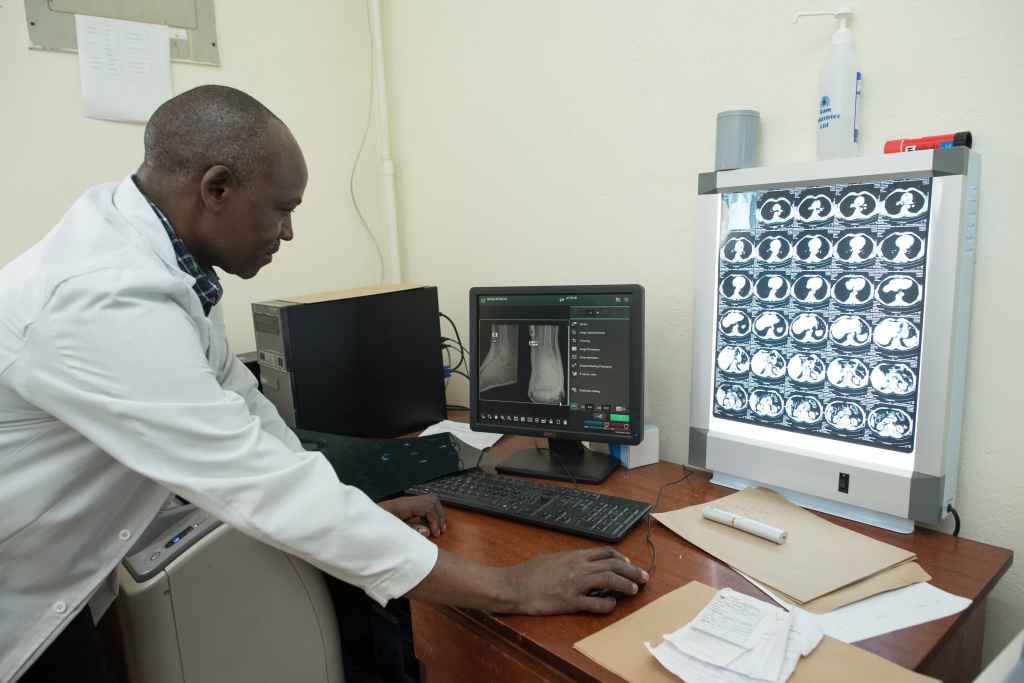
An African doctor viewing xrays and MRI image.
World Medical Mission branch of Samaritan’s Purse serves as a lifeline to dozens of mission hospitals by providing millions of dollars worth of critically needed equipment and supplies.

Samarita’s Purse

“The story of the Good Samaritan (Luke 10:30-37) gives a clear picture of God’s desire for us to help those in desperate need wherever we find them. After describing how the Samaritan rescued a hurting man whom others had passed by, Jesus told His hearers, “Go and do likewise.”

Samaritan’s Purse website

What happens when we stop to help-being a good Samaritan

“Who is your neighbor?” Jesus told the story of the good Samaritan to answer the question. The Parable (Story)  of the Good Samaritan  Luke chapter 10, NIV  Jesus said:  “A man was going down from Jerusalem to Jericho, when he was attacked by robbers. They stripped him of his clothes, beat him and went away, leaving him half dead.…

Keep reading

Exploring the HEART of health

Thank you for reading this post. Please follow this blog and me on social media.

I share information and inspiration to help you transform challenges into opportunities for learning and growth.

Add your name to the subscribe box to be notified of new posts by email. Click the link to read the post and browse other content. It’s that simple. No spam.

I enjoy seeing who is new to Watercress Words. When you subscribe, I will visit your blog or website. Thanks and see you next time.
Dr. Aletha

Your Period: What’s Normal, What’s Not

This post explains of abnormal menstrual bleeding. Most cases have a straight forward cause which can be determined by the history, examination, and appropriate testing. Most are treatable and not life threatening. However, don’t ignore this important symptom.

Abnormal menstrual bleeding is one of the most common problems that brings women to their physician. But what exactly is “normal”? When should you worry about your periods?

How Doctors Talk About Normal

Doctors use medical terms to describe abnormal bleeding-menorrhagia, metrorrhagia, even meno-metrorrhagia, which are imprecise and often misunderstood.

A current definition of abnormal menstrual bleeding is

bleeding from the uterus occurring outside pregnancy in reproductive-aged women that is abnormal in the parameters of regularity, frequency, volume, or duration

Anytime you are concerned about your bleeding, you should talk to your doctor. This information may help you describe your concerns to your doctor and understand what is “normal” for you.

What is Your Menstrual Cycle?

The Menstrual cycle is the length of time from the first day of a period until the next one starts; in other words, from day 1 to day minus 1. You can also think of this as the frequency-how often you have a period. Every 24 to 38 days is considered normal.

  • Infrequent->38 days
  • Normal 24-38 days
  • Frequent <24 days

The regularity of the menstrual cycle is how much the length varies over time, usually 12 months. Is it always 24 days, 28, 32? Or does it vary, sometimes 24, or sometimes 38? Either can be normal, but if your pattern suddenly changes, it may indicate something has happened.

  • Regular cycles vary by 2-20 days over 12 months
  • Irregular- cycles vary >20 days over 12 months

What is Your Menstrual Period?

The duration or length of your menstrual period is the number of days you bleed, no matter how much or how little. Again, what’s important is your usual pattern; for most women this stays consistent, so a change is usually noticed.

  • Short <4.5 days
  • Normal 4.5-8 days
  • Prolonged >8 days

How Heavy is Your Period?

The amount, or volume of a period is how much blood you lose. From 5-80 ml , or for Americans 1 teaspoon to 3 ounces, is considered normal although most of us find counting pads or tampons per day is easier to understand.

  • Light <5 ml
  • Normal 5-80 ml
  • Heavy >80 ml

Amenorrhea means no bleeding for 90 or more days. Once a woman has not had bleeding for 12 months, this is menopause. (This does not apply if she stops bleeding because her uterus is removed, a hysterectomy. Menopause is defined differently in that case. )

What Causes Abnormal Menstrual Bleeding?

  • Using some form of hormonal birth control
  • Recent pregnancy
  • Breast feeding
  • Vigorous or intense physical activity
  • Serious illness, injury, or surgery
  • Starvation
  • Peri-menopause (the months prior to menopause)

If you doctor determines that your bleeding is “abnormal” she may evaluate you for the common causes-

  • complications of pregnancy-miscarriage, ectopic pregnancy
  • uterine fibroid tumors-leimyomata
  • cervical or uterine cancer
  • bleeding disorders
  • hormone dysfunction, including PCOS (polycystic ovarian syndrome)

Most cases of abnormal bleeding have a straight forward cause which can be determined by the history, examination, and appropriate testing. Most are treatable and not life threatening. However, since a few cases will be due to cancer, don’t ignore this important symptom.

Where to learn more about menstruation

Familydoctor.org offers this easy-to-understand outline of the causes and treatment of abnormal bleeding.

Abnormal Uterine Bleeding

Información en español – from the CDC

Acerca del sangrado menstrual abundante

Keep Track of Your Periods

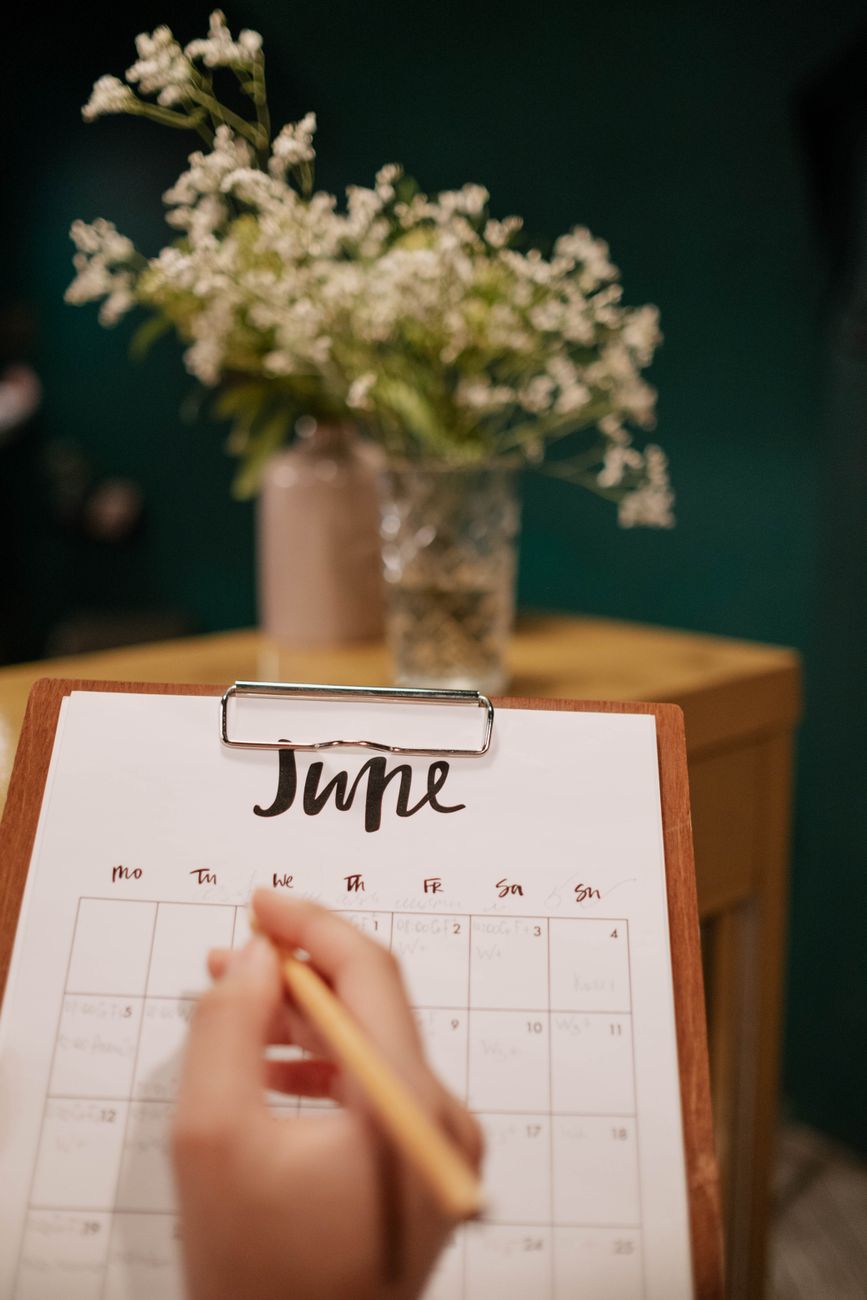
You can use any blank paper or digital calendar to keep track of your periods but digital apps are a convenient way to keep track of your periods.

Flo Period & Ovulation Tracker

It’s a smart and simple female period tracker, helpful pregnancy week by week app, accurate ovulation and fertility calendar and PMS symptoms tracker for women all over the world. Flo Period Tracker not only tracks your period accurately, but it’s also a reliable pregnancy calculator, ovulation calendar, and true fertility friend for you. It’s the first period app, pregnancy calculator, fertility and ovulation calendar for women that uses machine learning (AI). All women, even those with irregular periods, can rely on this health tracker. Log your menstruation days in a handy period calendar, ovulation and fertility tracker, schedule menstrual cycle reminders, record moods and PMS symptoms, use a due date calculator, follow a pregnancy calendar and take full control of your health.

However you do it, take your menstrual record with you every time you visit your doctor.

Exploring the HEART of Health

Thank you for reading this post. Please follow this blog and me on social media.

I share information and inspiration to help you transform challenges into opportunities for learning and growth.

Add your name to the subscribe box to be notified of new posts by email. Click the link to read the post and browse other content. It’s that simple. No spam.

I enjoy seeing who is new to Watercress Words. When you subscribe, I will visit your blog or website. Thanks and see you next time.

Dr. Aletha