
This information was current as of the date of publication and will be updated as changes occur.
Since taking office, President Trump has signed more executive orders than any other president in history in such a short time. Only President Biden and President Truman issued more than 40 executive orders in their first 100 days in office.
If you are wondering what effect these orders have on health care, you are not alone. Professionals in all facets of healthcare are wondering too. And at this point, none of them know for sure.
A place to start understanding what these changes mean is to understand the federal government’s role in healthcare. We all live under it, but may not understand how it works.
I am publishing a series of posts based on Congress and the Executive Branch and Health Policy by Julie Jovner at KFF, an independent source for health policy research, polling, and news, an endowed national nonprofit organization.
Ms. Jovner explains how the three branches of government work together, why the Department of Health and Human Services (and therefore its Secretary) is so important, and the budgeting and regulation processes.
This series is nonpartisan and objective. I made minimal edits to improve readability but retain meaning. I insert comments in parentheses to explain unfamiliar terms.
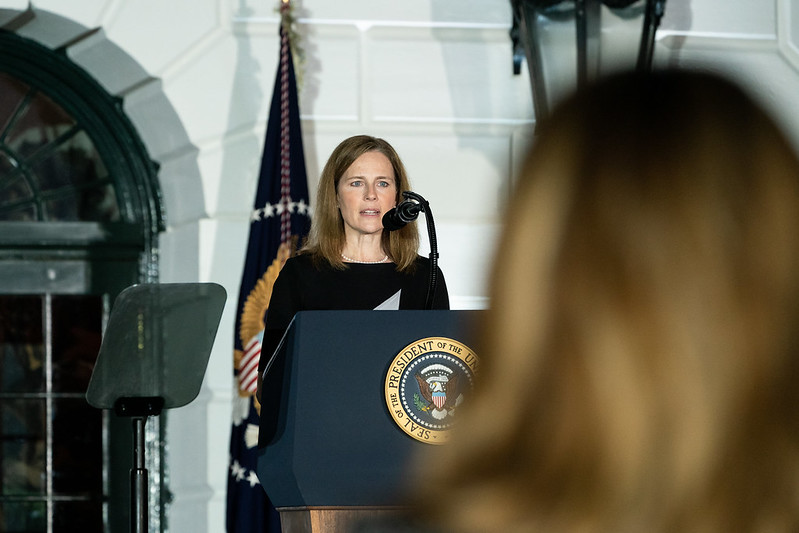
The photos are for illustration only and do not appear on the KFF article.
Congress and the Executive Branch and Health Policy
The federal government is not the only place health policy is made in the U.S., but it is by far the most influential. Of the $4.5 trillion the U.S. spent on health in 2022, the federal government was responsible for roughly a third of all health services.
The payment and coverage policies set for the Medicare program often serve as a model for the private sector. Many health programs at the state and local levels are also impacted by federal health policy, either through direct spending or rules and requirements.
Federal health policy is primarily guided by Congress, but carried out by the executive branch, predominantly by the Department of Health and Human Services, HHS.
The Federal Role in Health Policy
No one is “in charge” of the fragmented U.S. health system, but the federal government probably has the most influence, a role that has grown over the last 75 years. Today the federal government pays for care, provides it, regulates it, and sponsors biomedical research and medical training.
The federal government pays for health coverage for well over 100 million Americans through Medicare, Medicaid, the Children’s Health Insurance Program (CHIP), the Veterans’ Health Administration, the Indian Health Service, and the Affordable Care Act (ACA). It also pays to help provide insurance coverage for tens of millions who are active-duty and retired military and for civilian federal workers.
Federal taxpayers also underwrite billions of dollars in health research, mainly through the National Institutes of Health (NIH) and the Agency for Healthcare Research and Quality (AHRQ).

Federal public health policy is spearheaded by the Centers for Disease Control and Prevention. Its portfolio includes tracking not just infectious disease outbreaks in the U.S. and worldwide, but also conducting and sponsoring public health research and tracking national health statistics.

The Health Resources and Services Administration (HRSA) funds critical health programs for underserved Americans (including Community Health Centers) and runs workforce education programs to bring more health services to places without enough health care providers.
Meanwhile, in addition to overseeing the nation’s largest health programs, the Centers for Medicare and Medicaid Services (CMS) also operates the federal insurance Marketplaces created by the ACA (Affordable Care Act, also called ObamaCare ) and enforces rules made by the law for private insurance policies.
State and Local Government Roles
While the federal government exercises significant authority over medical care and its practice and distribution, state and local governments still have key roles to play.
States oversee the licensing of health care professionals, distribution of health care resources, and regulation of health insurance plans that are not underwritten by employers themselves. State and local governments share responsibility for most public health activities and often operate safety-net facilities in areas with shortages of medical resources.
The Three Branches of Government and How They Impact Health Policy
All three branches of the federal government – Congress, the executive branch, and the judiciary – play important roles in health policy.
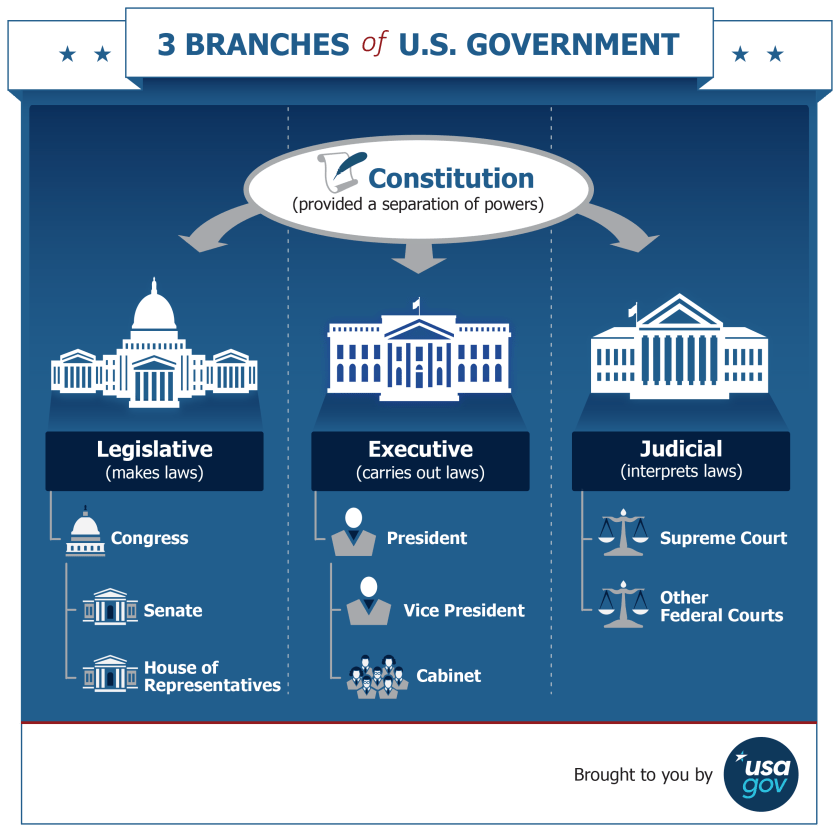
Congress
- makes laws that create new programs or modify existing ones. It also
- conducts “oversight” of how the executive branch implements the laws Congress has passed.
- sets the budget for “discretionary” and “mandatory” health programs and provides those dollar amounts.
Executive Branch
The executive branch carries out the laws made by Congress and operates the federal health programs, often filling in details Congress has left out through rules and regulations.
Federal workers in the health arena may
- provide direct patient care,
- regulate how others provide care,
- set payment rates and policies,
- conduct medical or health systems research,
- regulate products sold by the private sector, and
- manage the billions of dollars the federal government spends on the health-industrial complex.
The Judiciary
Historically, the judiciary has had the smallest role in health policy but has played a pivotal role in recent cases. It passes judgment on how or whether certain laws or policies can be carried out and settles disputes between the federal government, individuals, states, and private companies over how health care is regulated and delivered.

Recent significant decisions from the Supreme Court have affected the legality and availability of abortion and other reproductive health services and the constitutionality of major portions of the ACA.
The Executive Branch – The White House
Although most of the executive branch’s health policies are implemented by the Department of Health and Human Services (and to a smaller extent, the Departments of Labor and Justice), over the past several decades the White House itself has taken on a more prominent role in policy formation.
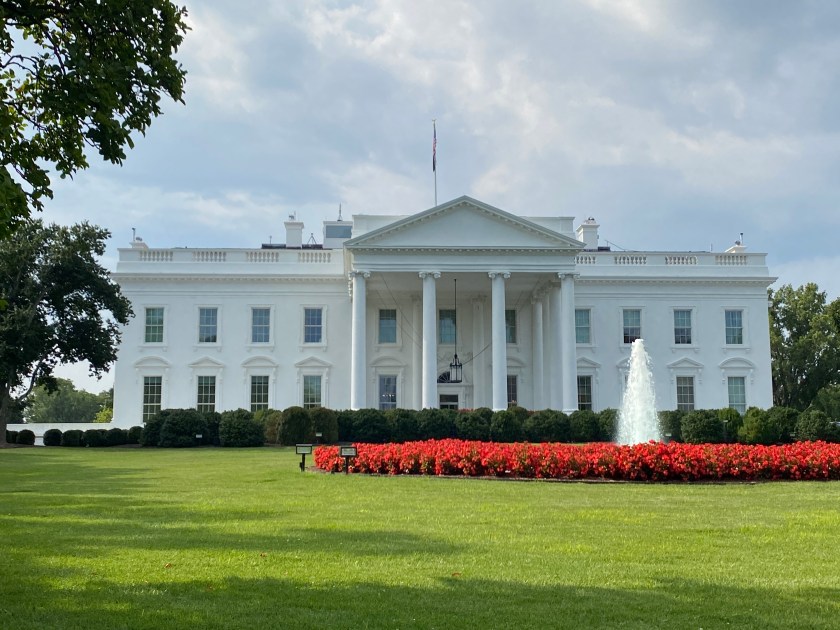
The White House Office of Management and Budget not only coordinates the annual funding requests for the entire executive branch, but it also reviews and approves proposed regulations, Congressional testimony, and policy recommendations from the various departments.
The White House also has its own policy support agencies – including the National Security Council, the National Economic Council, the Domestic Policy Council, and the Council of Economic Advisors, that augment what the President receives from other portions of the executive branch.
Rovner, J., Congress, the Executive Branch, and Health Policy. In Altman, Drew (Editor), Health Policy 101, (KFF, January 2025) https://www.kff.org/health-policy-101-congress-and-the-executive-branch-and-health-policy/ (February 4, 2025)
Coming next -HHS
In the next post, we will look closer at the role of the White House (the President) and the Department of HHS (the cabinet Secretary) as explained in the KFF article.
Exploring the HEART of Health
Thanks for your interest in learning more about our government and healthcare. It may not be the most exciting topic, but it is vitally important.
I’d love for you to follow this blog. I share information and inspiration to help you transform challenges into opportunities for learning and growth.
Add your name to the subscribe box to be notified of new posts by email. Click the link to read the post and browse other content. It’s that simple. No spam.
I enjoy seeing who is new to Watercress Words. When you subscribe, I will visit your blog or website. Thanks and see you next time.
Dr. Aletha
- About Dr. Aletha
- How to Use this Site
- Make Your Life Easier
- Search by Category
- Share the HEART of health
- my Reader Rewards Club
- RoboForm Password Manager

 watercress words by Dr Aletha