Voting on Life, Liberty, and the Pursuit of Health Care

The post emphasizes the U.S. healthcare system’s strengths, highlighting the significant role of government funding, accounting for 40% of healthcare expenses. It discusses major programs like Medicare and Medicaid, which together cover 30% of Americans. I suggest appreciation for healthcare workers and accountability from elected officials in promoting public welfare.

updated November 1, 2026

I believe we have one of the best healthcare systems in the world because of the people who work in healthcare, the people who devote years to education and training and work tirelessly 365 days a year, 24 hours a day to keep us well.  Their commitment, compassion, dedication and competence benefits all of us and deserves our gratitude.

Statue of Liberty
Lady Liberty lifting her torch in New York harbor


Even though the United States does not officially have “socialized” health care, a large proportion of our medical care is funded by the federal government. Even though I know that, I was still surprised by statistics in a recent article, which stated that  the federal government accounts for

40% of healthcare  spending

$1.3 trillion /year

Covering 100 million individuals

Through 4 federal agencies

Department of Health and Human Services 

Department of Defense

Veterans Administration

Department  of Homeland Security

(JAMA (Journal of the American Medical Association), June 21, 2016)


The  United States Congress passed the Patient Protection and Affordable Care Act (ACA) in 2010 to guarantee basic health insurance to all citizens.  People who oppose the ACA ,aka Obama Care, dislike or even fear government involvement in medical care; they consider it interference, control, or even nationalization of the United States healthcare system.

I think many people, even physicians, don’t realize or forget, how involved the government already is in healthcare. As far back as the American Revolution the fledgling government extended health care benefits to the soldiers and veterans of that war; that system evolved into the current military health care system which covers service members and the Veterans’ Administration system for veterans.


a Veterans Administration clinic
a Veterans Administration clinic (photo by blogger)
American soldiers serving in Afghanistan

This year marked the 50th anniversary of two other government healthcare programs- Medicare and Medicaid.

Medicaid provides insurance coverage for adults and children who are unemployed or low income.  

Medicare covers disabled children and adults  and persons 65 years and older.

The numbers are rather staggering.

  • Together these programs cover at least 30% of Americans.
  • Together they comprise 25% of all federal spending.
  • Together they pay 40% of total U.S. health care spending.

An infographic from the Kaiser Family Foundation and JAMA explains this further.

Disabled children and adults may qualify for Medicare.
Children may be eligible for Medicaid if their families cannot obtain health insurance for them.

You may not be eligible for either of these programs now, but chances are eventually you or someone close to you will.

  • Anyone can become disabled from a serious illness or freak accident.
  • You or your spouse may lose your job and your employer sponsored health insurance.
  • Your child may have a disability that will prevent them from working when they grow up.
  • We may all live long enough to qualify for Medicare on the basis of age alone.  Your parents or grandparents are near or already at Medicare age.
Senior adults age 65 and older use Medicare.

It’s important to understand how Medicare works, since it’s not automatic; even if you qualify, you need to sign up to be covered (with a few exceptions). The rules are summarized here. Or consider an easy to understand book here. 


Agencies that regulate, monitor, and support  both public and private healthcare

Food and Drug Administration- FDA

Centers for Disease Control and Prevention- CDC

National Institutes of Health- NIH

Occupational Safety and Health administration-OSHA

Drug Enforcement Agency-DEA

medication capsules
The FDA regulates the development and sale of medications and medical devices and the DEA regulates dangerous and controlled drugs.

Important laws govern health care

The Affordable Care Act- ACA

Health Insurance Portability and Accountability Act-HIPPA

Emergency Medical Treatment and Labor Act- EMTALA

Health Information Technology  for Economic and Clinical Health- HITECH

Americans with Disabilities Act-ADA

Family Medical Leave Act-FMLA


air ambulance landing at a hospital
EMTALA requires all hospitals to offer emergency treatment to any patient who arrives, regardless of ability to pay for that care


In the Declaration of Independence, the founders of the United States created a nation based on the “self-evident truths”  of  “Life ,Liberty, and the pursuit of Happiness” as well as  to promote “Safety and Happiness”. 

In the Constitution, they vowed to “promote the general Welfare”.

It’s up to us to make sure our elected officials live up to that promise.

Exploring the HEART of Health

Thank you for reading this post. I strive to make them worth your time.

I share information and inspiration kindling transformation in your body, mind, and spirit.

You can follow this blog in two easy ways. One is to put your email address into the box below.

Another way is to follow me on Facebook, where I share new posts, timely topics, photos, and an occasional cartoon.

Watercress Words by Dr. Aletha

Dr. Aletha


Life, Liberty, and the Pursuit of Health Care

update January 1, 2026

Since writing this post almost 10 years ago, I have done several updates and related posts. I recommend you read this more recent version and the one that follows. Keep exploring the Heart of health.

from 1776 to 2020-a vision for a “more perfect Union”

The United States’ healthcare system combines public health efforts with mostly private delivery of health care. Usually they coexist side by side with some but infrequent interaction. The public health emergency created by the pandemic forced them into a “union” that quickly became politicized, and unfortunately diminished the effectiveness of the response.

Keep reading

Even though the United States does not officially have “socialized” health care, a large proportion of our medical care is funded by the federal government. Even though I know that, I was still surprised by statistics in a recent article, which stated that  the federal government accounts for

  • 40% of healthcare  spending
  • $1.3 trillion /year

(stats from 2016)

Through 4 federal agencies

  • Department of Health and Human Services 
  • Department of Defense
  • Veterans Administration
  • Department  of Homeland Security

(JAMA (Journal of the American Medical Association), June 21, 2016)

The  United States Congress passed the Patient Protection and Affordable Care Act (ACA) in 2010 to guarantee basic health insurance to all citizens.  People who oppose the ACA ,aka Obama Care, dislike or even fear government involvement in medical care; they consider it interference, control, or even nationalization of the United States healthcare system.

a Veterans Administration clinic
a Veterans Administration clinic (photo by Dr. Aletha)

I think many people, even physicians, don’t realize or forget, how involved the government already is in healthcare. As far back as the American Revolution the fledgling government extended health care benefits to the soldiers and veterans of that war; that system evolved into the current military health care system which covers service members and the Veterans’ Administration system for veterans.

American soldiers serving in Afghanistan

2015 marked the 50th anniversary of two other government healthcare programs- Medicare and Medicaid.

Medicaid provides insurance coverage for adults and children who are unemployed or low income.

Medicare covers disabled children and adults  and persons 65 years and older.

wheelchair-749985_1280
Disabled children and adults may qualify for Medicare.

The numbers are rather staggering.

  • Together these programs cover at least 30% of Americans.
  • Together they comprise 25% of all federal spending.
  • Together they pay 40% of total U.S. health care spending.

An infographic from the Kaiser Family Foundation and JAMA explains this further.

hospital-79605_1280
Children may be eligible for Medicaid if their families cannot obtain health insurance for them.

You may not be eligible for either of these programs now, but chances are eventually you or someone close to you will.

  • Anyone can become disabled from a serious illness or freak accident.
  • You or your spouse may lose your job and your employer sponsored health insurance.
  • Your child may have a disability that will prevent them from working when they grow up.
  • We may all live long enough to qualify for Medicare on the basis of age alone.  Your parents or grandparents are near or already at Medicare age.
Senior adults age 65 and older use Medicare.

It’s important to understand how Medicare works, since it’s not automatic; even if you qualify, you need to sign up to be covered (with a few exceptions). The rules are summarized here. Or consider an easy to understand book here. 

Several government agencies regulate, monitor, promote and/or support  both public and private healthcare through the Deparment of Health and Human Services and other agencies.

Food and Drug Administration- FDA
Centers for Disease Control and Prevention- CDC
National Institutes of Health- NIH
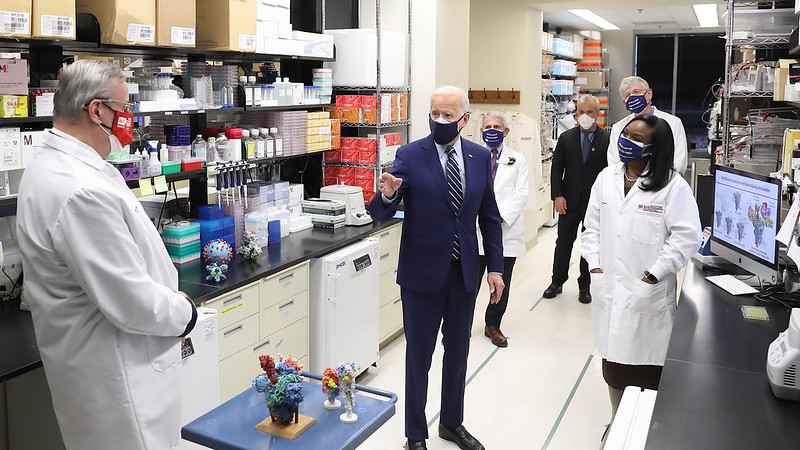
President Joe Biden visited the NIH
Occupational Safety and Health administration-OSHA
Drug Enforcement Agency-DEA

Congressional laws that regulate health care

 The Affordable Care Act- ACA
Health Insurance Portability and Accountability Act-HIPPA
Emergency Medical Treatment and Labor Act- EMTALA
Health Information Technology  for Economic and Clinical Health- HITECH
Americans with Disabilities Act-ADA
Family Medical Leave Act-FMLA

LIFE, LIBERTY AND THE PURSUIT OF HEALTHCARE

Sharing the HEART of health

In the Declaration of Independence, the founders of the United States created a nation based on the “self-evident truths”  of  “Life ,Liberty, and the pursuit of Happiness” as well as to promote “Safety and Happiness” . 

In the Constitution they vowed to “promote the general Welfare”.

I wonder if they envisioned that government would eventually spend so much timet and money providing and regulating health care, most of which was not imagined at that time? 

Thank you for reading this post. I strive to make them worth your time.

I share information and inspiration kindling transformation in your body, mind, and spirit.

You can follow this blog in two easy ways. One is to put your email address into the box below.

Another way is to follow me on Facebook, where I share new posts, timely topics, photos, and an occasional cartoon.

Watercress Words by Dr. Aletha

Dr. Aletha

Expert Predictions about 2026 Health Policy

In this post I review some 2026 healthcare predictions for likely continuation of partisan gridlock, minimal congressional action, and increased focus on health care affordability amid midterm elections. Key issues to watch include ACA enrollment responses, Medicaid work requirements, rising insurance costs, and the impact of AI on consumer health care navigation.