THE MUTANT PROJECT
Inside the global race to genetically modify humans
By Eben Kirksey
If this were the title of a fiction book, you might expect the main characters to be brilliant but misguided scientists, funded by biotech start-ups who see potential for massive profits by developing methods to manipulate human DNA. The applications of such technology for the treatment of genetic diseases, cancers, and viral infections could be worth billions of dollars.


At the same time, some of the more entrepreneurial see the potential for using genetic modification to selectively breed desirable and profitable human traits-high IQ, increased muscle mass, or designer skin color, and enhanced fertility, including choosing the gender of babies.
You would be right except The Mutant Project is not fiction; it is based on facts, meticulously researched by Eben Kirksey, Ph.D. In this book, Dr. Kirksey chronicles his travels around the world as he learned about genetic modification using CRISPR by interviewing multiple scientists and investors who were involved in the first genetically edited babies born in 2018.
The Mutant Timeline
One does not need a graduate degree in genetics to understand this book, although I am sure it would help. But here are some basic facts that introduce the book.
1818
Mary Shelley wrote Frankenstein, the world’s first science fiction book, about a young researcher who produces a creature with superhuman powers.


1901
Hugo de Vries wrote The Mutation Theory, about foundational ideas about genetic variation


1953
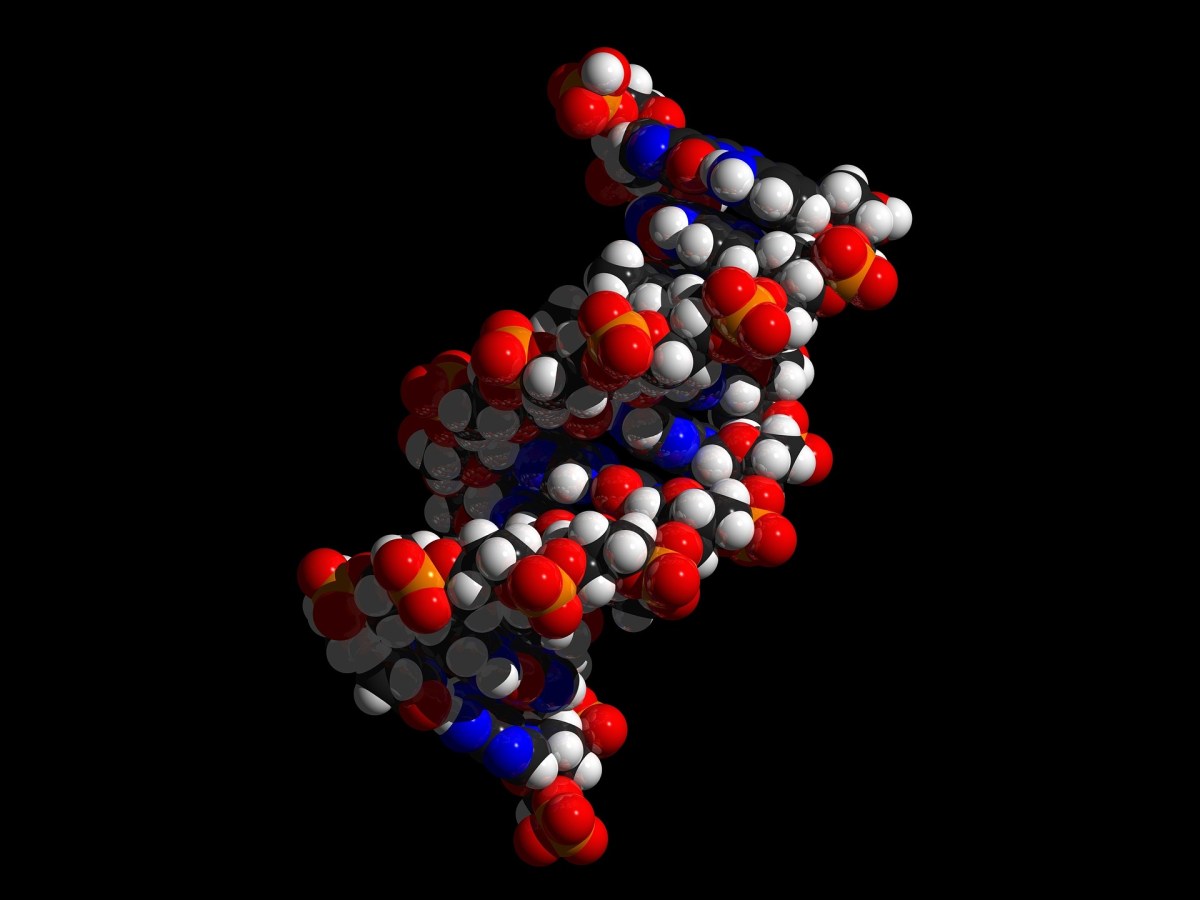
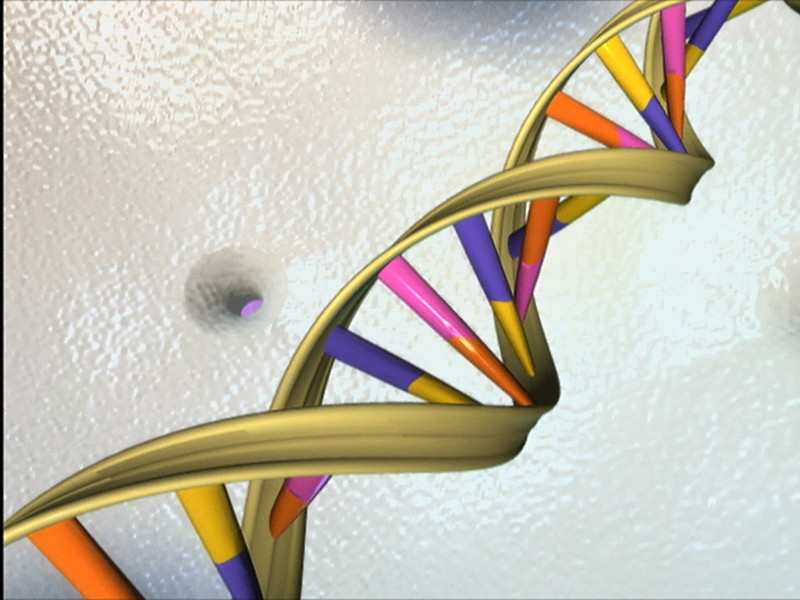
Watson and Crick are credited with discovering the DNA’s double helix structure
1978
Louise Brown is born, the world’s first “test-tube” baby
1987
CRISPR, short for “clustered regularly interspaced short palindromic repeats”, were first discovered in the sequences of DNA from Escherichia coli bacteria and described in 1987 by Ishino et al. [1] from Osaka University (Japan)
2000
President Bill Clinton announces preliminary findings from the Human Genome Project.
2016
The first CRISPR clinical trial in the United States secures government approval
2016
The China National GeneBank opens, with a goal to collect DNA from every human on earth
CRISPR
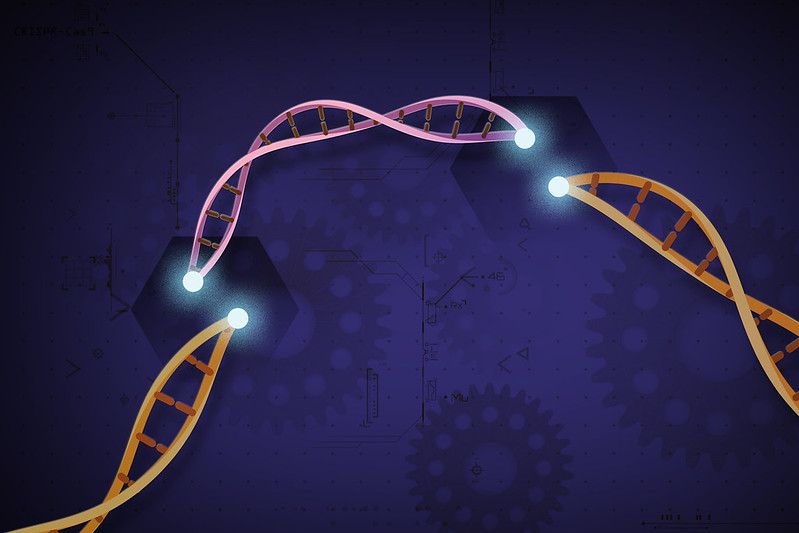
CRISPR, “clustered interspaced short palindromic repeats” was discovered in bacteria in 1987, its purpose initially unknown. By 2012 scientists Jennifer Doudna and Emmanuelle Charpentier demonstrated how to modify human DNA with CRISPR. It is an enzyme that can “generate mutants by chopping up DNA.”

Even though Dr. Kirksey is reporting as a journalist, he makes it clear that he agrees with those who feel this technology must be approached cautiously, as there is a clear risk that “biotech companies may put profits ahead of patients.”
Genetically modified babies
The chief protagonist of this saga is Dr. Jiankui He of China, the physician-scientist responsible for modifying two embryos and creating the first edited babies in the world, twin girls born in China in October 2018. He believed he had assured his place in history by using CRISPR to make these embryos resistant to HIV (human immunodeficiency virus).
Such a technique could change the world, potentially making all humans resistant to this infectious disease which is deadly without treatment. How Dr. He went from “powerful scientific entrepreneur to pariah” within a few short years is both riveting and disappointing.
This story moves at a rapid pace as the author traveled around the world attending lectures and interviewing multiple people in varied locations; I suggest not laying the book aside once you start, as I found it easy to get lost. A background in basic biology is helpful but not necessary to enjoy this book, since the ethical and moral issues it raises go beyond the realm of science.
Appropriately, the book is dedicated to the twin girls, Lulu and Nana, who live in China with their parents and are reported to be healthy.
Thanks to St. Martin’s Press and NetGalley for a digital galley copy in exchange for my honest review.
also by Dr. Kirksey
Emergent Ecologies


And if you enjoy video
Human Nature-documentary movie
Human Nature is a provocative exploration of CRISPR’s far-reaching implications, through the families it’s affecting, and the bioengineers who are testing its limits. How will this new power change our relationship with nature? What will it mean for human evolution? To answer these questions we must look back billions of years and peer into an uncertain future.
available on Amazon Prime, affiliate link.
Unnatural Selection-documentary television series
From eradicating disease to selecting a child’s traits, gene editing gives humans the chance to hack biology. Meet the real people behind the science.
available on Netflix
exploring the HEART of health and genetics
I hope you will consider reading Dr. Kirksey’s book and watching some of the videos. The medical sciences are finding more and more uses for genetics, for example, the mRNA vaccines developed to prevent COVID-19 infection. As Dr. Kirksey described in the book, there are significant ethical implications that bear watching.
I’d love for you to follow this blog. I share information and inspiration to help you transform challenges into opportunities for learning and growth.
Add your name to the subscribe box to be notified of new posts by email. Click the link to read the post and browse other content. It’s that simple. No spam.
I enjoy seeing who is new to Watercress Words. When you subscribe, I will visit your blog or website. Thanks and see you next time.

 watercress words by Dr Aletha