How to manage food allergy with confidence

Up to 10% of the population have true food allergy, while 50-90% of people who believe they have food allergy may not. An accurate diagnosis is important so the condition can be managed properly when appropriate, but not needlessly..

One of the most informative lectures I heard recently was about food allergy, a common problem that patients and even physicians don’t always understand.

I welcomed the chance to hear from an expert to help me counsel my patients. I also have a personal interest since my grandson has food allergies; when he visits me, I have to be careful not to feed him foods he may react to.

The speaker, Kirsten Bennett, Ph.D. is a registered dietitian (RD) who specializes in counseling patients with food allergies. She presented data from research studies as well as from her clinical practice, and I’m sharing some of what she said with you.
How to manage food allergy with confidence-watercresswords.com


What is food allergy?

You may assume that any symptom due to eating a food is an allergy but there are many ways food can make us sick, including allergy, intolerance, toxic effects, and infection.

Dr. Bennett explained the difference between food allergy and food intolerance. (The other two will not be discussed here)

Allergy– is immune-mediated, meaning the immune system produces and releases antibodies after exposure to a food; celiac disease is due to food allergy.

Intolerance– does not involve the immune system, no antibodies are produced; this occurs in lactose intolerance.

Some foods such as wheat and milk can cause both allergy and intolerance.

cup of milk, plate of bread
Milk and wheat can cause allergy and intolerance.

So how do you know the difference? You can’t, without an appropriate medical evaluation, so it is important to see a physician if you suspect a food allergy.

Up to 10% of the population have true food allergy, while 50-90% of people who believe they have food allergy may not. An accurate diagnosis is important so the condition can be managed properly when appropriate, but not needlessly.

What causes food allergy?

The BIG 8 cause 90% of food allergy. These are

  1. Milk
  2. egg
  3. peanut
  4. fish
  5. shellfish
  6. soy
  7. wheat
  8. tree nut


Symptoms of food allergy

Almost any symptom can occur with allergy but the most common are

  • Rash with or without itching
  • Swelling of the face, lips, eyes
  • Watery, itchy eyes
  • Nasal drainage and/or congestion
  • Hoarse voice
  • Cough, wheezing, difficulty breathing
  • Nausea, vomiting, diarrhea
  • Dizziness, fainting
  • Low blood pressure, fast heart beat
  • Feeling of “impending doom”


How to diagnose food allergy

Although blood and skin testing may be helpful, the history is the first and most important step to identify food allergy. The evaluation may start with the answers to these 9 questions-

  • What are the symptoms?
  • What food was eaten that may have caused the symptoms and was it eaten before?
  • How much of the food was eaten?
  • Was the suspect food cooked or raw?
  • Has the food ever been eaten without symptoms?
  • Was else was the person doing or ingesting at the same time, such as exercise, medications, etc.?
  • Have the symptoms occurred without eating the food?
  • How were the symptoms treated and how long did they last?

What You Need to Know About Diagnostic Allergy Testing

by David Stukus, MD,Assistant Professor of Pediatrics in the Section of Allergy/Immunology at Nationwide Children’s Hospital, in Columbus Ohio.


Goals in  managing food allergies

Allow the child (or adult) to live as normal a life as possible while avoiding foods that might cause allergic symptoms.

The fear of a serious food allergic reaction can cause a family to forgo normal activities and keep a child isolated. Dr. Bennett suggested these tactics to minimize food allergy anxiety.

Family of 4 sitting at a dining table.
Read food labels carefully to avoid inadvertently eating foods that cause allergy.

At home 

  • Cook as a family ; Learn how to cook meat and other protein foods
  • Take children grocery shopping and engage them in food selection
  • Use at least 3 elements of the plate model for meal planning
  • Gather together and celebrate food and eating together
  • Practice manners and table talk
  • Make the home kitchen a safe sanctuary
  • Enjoy the food journey

Travel

  • Take foods along that are safe
  • Identify possible allergy risks in travel itinerary -Restaurants

At school 

  • What does the school staff and administration know about food allergies?
  • Start a conversation Provide reference materials or community resources
  • Create a plan for inclusion
  • Partner with the school
  • Universal supports for all children

Find more Tips for Maintaining a Healthy Lifestyle from Kids With Food Allergies.org


Be prepared for an emergency allergic reaction.

Anaphylaxis

The greatest danger of any allergy is anaphylaxis, a life-threatening allergic reaction that impairs breathing and heart function.
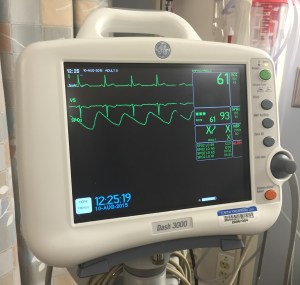
a heart monitor showing a heart tracing EKG
Minutes matter with allergy emergencies

Anyone who cares for a person with food allergy needs to know what to do in case of a reaction. Schools and work places should have a plan for dealing with such emergencies.

Create and Maintain an Action Plan for school/work-

Develop an individualized Health Care Plan  – which includes strategies for food avoidance as well as an Emergency Action Plan with specific actions to be taken in the event of accidental or purposeful ingestion of the allergenic food.

Maintain a current and backup supply of emergency medication

  • Epinephrine (Injectable)
  • antihistamine

Document specific instruction on transport to ER/ED (emergency room) for follow-up care
Emergency medications and plan need to be accessible at all times.


exploring the HEART of food allergy

I also addressed food allergy in this book review post.
Food Without Fear- a book about food allergy

The book “Food Without Fear” by Dr. Ruchi Gupta addresses food allergies, intolerances, and sensitivities. It covers topics such as the food reaction spectrum, the top food allergens, and managing food allergies in different settings. It also provides comprehensive resources and explores using epinephrine in allergy emergencies. The book aims to help individuals understand and…

Keep reading
Dr. Aletha

Healthy Holiday Eating: Practical Management Tips

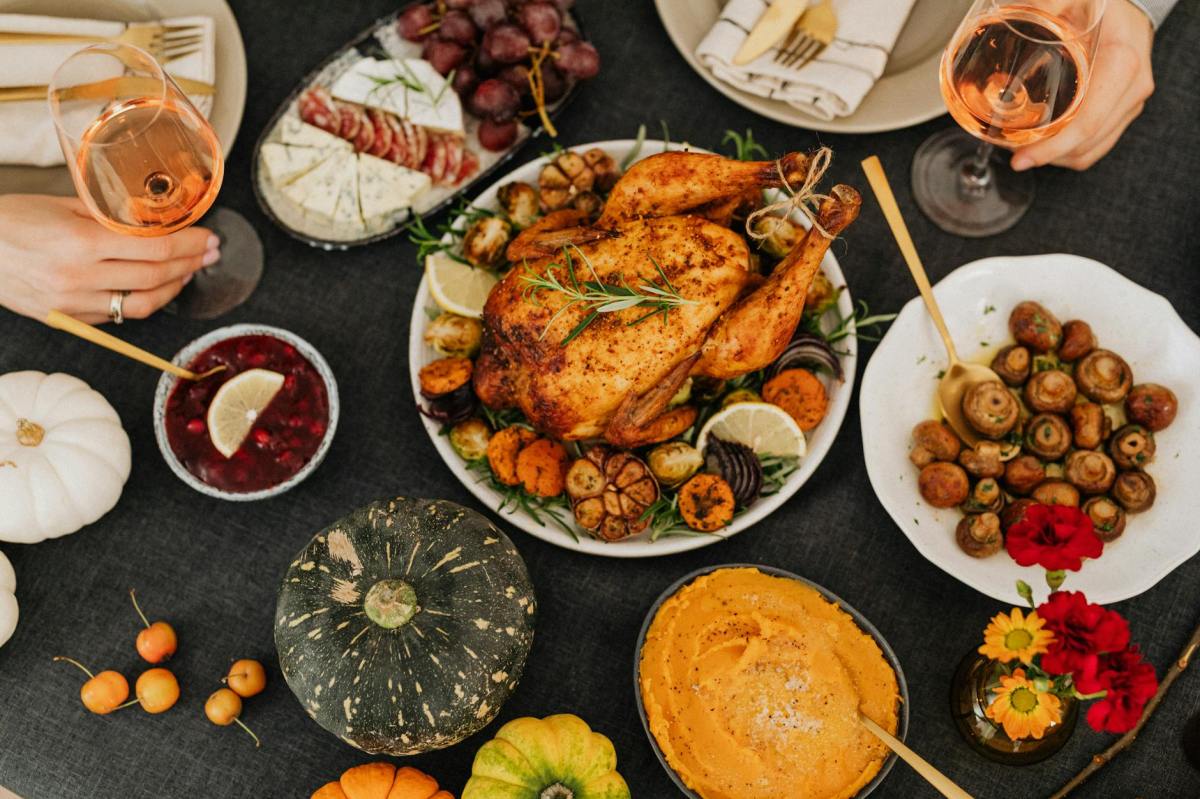
This post shares how holiday foods like marshmallows and eggnog, appear in traditions and songs. Holiday foods can challenge nutritional management of multiple health conditions. Here are practical tips for planning meals to accommodate dietary needs, while offering insights on healthy eating and managing sobriety during festivities. Ultimately, we can celebrate human connections over food.

What do marshmallows, pumpkins, eggnog, popcorn, and pears have in common?

They are foods associated with holiday recipes, and they’re mentioned in songs about Christmas. You’ll also recognize less everyday foods like chestnuts, figgy pudding, collard greens, and wassail.

Recipes from Holiday Carols 

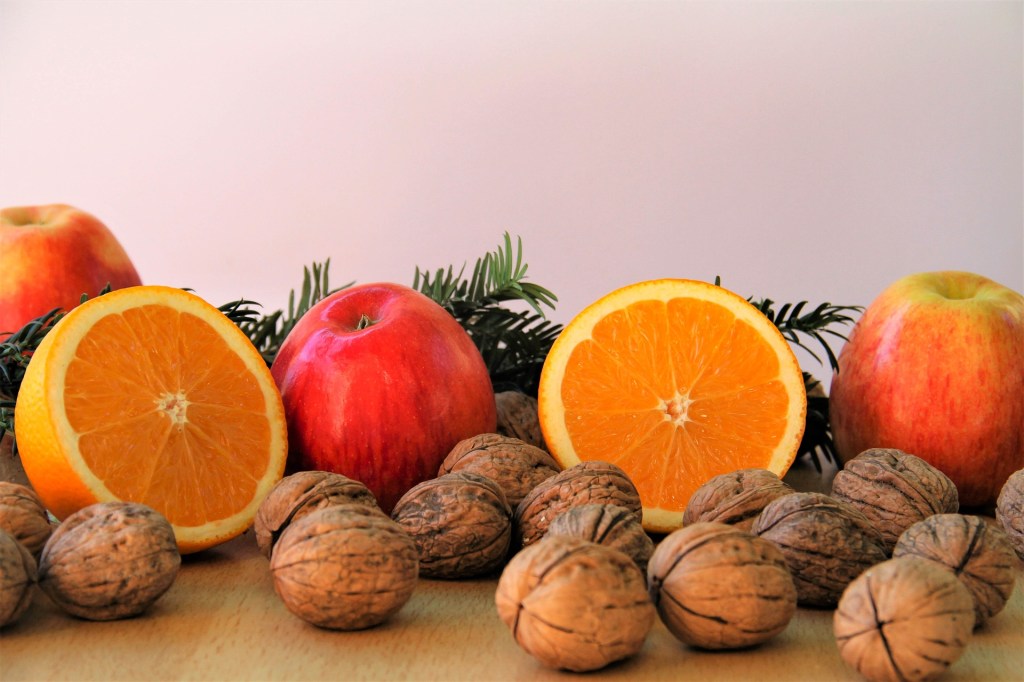
sliced orange, orange with cloves

We enjoy holiday traditions of eating and drinking special foods and beverages; we even sing about them. But these can cause problems for people who need to manage what they eat and drink for medical reasons.

Nutritional management is vital to managing these conditions-

  • diabetes and high cholesterol
  • celiac disease/gluten sensitivity
  • nut and other food allergies
  • lactose intolerance
  • overweight/obesity
  • alcohol dependence
  • heart, kidney, and liver dysfunction
  • pregnancy
  • migraine
  • hypertension
  • irritable bowel syndrome
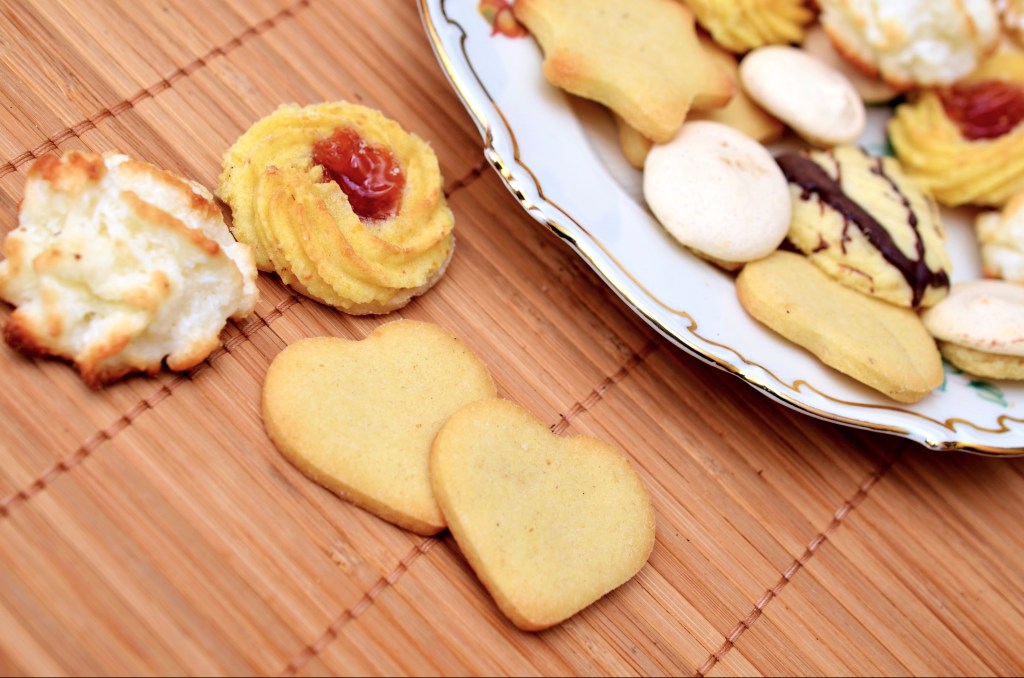
variety of party cookies on a plate

Practical tips for planning Holiday parties and meals

Planning ahead to manage holiday stress applies to cooking, entertaining, and eating during the holiday season.

If you plan and prepare holiday meals and parties, remember some attendees need to avoid or restrict certain foods. Offer an ample variety of food and drinks so your guests will find something that works for them.

If you have houseguests, they will appreciate your asking them about dietary needs or restrictions so you can have food available to meet their needs.

If you have special food needs, it is wise to offer to bring a dish to an event or take food to eat if you will be someone’s houseguest.


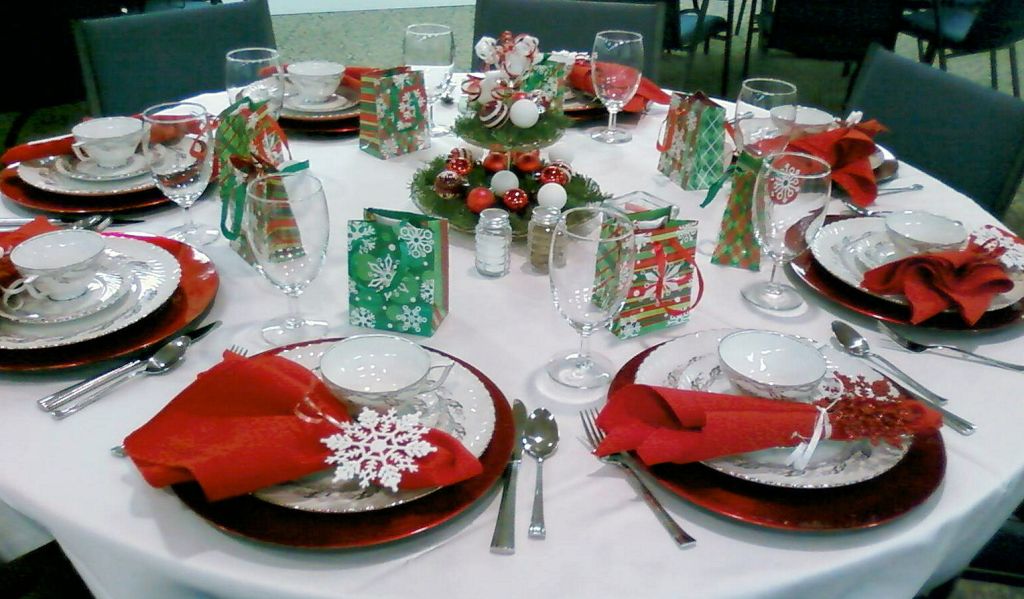
a table setting at a holiday brunch I attended


Healthy Eating and the Holidays

The Centers for Disease Control and Prevention offers tips for healthy eating for people with diabetes through the holidays. These are also helpful for others. Click the above link to learn how.

‘Tis the season for family, festivity, and food—lots of food. How do you manage diabetes during the holidays when food temptations are just about everywhere? Try these tips to help you stick to your diabetes meal plan this holiday season.

from the Centers for Disease Control

Tips for Everyone at the Holidays

  • You can still enjoy your favorite holiday treats in moderation. Focus on dishes you really love and can’t get any other time of year.
  • Sometimes there are too many holiday treats to fit into one meal. Instead of overeating, ask your host if you can take a favorite treat home for later.
  • Fill at least half your plate with vegetables and leave less room for unhealthy food.
  • Eat slowly. It takes at least 20 minutes for your brain to realize you’re full, so take your time before deciding if you want seconds.
  • Being active is your secret holiday weapon. It can help you digest your food better and reduce stress.
  • You may not have time for a long walk, but even 10 minutes after a big meal helps.


Delicious gluten-free recipes

Even if you are not gluten-sensitive, you may enjoy gluten-free dishes. Some taste even better than their gluten-containing cousins.


Maintaining Sobriety Through the Holidays  

from Addiction Hope 

“Be able to understand your limitations. Is it easy to say no to a drink in a restaurant setting but hard to avoid alcohol in a home environment? What types of scenarios are triggering to you? Knowing this ahead of time can help you work through situations and be prepared for what you might encounter.

Having an exit strategy can be a helpful tool to utilize in times of stress or pressure. This might include stepping out to call a trusted friend for support, going out for a walk, or practicing mindfulness techniques.”


Most of all, remember what the season is about—celebrating and connecting with the people you care about. When you focus more on the fun, it’s easier to focus less on the food.

CDC
Photo by Nicole Michalou on Pexels.com

 Sharing the HEART of the holidays

As a Christmas gift to me and your friends, please share this post with friends in an email or on your social sites. Thanks.

I’d love for you to follow this blog. I share information and inspiration to help you turn health challenges into health opportunities.

Add your name to the subscribe box to be notified of new posts by email. Click the link to read the post and browse other content. It’s that simple. No spam.

I enjoy seeing who is new to Watercress Words. When you subscribe, I will visit your blog or website. Thanks and see you next time.


a small cute decorative snowman figure

Dr Aletha

Unfortunately, food allergies don’t take a holiday. This post reviews how those with food allergies can eat well and safely.

How to manage food allergy with confidence

Up to 10% of the population have true food allergy, while 50-90% of people who believe they have food allergy may not. An accurate diagnosis is important so the condition can be managed properly when appropriate, but not needlessly..

Keep reading