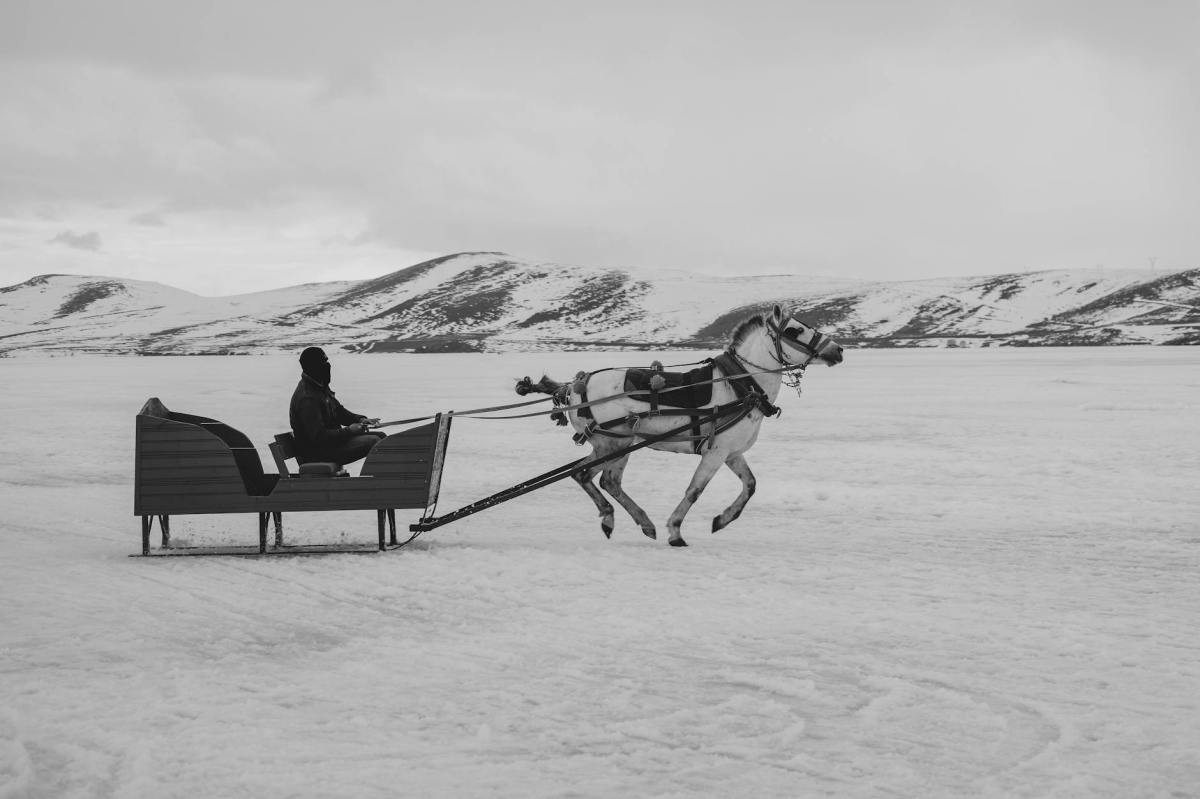
We have been dashing from one event to another all year, doesn’t it seem?
“dashing through the snow
James Pierpont, “The One Horse Open Sleigh”
in a one horse open sleigh”
In April there was a total solar eclipse across a long patch of the United States including a corner of my state. Millions of people watched it, some traveling many miles because it won’t happen here again for several years.
Then the world watched the exciting Paris Olympics and Paralympics in August, with some new events and the usual unexpected drama.
This was the hottest year on record with severe storms, floods, hurricanes, wildfires, droughts, and tornadoes causing massive damage to property and lives.
The United States elected another new president, actually reelecting the same one we elected in 2016, after four years of the president he lost to in 2020. We were not alone in holding an election. Fifty countries had elections in which 2 billion people cast votes, the most in history, according to Wikipedia.
December Holidays and Happenings
Today in much of the world December is synonymous with holidays, including
- Hanukkah, December 25
- Christmas, December 25
- Boxing Day, December 26
- Kwanza, December 26
And because Thanksgiving occurred later in November, other observances are pushed into December.
- December 1-First Sunday of Advent
- December 2- Cyber Monday
- December 3- Giving Tuesday

Giving Tuesday
GivingTuesday is a global generosity movement unleashing the power of radical generosity. GivingTuesday was created in 2012 as a simple idea: a day that encourages people to do good.
Since then, it has grown into a year-round global movement that inspires hundreds of millions of people to give, collaborate, and celebrate generosity.
It’s a simple idea: whether it’s making someone smile, helping a neighbor or stranger out, showing up for an issue or people we care about, or giving some of what we have to those who need our help, every act of generosity counts and everyone has something to contribute toward building the better world we all want to live in.
December 21-first day of Winter

Where I live, in the northern hemisphere, winter begins on December 21, the winter solstice. We call it the “shortest” day of the year because it has the least hours of daylight of any day of the year. After that date, the amount of daily sunlight gradually increases until June, when we welcome the summer solstice, the “longest” day of the year.
I visited Paraguay and New Zealand last year, which are in the southern hemisphere. Their seasons and solstices are opposite of the above.
Seasonal Affective Disorder
Circadian rhythms are physical, mental, and behavioral changes that follow a 24-hour cycle. These natural processes respond primarily to light and dark and affect most living things, including animals, plants, and microbes. So in the winter, when we have less light exposure, our rhythms can be altered, leading to sleep disturbance, fatigue and sleepiness, and mood changes.
In seasonal affective disorder, people feel down and depressed in the winter months. Researchers believe this is due to changes in circadian rhythms as a result of seasonal changes in the length of daylight. People with seasonal affective disorder feel better using artificial morning light to realign their circadian rhythm with their sleep-wake cycle. I posted about SAD last month.
December is Seasonal Affective Disorder Awareness Month.
Understanding Seasonal Affective Disorder (SAD): Symptoms and Treatments
This new post shares information about Seasonal Affective Disorder (SAD) affecting many individuals as daylight hours decrease, causing depressive symptoms that vary between winter and summer patterns. Treatment options include light therapy, psychotherapy, antidepressants, and vitamin D supplements. It’s essential to seek help from healthcare providers if experiencing signs of SAD, which can impact mood…
Keep readingEven if you do not have Seasonal Affective Disorder, you may want to try these tips from WebMD to minimize discomfort from the short winter days.
Try your best to get a minimum of 1 hour outdoors each day. That includes at least 15 to 30 minutes in the morning after daybreak. Another good time for a walk outside is around 1 to 3 p.m. in the afternoon when the body produces another brief spike of melatonin.
Face a window. If you spend most of your time indoors during the day, situate yourself so you face the window and open the shades whenever possible.
If your daytime room has no window, or just a small one, add more light-a table lamp on each side of your computer (1,500 lumens each) with a light-colored shade that diffuses the light. A plain white lightbulb will do, but for greater effect, go for blue light or put the light closer to your eye.
Get an extra boost. If you drive to work in the dark, travel across time zones often, or have trouble getting natural morning light, using a “dawn simulator” or “light therapy” lamp in the morning can also help. (affiliate link)
Set a curfew for screens. To minimize light at night, shut off your electronics (or at least dim the display and set it so the words are white on black) 2 hours before bedtime. Also use warm, low-level, dim lighting in your bedroom and living room at night.
December 31-New Year’s Eve
Is New Year’s Eve its own holiday, or just the “eve” of a holiday? Unlike Christmas Eve, it is in a different month and different year than its holiday. Or you could say it’s 364 days after its holiday, in the same year.
New Zealand is one of the first places on Earth to enter a new year. The island nation sits just west of the International Date Line, the boundary where one day becomes the next.

In this map, the International Dateline is the black line along the far right margin. It runs through the Pacific Ocean. Down in the far right corner, in yellow, are the islands that comprise New Zealand.

So by the time 2025 arrives in Oklahoma, much of the rest of the world has already been celebrating for several hours. When does 2025 arrive where you live?
New Year’s Resolutions
I don’t make “resolutions” for the new year, but it is a good point to take stock of life, set goals, and make plans to achieve them. It can be a fresh start, a time to leave behind the setbacks and disappointments of the past.
One area everyone should evaluate is their health, which is key to everything else in life. If your resolutions or plans involve health, this past post should give you ideas to pursue.

7 health habits we all need
Decluttering and simplifying our lives may reduce stress and increase satisfaction. While minimizing material possessions is vital, we should also focus on cultivating essential habits: prioritizing sleep, nutritious food, meaningful connections, generosity, physical and mental activity, and genuine communication.
Keep readingexploring the HEART of health
I’d love for you to follow this blog. I share information and inspiration to help you transform challenges into opportunities for learning and growth.
Add your name to the subscribe box to be notified of new posts by email. Click the link to read the post and browse other content. It’s that simple. No spam.
I enjoy seeing who is new to Watercress Words. When you subscribe, I will visit your blog or website. Thanks and see you next time.
please help support this blog; consider starting with the cost of a beverage
Choose an amount
Or whatever works for you
I welcome and appreciate your support, it helps fund this blog and share the HEART of health all over the world.
Excess funds are donated to health related charities.
Dr. Aletha
- About Dr. Aletha
- How to Use this Site
- Make Your Life Easier
- Search by Category
- Share the HEART of health
- my Reader Rewards Club
- RoboForm Password Manager

 watercress words by Dr Aletha