Bird Flu Testing in Dairy: USDA’s New Strategy to Prevent Infection

Birds, just like people, can get the flu. Another name for bird flu is avian influenza. The viruses that cause bird flu normally only infect birds, including chickens, other poultry, and wild birds such as ducks.

Bird flu can also infect many other animals, including dogs, cats, certain wild and zoo animals, and livestock such as cattle. Although this is rare, these animals can then spread the flu to people.

Here is a previously published report on how the USDA works to keep our milk supply safe.
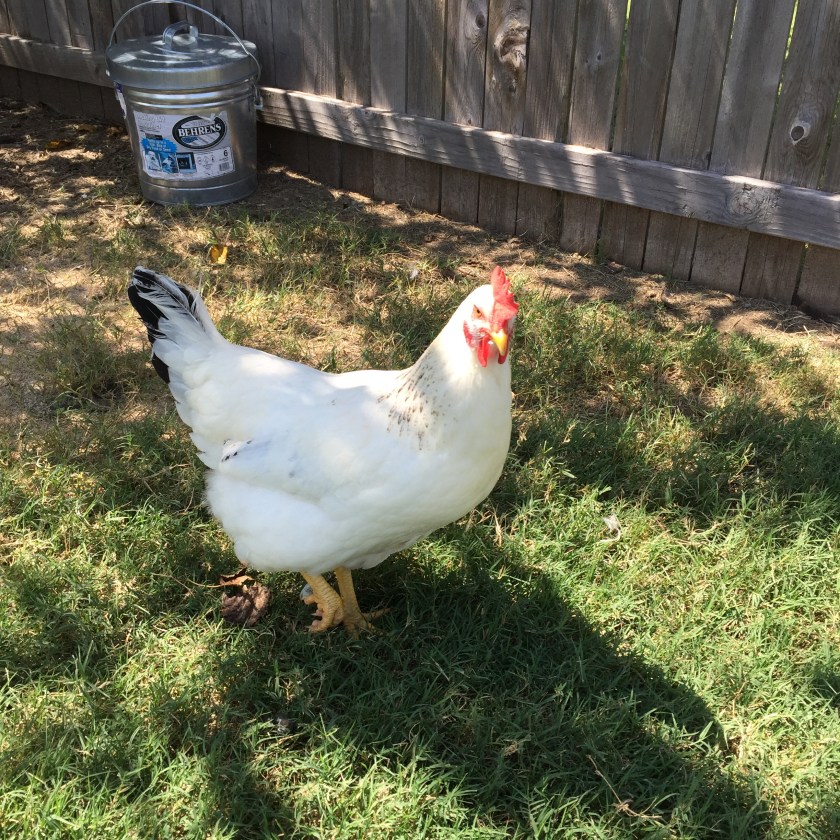
white chicken
One of the chickens my daughter-in-law raised. We appreciated the eggs she shared with us.

USDA launches national testing of milk from dairy farms to track bird flu outbreak

by Jennifer Shutt, Oklahoma Voice
December 9, 2024

WASHINGTON — The U.S. Department of Agriculture announced Friday it will require dairy farms to share samples of unpasteurized milk when requested, to gather more information about the spread of highly pathogenic avian influenza.

Public health officials have tracked the spread of bird flu or H5N1 in domestic poultry flocks for years before the virus began showing up in the country’s dairy herds this March, raising concerns.

While the risk to the general public remains low and there is no evidence to suggest bird flu can spread from person to person, nearly 60 people, mostly farmworkers, have contracted the virus this year.

The new milk testing requirements from USDA will apply nationally but will begin in California, Colorado, Michigan, Mississippi, Oregon, and Pennsylvania, the week of Dec. 16. 

“Among many outcomes, this will give farmers and farmworkers better confidence in the safety of their animals and ability to protect themselves, and it will put us on a path to quickly controlling and stopping the virus’ spread nationwide,”

Agriculture Secretary Tom Vilsack said in a written statement.

Unpasteurized milk

The U.S. Food and Drug Administration has repeatedly tested pasteurized milk on store shelves throughout the country to reaffirm it’s safe to drink. Other dairy products, like cheese and ice cream, have also been found safe.

But the FDA continues to urge people against consuming unpasteurized milk, since it doesn’t go through the heating process that kills off viruses and bacteria.

Health and Human Services Secretary Xavier Becerra said in a written statement the new milk “testing strategy is a critical part of our ongoing efforts to protect the health and safety of individuals and communities nationwide.”

“We continue to work closely with USDA and all stakeholders on continued testing for H5N1 in retail milk and dairy samples from across the country to ensure the safety of the commercial pasteurized milk supply,” Becerra said. “We will continue this work with USDA for as long and as far as necessary.”

“Our primary responsibility at HHS is to protect public health and the safety of the food supply,

Health and Human Services Secretary Xavier Becerra

Photo by cottonbro studio on Pexels.com

The USDA began a voluntary bulk tank testing program for milk this summer in an attempt to make it easier for farmers to move their cattle across state lines without having to test each cow. The department also began a year-long study in August to test for bird flu in dairy cattle moved into meat production, seeking to confirm prior studies that found it safe to eat.

The bird flu outbreak has affected 720 dairy herds throughout 15 states so far this year, though California became the epicenter during the last month, according to data from the USDA.

The Golden State holds nearly all of the 273 herds diagnosed, with just four found in Utah during the last 30 days.

California also holds the bulk of bird flu infections in people, with 32 of the 58 diagnosed cases this year, according to information from the Centers for Disease Control and Prevention.

Colorado accounts for another 10 human cases and Washington state confirmed 11 people infected with H5N1. Michigan has had two cases this year, while Missouri, Oregon and Texas have each had one positive human case.

USDA order

The USDA federal order announced Friday will require anyone responsible for a dairy farm — such as a bulk milk transporter, bulk milk transfer station, or dairy processing facility — to share unpasteurized or raw milk samples when requested.

Any farm owners whose dairy herds test positive for H5N1 will be required to share epidemiological information that would allow public health officials to perform contact tracing and other types of disease surveillance. 

Additionally, private laboratories and state veterinarians must alert USDA to positive samples collected as part of this National Milk Testing Strategy.

Last updated 2:36 p.m., Dec. 6, 2024

My thanks to Oklahoma Voice for permission to republish this story.

Oklahoma Voice is part of States Newsroom, a nonprofit news network supported by grants and a coalition of donors as a 501c(3) public charity. Oklahoma Voice maintains editorial independence.

Contact Editor Janelle Stecklein for questions: info@oklahomavoice.com. Follow Oklahoma Voice on Facebook and X.

This story is republished under Creative Commons license CC BY-NC-ND 4.0.

Exploring the HEART of Health

I’d love for you to follow this blog. I share information and inspiration to help you turn health challenges into health opportunities.

Add your name to the subscribe box to be notified of new posts by email. Click the link to read the post and browse other content. It’s that simple. No spam.

I enjoy seeing who is new to Watercress Words. When you subscribe, I will visit your blog or website. Thanks and see you next time.

Dr. Aletha

How to manage food allergy with confidence

Up to 10% of the population have true food allergy, while 50-90% of people who believe they have food allergy may not. An accurate diagnosis is important so the condition can be managed properly when appropriate, but not needlessly..

One of the most informative lectures I heard recently was about food allergy, a common problem that patients and even physicians don’t always understand.

I welcomed the chance to hear from an expert to help me counsel my patients. I also have a personal interest since my grandson has food allergies; when he visits me, I have to be careful not to feed him foods he may react to.

The speaker, Kirsten Bennett, Ph.D. is a registered dietitian (RD) who specializes in counseling patients with food allergies. She presented data from research studies as well as from her clinical practice, and I’m sharing some of what she said with you.

How to manage food allergy with confidence-watercresswords.com


What is food allergy?

You may assume that any symptom due to eating a food is an allergy but there are many ways food can make us sick, including allergy, intolerance, toxic effects, and infection.

Dr. Bennett explained the difference between food allergy and food intolerance. (The other two will not be discussed here)

Allergy– is immune-mediated, meaning the immune system produces and releases antibodies after exposure to a food; celiac disease is due to food allergy.

Intolerance– does not involve the immune system, no antibodies are produced; this occurs in lactose intolerance.

Some foods such as wheat and milk can cause both allergy and intolerance.

cup of milk, plate of bread
Milk and wheat can cause allergy and intolerance.

So how do you know the difference? You can’t, without an appropriate medical evaluation, so it is important to see a physician if you suspect a food allergy.

Up to 10% of the population have true food allergy, while 50-90% of people who believe they have food allergy may not. An accurate diagnosis is important so the condition can be managed properly when appropriate, but not needlessly.

What causes food allergy?

The BIG 8 cause 90% of food allergy. These are

  1. Milk
  2. egg
  3. peanut
  4. fish
  5. shellfish
  6. soy
  7. wheat
  8. tree nut


Symptoms of food allergy

Almost any symptom can occur with allergy but the most common are

  • Rash with or without itching
  • Swelling of the face, lips, eyes
  • Watery, itchy eyes
  • Nasal drainage and/or congestion
  • Hoarse voice
  • Cough, wheezing, difficulty breathing
  • Nausea, vomiting, diarrhea
  • Dizziness, fainting
  • Low blood pressure, fast heart beat
  • Feeling of “impending doom”


How to diagnose food allergy

Although blood and skin testing may be helpful, the history is the first and most important step to identify food allergy. The evaluation may start with the answers to these 9 questions-

  • What are the symptoms?
  • What food was eaten that may have caused the symptoms and was it eaten before?
  • How much of the food was eaten?
  • Was the suspect food cooked or raw?
  • Has the food ever been eaten without symptoms?
  • Was else was the person doing or ingesting at the same time, such as exercise, medications, etc.?
  • Have the symptoms occurred without eating the food?
  • How were the symptoms treated and how long did they last?

What You Need to Know About Diagnostic Allergy Testing

by David Stukus, MD,Assistant Professor of Pediatrics in the Section of Allergy/Immunology at Nationwide Children’s Hospital, in Columbus Ohio.


Goals in  managing food allergies

Allow the child (or adult) to live as normal a life as possible while avoiding foods that might cause allergic symptoms.

The fear of a serious food allergic reaction can cause a family to forgo normal activities and keep a child isolated. Dr. Bennett suggested these tactics to minimize food allergy anxiety.

Family of 4 sitting at a dining table.
Read food labels carefully to avoid inadvertently eating foods that cause allergy.

At home 

  • Cook as a family ; Learn how to cook meat and other protein foods
  • Take children grocery shopping and engage them in food selection
  • Use at least 3 elements of the plate model for meal planning
  • Gather together and celebrate food and eating together
  • Practice manners and table talk
  • Make the home kitchen a safe sanctuary
  • Enjoy the food journey

Travel

  • Take foods along that are safe
  • Identify possible allergy risks in travel itinerary -Restaurants

At school 

  • What does the school staff and administration know about food allergies?
  • Start a conversation Provide reference materials or community resources
  • Create a plan for inclusion
  • Partner with the school
  • Universal supports for all children

Find more Tips for Maintaining a Healthy Lifestyle from Kids With Food Allergies.org


Be prepared for an emergency allergic reaction.

Anaphylaxis

The greatest danger of any allergy is anaphylaxis, a life-threatening allergic reaction that impairs breathing and heart function.

a heart monitor showing a heart tracing EKG
Minutes matter with allergy emergencies

Anyone who cares for a person with food allergy needs to know what to do in case of a reaction. Schools and work places should have a plan for dealing with such emergencies.

Create and Maintain an Action Plan for school/work-

Develop an individualized Health Care Plan  – which includes strategies for food avoidance as well as an Emergency Action Plan with specific actions to be taken in the event of accidental or purposeful ingestion of the allergenic food.

Maintain a current and backup supply of emergency medication

  • Epinephrine (Injectable)
  • antihistamine

Document specific instruction on transport to ER/ED (emergency room) for follow-up care
Emergency medications and plan need to be accessible at all times.


exploring the HEART of food allergy

I also addressed food allergy in this book review post.

Food Without Fear- a book about food allergy

The book “Food Without Fear” by Dr. Ruchi Gupta addresses food allergies, intolerances, and sensitivities. It covers topics such as the food reaction spectrum, the top food allergens, and managing food allergies in different settings. It also provides comprehensive resources and explores using epinephrine in allergy emergencies. The book aims to help individuals understand and…

Keep reading
Dr. Aletha