On July 20, 1969, the Apollo 11 lunar module Eagle landed on the Sea of Tranquility on the Moon. The next day, July 21 two humans stepped onto the Moon’s surface-first Neil Armstrong, followed by Buzz Aldrin.
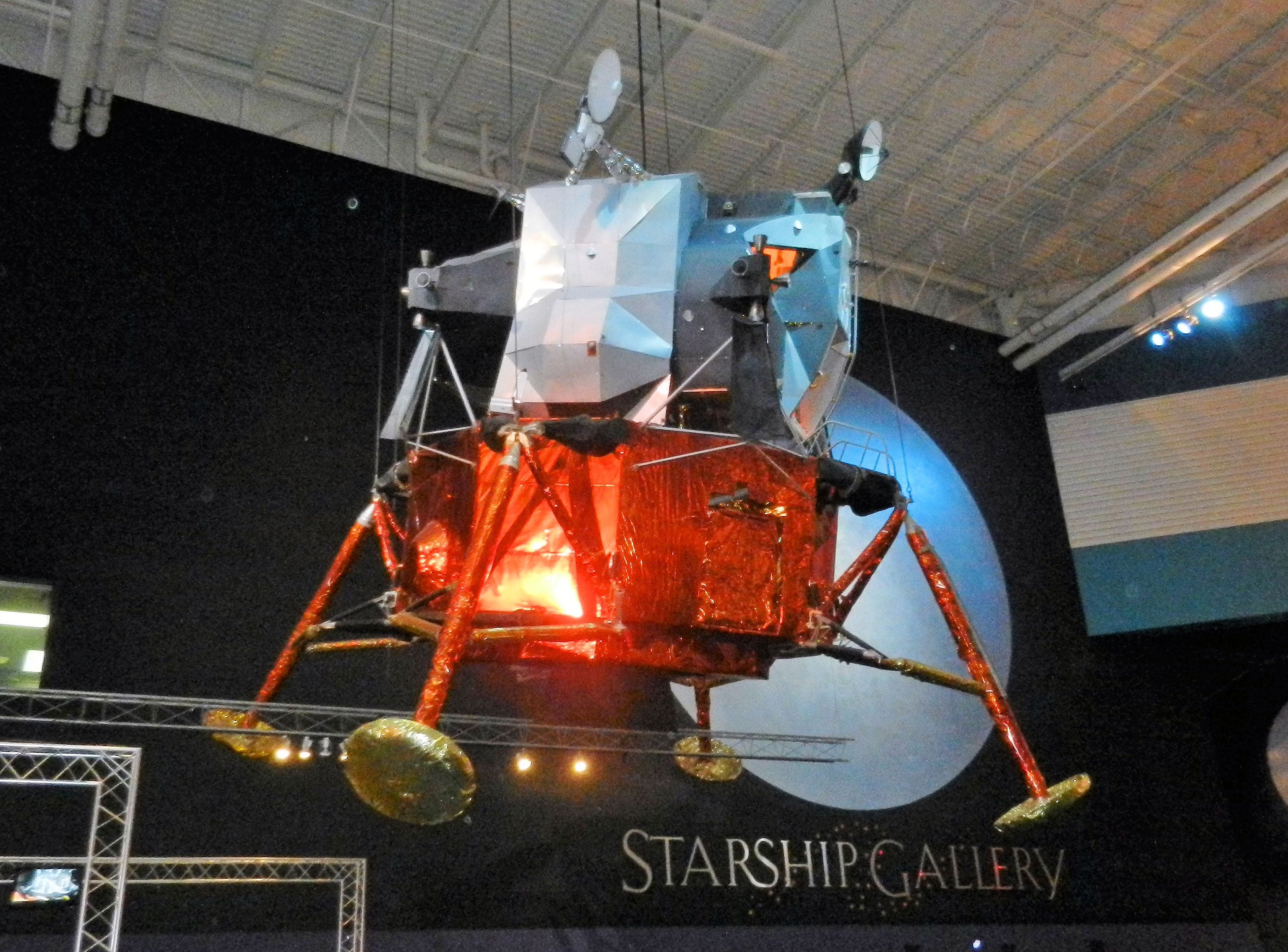
Humans on the Moon-July 20, 1969
More remarkable than landing a vehicle on the Moon was safely sending three humans to the Moon and returning them to Earth.
Human bodies are designed for Earth, not outer space, so taking them into space and bringing them back safely was a monumental task and grave responsibility.
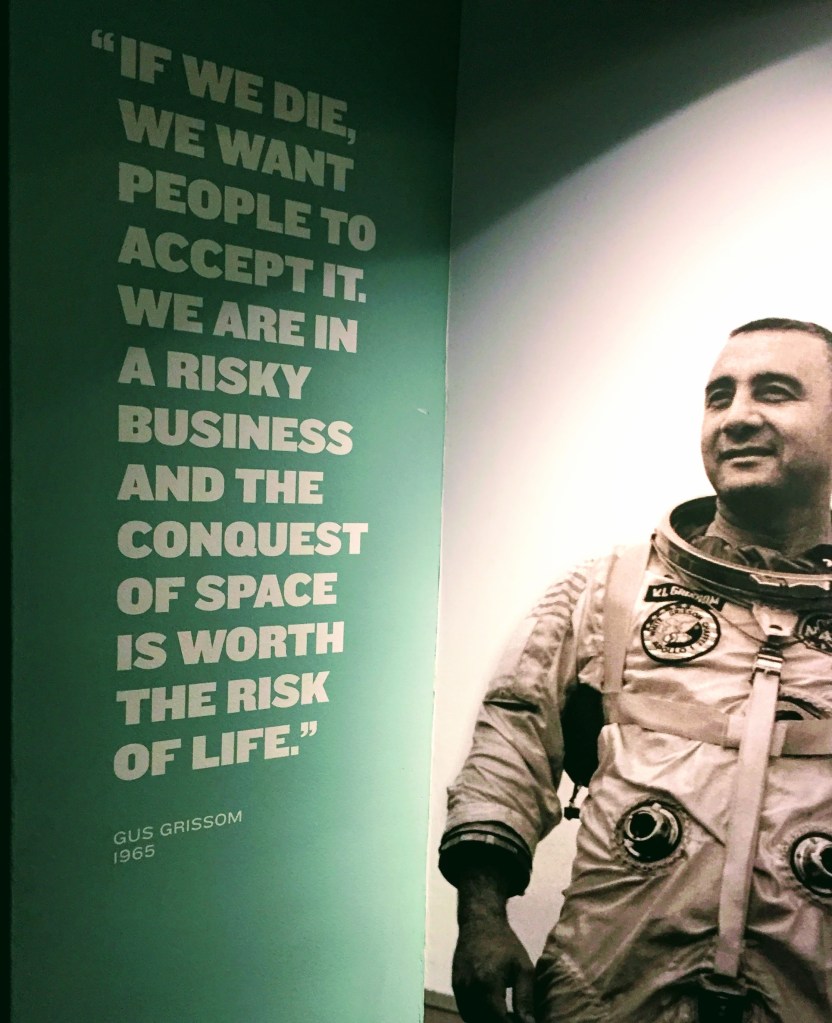
And it was not accomplished perfectly- in 1967 the Apollo 1 spacecraft cabin caught fire and claimed the lives of three astronauts.
Despite the strides NASA has made in its perpetual quest to make spaceflight safer, it’s still a dangerous business. Our astronauts are stepping on top of a bomb when they climb into the capsule of a spacecraft, a bomb they trust will go off in a controlled manner.
Of the 135 space shuttle flights, two ended in disaster, claiming seven lives each.
Sam Howe Verhovek, article in National Geographic 07.2019
exploring the HEART of space travel
I grew up watching the space exploration adventure develop from Mercury to Gemini to Apollo and beyond and still find it fascinating. My family and I never miss a chance to tour a museum exhibit featuring space and have enjoyed visits to the Johnson Space Center in Houston, Texas, and the Kennedy Space Center near Orlando, Florida.
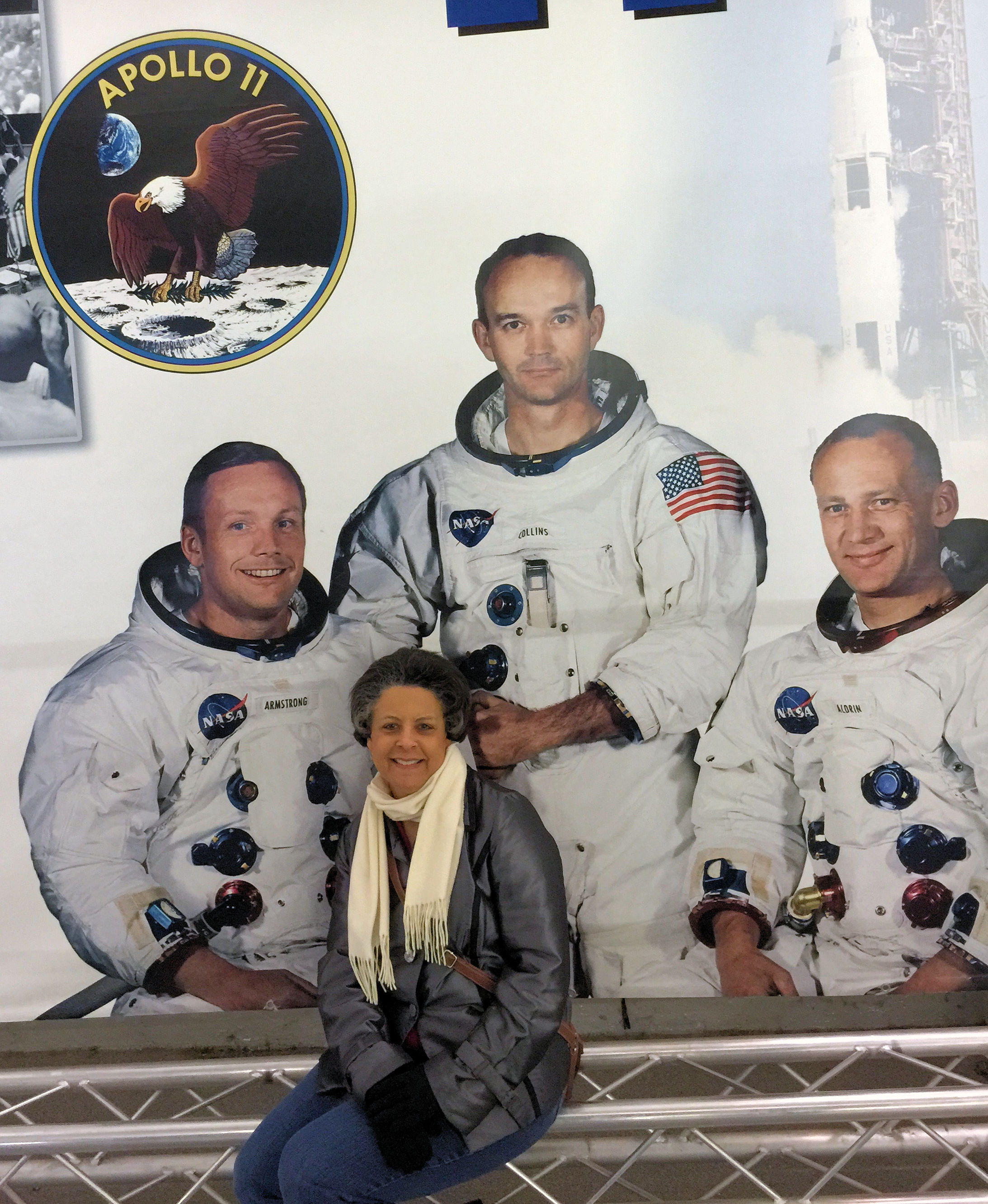
Moon Exploration by Apollo 11
- Distance from Earth to Moon-238,855 miles
- Duration of the Apollo 11 mission to the moon-8 days, 3 hours, 18 minutes
- Top speed of ship to moon 24,000 miles per hour
- Length from the ladder to the moon surface of Armstrong’s “one small step”- 3.5 feet
as reported in AARP magazine, June/July 2019
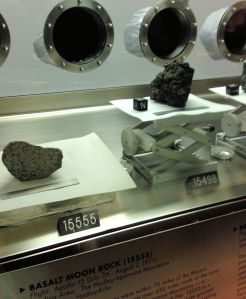
basalt moon rock at Johnson Space Center, Houston, TX
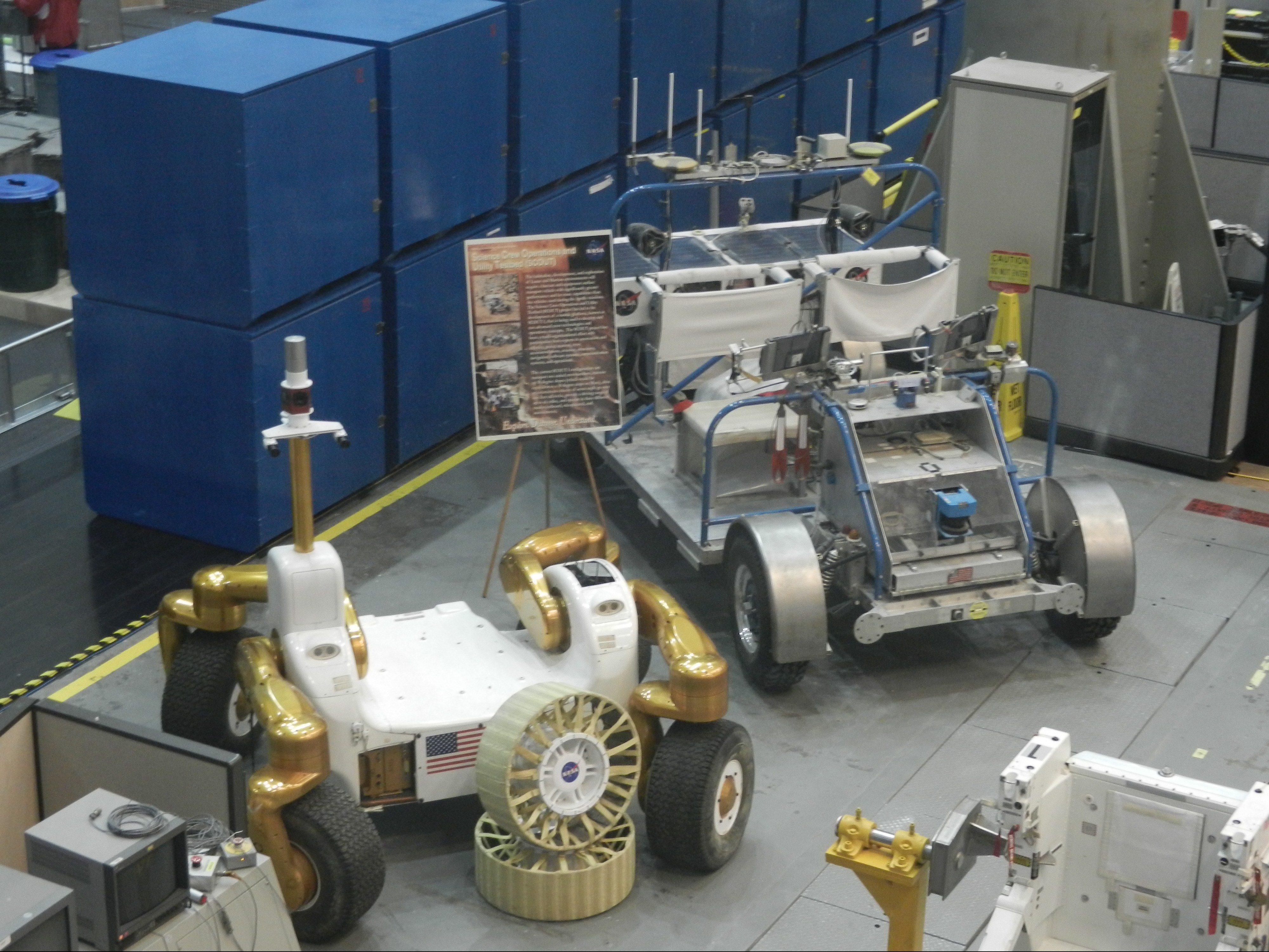
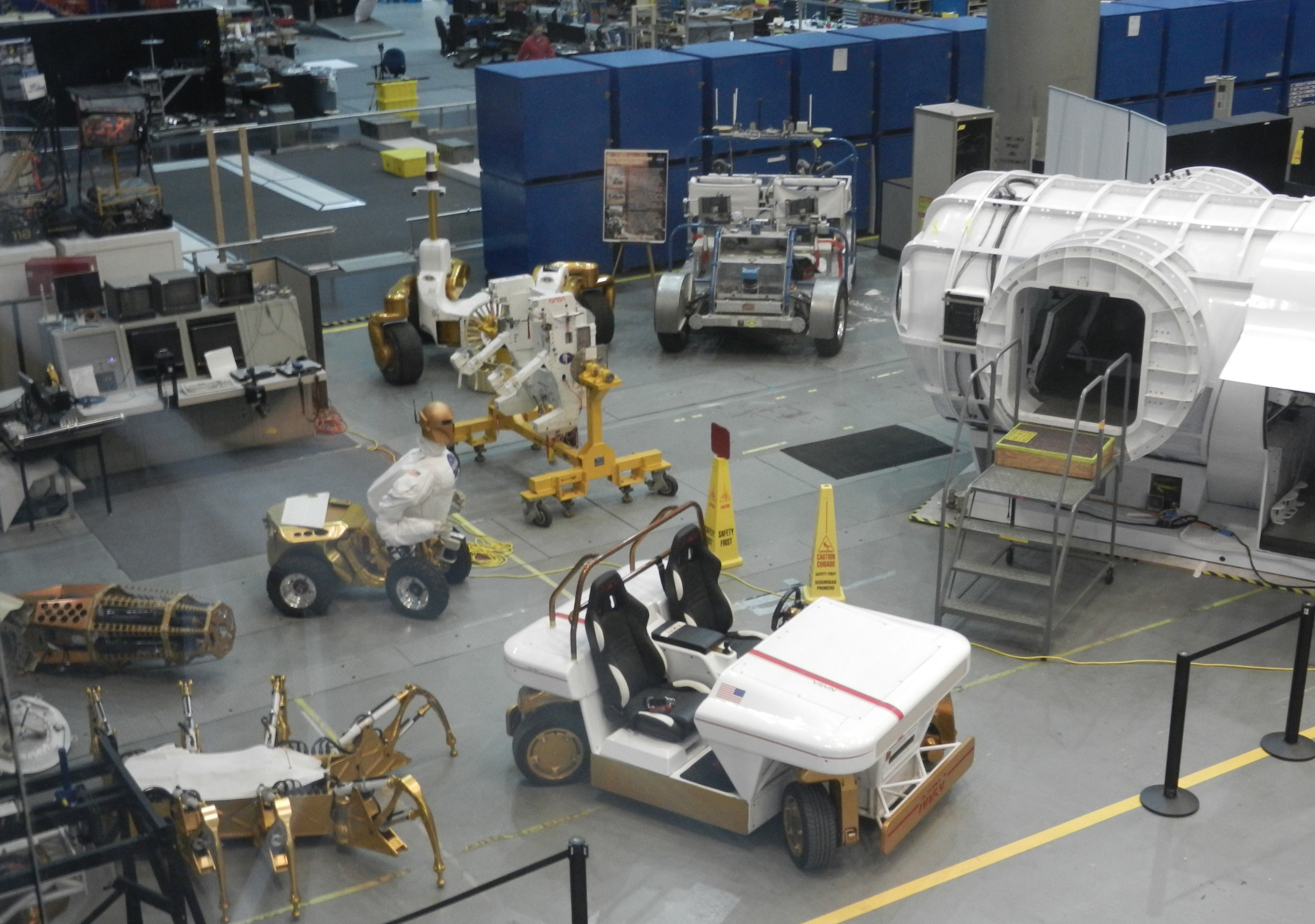
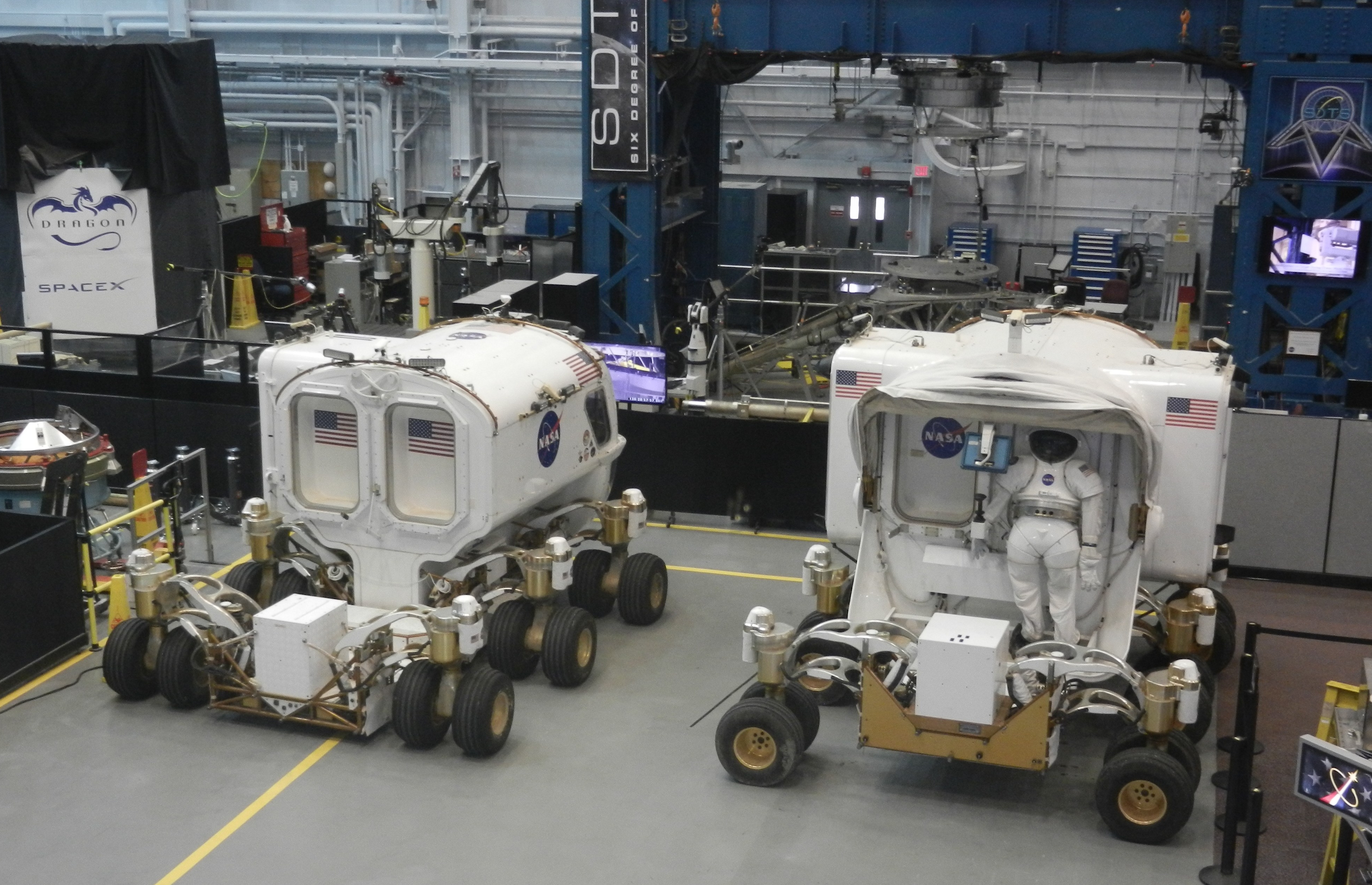
Maintaining Health in Space Exploration
These exhibits at the Adler Planetarium in Chicago, Illinois illustrate the health hazards and health maintenance facets of space exploration
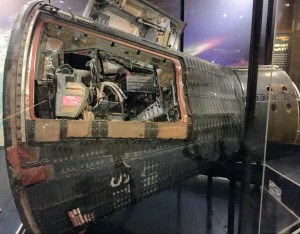
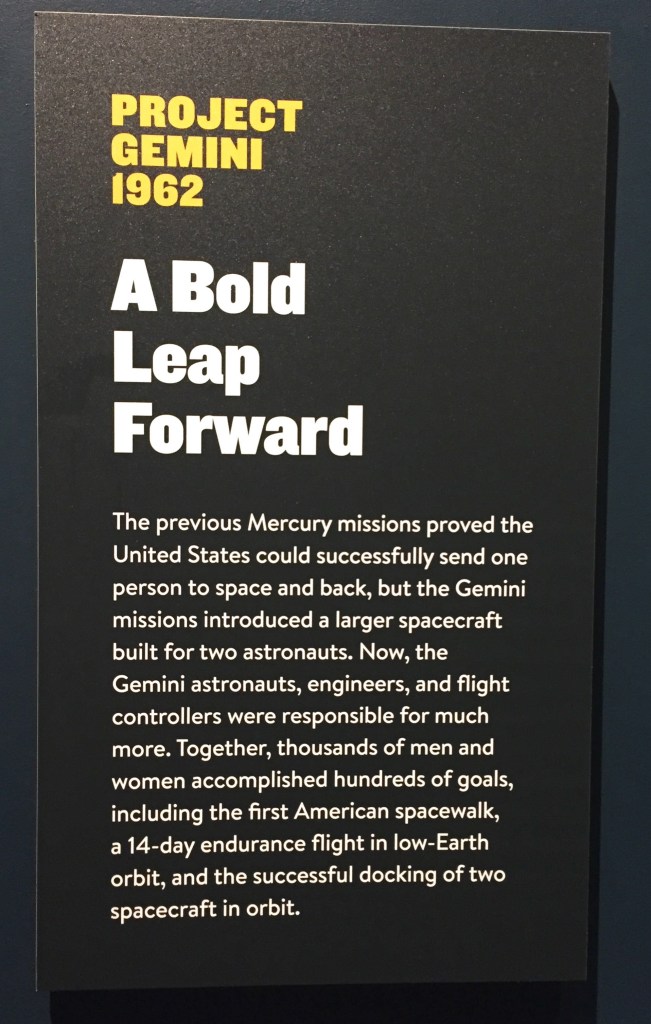
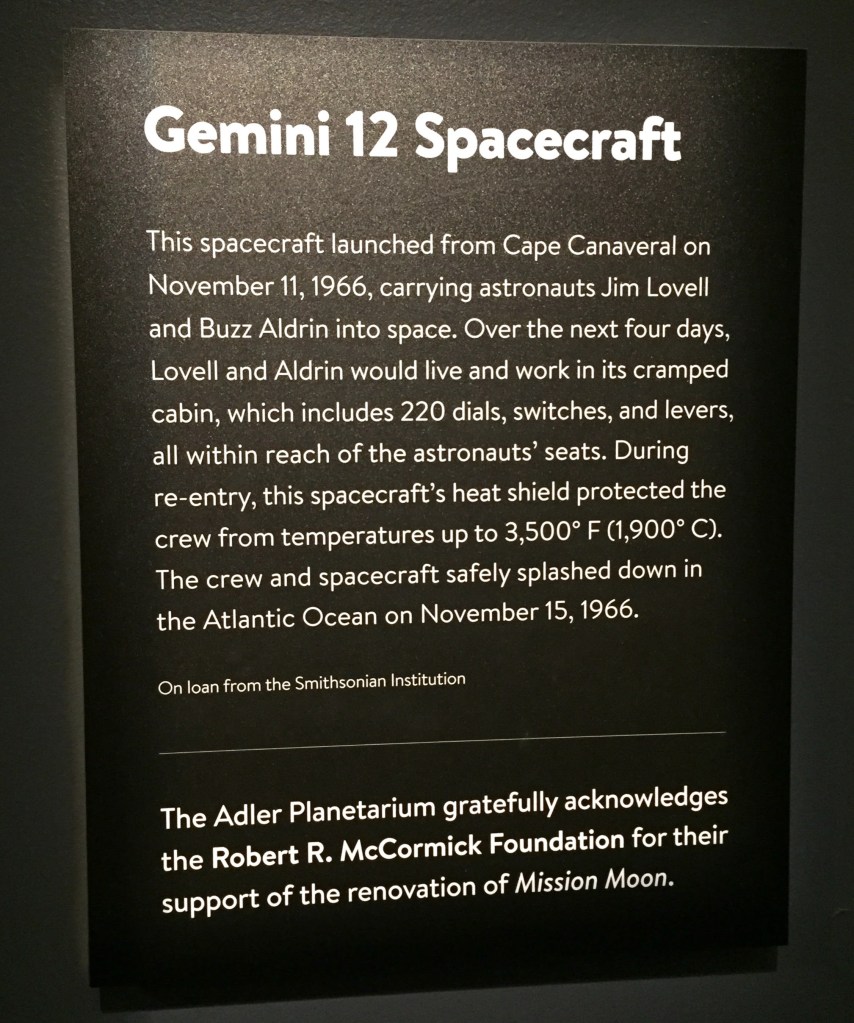
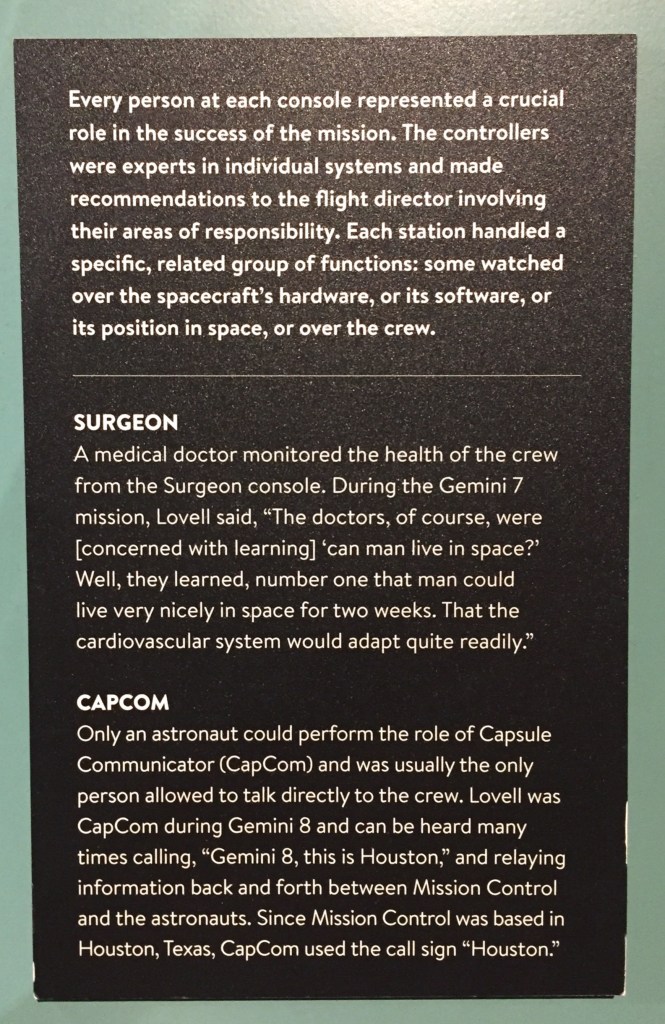

During space flight, a medical doctor monitored the crew’s health. They were concerned with learning,” Can humans live in space?”
They learned that people can live comfortably in space for two weeks. The cardiovascular system adapts adequately.

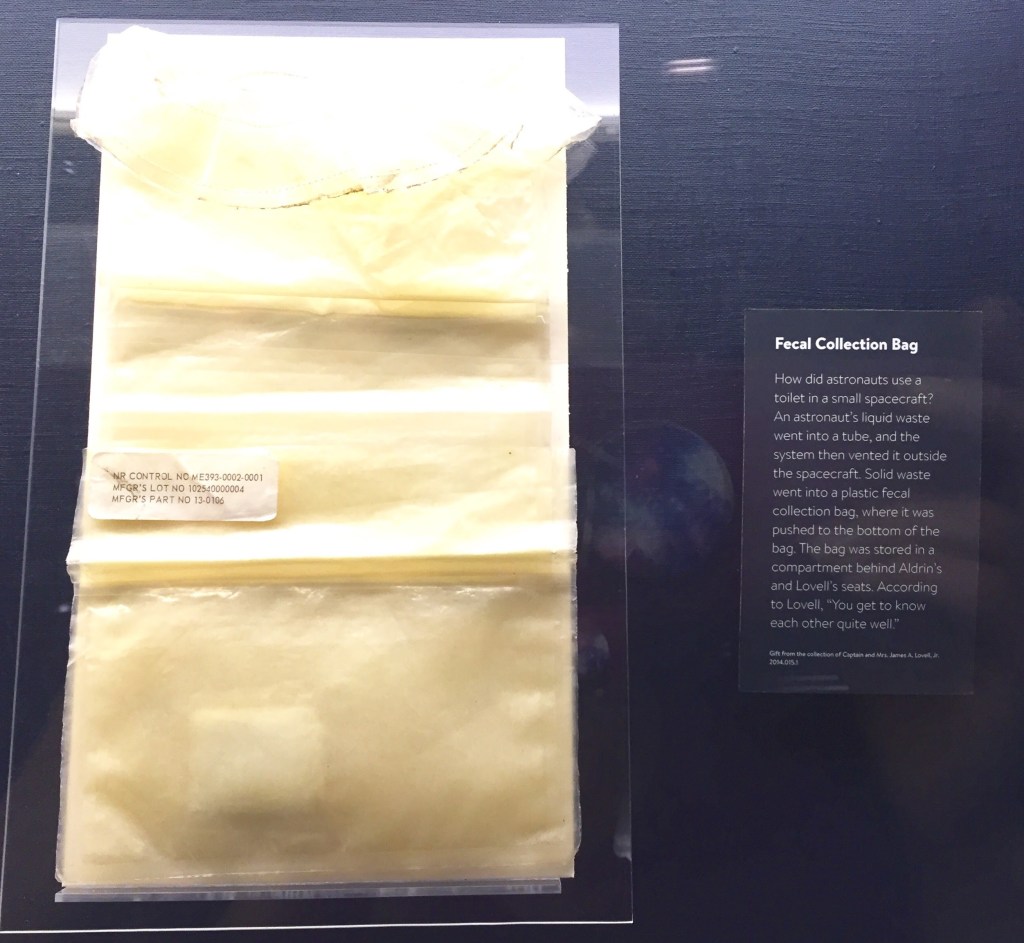
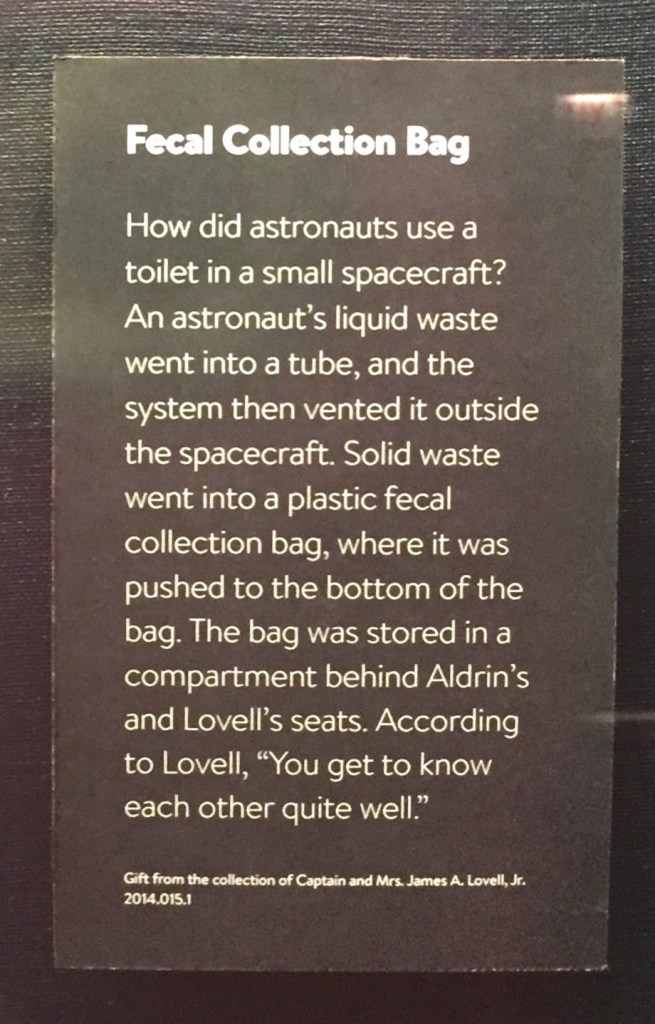
“You get to know each other quite well.”
(How to use the toilet in space.)
There are no toilets on a small spacecraft so an astronaut’s liquid waste went into a tube, vented to the outside. Solid waste went into a plastic fecal collection bag, and then stored behind their seats.
The Astronauts- exploring Adventure in Space
When I flew on the space shuttle and the space station, I would look at the moon…I didn’t feel like I missed something by not going there. Just knowing that people got there-regular people, very brave ones-it makes it so that I’m there a little bit.
Humans pulled this off. We can do incredible things. Impossible things.
Cady Coleman, retired astronaut , from AARP magazine
Laurel Salter Clark-Physician Astronaut
On February 1, 2003, Dr. Laurel Salter Clark and the rest of the STS-107 crew perished during re-entry as Space Shuttle Columbia broke up over Texas en route to a landing in Florida. They amassed 15 days, 22 hours, and 20 minutes in space, giving their lives in service to their country and the space program.
Please visit this previous post to learn more about Dr. Clark.
exploring the HEART of health in space
I’d love for you to follow this blog. I share information and inspiration to help you transform challenges into opportunities for learning and growth.
Add your name to the subscribe box to be notified of new posts by email. Click the link to read the post and browse other content. It’s that simple. No spam.
I enjoy seeing who is new to Watercress Words. When you subscribe, I will visit your blog or website. Thanks and see you next time.
Dr. Aletha

 watercress words by Dr Aletha