
You’ve probably heard the advice “Don’t drink the water” when you travel to less developed areas of the world. But water can make you sick even without drinking it.
Illness from Contact with Water
Bacteria and other disease-causing organisms can be transmitted by swimming and other water-related sports
- in private and public pools
- recreational freshwater and oceans
- hot tubs, splash pads, water parks
- decorative fountains

Drinking, inhaling, and direct contact with water contaminated with a variety of bugs can cause a wide range of illnesses, most of which are preventable. Here is an overview of common conditions to watch out for.
Drowning
The most serious risk of water is drowning or near-drowning, with 3,300 deaths and another 5,000 hospitalizations annually in the United States.
Children are especially at risk of drowning. Teaching children to swim as early as practical and supervising them around pools and other bodies of water are critical to prevention.
Drowning Prevention
- Learn basic swimming and water safety skills
- Build fences that fully enclose pools
- Wear a life jacket
- continue reading at the link

Gastrointestinal (stomach and intestines) Illnesses-
Symptoms
- Nausea,
- vomiting,
- diarrhea,
- cramps,
- fever
Causes
- Norovirus
- Shigella and Campylobacter bacteria
- E. coli bacteria
- Giardia
- Cryptosporidium

Respiratory (nose, throat, lungs) illnesses
Symptoms
- cough,
- nasal/sinus congestion,
- ear pain/fullness,fever
Swimmer’s Ear
Causes-
- pool chemicals
- Legionella and other bacteria

Skin Conditions
Symptoms–
- rash,
- redness,
- itching,
- burning
Causes –
- Mycobacterium
- Vibrio infection
- Pseudomonas bacteria
- Schistosomes
Most of these conditions resolve without treatment, or are treatable with appropriate antibiotics.

Serious but Rare
Primary amebic meningoencephalitis is a rare but deadly sinus-related infection caused by Naegleria fowleri in freshwater and soil
Leptospirosis is another brain infection caused by a group of spirochetes known collectively as leptospires. It is also infrequent.
Preventing Water-related Infection
- Don’t drink water used for recreation even if treated with chlorine.
- Children younger than five years should not use hot tubs.
- Persons with diarrhea or recent diarrhea infection should not swim for one week after symptoms have cleared.
- Swimmers should shower before using a hot tub or pool.
- Don’t swim with open wounds, or use waterproof bandage if you do. .
- Learn more and get more tips on staying well at these links from

from American Family Physician
Waterborne Illnesses
Talk to your doctor if you have bloody diarrhea, diarrhea that lasts more than a week, or a cough with fever. See your doctor right away if you have more serious symptoms, such as fever and a stiff neck after swimming in a freshwater pond, or a bad skin infection with fever. Be sure to tell your doctor that you’ve been in the water.
Safe Surfing
Sharks very rarely attack people. Common sense can protect you from most shark attacks. Do not go into the water if sharks have been reported in your area. Do not surf if you are bleeding or have open cuts. If you see a shark, get out of the water. Do not try to touch the shark. Get help right away if you think you have been bitten.
Sea Creature Injuries and Fish Poisoning
To avoid ciguatera poisoning, don’t eat the fish that often carry the ciguatera toxin. This includes amberjack, grouper, snapper, sturgeon, king mackerel, barracuda, and moray eel.

At Smithsonian, learn about
8 diseases to watch out for at the beach
Exploring the HEART of Summer Health
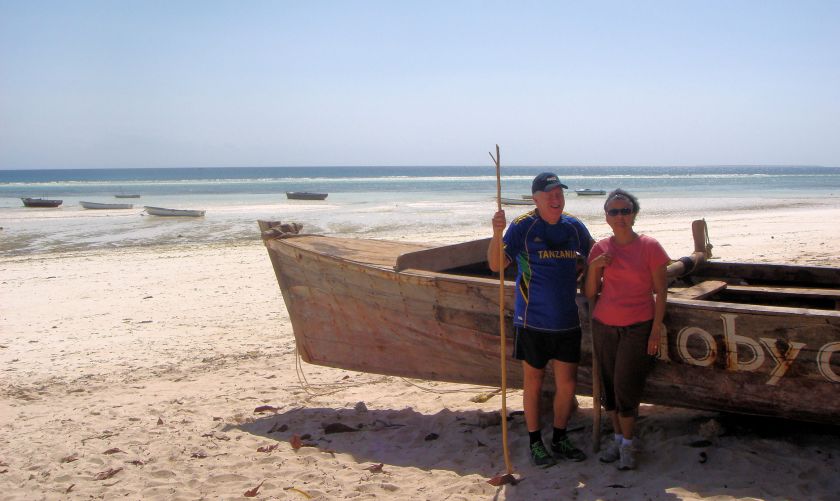
I took all of the photos in this post except the cover photo. It and another one are from Lightstock, credited in the caption.
I’d love for you to follow this blog. I share information and inspiration to help you transform challenges into opportunities for learning and growth.
Add your name to the subscribe box to be notified of new posts by email. Click the link to read the post and browse other content. It’s that simple. No spam.
I enjoy seeing who is new to Watercress Words. When you subscribe, I will visit your blog or website. Thanks and see you next time.
Dr. Aletha
- About Dr. Aletha
- How to Use this Site
- Make Your Life Easier
- Search by Category
- Share the HEART of health
- my Reader Rewards Club
- RoboForm Password Manager
Use these links to share the heart of health wherever you connect.


 watercress words by Dr Aletha
We will feature your good water message on the next Blogger’s Pit Stop. Well done.
Kathleen
LikeLike
Thank you Kathleen, nice hearing from you.
LikeLike
Thanks for the advice in this post – very helpful this time of year! Thanks for sharing at The Blogger’s Pit Stop! Roseann from http://www.thisautoimmunelife.com
LikeLike
I thought so too. Thanks for reading and commenting.
LikeLike