Wondering about Watercress

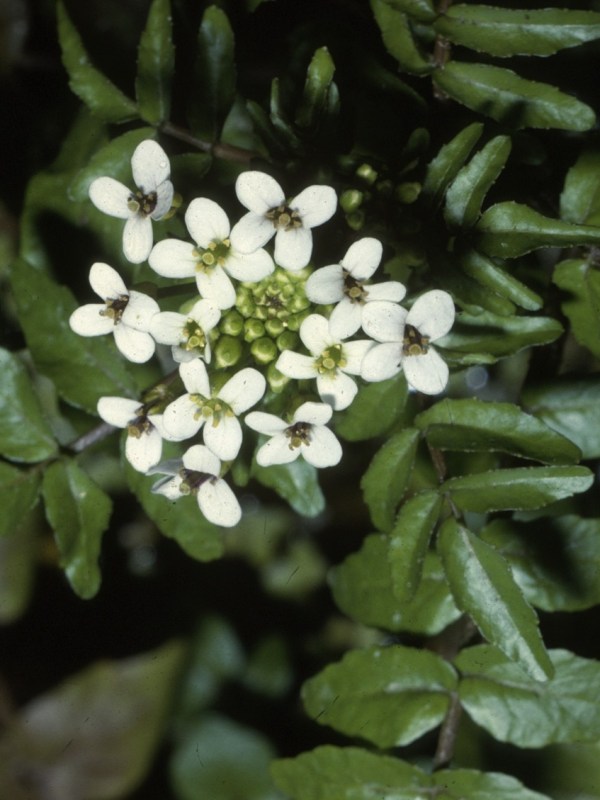
Watercress contains significant amounts of iron, calcium and folic acid, in addition to vitamins A and C. Many health benefits are attributed to eating watercress

Although this blog isn’t chiefly about watercress, despite the name, I decided to explore it in several posts this year. I’m glad I did because I learned much I didn’t know and hope you did too.

In this post I’ve gathered the watercress posts in one place for your convenience. If you don’t want to read all of them now, bookmark this page so you can come back to it.
Watercress, a Multifaceted Plant

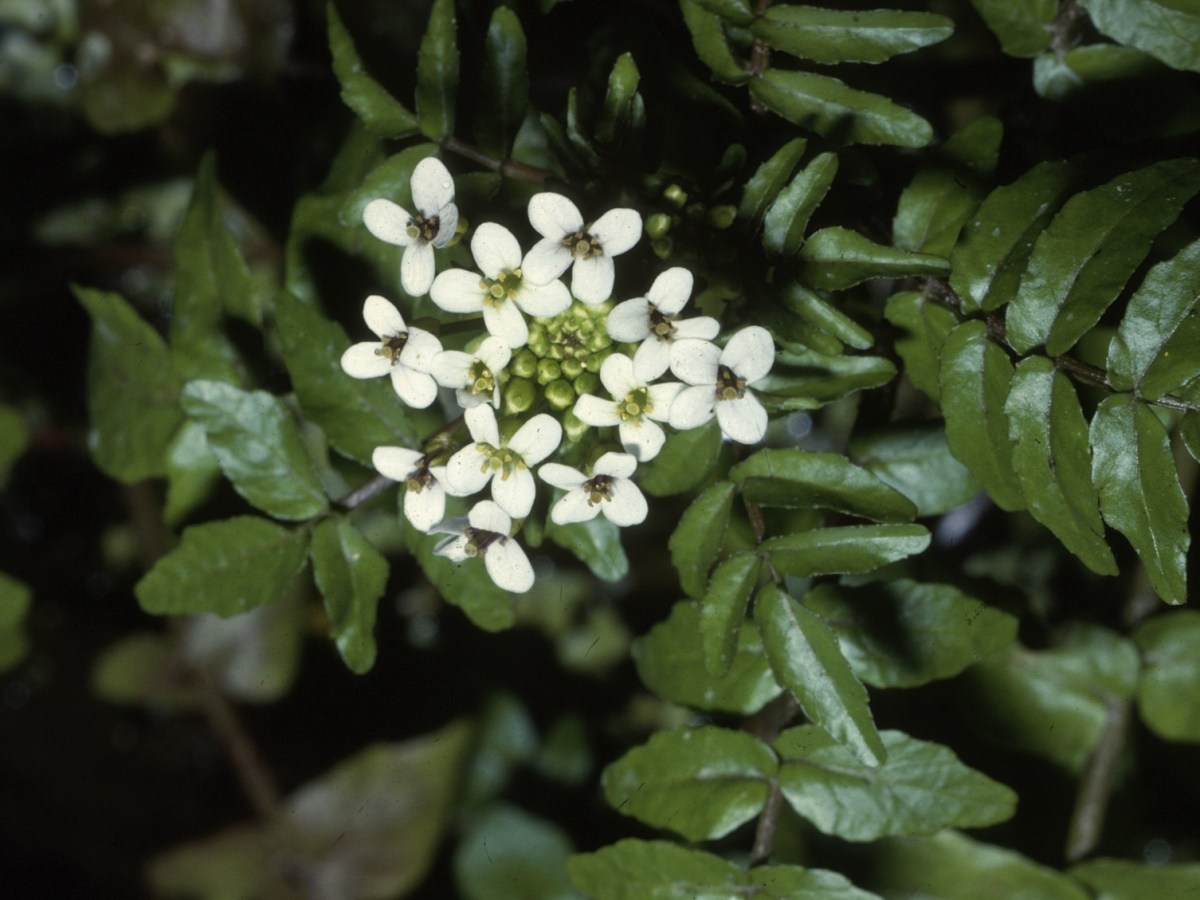
Watercress contains significant amounts of iron, calcium and folic acid, in addition to vitamins A and C. Many health benefits are attributed to eating watercress , such as that it acts as a mild stimulant, a source of phytochemicals and antioxidants, a diuretic, an expectorant, and a digestive aid. It may also have cancer-suppressing properties,…

Keep reading
Watercress and Kidney Stones

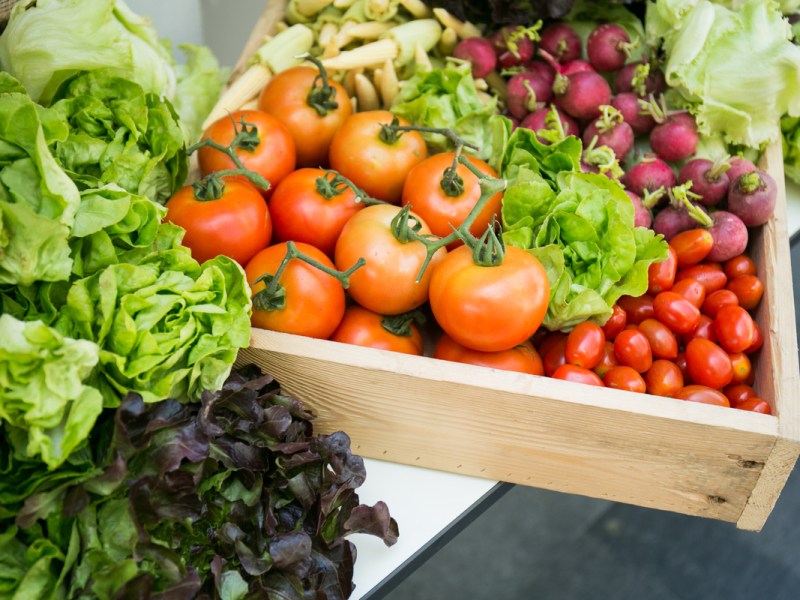
Oxalate is a waste product of the body’s metabolism but is also found in many foods including peanuts, rhubarb, spinach, beets, Swiss chard, chocolate, sweet potatoes- and watercress.

Keep reading

Watercress- From Tasty to Toxic

Fascioliasis is found in all continents except Antarctica, in over 70 countries,  especially where there are sheep or cattle. People usually become infected by eating raw watercress or other water plants contaminated with immature parasite larvae.

Keep reading
The Rich History of Watercress in Native American Culture

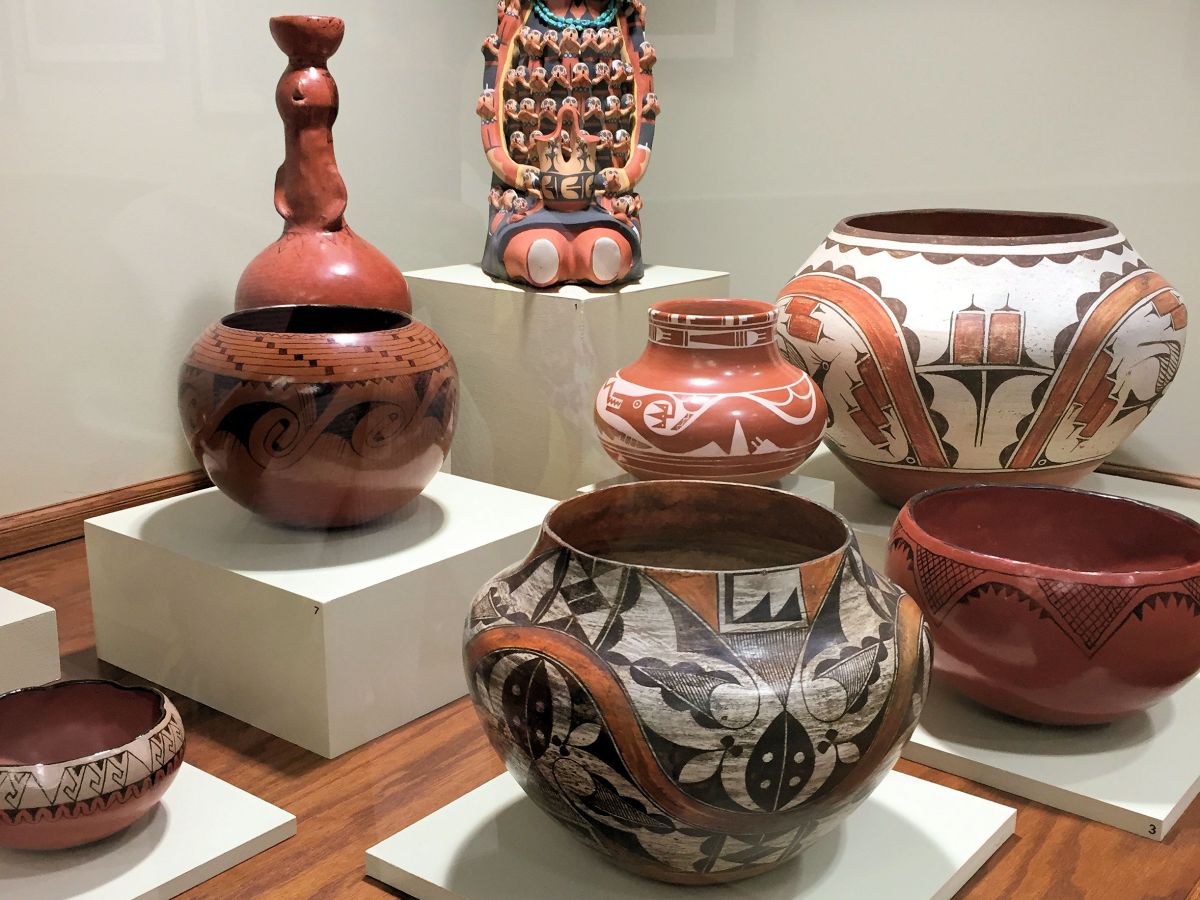
In 1889, the Locvpokv Muscogee Creeks established the village of Talasi near the Arkansas River, later called Tulsa. The Council Oak remains a cultural landmark, where Native Americans hold ceremonies. This article explores watercress and its culinary uses, highlighting its significance to local indigenous communities and the environment.

Keep reading

exploring the HEART of watercress

And I always appreciate your sharing this and all my posts on social media and linking to it on your blog and newsletters. Just please don’t use it as medical advice or recommendation, it’s for information and inspiration as we explore the HEART of health.
a cup of coffee surrounded by fall leaves

Dr Aletha

Watercress and Other Herbs

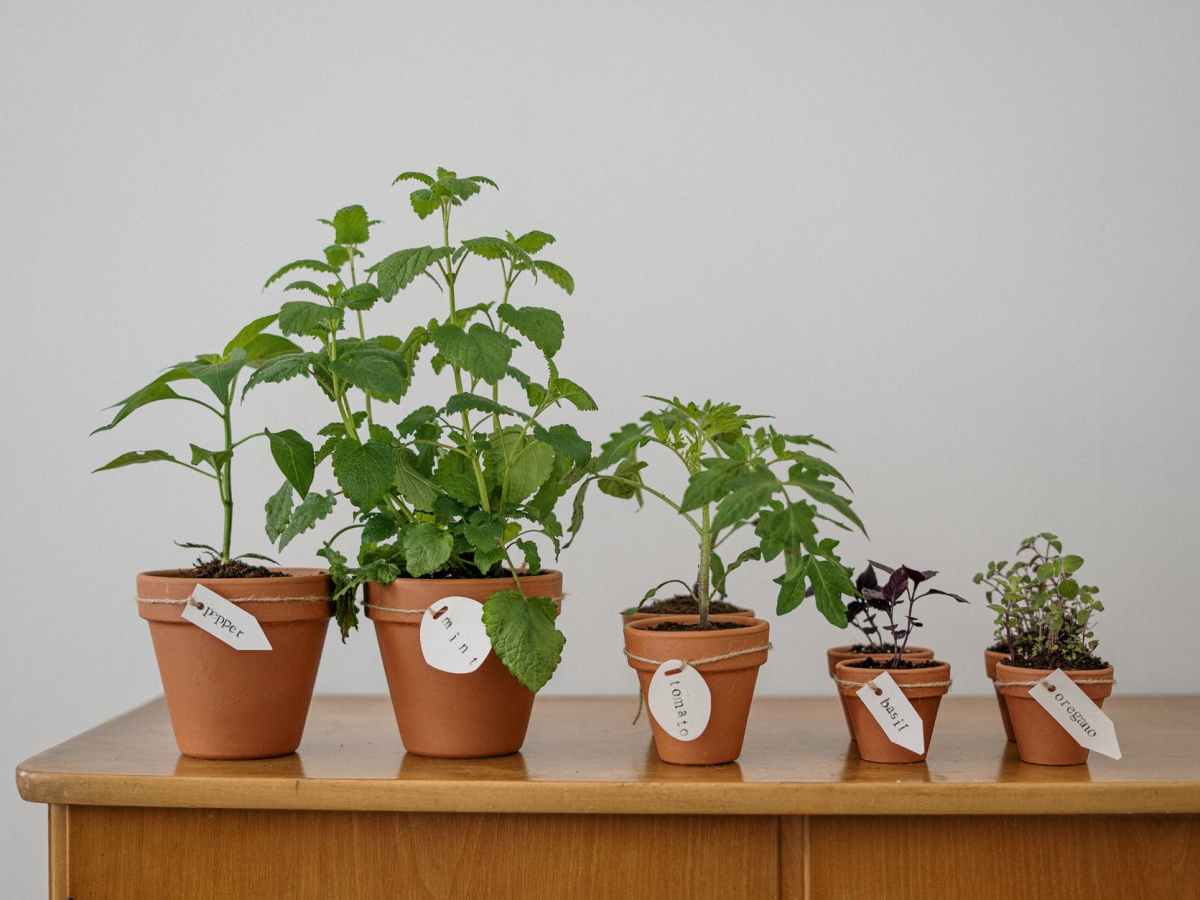
An herb comes from the green leaf of a plant. In American English the H is silent.

I’ve talked about watercress from the viewpoints of botany, geology, agriculture, and geography now I’ll tell you about watercress from its most familiar viewpoint- nutrition, cooking, and eating.

Watercress is a vegetable, specifically a green leafy vegetable in the same family as broccoli and cabbage. But watercress has another identity and that is an herb.

Note: Because I live and publish in the United States, I use the American pronunciation of herb in which the h is silent. Apparently, the word is pronounced differently in the United Kingdom. I don’t know how other English-speaking countries pronounce it. You can listen to the difference at this link.

herb pronunciation
a drawing of a nastutium plant-watercress

What is an herb?

 According to Bee Wilson writing in her column Table Talk, The Wall Street Journal (June 17th, 2021)

“Sometimes the term is used interchangeably with “spice” but technically an herb-which comes from the Latin herba, meaning “grass”-comes from the green leaf of a plant whereas spices come from other parts such as seeds, bark, roots, and buds.”

Ms. Wilson points out that it is perfectly possible to cook and eat without fresh herbs, but it would be dull. She gives examples–warm focaccia with rosemary, Mexican food with the grassy hit of cilantro, and Vietnamese pho soup with its essential mint; without these, half the pleasure would be gone.

The person who cooks with herbs is making a stand for joy.
Bee Wilson

Photo by cottonbro on Pexels.com

Cooking with herbs

She explained that half a century ago the only herbs in frequent use were mint, thyme, sage, marjoram, rosemary, and basil. Other herbs less commonly used included bay leaves, chives, chervil, parsley, and tarragon.

But the use of cilantro was little known. Both it and basil grew in popularity as Mexican and Italian cooking spread throughout the United States, as now is Middle Eastern cuisine.

Ms. Wilson recommends a cookbook by Mark Diacono, a gardener and cook, Herb: A Cook’s Companion. In it, he included a recipe for grilled peaches flavored with basil, watercress, and shaved parmesan.

View a sample of the Kindle version at this link.

She relates that in Renaissance Europe herbs were seen as vital in the kitchen both for seasoning and as medicine.

In an old cookbook, she found a recipe using the herb borage, that claimed to comfort the heart and take away melancholy. She tried it, but it didn’t work. However, she said it is true that life is sweeter with herbs.

Unfortunately, this historical book, The Treasurie of Commodious Conceits, is now out of print.

Books by Bee Wilson (affiliate links)

At her blog, Claire’s World, Claire Justine a “47+ lifestyle blogger from Nottingham” offers us this scrumptious-sounding recipe using watercress. Visit her blog and try some of her other recipes also.

Baked Pumpkin and Watercress Fondue
Photo by Kristina Paukshtite on Pexels.com


Watercress, a Multifaceted Plant

Watercress contains significant amounts of iron, calcium and folic acid, in addition to vitamins A and C. Many health benefits are attributed to eating watercress , such as that it acts as a mild stimulant, a source of phytochemicals and antioxidants, a diuretic, an expectorant, and a digestive aid. It may also have cancer-suppressing properties,…

Keep reading

Watercress- From Tasty to Toxic

Fascioliasis is found in all continents except Antarctica, in over 70 countries,  especially where there are sheep or cattle. People usually become infected by eating raw watercress or other water plants contaminated with immature parasite larvae.

Keep reading

exploring the HEART of Health

I’d love for you to follow this blog and follow me on social media.

I share information and inspiration to help you transform challenges into opportunities for learning and growth.

Add your name to the subscribe box to be notified of new posts by email. Click the link to read the post and browse other content. It’s that simple. No spam.

I enjoy seeing who is new to Watercress Words. When you subscribe, I will visit your blog or website. Thanks and see you next time.

And please share this post with your friends who want to know more about watercress and herbs. Or who just like good food.

Thanks,

Dr. Aletha