After You Hear It’s Cancer-a book review

“After You Hear It’s Cancer” by Dr. Lori Leifer and John Leifer offers a comprehensive guide for navigating cancer diagnosis and treatment. Drawing on personal experiences, the authors provide practical advice on various stages of cancer care, including diagnosis, treatment, and post-treatment challenges, along with resources for support and advocacy.

updated November 7, 2025

This information is current as of the date of original publication or update. It may have changed by the time you read this. I invite you to fact-check what you read here.

Please do not use this information for diagnosis or treatment purposes. Before making health decisions, discuss with your physician or other qualified healthcare provider.

After You Hear It’s Cancer

A Guide to Navigating the Difficult Journey Ahead

By John Leifer with Lori Lindstrom Leifer, MD
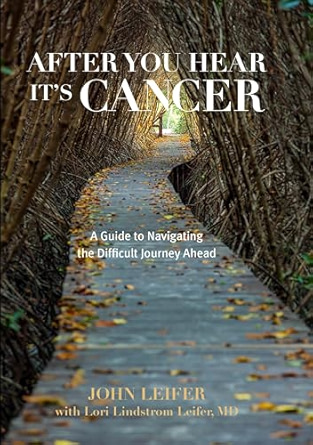
available on Amazon, read a sample at this affiliate link

Dr. Lori and John Leifer

Dr. Lori Leifer, a radiation oncologist, was well qualified to author a book about cancer. As a physician who treats cancer with radiation, she has extensive training and experience managing patients diagnosed with this devastating disease.

(Note: the photos and graphics are for illustration and are not associated with the book. The book links are affiliate links for possible compensation to this blog.)

However, her professional knowledge expanded to a new level when she found a lump that turned out to be cancer. Then she and her husband, John faced the daunting task of confronting cancer as a patient and the patient’s spouse.
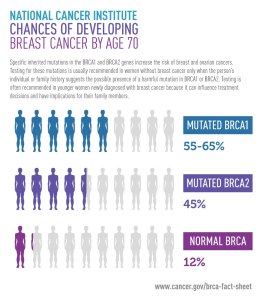
chance of developing breast cancer by age 70-National Cancer Institute
Source: National Cancer Institute (NCI)

They turned this life-changing experience into another chance to help the people she has spent her career caring for. Together, they wrote this book offering personal and professional guidance to help cancer patients navigate the journey.

Joining them are other families dealing with cancer who candidly share their experiences and what they have learned along the way, both positive and negative.

Cancer- the difficult journey

The Liefers’ guidance follows the same path as cancer patients. First, there is a diagnosis, followed by a review and planning of treatment options.

Then there is the active treatment phase, which involves some combination of surgery, radiation, and chemotherapy.

Finally, there is life after the treatments. Each phase has its own issues to navigate, which they explain with specific and understandable advice.

A mammography on left and a Magnetic resonance image (MRI) on right. Breast imaging technology has changed over the years. Note MRI’s enhancement ability to confirm diagnosis.
Mitchell D. Schnall, M.D., Ph.D. University Of Pennsylvania
Creator:Unknown Photographer, Public domain

Navigating the journey

In part I, Diagnosis and Treatment Planning, they review how doctors diagnose and stage cancer, and how that influences treatment. They discuss when and why to get a second opinion, how genetic testing can help, selecting doctors and facilities, and considering a clinical trial.

This image shows a triple-negative breast cancer cell (MDA-MB-231) in metaphase during cell division. Tubulin in red; mitochondria in green; chromosomes in blue. A better understanding of how mitochondria play roles in tumor cell division may provide new therapeutic targeting strategies to stop tumor cell growth.National Cancer Institute \ Univ. of Pittsburgh Cancer Institute
Creator:Wei Qian-public domain

Part II, During Active Treatment, they discuss the practical aspects of paying for cancer care and how caregivers fit into the treatment plan.

Other vital topics include pain control, managing side effects, and the importance of nutrition and exercise. They also review why and why not to consider complementary therapies.

There are different subtypes of women’s breast cancer. Knowing which subtype is important for guiding treatment and predicting survival. This graphic was created for the Annual Report to the Nation on the Status of Cancer, 1975-2011, published in 2015. Source:
National Cancer Institute (NCI), public domain

In part III, After Initial Treatments Are Over, they acknowledge the challenge of cancer survivors and what to consider when treatment is ineffective. Sometimes patients and families must face “difficult decisions,” with guidance on when to stop curative treatment and use hospice care.

Guidance

All throughout the book, the Leifers recommend “asking questions”. Each section concludes with a list of specific questions to ask.

The book ends with a list of Resources, including advocacy and support groups, websites on cancer treatment and research, foundations and other nonprofits, government websites, and professional associations.

Some of these are

Recommended for “those who hear its cancer, their families, and friends

I recommend this book to families navigating this “difficult journey.” Those wanting to understand and support friends and co-workers with cancer will find the advice useful.

Since cancer is common and can strike any family, everyone should consider reading it proactively.

Finally, this general approach to diagnosing, treating, and living with a serious illness can be applied to other serious or life-threatening diseases

About the authors

I received a complimentary digital copy of this book from NetGalley in exchange for a review. The book was published in 2015 by Rowman and Littlefield.

The University of Kansas Cancer Center shares Dr. Leifer’s story at this link, Doctor Becomes Breast Cancer Survivor.

John Leifer is a senior health care executive, consultant, academic, and writer, including four novels. He is also an accomplished photographer.

Exploring the HEART of health

I thank NetGalley and the publishers for asking me to review this book, especially the Leifers for sharing their story.

I’d love for you to follow this blog. I share information and inspiration to help you transform challenges into opportunities for learning and growth.

Add your name to the subscribe box to be notified of new posts by email. Click the link to read the post and browse other content. It’s that simple. No spam.

I enjoy seeing who is new to Watercress Words. When you subscribe, I will visit your blog or website. Thanks and see you next time.

Dr. Aletha

The Leifers’ books are available from Bookshop.org. Visit my online shop at this link.

Bookshop.org is an online bookstore that financially supports local, independent bookstores.

We believe bookstores are essential to a healthy culture and they are dedicated to the common good.

Bookshop.org donates a portion of every sale to independent bookstores.

Celebrating Life after Cancer

Celebration of Life Mural-The mural was created to honor those surviving the disease of cancer. The mural’s tiles are inscribed by cancer survivors and represent the continuous flow of life.

“Full Recovery” from addiction to recovery-book review

This post reviews Brian McAlister’s “Full Recovery” . It outlines a personal action plan for overcoming addiction through self-discovery and empowerment. Using personal anecdotes and principles from s successful figures, he emphasizes a moral foundation based on n a Higher Power. The book serves as a guide for transformation, encouraging positive life changes.

Full Recovery 

The Recovering Person’s Guide to Unleashing Your Inner Power 

a book by Brian McAlister

“a spiritual journey of empowerment and self-discovery “

Brian McAlister is CEO of Full Recovery Wellness Center,  a substance use treatment center in Fairfield, New Jersey.

He is also the owner of MacSimum Publishing Co. , which published this book.

He has been sober since August 2, 1990.

The book starts with a disclaimer that it is “not intended as a substitute for any treatment program” and neither is this blog post.

GPS- Goals Produce Success 

Brian McAlister

Note: readers may support this blog by using the affiliate links in this post, at no extra charge; the graphics in this post are not found in the book

Addiction is a disease of selfishness and isolation.

Brian’s addiction to alcohol and drugs started as a teenager in the 1960s and continued into early adulthood when he lived an “outlaw biker lifestyle”.

Despite having a loving wife and son, he wasted his days drinking and carousing, getting in trouble legally and financially, until a near-fatal motorcycle accident jarred him into realizing that he was going nowhere.

But he was not content with merely getting sober, he wanted a better life for his family. He wrote,

In hindsight, I was very lucky to have become an alcoholic because lessons learned in recovery have given me the tools to succeed in all areas of my life.”

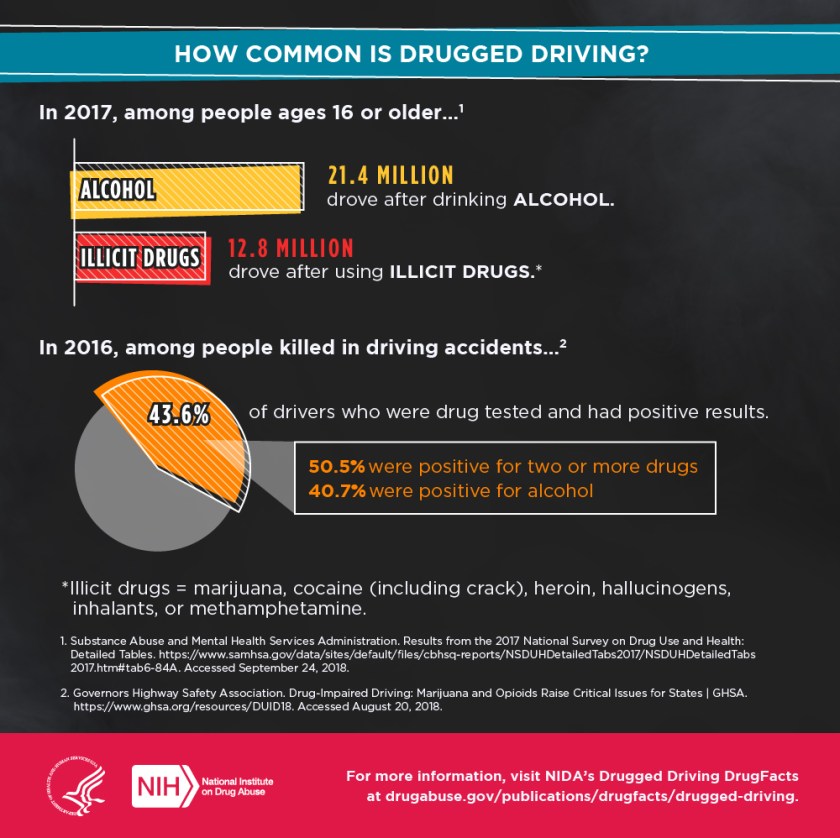
Drugged driving is common amond fatal driving accidents.
credit- NIH, National Institute on Drug ABuse

Full Recovery Action Plan

Brian’s Full Recovery Action plan presents the same principles he used to turn his life from addict to entrepreneur to successful businessman.

To take full advantage of the plan, readers need a notebook he says will become “your roadmap to success.” He closes each chapter with a “Let’s Review” list of main points followed by Action Plan exercises to complete and record in the notebook. 

His plan is simple and straightforward; it has three parts-

  1. Exploration
  2. Motivation
  3. Perspiration

Into those three parts, he packs enormous resources – personal stories, history, addiction statistics, life lessons, psychology, time management, work and business tips, and individual resilience.

Besides his own journey to sobriety, he uses personal examples from other former addicts (with their permission and names changed to protect privacy). He also relates anecdotes from well known successful people, including Ford, Edison, Lincoln, Einstein, Columbus, Eric Clapton, Sam Walton, Bill Gates, and Jesus. 

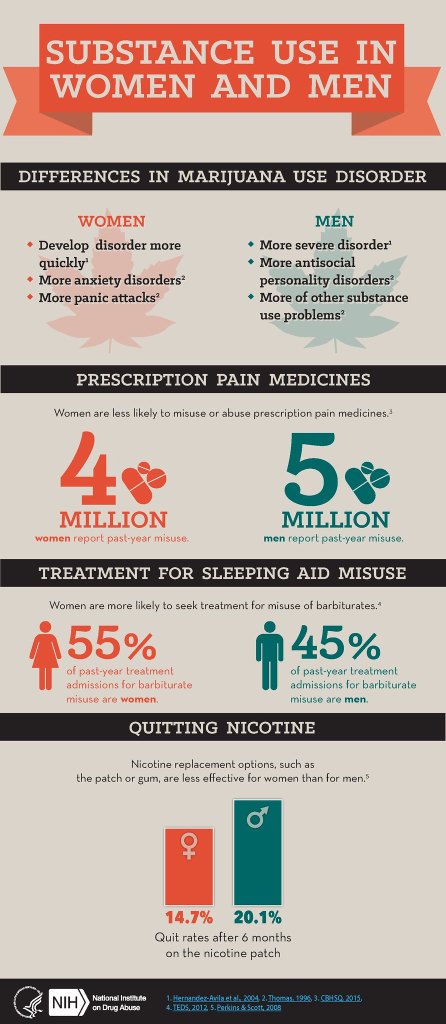
Substance use is difference in women and men; women develop disorder quicker, men have more severe disorder.
credit:NIH, National Institute on Drug Abuse

“A moral foundation”

Brian believes “full recovery” must be based on a “solid moral foundation”. Like with 12 Step addiction recovery programs, his is based on belief in a Higher Power.

Brian’s belief is based in Christianity, thus his frequent references to God and Jesus, and liberal use of scriptures from the Bible. But he does not insist those who use his program adhere to Christianity, but need to believe in someone higher than themselves.

“To be truly sober, and not just abstinent, I had to change my belief from one of self-reliance to reliance on God.”

He encourages addicts to cultivate attitudes of faith, hope, abundance, and gratitude, while also practicing practical skills of planning, listening, communicating, goal setting, and learning. These are all developed by completing the Action Plan exercises regularly.

My reaction to this book

I’ve never been addicted to anything, at least not drugs or alcohol, but I enjoyed Brian’s book and believe the program he outlines can help anyone wanting to change their life positively.

This version of Full Recovery was published in 2015. I read a complimentary digital version of this book for a NetGalley review. It was the 2010 edition titled Full Recovery: Creating a Personal Action Plan for Life Beyond Sobriety.

NETGALLEY MEMBER PROFESSIONAL READER

Resources on substance abuse, addiction, and sobriety

Understanding Drug Use and Addiction DrugFacts

Treatment Approaches for Drug Addiction DrugFacts

Understanding Alcohol Use Disorder

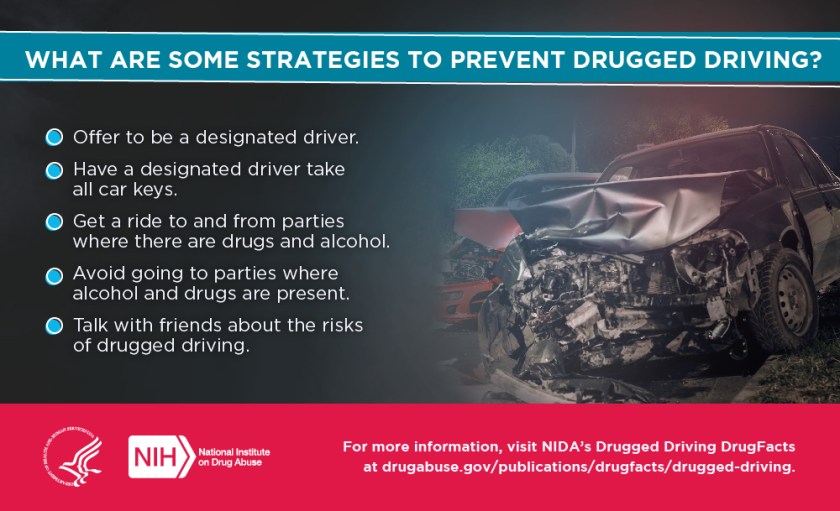
Strategies to prevent drugges driving-designated driver, one driver take all keys, get a ride to parties.
credit: NIH, National Institute on Drug Abuse

Responding to this post

You probably know someone with some type of substance abuse problem. If that person is a spouse, child, parent, or sibling, it affects you too. You cannot change the other person but you can control the way you respond and manage the challenges in your own life.

Here are some tips. Ask yourself how you can make these happen in your life.

  1. Learn about addiction, how the brain works, and what does and doesn’t work for treatment.
  2. Be aware of your emotions. You may feel sadness or anger. You may blame yourself or resent your relative. Understand your feelings rather than ignoring them.
  3. Be vigilant with self-care. Sleep, exercise, eat regular healthy meals.
  4. Look for support from friends, other affected families, and from activities you enjoy.
  5. Manage expectations. Knowing there will be progress followed by setbacks helps you and your loved one not get too discouraged.

exploring the HEART of health and sobriety

I’d love for you to follow this blog. I share information and inspiration to help you transform challenges into opportunities for learning and growth.

Add your name to the subscribe box to be notified of new posts by email. Click the link to read the post and browse other content. It’s that simple. No spam.

I enjoy seeing who is new to Watercress Words. When you subscribe, I will visit your blog or website. Thanks and see you next time.

TOP REVIEWER -for NetGalley

Dr Aletha

reviewer for Net Galley