I watched the final game of the Women’s World Cup between Japan and the United States. Tuning in a few minutes late I was stunned to see I missed the first 2 goals! Believe me, I paid attention the rest of the game and was not disappointed. I admired the skill, talent and energy of both teams and with other Americans cheered the United States team’s victory clinching the world champion title 5-2.
Besides enjoying the action I was more impressed by the class and grace demonstrated by both teams as winners and as losers. That is the greatest lesson we can teach children and I hope parents used that as a “teachable moment”.
I observed the superb fitness level of these and the other participants in the World Cup. Running up and down a field , kicking a ball and outmaneuvering opponents for 90 minutes is exhausting, but they made it look almost easy. We can’t all be world class athletes but we can be physically active in some way.
How to get active
The U.S. Department of Health and Human Services 2008 Physical Activity Guidelines for Americans
moderate-intensive physical activity for 150 minutes or more per week
vigorous-intensity activity for at least 75 minutes per week
engaging in muscle strengthening activity at least twice per week.
Why to get active
Medical studies show that exercise can prevent or improve many chronic health conditions and lack of exercise contributes to many diseases.
Physical activity may reduce the risk of cancers of the breast, colon, uterus, prostate and pancreas.
Regular exercise may help prevent diabetes and heart disease.
Exercise can relieve joint and back pain due to arthritis.
Depression is treated successfully with physical activity
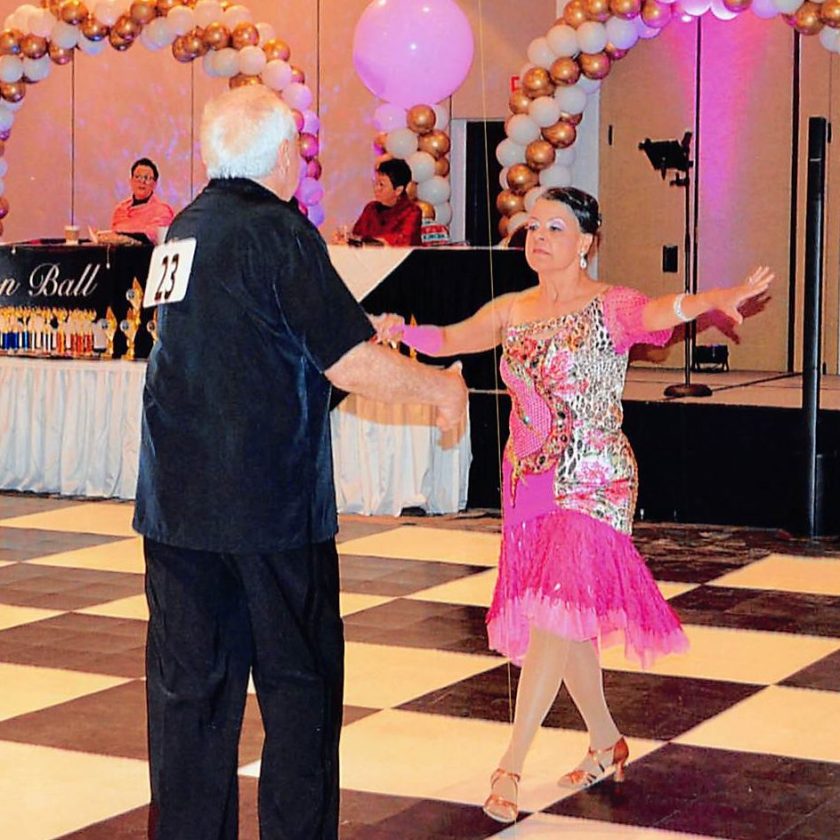
With proper guidance, anyone can perform some exercise or other physical activity regularly. I stay active with walking, ballroom dancing, gardening, and have recently tried yoga and tai chi.
I have more energy and stamina when I am active regularly, and get sluggish if I don’t.
What do you do to stay active, fit and moving? Please share and encourage someone else.
Exploring the HEART of Health
Thank you for reading this post. Please follow this blog and me on social media.
I share information and inspiration to help you transform challenges into opportunities for learning and growth.
Add your name to the subscribe box to be notified of new posts by email. Click the link to read the post and browse other content. It’s that simple. No spam.
I enjoy seeing who is new to Watercress Words. When you subscribe, I will visit your blog or website. Thanks and see you next time.
Dr. Aletha
Dancing is not just active and fun, it can be competitive.
Use these links to share the heart of health wherever you connect.
Effective communication between doctors and patients is crucial for accurate diagnosis and treatment. Patients often struggle to explain their symptoms, which a doctor may misunderstand. Using the mnemonic PQRST can help patients provide specific details, aiding doctors in identifying potential causes and planning appropriate management. Encouraging patients to be prepared to answer questions may lead to better outcomes.
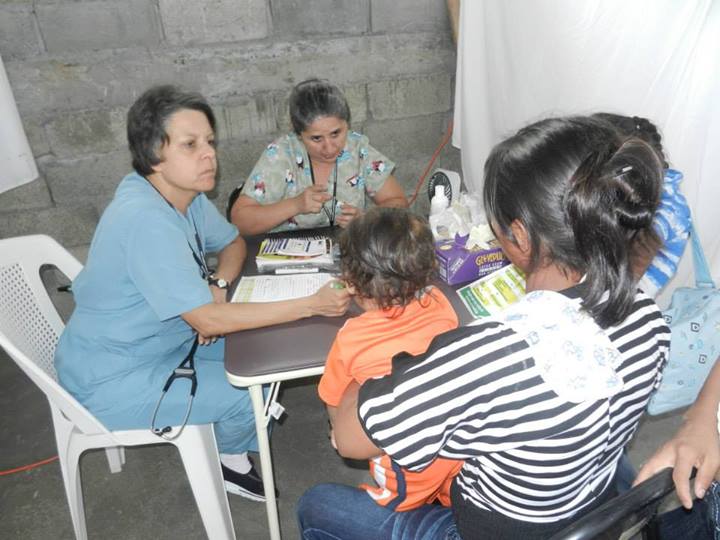
at a clinic in Latin America-eliciting the HPI- history of present illness- through an interpreter can be challenging
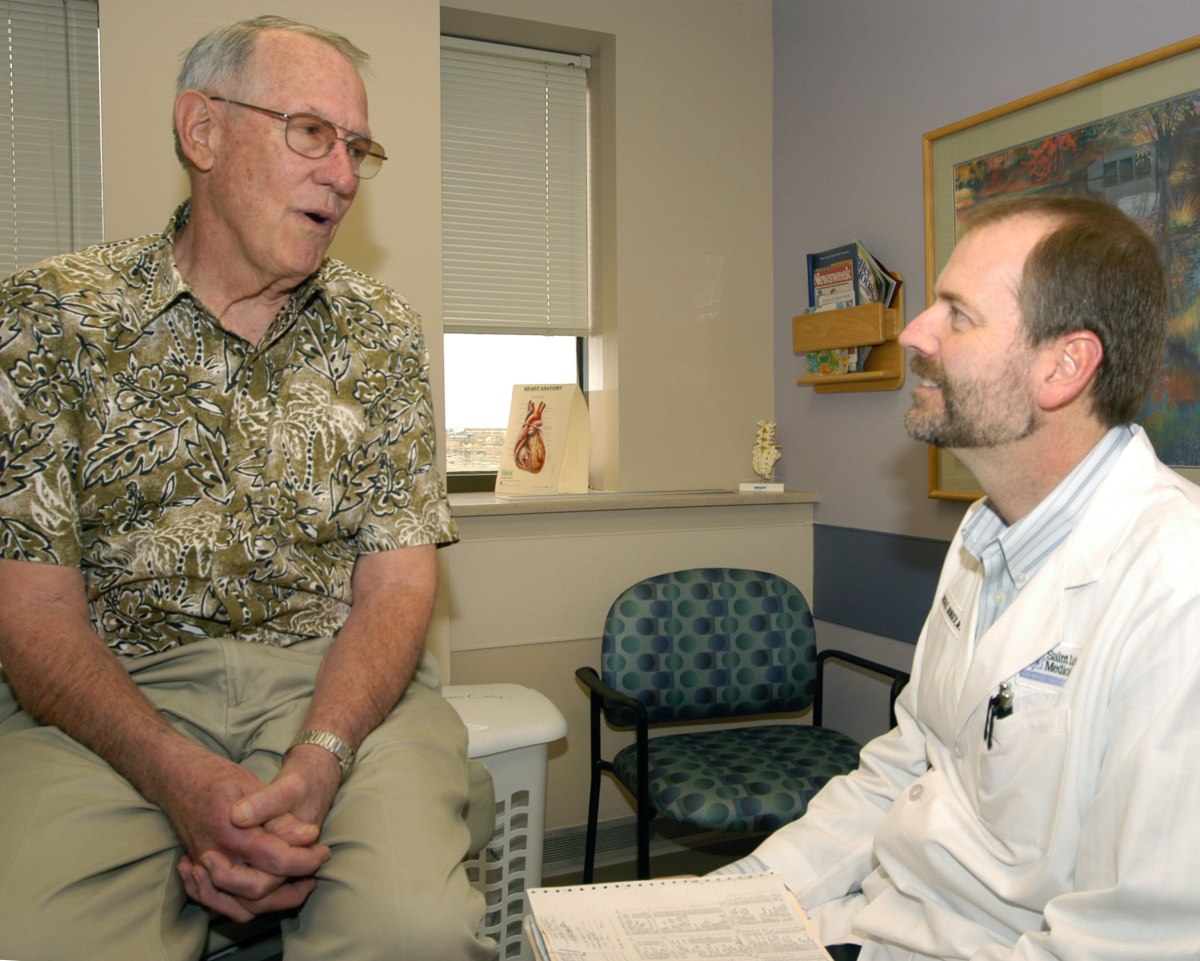
When I see a new patient I may ask why they left their previous doctor. One of the most common reasons I hear is, ” My doctor wasn’t listening to me.”
Accurate communication between doctors and patients is vital for effective diagnosis and treatment but can be difficult for many reasons. One is that doctors and patients may approach the medical encounter from different viewpoints and have different goals.
Patients already know what is “wrong” and want to know what can be done to help or fix their problem as quickly as possible. The physician’s focus is on getting an accurate medical history to help narrow down the possible diagnoses so they can proceed to testing and then treatment.
Medical students are taught to take a “history” from a patient, one of the first skills taught in medical school. The history is the most important part of the medical encounter because, as we are taught,
“Listen to the patient and the patient will tell you what is wrong.”
This doesn’t mean the patient should give the doctor a diagnosis, although that is what often happens.
What Patients usually say
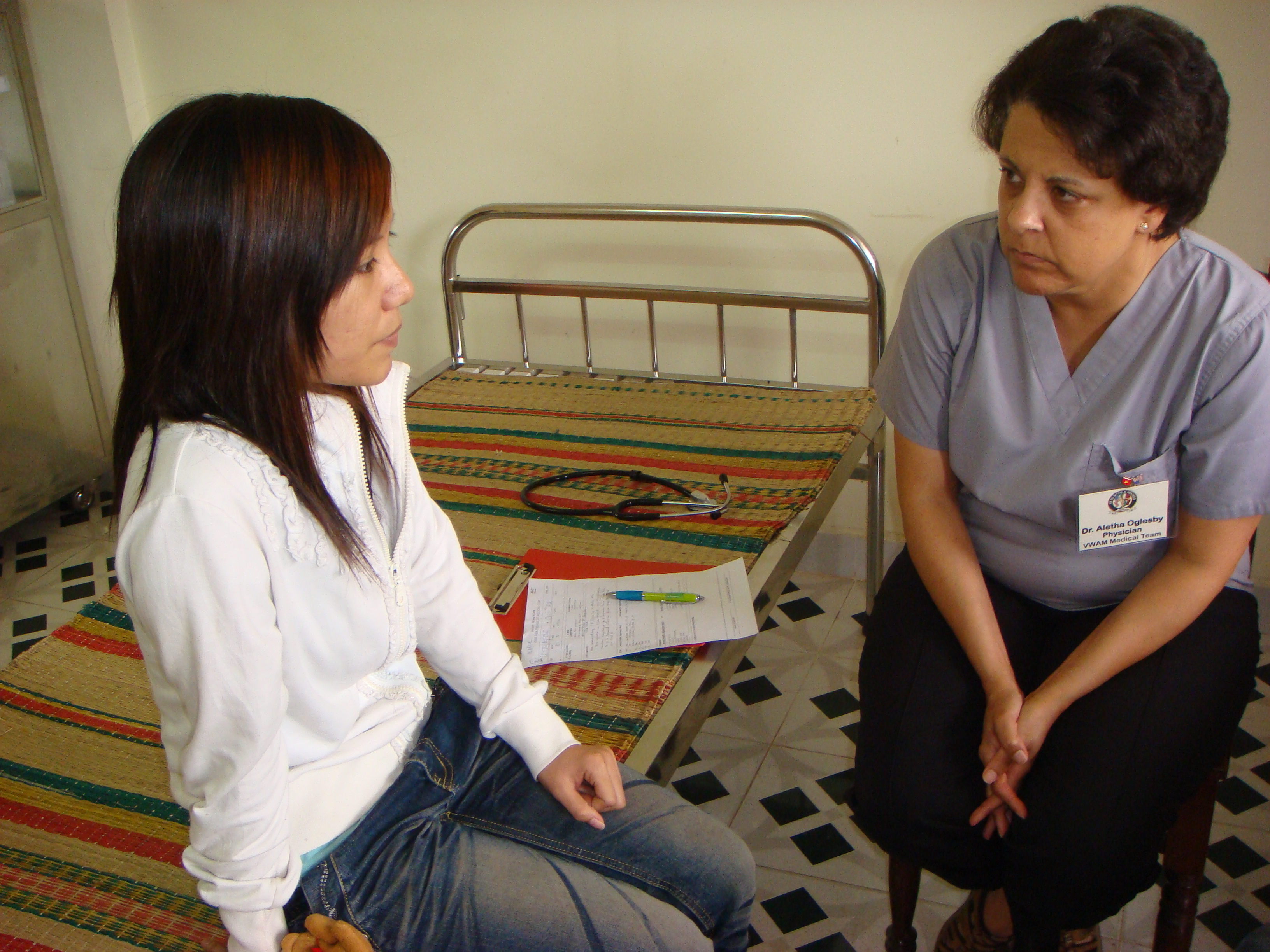
Physician: “Hello, I’m Dr. Oglesby. Why are you here today?”
Patient:” I have a ________.”
Fill in the blank with any number of diagnoses that patients believe they have- a bladder infection, the flu, bronchitis, a sinus infection, pulled muscle, poison ivy, ankle sprain, etc.
What it does mean is that the history of the patient’s problem– how and when it started, how it has progressed, what the current status is- gives the doctor the necessary information to develop a “working diagnosis”- in other words, the most likely explanation for the symptoms. Then the doctor can proceed with further evaluation to confirm or refute that diagnosis, and possibly lead to an alternate diagnosis to explore.
This process is called obtaining the HPI- the History of Present Illness. That distinguishes it from the PMH- the Past Medical History. (Medicine loves acronyms.)
We want to hear from patients a description of the symptoms in their own words. Then we ask questions to clarify and expand.
What doctors wish patients would say
Patient comes to me with complaint of headaches. And says-
“Dr. Oglesby, I have terrible headaches all the time. I think I have a brain tumor and want an MRI as soon as possible.”
But what I need to hear is –
“Dr. Oglesby, I have headaches. The headaches are brought on by stress. Loud noise aggravates the pain. Lying in a dark room improves them. There is a throbbing pain in one of my temples and it shoots to the top and back of my head. The headaches are so severe that I cannot take care of my family. I have a headache once a week, and it lasts for at least 2 hours.”
It may sound simple, but I find that patients often have difficulty describing how they feel. They may say they hurt, cough, itch or get short of breath, but give few details. Maybe we have become too used to text messaging with its brevity, abbreviations and emoticons. We have forgotten how to use descriptive words.
There are various mnemonics used to organize the elements of the HPI .(Medicine also loves mnemonics.)This is the one I learned in medical school- PQRST. The letters stand for the the different types of information we try to elicit in the HPI.
P- Precipitants- what happens to make the symptom begin or recur; Provocation– what makes it worse, increase, more frequent, etc: Palliation– what makes it better, less intense, less frequent
Region and Radiation- where on the body does it occur and where does it move to
Severity– how bad is it- mild, severe, disabling, tolerable, unbearable, worst ever; can also rate 1-10,
Timing- when in the past did it start, how often does it occur now; how long do episodes last; length of intervals between occurrences
Now we can apply this to the above example:
“Dr. Oglesby, I have headaches –region
that are brought on by stress–precipitant
Loud noise aggravates the pain–provocation
Lying in a dark room improves them-palliation
There is a throbbing pain in one of my temples and it shoots to the top and back of my head.-quality, region, radiation
The headaches hurt so much that I cannot take care of my family- severity
I have a headache once a week, and it lasts for at least 2 hours.” –timing
With this description, I would feel confident that the patient has migraine, not a brain tumor. If the physical examination is normal, she likely will not need an MRI and we can proceed to planning management of her headaches.
How we can work together
We doctors don’t expect our patients to always recite a rehearsed narrative about “why I came to the doctor today.” But it does help if you come prepared to answer questions as specifically as possible.
You might try thinking about your problem using the PQRST mnemonic. It will help your doctor identify possible causes for your symptoms, and may also help you understand your problem and even suggest ways you can help yourself.
Here is a true story about how some people tell a “country doctor ” what’s wrong.
“I have finally come to realize that Hedda carries with her more than a lifetime’s worth of grief, which now and then erupts as a sensation she has no words for. ”
Exploring the HEART of Health
Thank you for reading this post. Please follow this blog and me on social media.
I share information and inspiration to help you transform challenges into opportunities for learning and growth.
Add your name to the subscribe box to be notified of new posts by email. Click the link to read the post and browse other content. It’s that simple. No spam.
I enjoy seeing who is new to Watercress Words. When you subscribe, I will visit your blog or website. Thanks and see you next time.