
The objective of the Make America Healthy Again (MAHA) report from the White House is to “turn the tide and better protect our children”. The report goes on to state that it will
“study the scope of the childhood chronic disease crisis and any potential contributing causes, including the American diet, absorption of toxic material, medical treatments, lifestyle, environmental factors, Government policies, food production techniques, electromagnetic radiation, and corporate influence or cronyism;”
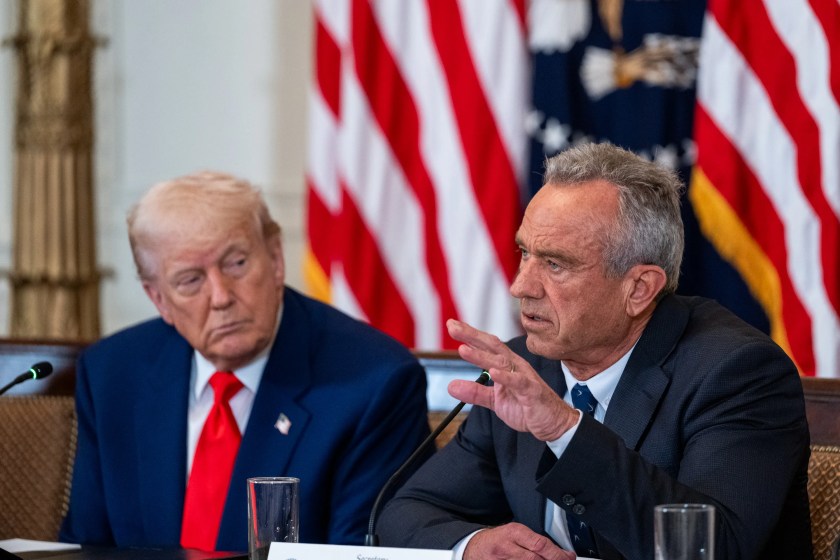
I have not read the entire report, but by reviewing the table of contents, I see no mention of violence, especially gun violence. Unless it’s implied under “environmental factors”, “Government policies”, or “corporate influence.”
Violence may not technically be a “chronic disease,” but it certainly is chronic in frequency, so I wonder why it’s not mentioned in the MAHA report. The physicians quoted in this story from Oklahoma Voice think it should be, and I agree.
Guns kill more US children than other causes, but state policies can help, study finds
by Nada Hassanein, Oklahoma Voice
June 17, 2025
(reprinted under Creative Commons license)
More American children and teens die from firearms than any other cause, but there are more deaths — and wider racial disparities — in states with more permissive gun policies, according to a new study.
The study, published in the medical journal JAMA Pediatrics last week, analyzes trends in state firearm policies and kids’ deaths since 2010. That’s the time of a landmark U.S. Supreme Court decision in McDonald v. City of Chicago. The ruling struck down the city’s handgun ban, clearing the way for many states to make it easier for people to buy and carry guns.
The study authors split states into three groups: “most permissive,” “permissive” and “strict,” based on the stringency of their firearm policies. Those policies include safe storage laws, background checks and so-called Stand Your Ground laws. The researchers analyzed homicide and suicide rates and the children’s race.
Using statistical methods, the researchers calculated 6,029 excess deaths in the most permissive states between 2011 and 2023, compared with the number of deaths that would have been expected under the states’ pre-McDonald rules. There were 1,424 excess deaths in the states in the middle category.
In total, about 17,000 deaths were expected in the post-decision period, but 23,000 occurred, said lead author Dr. Jeremy Faust, an emergency physician at Brigham and Women’s Hospital in Boston, in an interview.
Among the eight states with the strictest laws, four — California, Maryland, New York and Rhode Island — saw statistically significant decreases in their pediatric firearm death rates.
Illinois, which was directly affected by the court’s decision in the McDonald case, and Connecticut saw increases in their rates. In Massachusetts and New Jersey, the changes were not statistically significant.
The rate increased in all but four (Alaska, Arizona, Nebraska and South Dakota) of the 41 states in the two permissive categories. (Hawaii was not included in the study due its low rates of firearm deaths.)
Non-Hispanic Black children and teens saw the largest increase in firearm deaths in the 41 states with looser gun laws. Those youths’ mortality rates increased, but by a much smaller amount, in the states with strict laws.
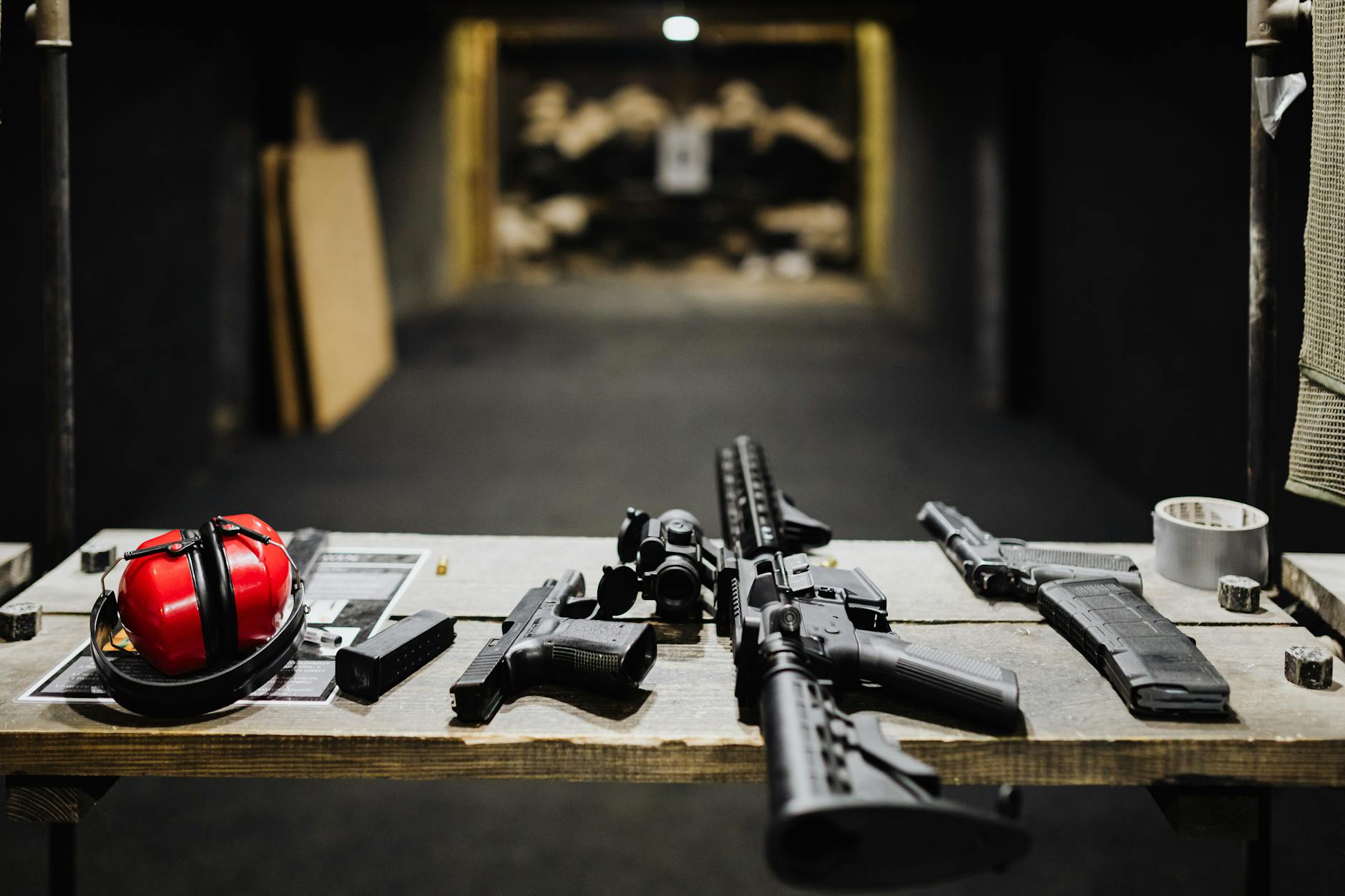
The Power of Gun Violence Policy
Experts say the study underscores the power of policy to help prevent firearm deaths among children and teens. The analysis comes less than a month after the release of a federal report on children’s health.
This report highlighted the drivers of poor health in America’s children but failed to include anything on firearm injuries — the leading cause of death for children and teens in 2020 and 2021, according to the federal Centers for Disease Control and Prevention.
Trauma surgeon Dr. Marie Crandall, chair of surgery at MetroHealth Medical Center and a professor at Case Western Reserve University School of Medicine in Cleveland, researches gun violence. She previously practiced at a Jacksonville, Florida, urban trauma unit, where she frequently saw children and teens caught in gun violence.
“When I see children come in with 10 holes in them that I can’t save — that is a loss. That is a completely preventable death, and it is deeply emotionally scarring to have to have those conversations with families when we know, as a society, there are things we could do to de-escalate,”
Dr. Marie Crandall, trauma surgeon
In her state of Ohio, firearm death rates among children and teens increased from 1.6 per 100,000 kids in the decade before the McDonald decision to 2.8 after it, according to the study. Ohio was categorized in the group with the most permissive laws.
The study adds to previous research that shows state laws around child access to firearms, such as safe storage and background checks, tend to be associated with fewer child firearm deaths.
“We know that child access prevention decreases unintentional injuries and suicides of children. So having your firearms locked, unloaded, stored separately from ammunition, decreases the likelihood of childhood injuries,” Crandall said. “More stringent regulation of those things also decreases childhood injuries.”
But she said it’s hard to be optimistic about more stringent regulation when the current administration dismisses gun violence as a public health emergency. The Trump administration earlier this year took down an advisory from the former U.S. Surgeon General, issued last year, that emphasized gun violence as a public health crisis.

Gun Violence is a Public Health Issue
Faust, the lead author of the new study, stressed that firearm injuries and deaths were notably missing from the Make America Healthy Again Commission report on children’s health. He said the failure to include them illustrates the politicization of a major public health emergency for America’s kids.
“It’s hard to take them seriously if they’re omitting the leading cause of death,” Faust said. “They’re whiffing, they’re shanking. They’re deciding on a political basis not to do it. I would say by omitting it, they’re politicizing it.”
Dr. Jeremy Faust, Emergency Medicine physician
Faust and pediatric trauma surgeon Dr. Chethan Sathya, who directs the Center for Gun Violence Prevention at the Northwell Health system in New York, each pointed to car seat laws and public health education, as examples of preventive strategies that helped reduce childhood fatalities. They support a similar approach to curbing youth gun deaths.
“We really have to apply a public health framework to this issue, not a political one, and we’ve done that with other issues in the past,” said Sathya, who wasn’t involved in the study and oversees his hospital’s firearm injury prevention programs. “There’s no question that this is a public health issue.”
Politics and Gun Violence
In Louisiana, categorized as one of the 30 most permissive states, the child firearm mortality rate increased from 4.1 per 100,000 kids in the pre-McDonald period to 5.7 after it — the nation’s highest rate. The study period only goes to 2023, but the state last year enacted a permitless carry law, allowing people to carry guns in public without undergoing background checks. And just last month, Louisiana legislators defeated a bill that would have created the crime of improper firearm storage.
Louisiana Democratic state Rep. Matthew Willard, who sponsored the safe storage legislation, said during the floor debate that its purpose was to protect children. Louisiana had the highest rate of unintentional shootings by children between 2015 to 2022, according to the research arm of Everytown for Gun Safety, which advocates for stricter gun access. Willard cited that statistic on the floor.
But Republican opponents said Willard’s proposal would infringe on residents’ gun rights and make it more difficult for them to use guns in self-defense.
“Nobody needs to come in our houses and tell us what to do with our guns. I think this is ridiculous,” Republican Rep. R. Dewith Carrier said during the debate.
Another Republican opponent, state Rep. Troy Romero, said he was concerned that having a firearm locked away would make it harder for an adult to quickly access it.
“If it’s behind a locked drawer, how in the world are you going, at 2 or 3 in the morning, going to be able to protect your family if somebody intrudes or comes into your home?” Romero said.
Gun violence researcher Julia Fleckman, an assistant professor, and her team at Tulane University in New Orleans have started to collect data on the impact of the state’s permitless carry law.
“It places a disproportionate impact on really vulnerable people, really, our most vulnerable people,” Fleckman said, noting kids bear the brunt of legislators’ decisions. “They don’t have a lot of control over this or the decisions we’re making.”
In South Carolina, another of the most permissive states, the mortality rate increased from 2.3 to 3.9 per 100,000 kids in the time before and after the McDonald decision.
South Carolina Democratic state Rep. JA Moore, who lost his adult sister in the 2015 racist shooting that killed nine at a Charleston church, said state policy alone isn’t enough. He implored his colleagues to also examine their perception of guns.
“We have a culture here in South Carolina that doesn’t lend itself to a more safe South Carolina,” said Moore, who advocates for background checks and stricter carry laws. “There is a need for a culture change in our state, in our country, when it comes to guns and our relationships with guns as Americans, realizing that these are deadly weapons.”
And investing in safer neighborhoods is crucial, he said.
“People are hurt by guns in places that they’re more comfortable, like their homes in their own neighborhoods,” he said.
“There is a need for a culture change in our state, in our country, when it comes to guns and our relationships with guns as Americans, realizing that these are deadly weapons.”
State Representative JA Moore
Community Gun Control Efforts
Community-based interventions are important to stemming violence, experts said. Dr. Crandall, Cleveland surgeon, said there’s emerging evidence that hospital-based and community-based violence prevention programs decrease the likelihood of violent and firearm-related injury.
Such programs aim to break cycles of violence by connecting injured patients with community engagement services. After New York City implemented its hospital-based violence interruption program, two-thirds of 3,500 violent trauma patients treated at five hospitals received community prevention services.
After her 33-year-old son was killed in her neighborhood in 2019, Michelle Bell started M-PAC Cleveland — “More Prayer, Activity & Conversation” — a nonprofit collaborative of people who’ve lost loved ones to violent crime. She’s encountered many grieving parents who lost their children to gunfire. The group advocates and educates for safe storage laws and holds peer grief support groups.
She also partners with the school district in a program that shares stories of gun violence’s long-lasting impact on surviving children, families, and communities and non-violent interpersonal conflict resolution.
“Oftentimes, the family that has lost the child, the child’s life has been taken by gun violence, there are other children in the home,” she said.
“It’s so devastating. It’s just so tragic that the No. 1 cause of death for children 18 and under is gun violence,” Bell continued.
The decision to “pull a trigger,” she said, changes a “lifetime of not only yours, but so many other people.”
This story is republished under Creative Commons license CC BY-NC-ND 4.0.
“Oklahoma Voice provides independent, nonpartisan reporting that holds officials accountable and elevates the voices of those too often sidelined by the political process. We’re part of States Newsroom, the nation’s largest state-focused nonprofit news organization.”
Personal Gun Ownership-Right and Responsibility
You may be thinking, what about the Second Amendment to the Constitution, the right to “keep and bear arms”?
I don’t think anyone suggests repealing that amendment, although some may want to. The “arms” and guns available today are far more powerful than those in 1791. Would the authors of the Constitution think citizens need to own and use assault rifles?
If you own or use guns, use them wisely and safely, especially if there is any chance children or teens might have access to them.
Even the NRA, National Rifle Association, has NRA Gun Safety Rules.
At the NRA, firearm education and safety is paramount—that’s why we offer a variety of programs and services to promote the safe handling, use and storage of firearms. Whether you’re a parent in search of information about firearm safety in the home, a first-time gun owner, or an old pro looking to brush up on your firearm handling skills, the NRA is here to keep you and your family safe.
Exploring the HEART of Health
for your consideration
- How has gun violence touched you and your family?
- How safe do you feel from the risk of injury from firearms?
- How does this article change what you already know about gun violence?
- What else would you like to know about how guns affect the health of our communities?
I’d love for you to follow this blog. I share information and inspiration to help you transform challenges into opportunities for learning and growth.
Add your name to the subscribe box to be notified of new posts by email. Click the link to read the post and browse other content. It’s that simple. No spam.
I enjoy seeing who is new to Watercress Words. When you subscribe, I will visit your blog or website. Thanks and see you next time.
You can find other posts about guns and violence by searching in this box.
Dr. Aletha
- About Dr. Aletha
- How to Use this Site
- Make Your Life Easier
- Search by Category
- Share the HEART of health
- my Reader Rewards Club
- RoboForm Password Manager





 watercress words by Dr Aletha