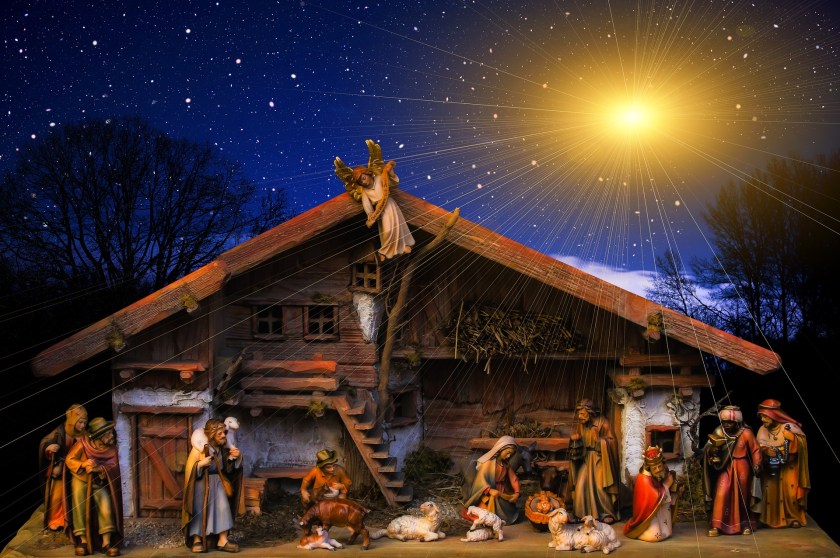
My family and I send Christmas wishes for peace, love, joy, and the HEART of health to you and all those you love.
“For unto you is born this day in the city of David a Savior, who is Christ the Lord. And this will be a sign for you: you will find a baby wrapped in swaddling cloths and lying in a manger.”
And suddenly there was with the angel a multitude of the heavenly host praising God and saying,
“Glory to God in the highest, and on earth peace among those with whom he is pleased!”
When the angels went away from them into heaven, the shepherds said to one another,
“Let us go over to Bethlehem and see this thing that has happened, which the Lord has made known to us.”
And they went with haste and found Mary and Joseph, and the baby lying in a manger.
If you are grieving the loss of someone you loved, please know that I care. My husband and I have lost several friends this year.
Although we lost them long ago, we still miss our parents and siblings every year. Time does not make their absence any easier. We hold their memories dear.
I pray you’ll find comfort in sharing the holiday with someone you love, whether in person or at a distance.
My family and I send Christmas wishes for peace, love, joy, and the HEART of health to you and all those you love.
Exploring the HEART of health
I’d love for you to follow this blog. I share information and inspiration to help you transform challenges into opportunities for learning and growth.
Add your name to the subscribe box to be notified of new posts by email. Click the link to read the post and browse other content. It’s that simple. No spam.
I enjoy seeing who is new to Watercress Words. When you subscribe, I will visit your blog or website. Thanks and see you next time.
In the United States, Father’s Day is celebrated on the third Sunday in June. A biblical story about a father and his two sons illustrates the concept of forgiveness and celebration. The “lost son,” also known as the prodigal son, represents someone who leaves and then returns, seeking forgiveness. The passage encourages honoring important father figures in our lives and embracing the role of a nurturing figure for others.
In the United States, we celebrate and honor fathers on the third Sunday in June, Father’s Day. However, it hasn’t always been popular, because men
“scoffed at the holiday’s sentimental attempts to domesticate manliness with flowers and gift-giving, or they derided the proliferation of such holidays as a commercial gimmick to sell more products–often paid for by the father himself.”
When World War II began, advertisers insisted that celebrating Father’s Day honored American troops and supported the war effort. By the war’s end Father’s Day was a national institution and in 1972 became a national holiday.
The Prodigal Son
In the Bible, Jesus told a story about a father with two sons who chose different paths in life. He said,
“There was once a man who had two sons. The younger said to his father, ‘Father, I want right now what’s coming to me.’
So the father divided the property between them. It wasn’t long before the younger son packed his bags and left for a distant country.
There, undisciplined and dissipated, he wasted everything he had. After he had gone through all his money, there was a bad famine all through that country and he began to feel it.
He signed on with a citizen there who assigned him to his fields to slop the pigs. He was so hungry he would have eaten the corn cobs in the pig slop, but no one would give him any. That brought him to his senses. He said,
Pigs graze on farm in countryside of Badajoz, Extremadura.
Hunger for home
‘All those farmhands working for my father sit down to three meals a day, and here I am starving to death. I’m going back to my father. I’ll say to him, Father, I’ve sinned against God, I’ve sinned before you; I don’t deserve to be called your son. Take me on as a hired hand.’
He got right up and went home to his father.
Faithful Father
When he was still a long way off, his father saw him. His heart pounding, he ran out, embraced him, and kissed him. The son started his speech:
‘Father, I’ve sinned against God, I’ve sinned before you; I don’t deserve to be called your son ever again.’
But the father wasn’t listening. He was calling to the servants,
‘Quick. Bring a clean set of clothes and dress him. Put the family ring on his finger and sandals on his feet. Then get a prize-winning heifer and roast it.
We’re going to feast! We’re going to have a wonderful time! My son is here—given up for dead and now alive! Given up for lost and now found!’
All this time his older son was out in the field. When the day’s work was done he came in. As he approached the house, he heard the music and dancing. Calling over one of the houseboys, he asked what was going on. He told him,
‘Your brother came home. Your father has ordered a feast—barbecued beef!—because he has him home safe and sound.’
The older brother stomped off in an angry sulk and refused to join in. His father came out and tried to talk to him, but he wouldn’t listen. The son said,
‘Look how many years I’ve stayed here serving you, never giving you one moment of grief, but have you ever thrown a party for me and my friends? Then this son of yours who has thrown away your money on whores shows up and you go all out with a feast!’
Let’s celebrate!
His father said, ‘Son, you don’t understand. You’re with me all the time, and everything that is mine is yours—but this is a wonderful time, and we had to celebrate.
This brother of yours was dead, and he’s alive! He was lost, and he’s found!’”
The young man who left home in this story, the “lost son”, is sometimes called the prodigal son.
A prodigal is a son/daughter who leaves his or her parents to do things that they do not approve of but then feels sorry and returns home —often used figuratively
merriam-webster.com
You may not have a father who nurtured you, but I hope you can think of someone who played a similar role in your life-another relative, teacher, coach, pastor, or maybe employer. Please find a way to thank and honor that person. When you have an opportunity to “father” someone who needs it, I hope you will. There are a lot of “prodigals” out there.
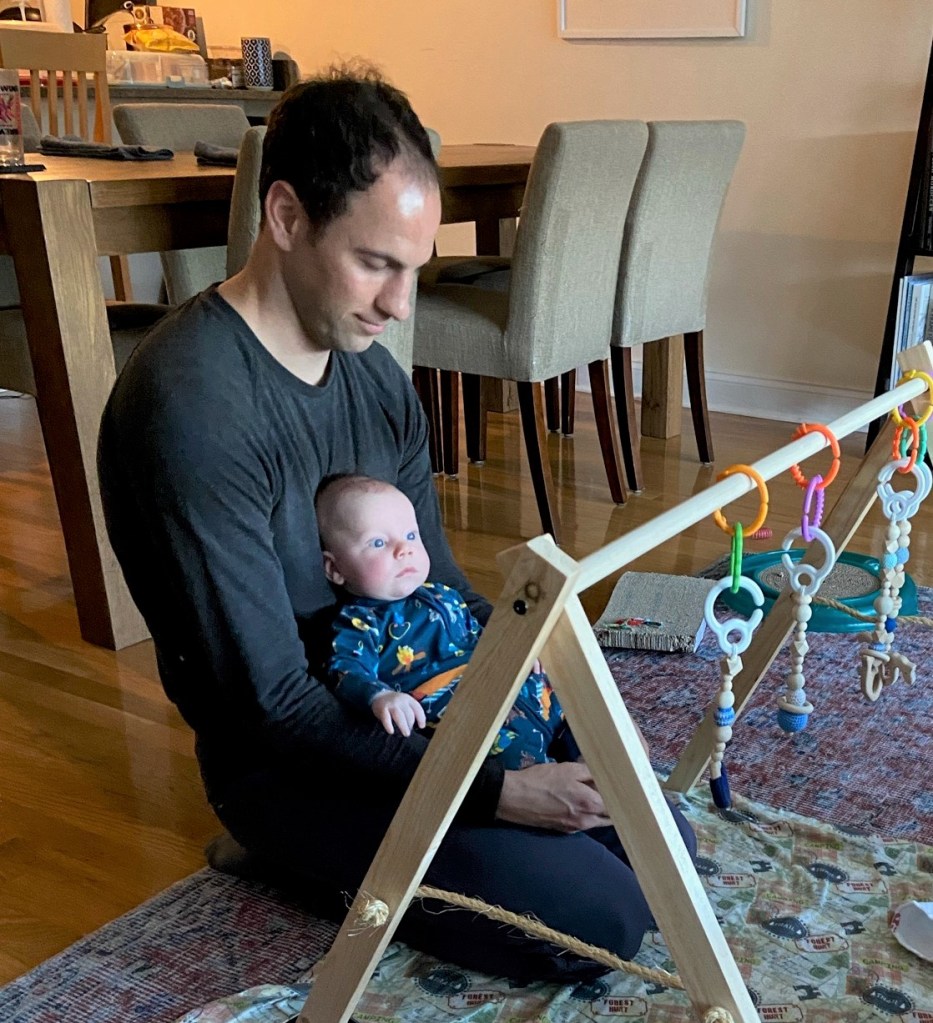
Both of my sons are fathers. One is the father of a teenager, the other has toddlers. They both learned the art of fatherhood from their dad, my husband.
I’d love for you to follow this blog. I share information and inspiration to help you transform challenges into opportunities for learning and growth.
Add your name to the subscribe box to be notified of new posts by email. Click the link to read the post and browse other content. It’s that simple. No spam.
I enjoy seeing who is new to Watercress Words. When you subscribe, I will visit your blog or website. Thanks and see you next time.
His theology met rock music when U2 frontman Bono read the Psalms and wanted to meet Peterson, who had never heard of him. Eventually, the two men met and appeared in a film about the Psalms in 2016.












 watercress words by Dr Aletha