Top 5 posts of 2016- #4

This week I’m sharing my top 5 most viewed posts of 2016. I’m not surprised that any of these were the most popular because a couple of them are among my favorites too. (Well, ok, they all are.)

Here is number 4- some advice I borrowed from another physician blogger. Dr. Mary Brandt writes a blog for medical students and residents and I thought this blog post contained good advice for anyone. It’s quite simple- even a doctor can understand it. We’re like everyone else- we may know the right thing to do, but putting it into practice presents a challenge. That’s why I recommend-

How to (not) eat like a doctor.


Despite food intake being one of the most important factors affecting our health, if not the most important, physicians are notorious for eating poorly. We don’t intentionally make poor food choices, but we fail to intentionally make good food choices. Most of the time, poor eating habits are tied directly to our education and work.

hospital
Medical students and residents spend more time in a hospital than at home.


Doctors in training- medical students and residents- have no control over their schedules so they often don’t know when, where or what they will eat. We don’t do much better when we start practicing.  When we are an hour behind schedule (yes, we are well aware that we run late and we don’t do it just to ruin your day) and an emergency patient walks in, we just accept “there goes a decent lunch”, if we get to eat lunch at all.
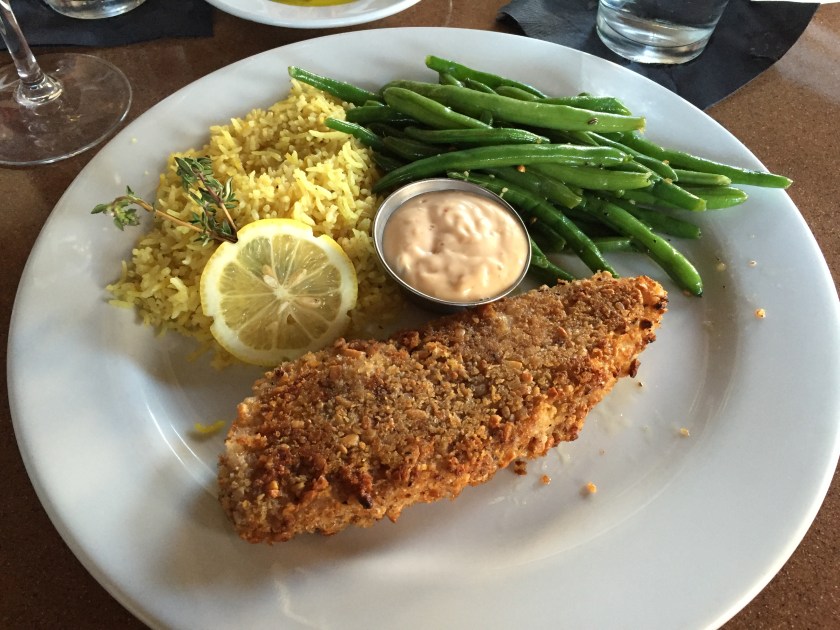
dinner plate with fish, green beans and rice
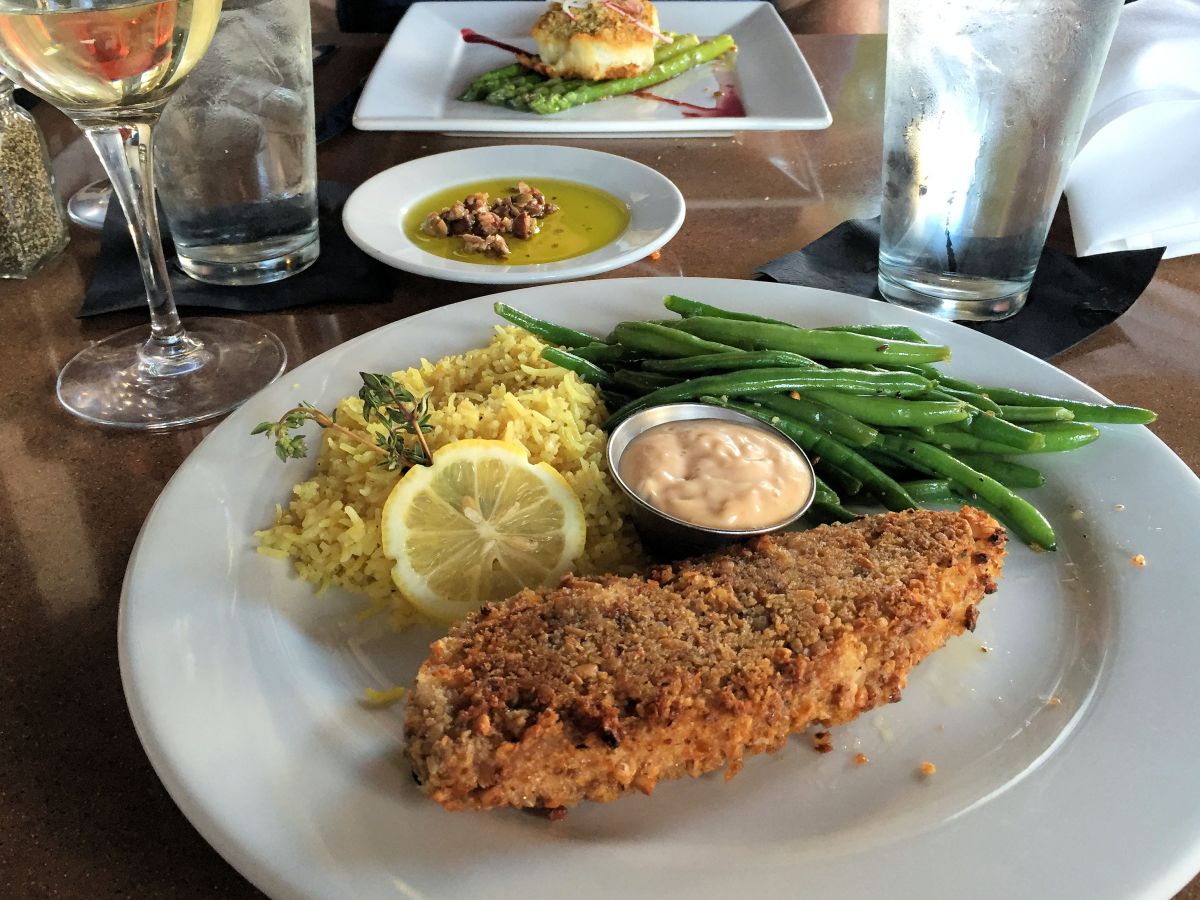
Medical students and residents rarely sit down to a lunch like this.


I’ve learned from my patients that physicians are not unique in this way. In the midst of busy lives with work, school, kids’ activities, church, clubs and just maintaining life, food often gets low priority on our schedules.

So, to help you with this dilemma, I am sharing advice from another physician blogger, Mary L. Brandt, MD who writes wellnessrounds. She is a Professor of Surgery, Pediatrics and Medical Ethics at Baylor College of Medicine and a practicing pediatric surgeon at Texas Children’s Hospital .  Her blog mostly addresses issues pertinent to medical students and residents but in this post she outlines a 5 step plan for healthy eating that anyone can use. In summary her 5 points are


  1. Make a plan
  2. Make a shopping list
  3. Shop once for the week and (when you can) prep ahead
  4. Use your day(s) off to cook things that might take a bit more time and freeze some for other days
  5. Keep a few “instant” healthy meals in your pantry
 

bottle of olive oil
Olive oil is a healthy choice for cooking at home.

Think this sounds like a lot of work? Well, it is, but so is being sick, or trying to lose weight after you’ve gained too much. Or as Dr. Brandt says in her post (speaking to medical students and residents remember)


“If you can learn how to take out a gallbladder or care for ill patients in the ICU don’t you think you can learn how to sauté a few vegetables???”

Here is her plan to help you start

Eating Well at Work 
 

vending machine with junk food
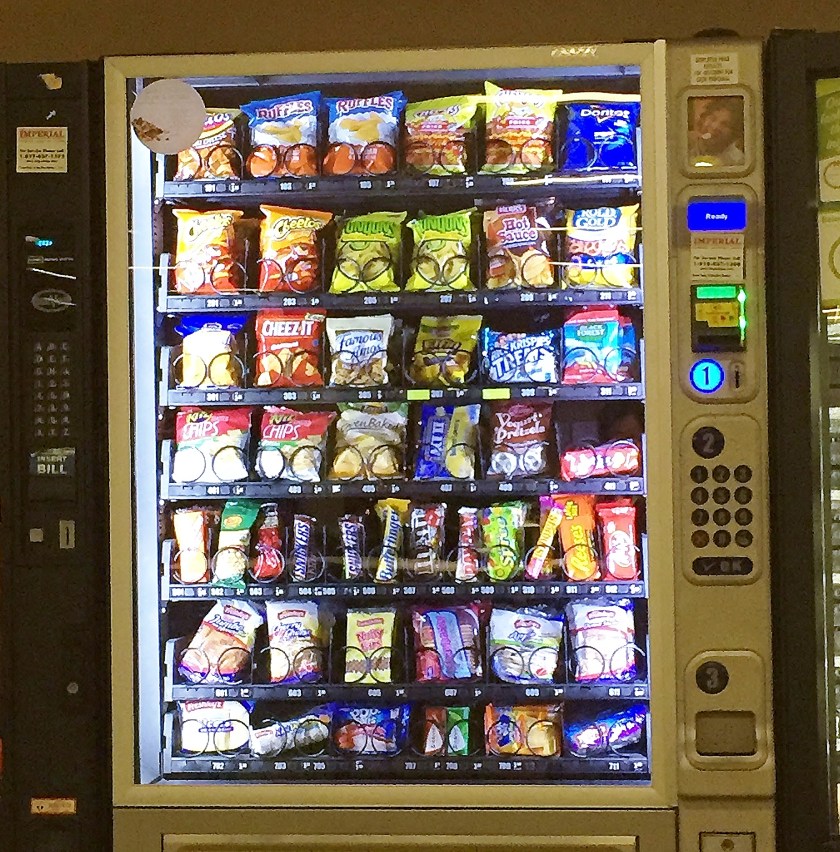
What not to eat at work.

Please return tomorrow for the third

most viewed post of this year.

Healthy Holiday Eating: Practical Management Tips

This post shares how holiday foods like marshmallows and eggnog, appear in traditions and songs. Holiday foods can challenge nutritional management of multiple health conditions. Here are practical tips for planning meals to accommodate dietary needs, while offering insights on healthy eating and managing sobriety during festivities. Ultimately, we can celebrate human connections over food.

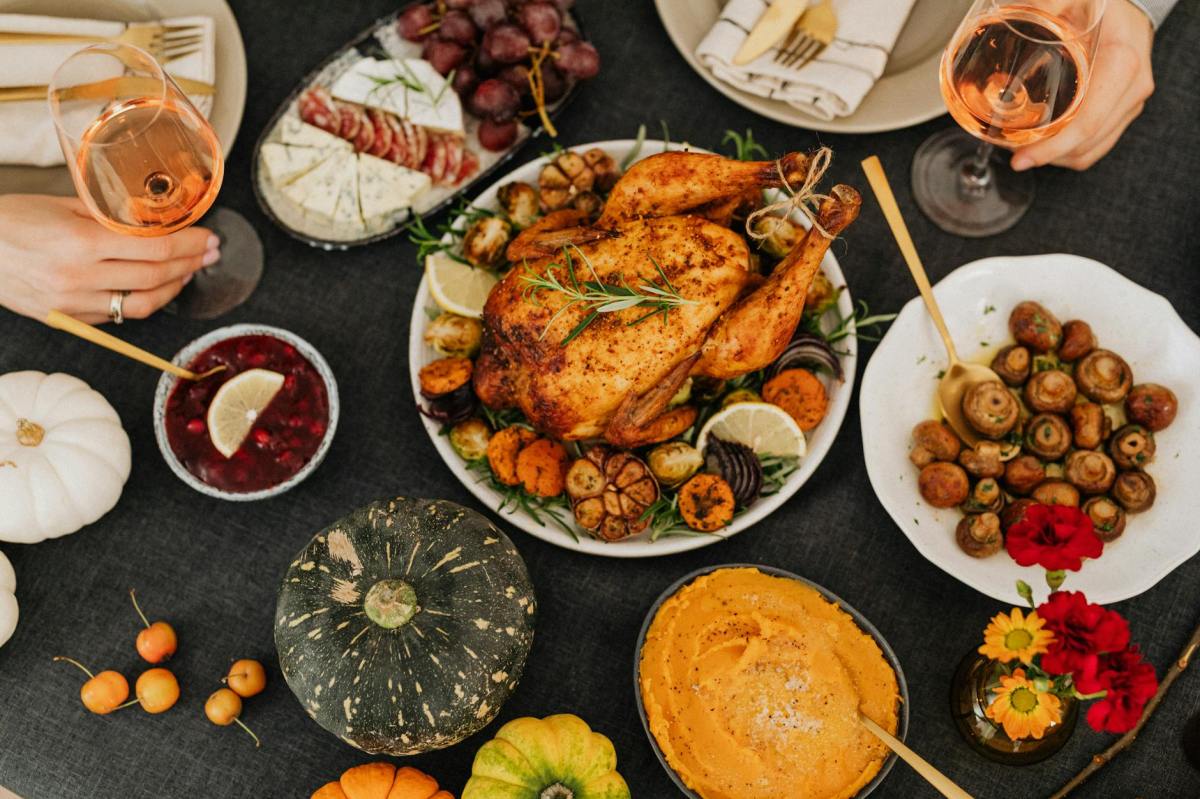
What do marshmallows, pumpkins, eggnog, popcorn, and pears have in common?

They are foods associated with holiday recipes, and they’re mentioned in songs about Christmas. You’ll also recognize less everyday foods like chestnuts, figgy pudding, collard greens, and wassail.

Recipes from Holiday Carols 

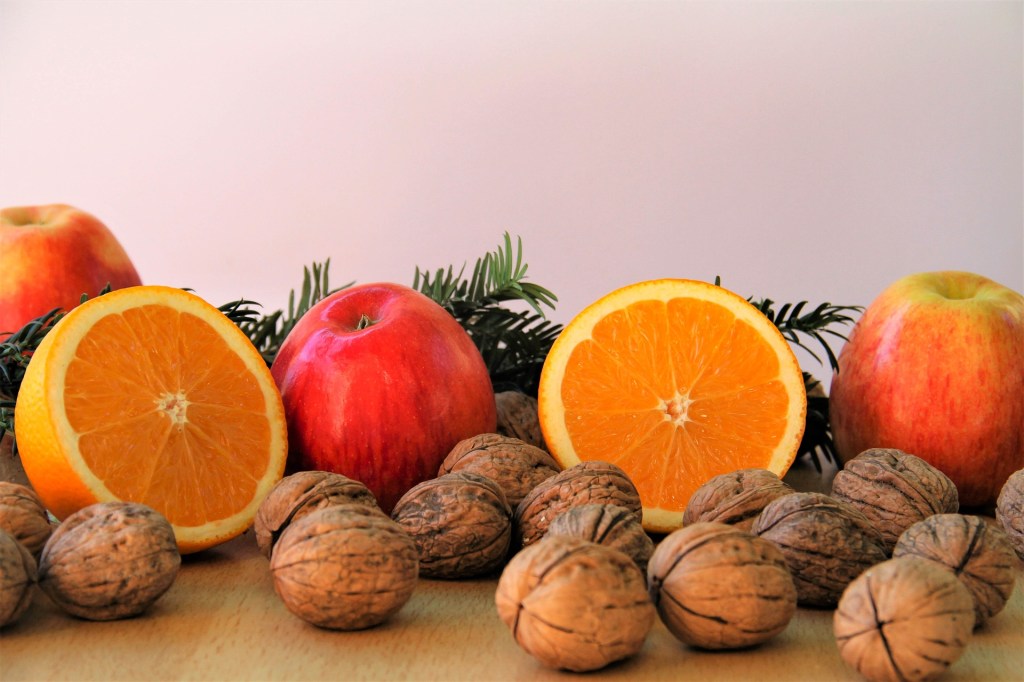
sliced orange, orange with cloves

We enjoy holiday traditions of eating and drinking special foods and beverages; we even sing about them. But these can cause problems for people who need to manage what they eat and drink for medical reasons.

Nutritional management is vital to managing these conditions-

  • diabetes and high cholesterol
  • celiac disease/gluten sensitivity
  • nut and other food allergies
  • lactose intolerance
  • overweight/obesity
  • alcohol dependence
  • heart, kidney, and liver dysfunction
  • pregnancy
  • migraine
  • hypertension
  • irritable bowel syndrome
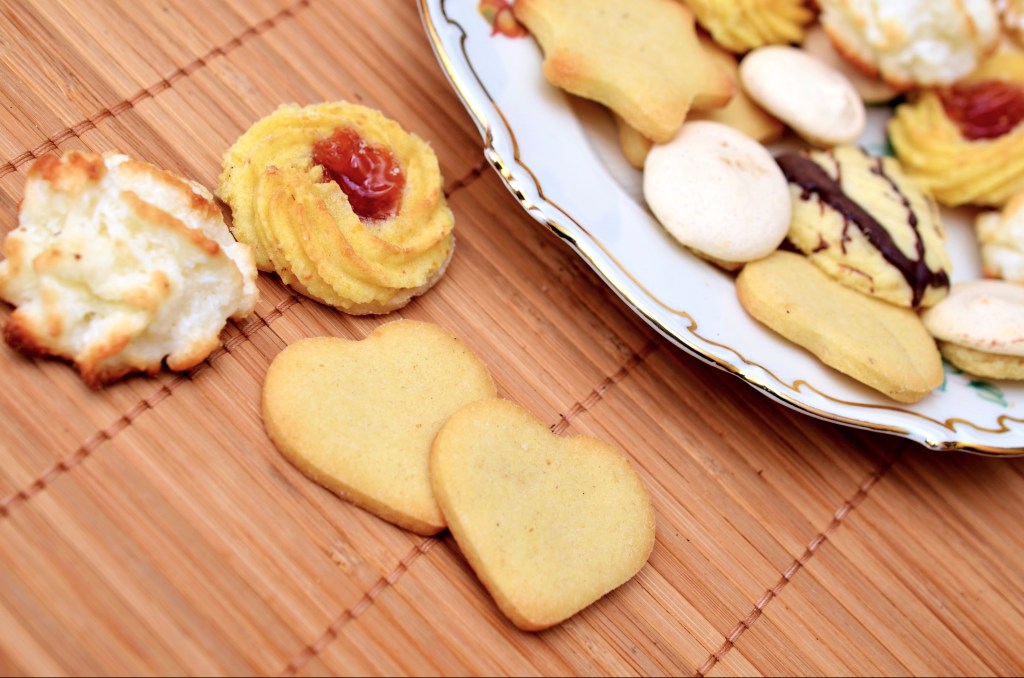
variety of party cookies on a plate

Practical tips for planning Holiday parties and meals

Planning ahead to manage holiday stress applies to cooking, entertaining, and eating during the holiday season.

If you plan and prepare holiday meals and parties, remember some attendees need to avoid or restrict certain foods. Offer an ample variety of food and drinks so your guests will find something that works for them.

If you have houseguests, they will appreciate your asking them about dietary needs or restrictions so you can have food available to meet their needs.

If you have special food needs, it is wise to offer to bring a dish to an event or take food to eat if you will be someone’s houseguest.


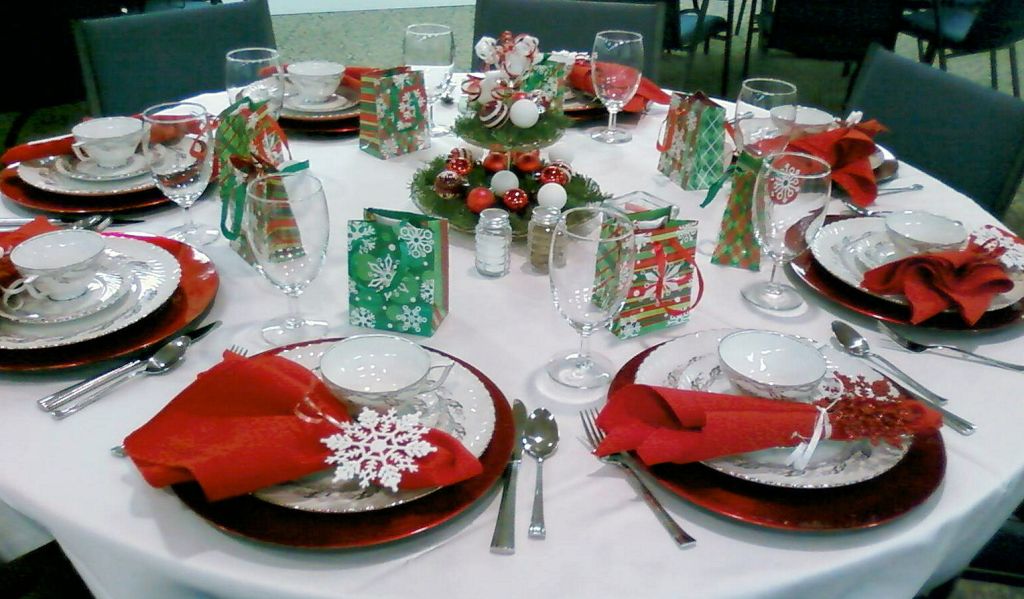
a table setting at a holiday brunch I attended


Healthy Eating and the Holidays

The Centers for Disease Control and Prevention offers tips for healthy eating for people with diabetes through the holidays. These are also helpful for others. Click the above link to learn how.

‘Tis the season for family, festivity, and food—lots of food. How do you manage diabetes during the holidays when food temptations are just about everywhere? Try these tips to help you stick to your diabetes meal plan this holiday season.

from the Centers for Disease Control

Tips for Everyone at the Holidays

  • You can still enjoy your favorite holiday treats in moderation. Focus on dishes you really love and can’t get any other time of year.
  • Sometimes there are too many holiday treats to fit into one meal. Instead of overeating, ask your host if you can take a favorite treat home for later.
  • Fill at least half your plate with vegetables and leave less room for unhealthy food.
  • Eat slowly. It takes at least 20 minutes for your brain to realize you’re full, so take your time before deciding if you want seconds.
  • Being active is your secret holiday weapon. It can help you digest your food better and reduce stress.
  • You may not have time for a long walk, but even 10 minutes after a big meal helps.


Delicious gluten-free recipes

Even if you are not gluten-sensitive, you may enjoy gluten-free dishes. Some taste even better than their gluten-containing cousins.


Maintaining Sobriety Through the Holidays  

from Addiction Hope 

“Be able to understand your limitations. Is it easy to say no to a drink in a restaurant setting but hard to avoid alcohol in a home environment? What types of scenarios are triggering to you? Knowing this ahead of time can help you work through situations and be prepared for what you might encounter.

Having an exit strategy can be a helpful tool to utilize in times of stress or pressure. This might include stepping out to call a trusted friend for support, going out for a walk, or practicing mindfulness techniques.”


Most of all, remember what the season is about—celebrating and connecting with the people you care about. When you focus more on the fun, it’s easier to focus less on the food.

CDC
Photo by Nicole Michalou on Pexels.com

 Sharing the HEART of the holidays

As a Christmas gift to me and your friends, please share this post with friends in an email or on your social sites. Thanks.

I’d love for you to follow this blog. I share information and inspiration to help you transform challenges into opportunities for learning and growth.

Add your name to the subscribe box to be notified of new posts by email. Click the link to read the post and browse other content. It’s that simple. No spam.

I enjoy seeing who is new to Watercress Words. When you subscribe, I will visit your blog or website. Thanks and see you next time.


a small cute decorative snowman figure

Dr Aletha

Unfortunately, food allergies don’t take a holiday. This post reviews how those with food allergies can eat well and safely.

How to manage food allergy with confidence

Up to 10% of the population have true food allergy, while 50-90% of people who believe they have food allergy may not. An accurate diagnosis is important so the condition can be managed properly when appropriate, but not needlessly..

Keep reading