Space Exploration: Human Health and Adventure in Space

July 20, 2024 marks the 55th anniversary of the Apollo 11 lunar module Eagle landing on the Moon. The feat of sending humans to the Moon and ensuring their safe return underlines the risks and challenges of space travel. Despite setbacks, astronauts continue to push the boundaries of exploration, inspiring awe and admiration.

On July 20, 1969, the Apollo 11 lunar module Eagle landed on the Sea of Tranquility on the Moon. The next day, July 21 two humans stepped onto the Moon’s surface-first Neil Armstrong, followed by Buzz Aldrin.
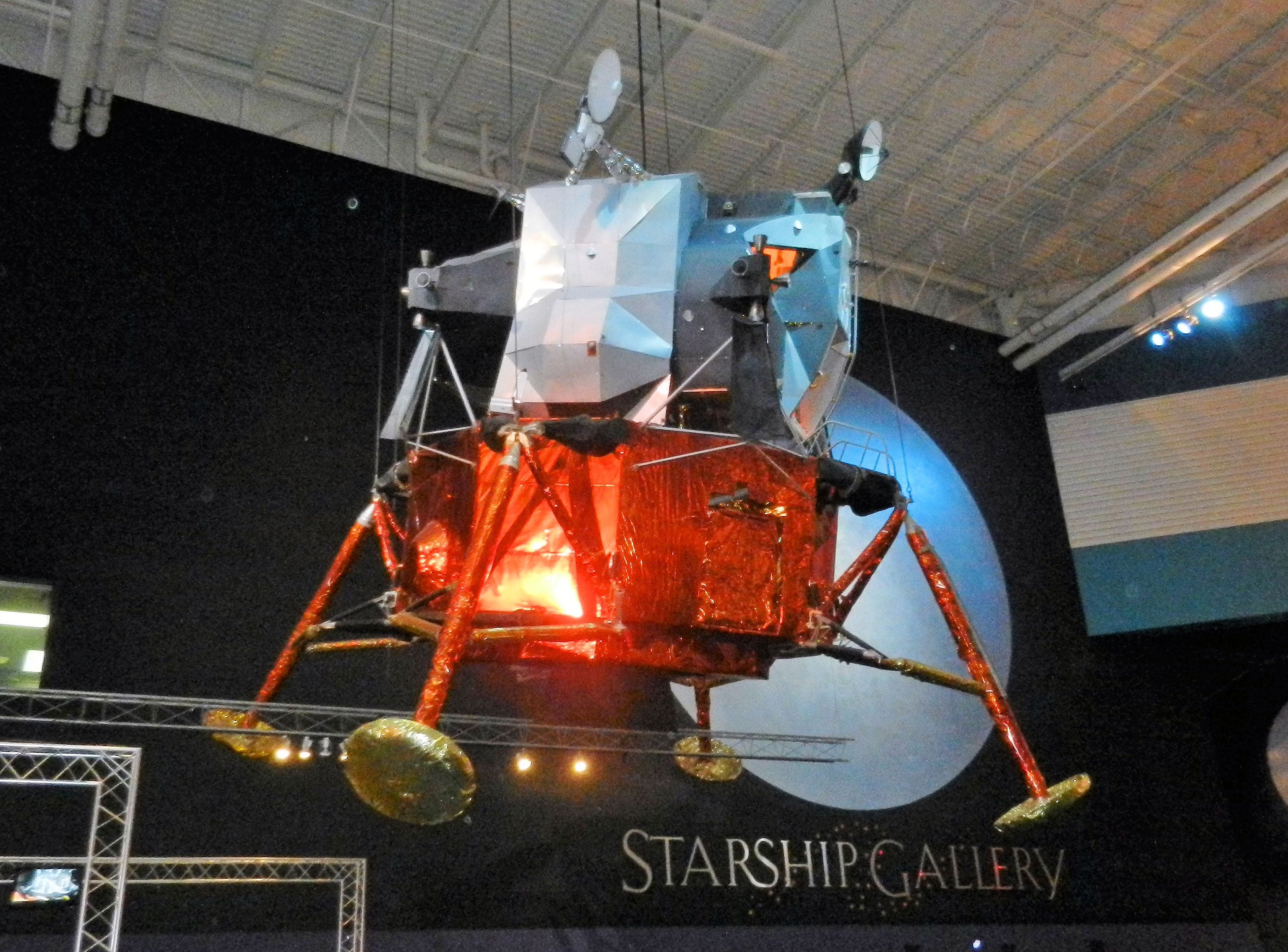
AT JOHNSON SPACE CENTER, HOUSTON TEXAS, a photo of the lunar module, taken by Dr. Aletha

Humans on the Moon-July 20, 1969

More remarkable than landing a vehicle on the Moon was safely sending three humans to the Moon and returning them to Earth.

Human bodies are designed for Earth, not outer space, so taking them into space and bringing them back safely was a monumental task and grave responsibility.

And it was not accomplished perfectly- in 1967 the Apollo 1 spacecraft cabin caught fire and claimed the lives of three astronauts.

Despite the strides NASA has made in its perpetual quest to make spaceflight safer, it’s still a dangerous business. Our astronauts are stepping on top of a bomb when they climb into the capsule of a spacecraft, a bomb they trust will go off in a controlled manner.

Of the 135 space shuttle flights, two ended in disaster, claiming seven lives each.

Sam Howe Verhovek, article in National Geographic 07.2019
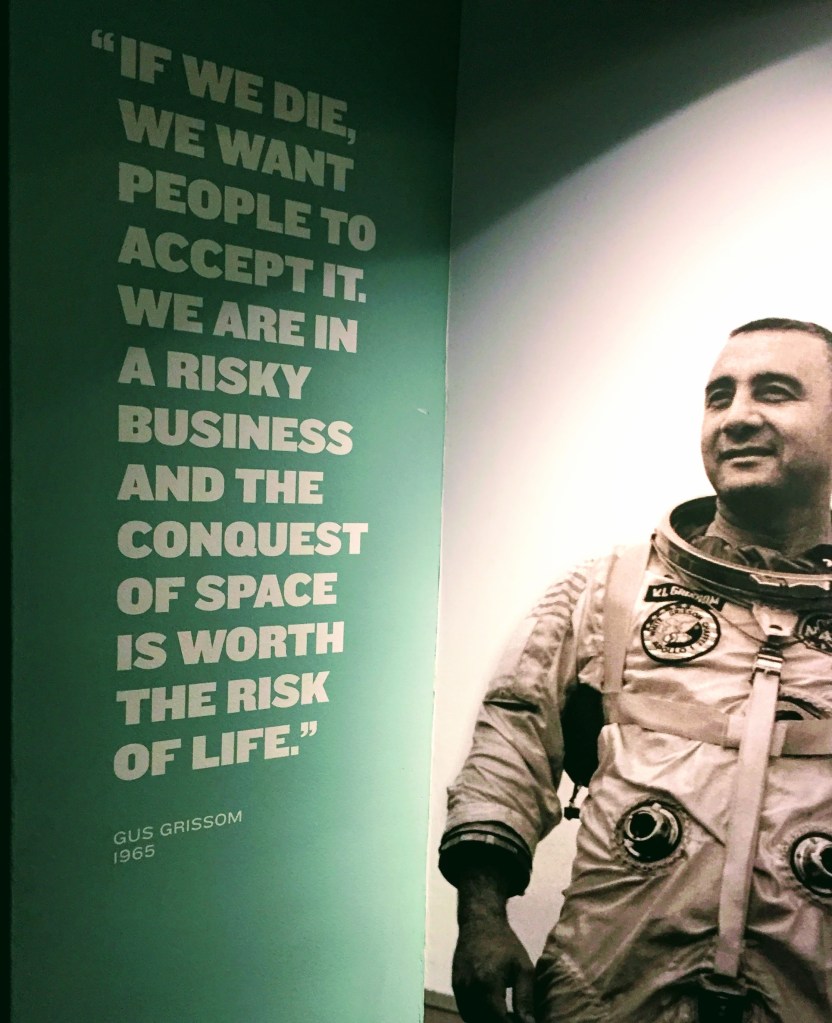
“If we die, we want people to accept it. We are in a risky business and the conquest of space is worth the risk of life.” astronaut Gus Grissom, who died in a fire in the Apollo 1 module

exploring the HEART of space travel

I grew up watching the space exploration adventure develop from Mercury to Gemini to Apollo and beyond and still find it fascinating. My family and I never miss a chance to tour a museum exhibit featuring space and have enjoyed visits to the Johnson Space Center in Houston, Texas, and the Kennedy Space Center near Orlando, Florida.
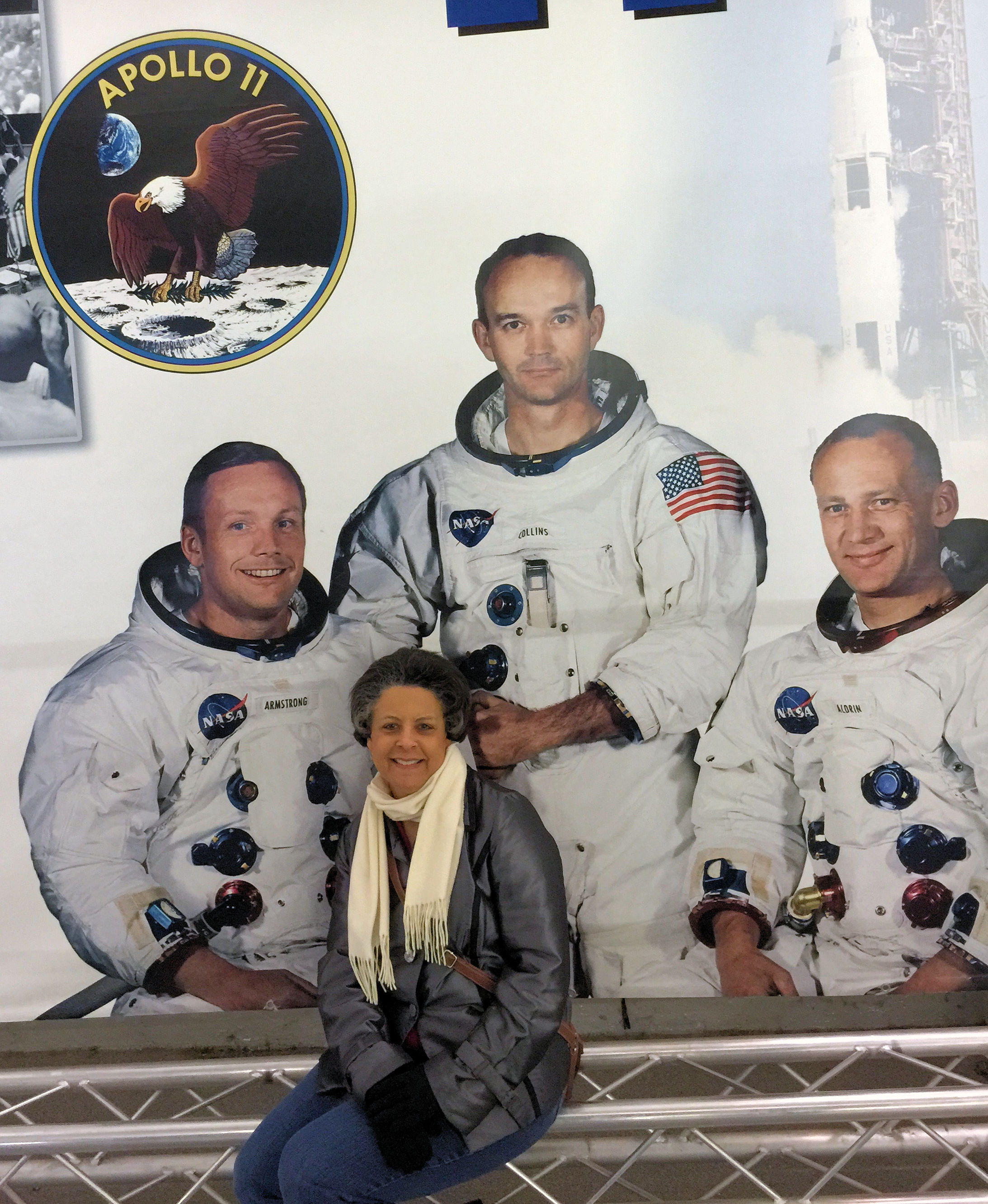
life size photo of the Apollo 11 crew-Armstrong, Collins, and Aldrin
I (almost) met the Apollo 11 crew at the Johnson Space Center in Houston

Moon Exploration by Apollo 11

  • Distance from Earth to Moon-238,855 miles
  • Duration of the Apollo 11 mission to the moon-8 days, 3 hours, 18 minutes
  • Top speed of ship to moon 24,000 miles per hour
  • Length from the ladder to the moon surface of Armstrong’s “one small step”- 3.5 feet

as reported in AARP magazine, June/July 2019

basalt moon rock at Johnson Space Center, Houston, TX
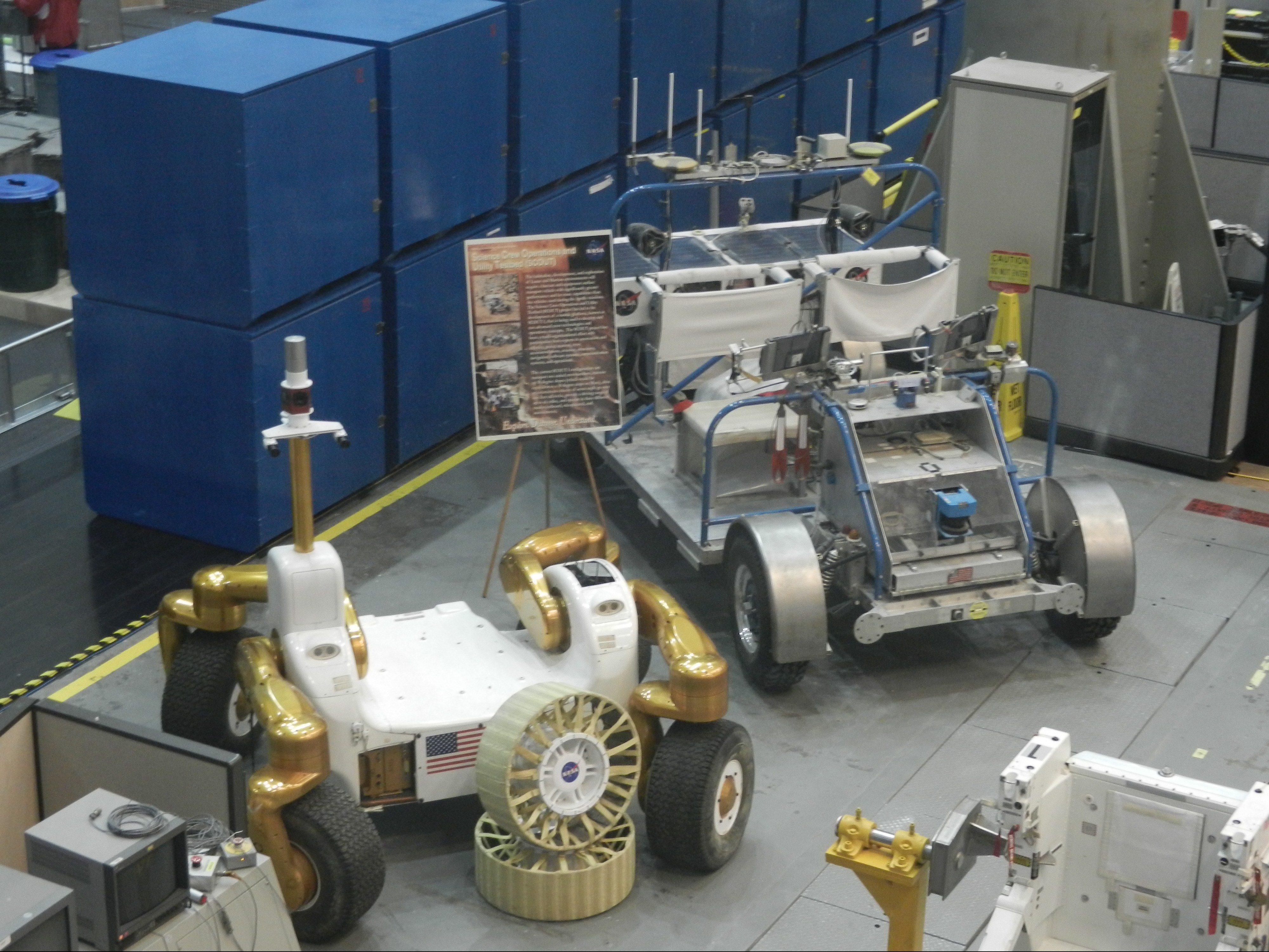
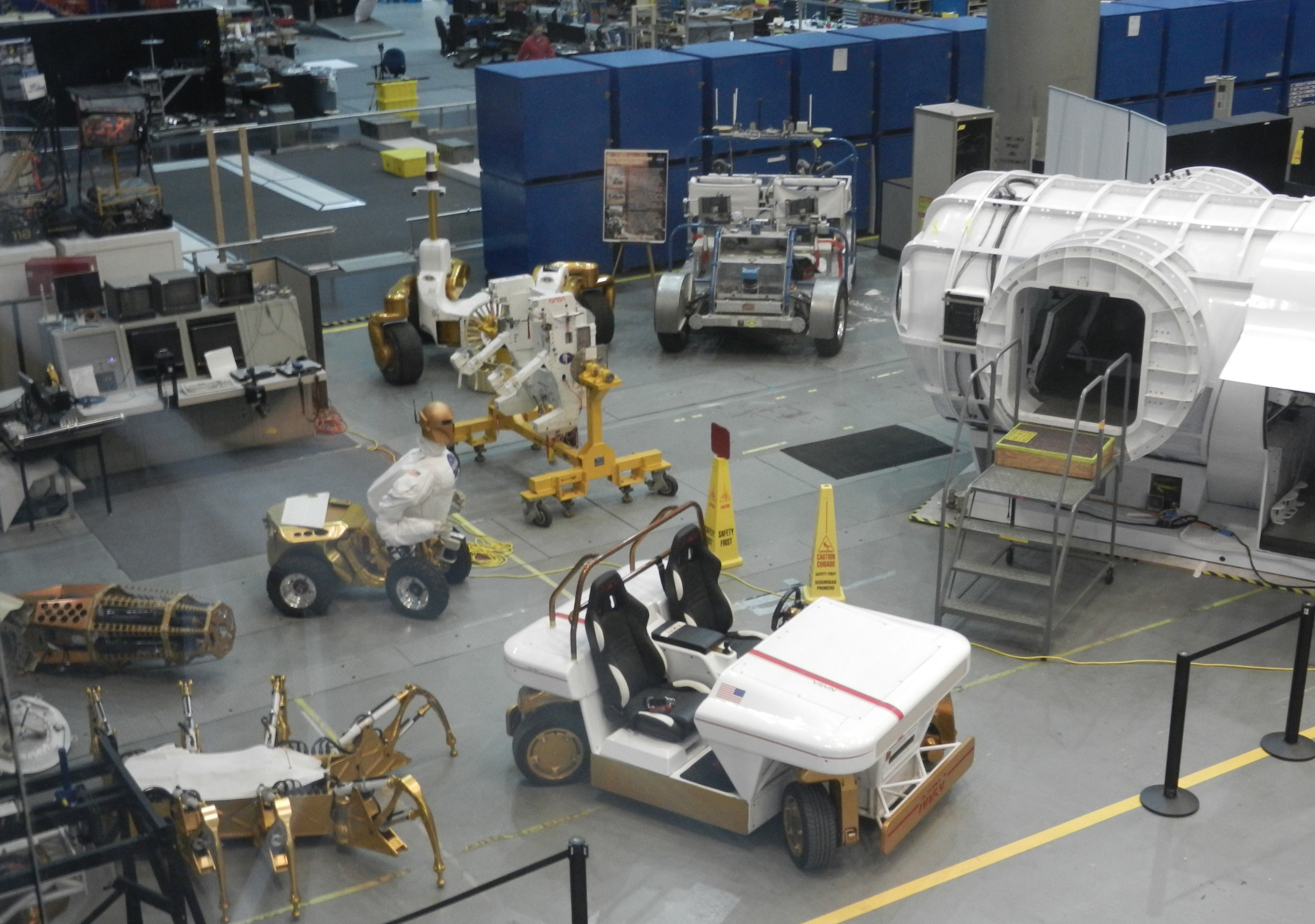
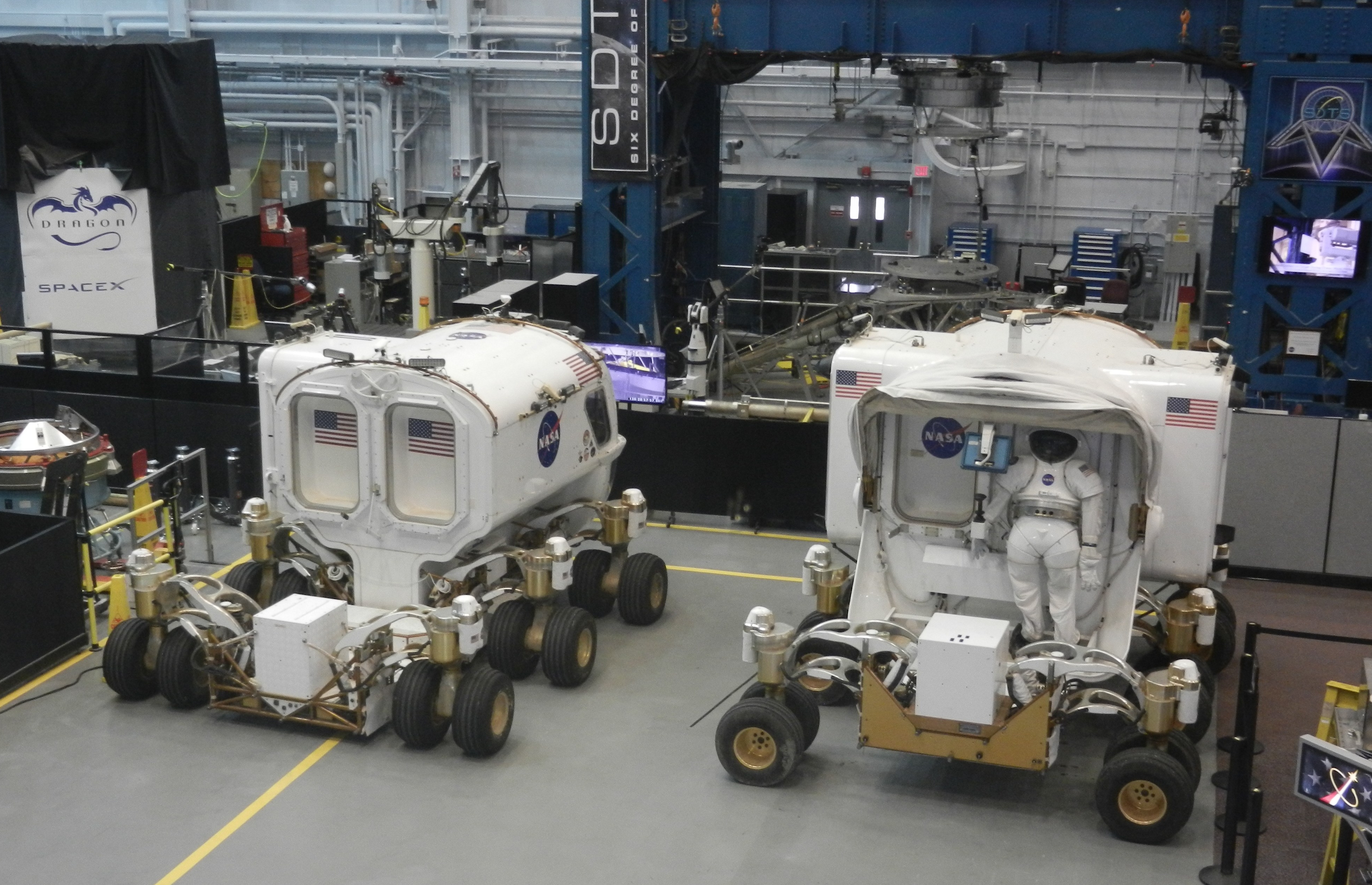
SPACE VEHICLE MOCKUP FACILITY AT JOHNSON SPACE CENTER

Maintaining Health in Space Exploration

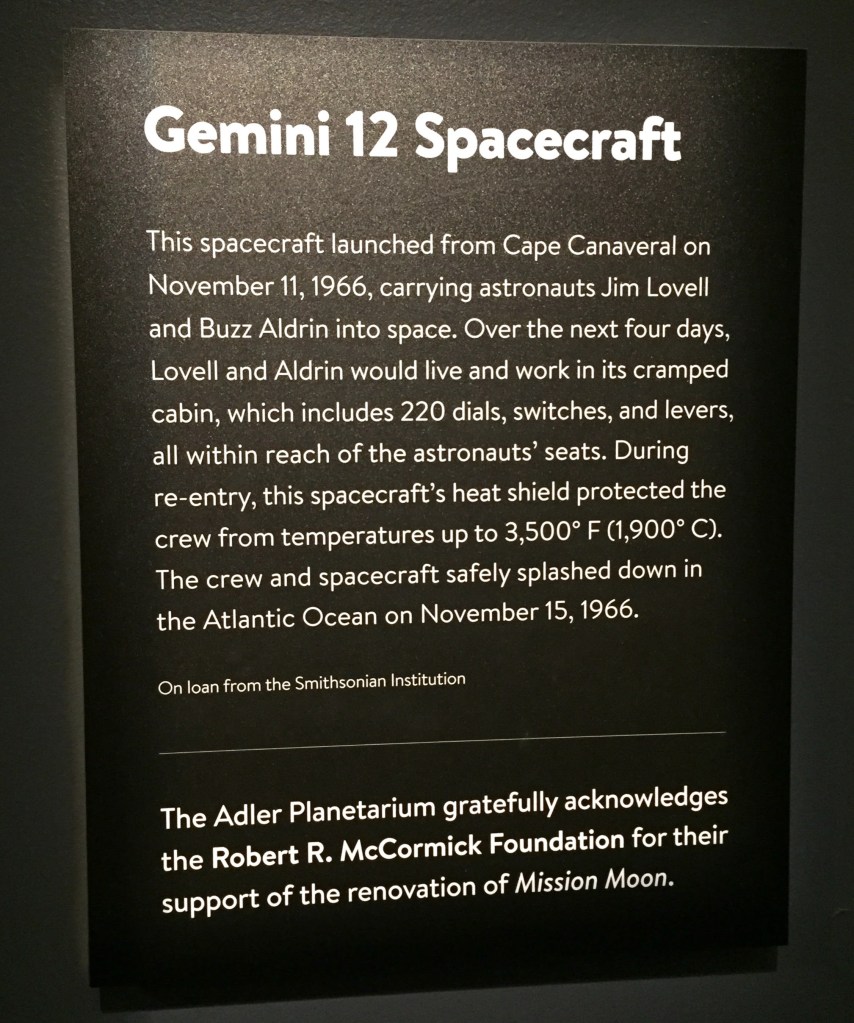
These exhibits at the Adler Planetarium in Chicago, Illinois illustrate the health hazards and health maintenance facets of space exploration
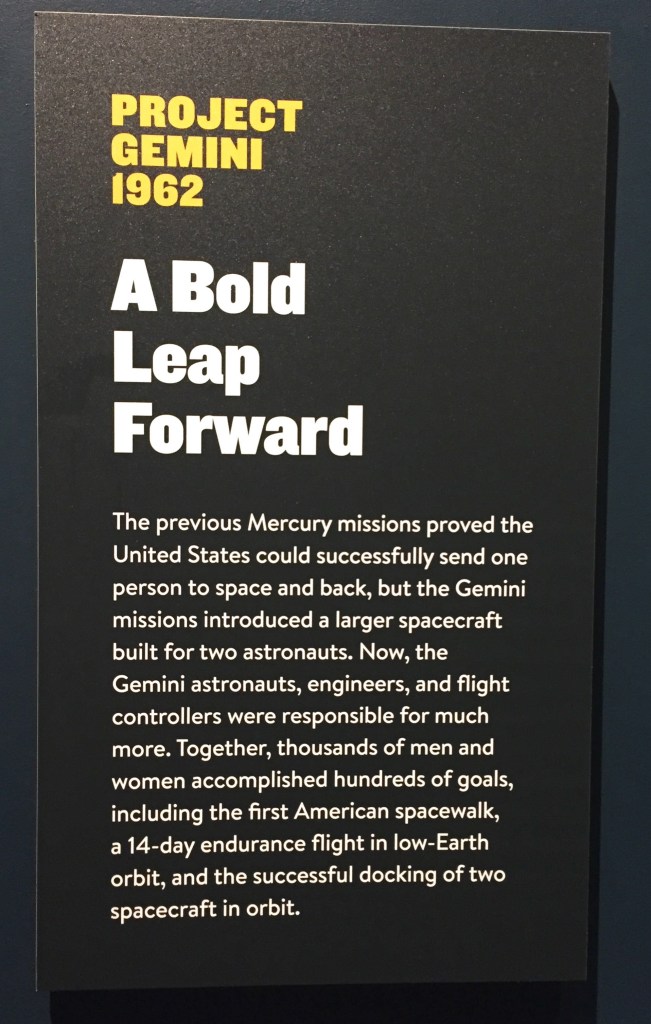
A Gemini Spacecraft
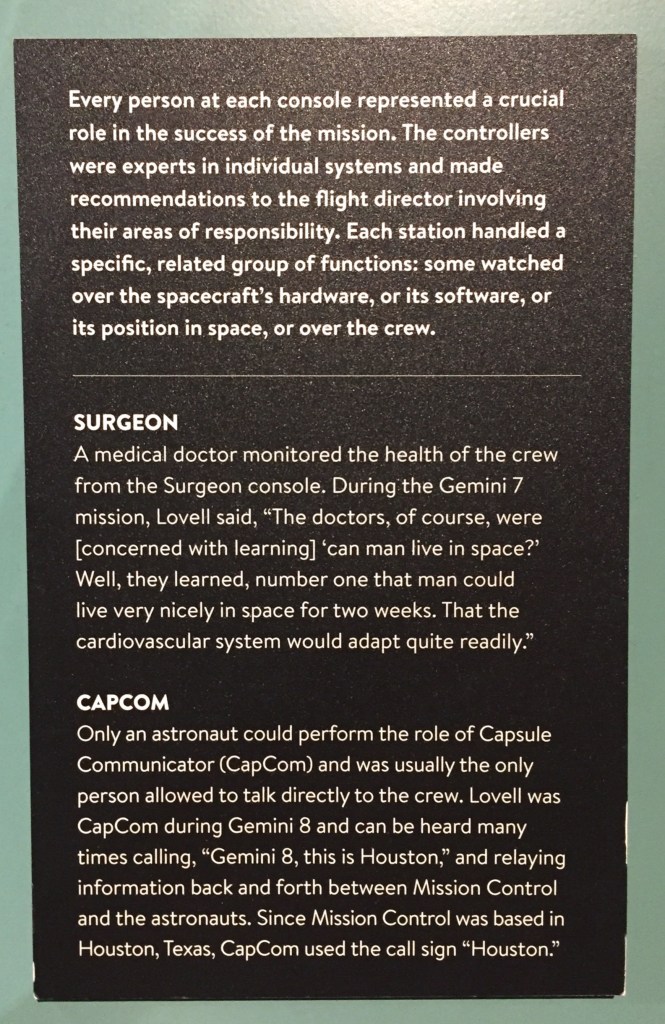
Gemini-7-Surgeon phone

During space flight, a medical doctor monitored the crew’s health. They were concerned with learning,” Can humans live in space?”

They learned that people can live comfortably in space for two weeks. The cardiovascular system adapts adequately.

Gemini 7 Temperatures diagram

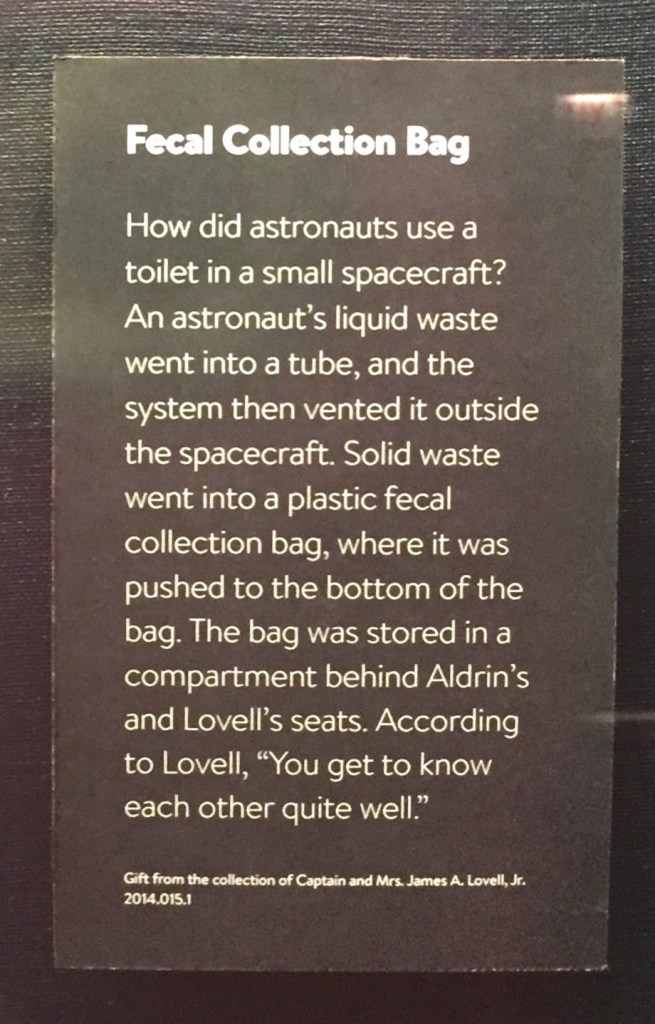
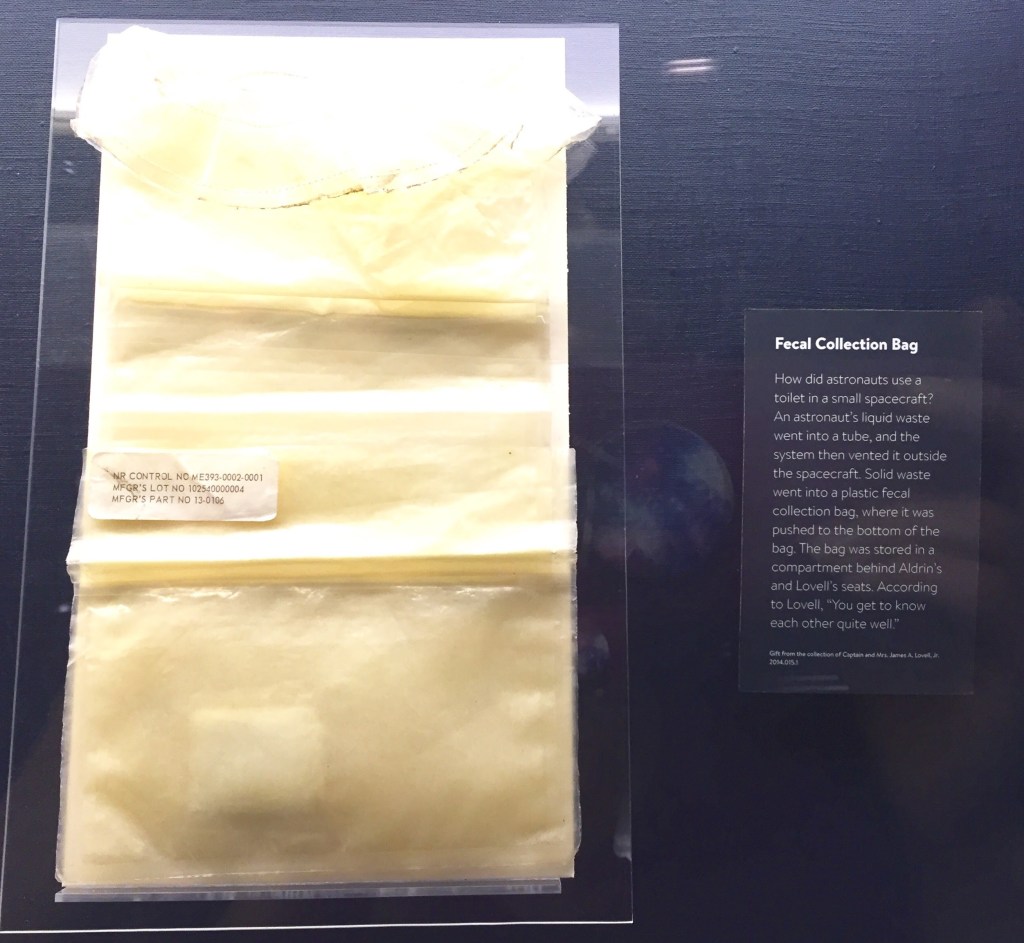
“You get to know each other quite well.”

(How to use the toilet in space.)

There are no toilets on a small spacecraft so an astronaut’s liquid waste went into a tube, vented to the outside. Solid waste went into a plastic fecal collection bag, and then stored behind their seats.

The Astronauts- exploring Adventure in Space

When I flew on the space shuttle and the space station, I would look at the moon…I didn’t feel like I missed something by not going there. Just knowing that people got there-regular people, very brave ones-it makes it so that I’m there a little bit.

Humans pulled this off. We can do incredible things. Impossible things.

Cady Coleman, retired astronaut , from AARP magazine

Laurel Salter Clark-Physician Astronaut

On February 1, 2003, Dr. Laurel Salter Clark and the rest of the STS-107 crew perished during re-entry as Space Shuttle Columbia broke up over Texas en route to a landing in Florida. They amassed 15 days, 22 hours, and 20 minutes in space, giving their lives in service to their country and the space program.

Please visit this previous post to learn more about Dr. Clark.

exploring the HEART of health in space

I’d love for you to follow this blog and follow me on social media.

I share information and inspiration to help you transform challenges into opportunities for learning and growth.

Add your name to the subscribe box to be notified of new posts by email. Click the link to read the post and browse other content. It’s that simple. No spam.

I enjoy seeing who is new to Watercress Words. When you subscribe, I will visit your blog or website. Thanks and see you next time.

Dr. Aletha
photo of Dr. Aletha by Raymond Oglesby

The Good Samaritans fighting Ebola

Since 2014 the world has watched Africa grapple with deadly epidemics as the Ebola virus swept through several countries, infecting hundreds of people, including healthcare workers.

The Ebola epidemics

In 2014 the world watched as Africa grappled with a Ebola deadly epidemic as the virus swept through Liberia, infecting and killing scores of people, including healthcare workers.

In 2019 the Democratic Republic of the Congo (DRC) and Uganda experienced f the second largest Ebola outbreak in history. It began in the DRC the previous year, then spread to Uganda, since the countries share a border and people travel freely between them.

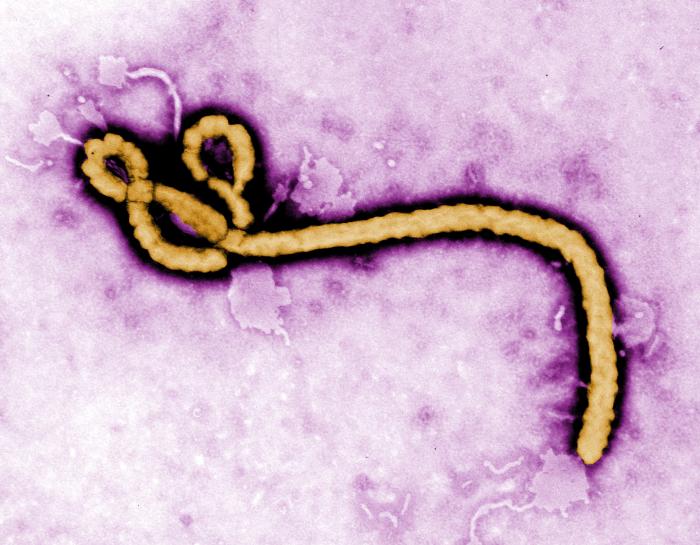
an electron image of the Ebola virus
this colorized transmission electron microscopic (TEM) image revealed some of the ultrastructural morphology displayed by an Ebola virus virion. credit-CDC/ Frederick A. Murphy, microbiologist, public domain

The 2014 Liberian Epidemic

In 2014, the Ebola virus came to the United States when a volunteer physician working in Liberia contracted the virus and flew home for treatment which proved successful. His illness and recovery from what is usually a fatal disease caught the world’s attention. Here is a summary of the dramatic story.

Dr. Kent Brantly -physician and patient

Dr. Kent Brantly awoke feeling ill- muscle aches, fever, sore throat, headache and nausea. As his condition progressively worsened to include difficulty breathing, he learned the cause of his illness- the Ebola virus. Having spent the past few weeks caring for patients caught up in the Ebola epidemic that swept Liberia in the spring of 2014, Dr. Brantly had contracted the disease himself, and would likely die, as almost all victims do.

Dr. Brantly, a graduate of Indiana University’s School of Medicine, had volunteered to work at ELWA Hospital in Liberia which was receiving aid from Samaritan’s Purse, an international relief organization. This hospital served as Monrovia’s Ebola treatment center and Dr. Brantly headed the unit.

As his condition deteriorated, his physicians decided his only hope for recovery was use of an experimental drug, ZMapp, previously untested on humans. Since otherwise he was likely to die, he received the drug by infusion into a vein. By the next morning he felt well enough to arise from bed and shower. Unknown to him, thousands of people around the world had been praying for him.

During this time his colleague, nurse Nancy Writebol, was battling her own Ebola infection. She also was treated with ZMapp.

Samaritan’s Purse arranged for both of them to be evacuated to the United States. There, they could continue receiving supportive medical care, as well as allow infectious disease specialists to learn from their conditions. It also would relieve the workload on the doctors who continued to care for Ebola patients at ELWA.

Hear Dr. Brantly describe what it is like to be ill from the Ebola virus.

Called for Life: How Loving Our Neighbor Led Us into the Heart of the Ebola Epidemic.

(affiliate link)

Five years after contracting the deadly virus in Liberia, Dr. Brantly served at Mukinge Mission Hospital in Zambia. Read the story here-

Dr. Kent Brantly returns to Africa

It’s not a matter of not fearing. It’s a matter of choosing to have compassion despite fear.

Dr. Kent Brantly, christian chronicle.org

The Ebola Fighters

Dr. Brantly and hundreds of other professionals who treated Ebola victims in 2014, the “Ebola fighters”, were named Time magazine’s PERSON of the YEAR for 2014.

Ebola is a war, and a warning. The global health system is nowhere close to strong enough to keep us safe from infectious disease, and “us” means everyone, not just those in faraway places where this is one threat among many that claim lives every day. The rest of the world can sleep at night because a group of men and women are willing to stand and fight. 

Nancy Gibbs, TIME magazine
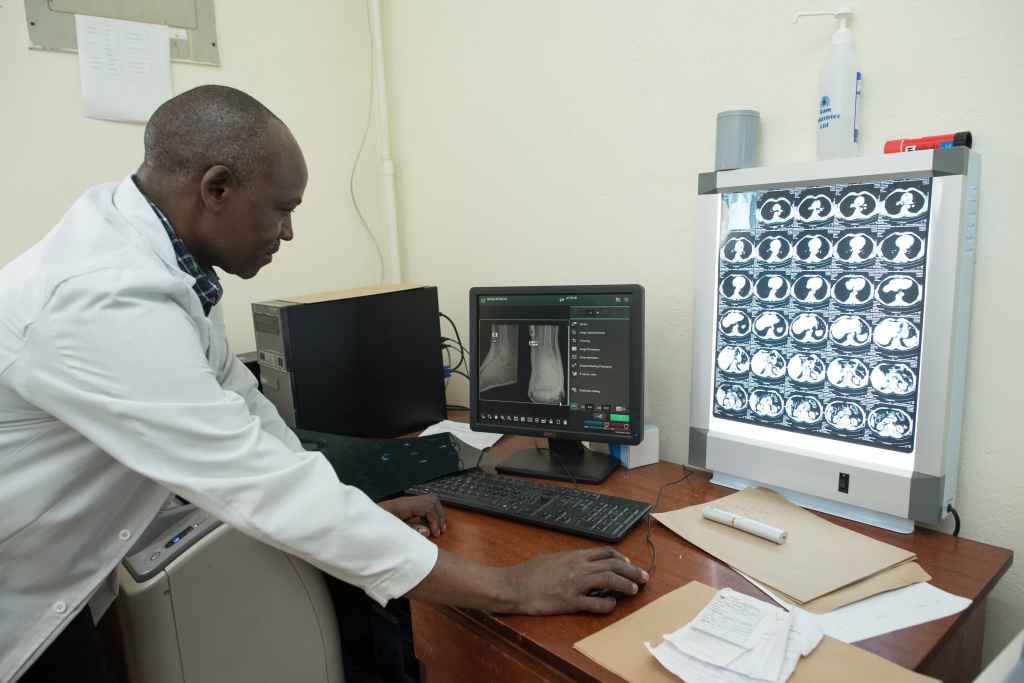
An African doctor viewing xrays and MRI image.
World Medical Mission branch of Samaritan’s Purse serves as a lifeline to dozens of mission hospitals by providing millions of dollars worth of critically needed equipment and supplies.

Samaritan’s Purse

“The story of the Good Samaritan (Luke 10:30-37) gives a clear picture of God’s desire for us to help those in desperate need wherever we find them. After describing how the Samaritan rescued a hurting man whom others had passed by, Jesus told His hearers, “Go and do likewise.”

Samaritan’s Purse website

What happens when we stop to help-being a good Samaritan

“Who is your neighbor?” Jesus told the story of the good Samaritan to answer the question. The Parable (Story)  of the Good Samaritan  Luke chapter 10, NIV  Jesus said:  “A man was going down from Jerusalem to Jericho, when he was attacked by robbers. They stripped him of his clothes, beat him and went away, leaving him half dead.…

Keep reading

sharing the HEART of health

Dr. Aletha