Saint Patrick
Saint Patrick was not born in Ireland, although he is considered the Irish patron saint. He was born in Roman-controlled Britain in the 4th century.
Kidnapped and taken as a slave to Ireland, he later escaped but returned as a missionary, bringing the Christian Gospel to Ireland.
Patrick arrived in Slane, Ireland on March 25, 433. There are several legends about what happened next, with the most prominent claiming he met the chieftan of one of the druid tribes, who tried to kill him.
After an intervention from God, Patrick was able to convert the chieftain and preach the Gospel throughout Ireland. There, he converted many people -eventually thousands – and he began building churches across the country.
catholic.org/saints
Saint Paul
Saint Paul, the Apostle Paul, was also a missionary to the part of the Roman world surrounding the eastern Mediterranean Sea. Paul identified himself as a “slave of Jesus Christ” (Romans 1:1).
Much of the New Testament contains Paul’s writings, including the letter written to the early Christians in Rome. Today, Christians read, share, and memorize these verses, which so aptly express the foundation of our faith—God’s unchanging love.
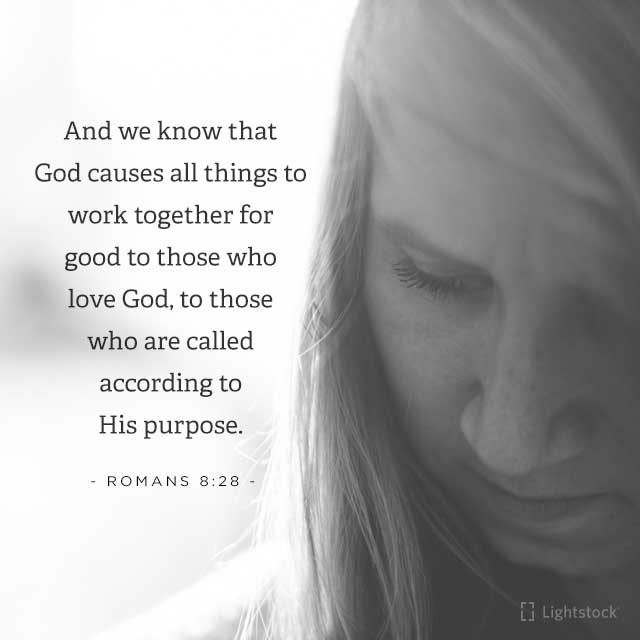
“Can anything ever separate us from Christ’s love?
Does it mean he no longer loves us if we have trouble or calamity, or are persecuted, or hungry, or destitute, or in danger, or threatened with death?
No, despite all these things, overwhelming victory is ours through Christ, who loved us.
Romans 8:35, 37, by the Apostle Paul
Holy Bible, New Living Translation copyright 1996, 2004, 2007 by Tyndale House Foundation. Used by permission of Tyndale House Publishers, Inc., Carol Stream, Illinois, 60188. All rights reserved.
Greece
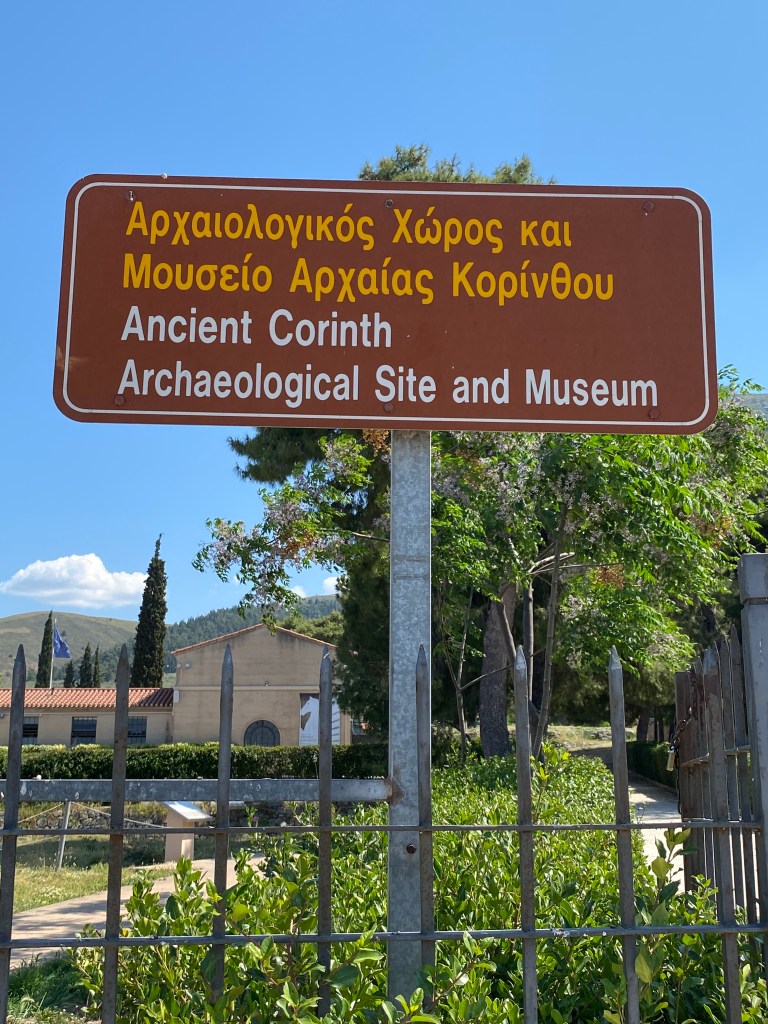
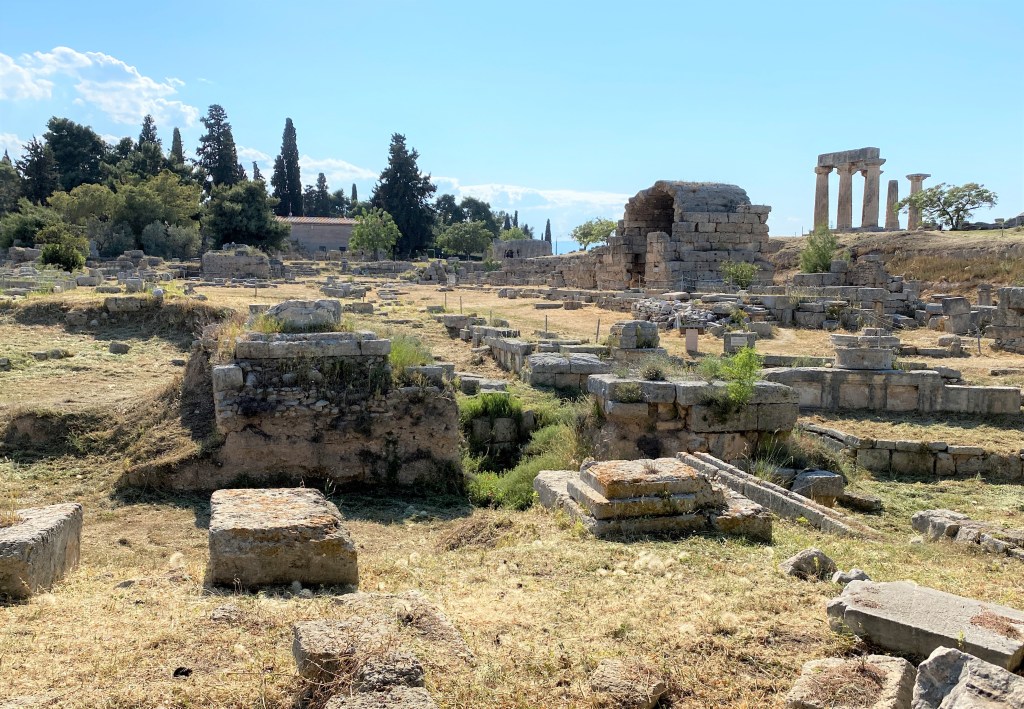
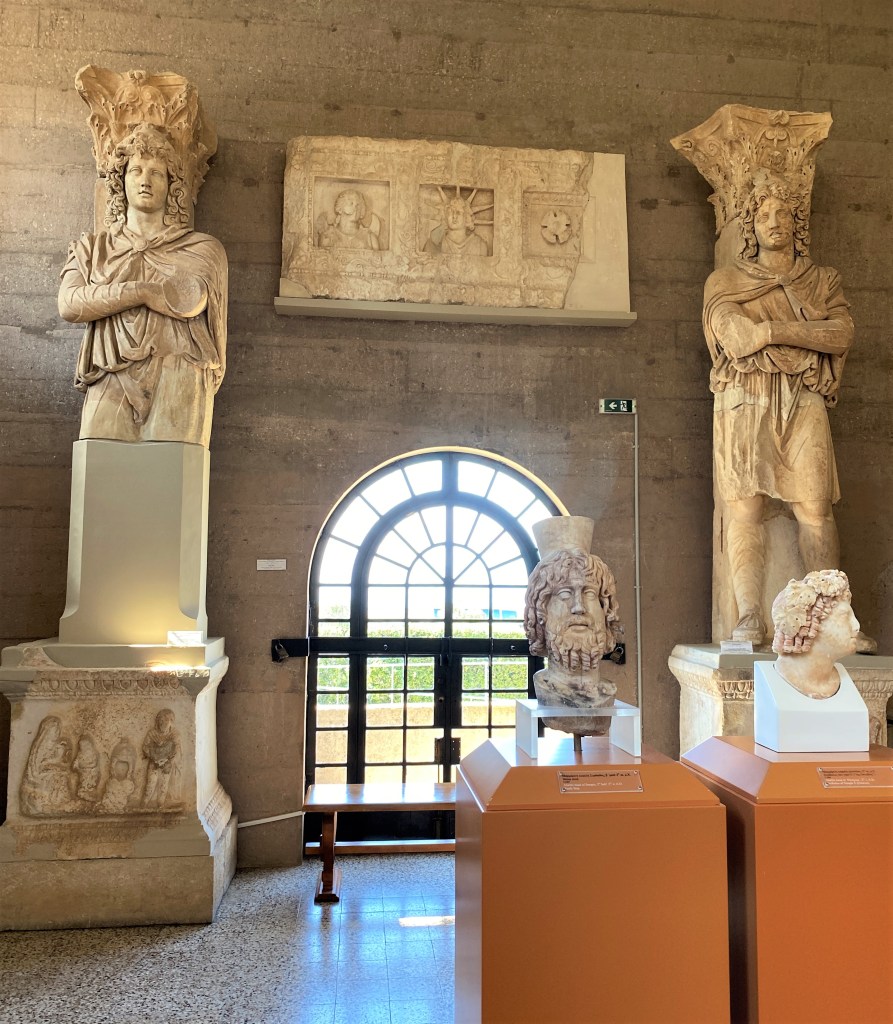
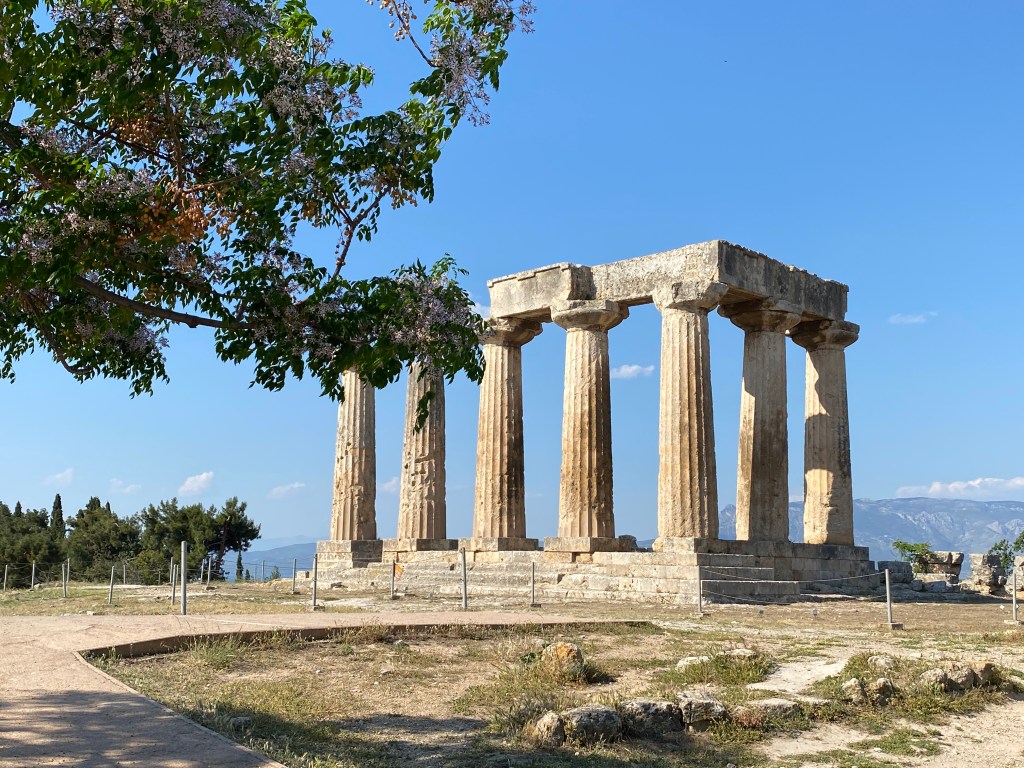
These are photos from my tour of Greece, visiting the sites where the Apostle Paul started churches in the first century.
exploring the HEART of faith, hope, and love
I’d love for you to follow this blog. I share information and inspiration to help you transform challenges into opportunities for learning and growth.
Add your name to the subscribe box to be notified of new posts by email. Click the link to read the post and browse other content. It’s that simple. No spam.
I enjoy seeing who is new to Watercress Words. When you subscribe, I will visit your blog or website. Thanks and see you next time.
- About Dr. Aletha
- How to Use this Site
- Make Your Life Easier
- Search by Category
- Share the HEART of health
- my Reader Rewards Club
- RoboForm Password Manager
Dr. Aletha
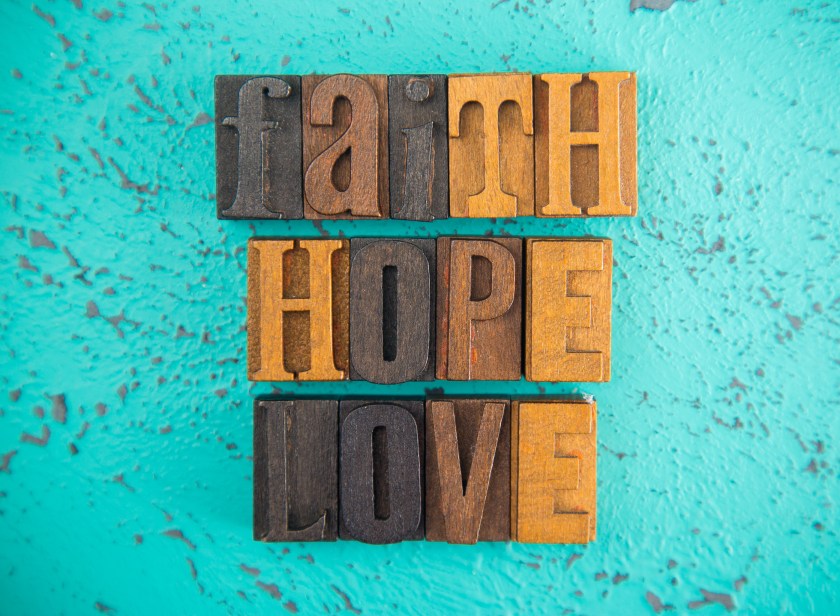
The Apostle Paul wrote a letter to the church in Corinth Greece. In it he described what love truly is. It became the 13th chapter in the book of 1st Corinthians and contains these words.
In this review of a personal memoir, I tell you how an Irish family faced and coped with significant health challenges.

I Found My Tribe-a book review
“I Found My Tribe” by Ruth Fitzmaurice is a poignant memoir about finding community and support in the face of her husband’s motor neuron disease. Ruth navigates the complexities of caregiving, friendship, and longing for a different life, offering a glimpse into the challenges and resilience of her family.
Keep readingWhat Is My Reader Rewards Club?
My Reader Rewards Club is a great way to earn free books and Bibles for yourself, friends, and family! Your journey to earning free faith-based products starts HERE.
You can also earn points when you:
- Shop at Tyndale.com, NavPress.com or Hendricksonpublishers.com
- Refer a friend
- Write reviews
- Take surveys
- Sign up for e-newsletters and e-devotionals
- And more!
(If you sign up through these links, I can earn free books that I may review for this blog.)





 watercress words by Dr Aletha