This is at least the fouth book about death I have reviewed. I didn’t plan to, but it just happened. Maybe because of what Dr. Atul Gawande wrote in his book Being Mortal, another book I reviewed.
Death may be the enemy, but it is also the natural order of things.
Atul Gawande, M.D.
In this instance, I was approached by the publisher , FSB Associates, asking if I would review the book, and offered a complimentary copy. Otherwise, I was not compensated for my review. The book links in this post are affiliate links which may help support this blog financially.
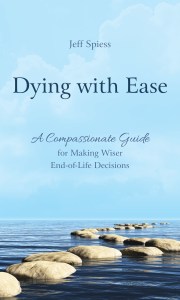
Dying with Ease by Jeff Spiess, M.D.
A Compassionate Guide for Making Wiser End-of-Life Decisions
In the introduction, author Dr. Jeff Spiess explains his purpose for writing this book.
my primary hope is for you, dear reader, to become more informed and at peace regarding your own dying.
Jeff Spiess, M.D.
Dr. Spiess doesn’t suggest that confronted with terminal illness we refuse treatment and give up. He advocates thinking about and planning for the dying process long before we develop an illness that might be fatal.
His book reviews the challenges of the dying process, and guides us in making choices that make it smoother and with ease.
Let’s review the titles of each chapter with a brief description of what each contains.
1. Dying in America
Here he proposes a definition for what is a “good death”; it’s one that matches the wishes of the dying person and their family.
2. I’m Going to Die? What Can I Do?
In this chapter he explains Advance Care Planning
- Advanced Directives
- Durable power of attorney for healthcare
- Do Not Resuscitate-DNR
- Physician Orders for Life Sustaining Treatment
- Artificial Nutrition and Hydration

3. Hospice
In this chapter he reviews the history of hospice care care and explains the basics of palliative (rather than curative) care
4. Suffering
Most dying persons want to minimize suffering so Dr. Spiess lists ways to do so, some of which are controversial and even illegal in some states.
- Palliative sedation
- Voluntary stopping eating / drinking
- medical aid in dying
- voluntary euthanasia
5. It’s My Life, Isn’t It?
Here he discussed autonomy , bioethics, and the legal system using past high profile cases as illustrations, those being
- Karen Ann Quinlan
- Brittnany Maynard
- Theresa Schiavo
the time of peril, what St. John of the Cross called the “dark night of the soul,” … both tests the validity of one’s faith and initiates that essential process of incarnation
page 109
6. What’s God Got to Do With It?
Here he talks about “Religion, Spirituality, and the End of Life. He finds many people turn to religion when faced with death and sometimes that is not an altogether positive experience. However, he denies being anti-religion saying,
many find religious traditions to be sources of profound comfort and meaning. …it has been so for many friends, relatives, and patients, and also because it is true for me.
page 109
He finds it essential to differentiate religion as primarily a matter of intellectual assent to doctrines and beliefs, or whether the essense of a person’s faith has become understood and embodied in their being.
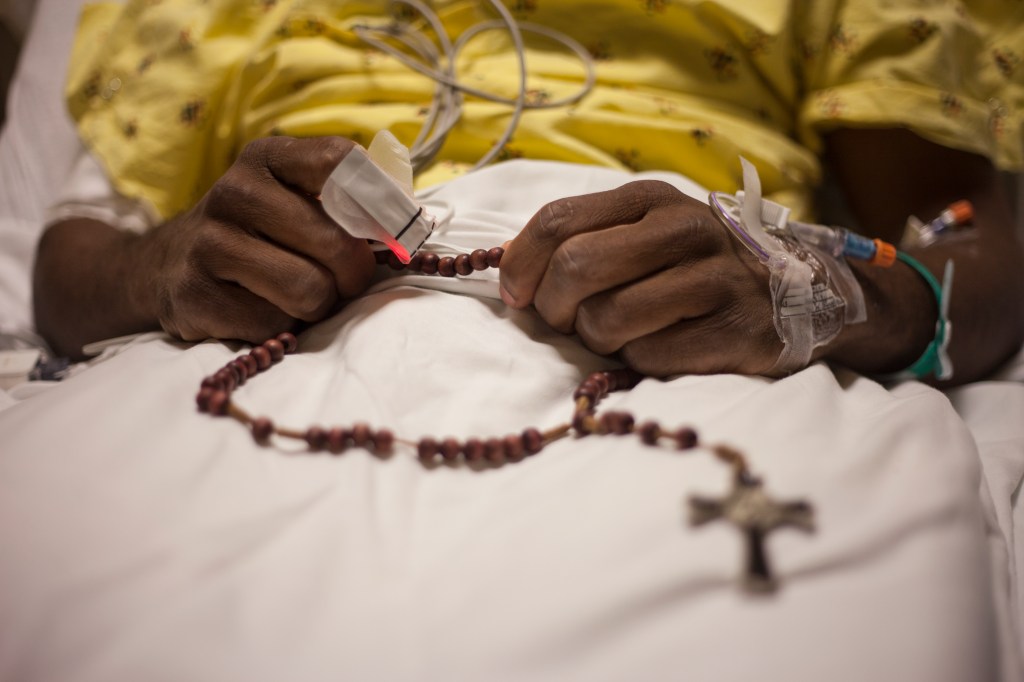
7. What Does It Feel Like to Die?
In this chapter he invites the reader to do a guided exercise to encounter the inner experience of dying. Putting pen to paper you will answer a series of questions about your life. Then you review it as you finish reading the chapter. I did the exercise and found it enlightening and sobering.
8. Envisioning Your Own Death
Here he expands on the idea of Advanced Care Planning introduced in chapter 2. He adds such steps as
- Know the rules (insurance coverage)
- Disposition of your body
- Disposition of “stuff”, making a will

9. What’s It All About, Anyway?
Dr. Spiess concludes with a true story about a wife’s journey to finding meaning after her young husband’s unexpected death.
living well increases the likelihood of dying well
page 161
Conclusion
After the obligatory Acknowledgments this book has
- Discussion Questions which seem most appropriate for personal reflection . There is one question based on each chapter.
- Notes, which are chapter specific
- An extensive Bibliography
- An Index
- Brief Author bio
Jeff Spiess, M.D.
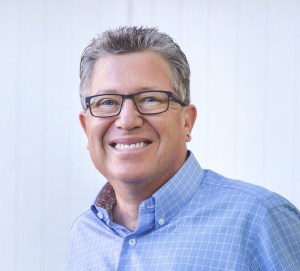
Dr. Spiess started in medicine as an oncologist, cancer specialist, then transitioned into palliative and end-of-life care as director of a hospice. His website, https://drjeffspiess.com/, offers a complete bio, audio interviews, his blog posts, social media links, and form to join his email list.
exploring the HEART of life and death
Dr. Aletha

Lightstock-quality photos and graphics site- here.
(This is an affiliate link)