
updated February 25, 2026
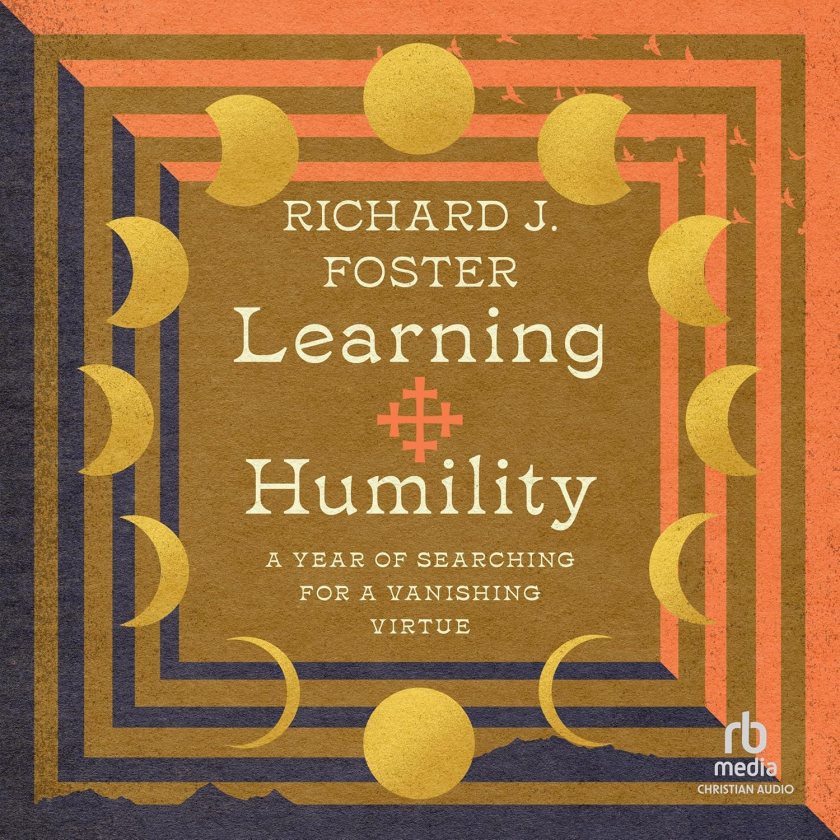
Learning Humility
A Year of Searching for a Vanishing Virtue
By Richard J. Foster
If anyone can make a book about humility interesting, Richard Foster does. If you know his work on spiritual disciplines, prayer, spiritual formation, and classical Christian writings, you will find his latest offering similar, but with an unexpected twist. Everyone will appreciate his lack of self-promotion as a refreshing change from other “influencers”.
You could argue that devoting an entire book to humility is a step down from his previous spiritual works- even humbling you might say. But the topic and title are timely and telling, as we now see little humility in the public arena, both in secular and religious thought and behavior.
Why Humility?
Foster’s essay-style book examines humility, why we should be humble, and how to be humble, without telling us to be humble. Rather, humility cannot be forced or grasped; it requires transformation of our heart and mind.
Foster decided to explore the topic of humility as he considered New Year’s resolutions, which he doesn’t typically do. He considered journaling about it, but he doesn’t do that either.
Instead, he decided to study what the Bible and classical and modern Christian writers teach about humility and ponder its meaning as he went about his daily life at the rural Colorado home he shares with his wife.

Celebrating Lakota Virtues
On the jacket of his book Celebration of Discipline is a photo of him,wearing a suit and tie, with short, neatly trimmed hair. He looks like a typical Christian minister.
So, I was surprised when I went to hear him speak in person; he had long hair, pulled back into a ponytail. He explained it was in deference to his Native American ancestry. Foster’s grandmother was Native American, of the Ojibwa (Chippewa) tribe.
In Learning Humility, he follows the calendar year, recording observations and musings for each month. However, because it is “rooted in the natural world” he chose to use a Native American calendar, specifically the Lakota Moon calendar.
He named each chapter for one of the thirteen Lakota moons (13 months of 28 days). He also incorporates the twelve Lakota virtues- humility, perseverance, respect, honor, love, sacrifice, truth, compassion, bravery, fortitude, generosity, and wisdom, giving thought to how each complements humility.
Dr. Charles Eastman
I found an unexpected medical connection in this book on humility. Keeping with his Native American theme, Foster introduced us to Charles Eastman, M.D., the first Native American to graduate from medical school in the United States
Dr. Eastman, who started life as Ohiyesa, born in 1858, belonged to the Santee Lakota tribe. Dr. Eastman was raised in the traditional Dakota way by his maternal grandparents, believing his father was dead.
But as a teenager, his father found him and took him home to live as a white man. He attended white schools, eventually graduating from Dartmouth College and Boston University Medical School.
Dr. Eastman worked at the Pine Ridge Reservation Indian clinic and soon found himself caring for survivors of the massacre at Wounded Knee in 1890. He later worked at the Crow Creek Reservation, ran his own private practice, served as an adviser to the Boy Scouts, founded children’s summer camps, and served in national government positions.
He was most successful at writing and speaking. He published thirteen books, including The Soul of the Indian in which he reconciled the Christian faith he had adopted with traditional Lakota spirituality. Foster comments on this position in his book.
Richard J. Foster
Richard J. Foster (DThP, Fuller Theological Seminary) founded Renovaré.
He has written several other books, including Streams of Living Water, Prayer, Freedom of Simplicity, Sanctuary of the Soul, and Celebration of Discipline, which sold over two million copies worldwide. He and his wife, Carolynn, make their home near Denver, Colorado.
Those who have read Foster’s other books, especially Celebration of Discipline, will find Learning Humility more intimate and introspective, yet still firmly grounded in scripture. If this is a first for you, consider reading the others for practical guidance on the spiritual practices of prayer, meditation, service, and study. I include affiliate links to them here.
Thank you NetGalley and InterVarsity Press for sending this book for review consideration. All opinions are my own.
Learning Humility is available on

Exploring the HEART of Health
I’d love for you to follow this blog. I share information and inspiration to help you transform challenges into opportunities for learning and growth.
Add your name to the subscribe box to be notified of new posts by email. Click the link to read the post and browse other content. It’s that simple. No spam.
I enjoy seeing who is new to Watercress Words. When you subscribe, I will visit your blog or website. Thanks and see you next time.
Dr. Aletha
And please continue exploring Watercress Words at these pages-
- About Dr. Aletha
- How to Use this Site
- Make Your Life Easier
- Search by Category
- Share the HEART of health
- my Reader Rewards Club
- RoboForm Password Manager
Using this affiliate link helps support this blog and my mission to share the heart of health wherever needed all over the world. Please join me.


 watercress words by Dr Aletha