Journey into January

In January, we transition from the holiday season to the new year, with events like New Year’s Day and Martin Luther King Jr. Day. This month also holds significance for Epiphany and marks the beginning of winter illnesses in the northern hemisphere, calling for vigilance in staying healthy amidst respiratory infections, especially during the COVID era.

I remember the first time I walked into a store the day after Christmas and saw shelves brimming with Valentine’s candy. It looked like we were going straight to February and skipping January.

But we don’t do that. Instead, we start the month, and the year, with another holiday, New Year’s Day, January 1, whose only purpose seems to be to celebrate itself. And to be fair, the celebration starts the day, and the year before, on New Year’s Eve, December 31. But remember, we don’t have another true “holiday” until February 14.

Epiphany

Unless you celebrate January 6,  Epiphany. According to the New Testament’s Gospel of Matthew, the Magi—the three wise men or kings—visited and brought gifts to the child Jesus on this date. Some people bake a beautiful Epiphany Tart or a King Cake with a lucky bean inside! I wrote about the Magi in this post.
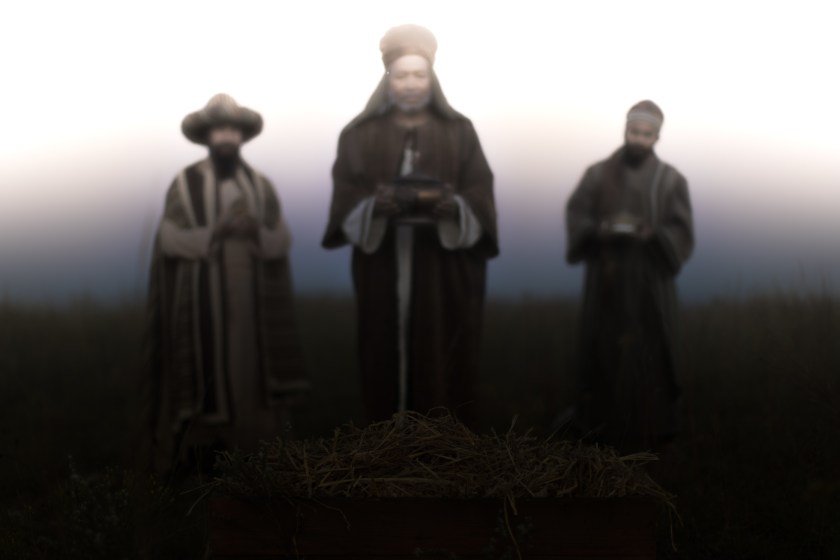
3 men dressed as magi, bearing gifts
photo from LIGHTSTOCK.COM, an affiliate link

Why we need the wisest gifts this Christmas

The four Gospels- Matthew, Mark, Luke, John- relate the life of Jesus, but only Matthew and Luke tell the story of his birth and their versions differ. Luke tells about the trip to Bethlehem and the shepherds’ visit. Matthew misses the Bethlehem journey and the shepherds, but from him we meet the wise men-…

Keep reading

MLK Day-to remember and reflect

The United States observes a federal holiday in January. Martin Luther King Jr. Day marks the birthday of Dr. Martin Luther King Jr., January 15, 1929. It is observed on the third Monday of January each year similar to holidays set under the Uniform Monday Holiday Act. The earliest Monday for this holiday is January 15 and the latest is January 21.
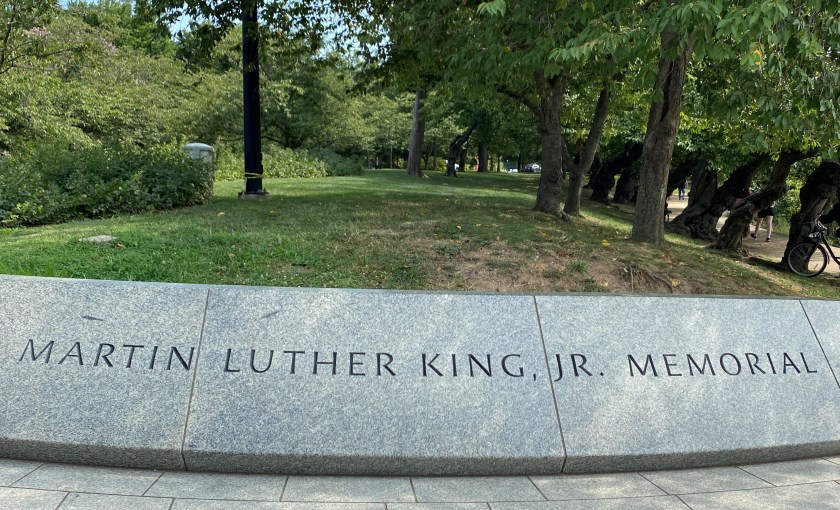
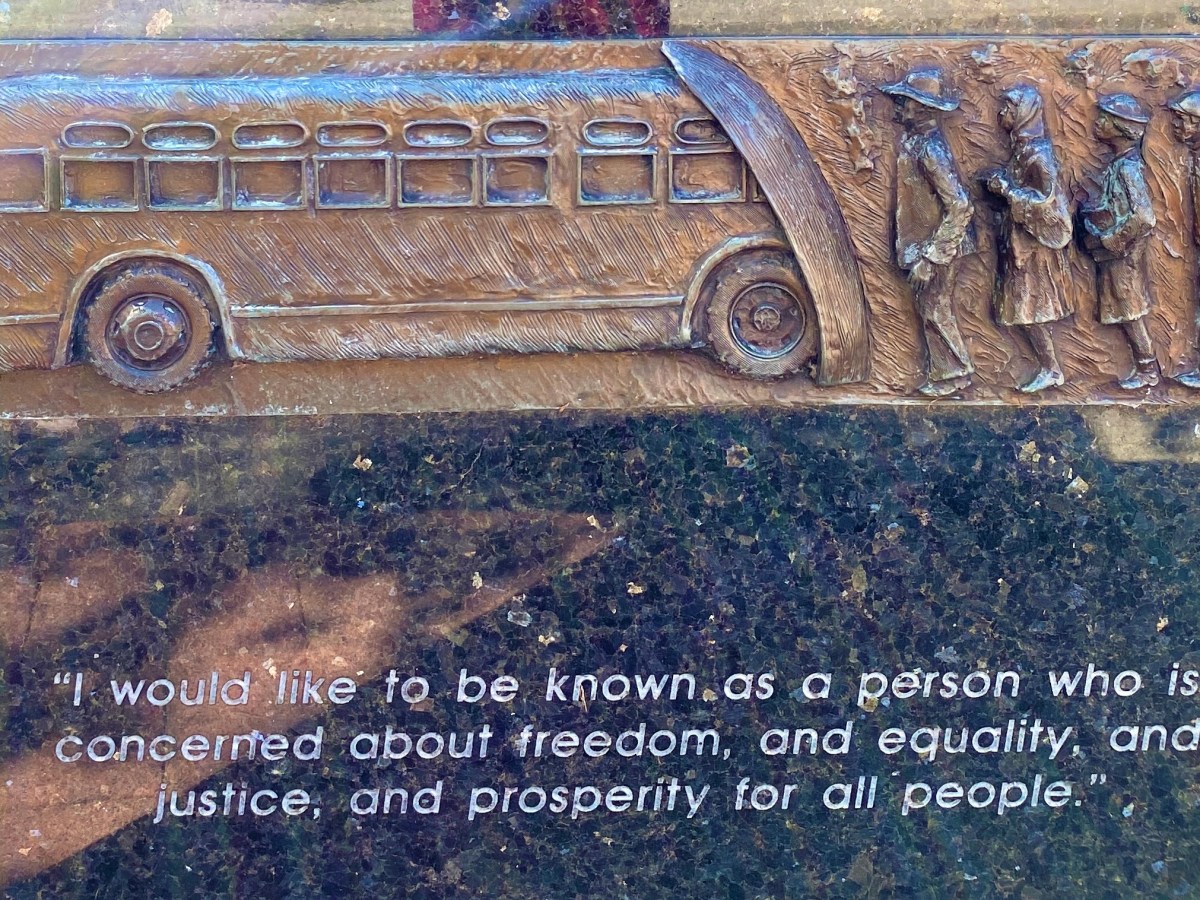
photo by Dr. Aletha in Washington, DC

King grew up in Atlanta Georgia when Jim Crow laws made segregation and discrimination a daily reality for black people in the South.

King attended Morehouse College in Atlanta, where religious faith inspired him toward social change. King helped organize the Montgomery bus boycott, a yearlong campaign sparked by Rosa Parks. She was arrested after refusing to give up her seat on a bus to a white passenger even though other seats were available.

After the Supreme Court overturned Alabama’s bus segregation laws in 1956, King co-founded the Southern Christian Leadership Conference and promoted nonviolent action for civil rights throughout the South.

I visited a park in Grand Rapids Michigan named after Rosa Parks and wrote about her in this post.

Our Auntie Rosa-Her Family Remembers Rosa McCauley Parks

“Our Auntie Rosa” by Sheila McCauley Keys reveals personal memories of Rosa Parks, showcasing her impact on family and society. The book highlights Parks’ dedication to civil rights, her nurturing role as a family member, and her legacy as a symbol of courage. Her life is celebrated both intimately and historically.

Keep reading

Journey -winter illnesses

In the northern hemisphere, January is the first full month of winter, following the winter solstice in late December. Those of you on the south side of the globe, are enjoying summer. With winter comes the typical winter illnesses, mostly respiratory infections caused by viruses.

We were mostly concerned when infants, elderly adults, those immune suppressed, smokers, and other at-risk people fell ill. Since COVID joined the list of pathogens, everyone should be vigilant about staying well and avoid spreading infection to other people.

I offer these tips to help avoid a journey with winter illnesses.

How to cope with winter illness

As winter brings respiratory illnesses like colds and flu, it’s essential to understand symptoms such as fever, cough, and sore throat. While most recover, high-risk individuals should seek medical help. Stay home, wash hands frequently, use medications wisely, and be patient with recovery, which may take days to weeks.

Keep reading

exploring the HEART of health

I’d love for you to follow this blog. I share information and inspiration to help you turn health challenges into health opportunities.

Add your name to the subscribe box to be notified of new posts by email. Click the link to read the post and browse other content. It’s that simple. No spam.

I enjoy seeing who is new to Watercress Words. When you subscribe, I will visit your blog or website. Thanks and see you next time.

Happy New Year!

Dr. Aletha

find hidden opportunities hidden in each new day
graphic from LIGHTSTOCK.COM, an affiliate link

CHARACTER COUNTS! founder, Michael Josephson, is an influential and internationally renowned champion of character education for youth and ethical conduct in business, government, policing, journalism, sports, healthcare, and law.  He is credited by many as the person most responsible for reviving and professionalizing character education in school and youth-serving organizations.

He challenges us all to

Choose to live a live that matters.

Michael Josephson

Health lessons from Martin Luther King, Jr.

Dr. King’s life reminds us of the  tragic effects of interpersonal violence; his mother, Alberta Williams King, also died violently.


updated January 15, 2022

The Reverend Dr. King led the Civil Rights Movement in the United States from the mid-1950s until his death by assassination in 1968.

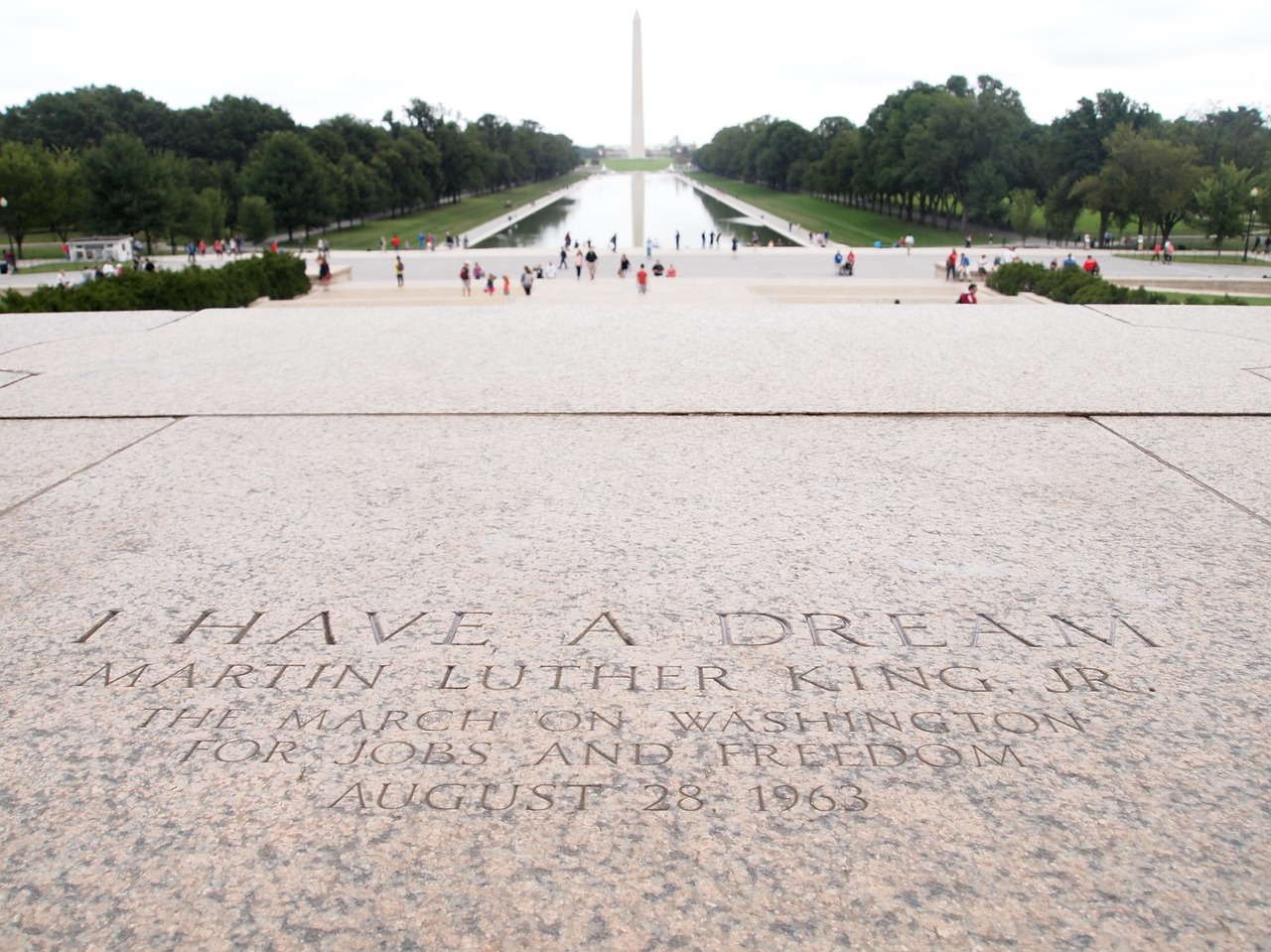
His famous “I have a dream” speech, delivered at the Lincoln Memorial in Washington, D.C. is  remembered, read, and recited by people all over the country if not the world on Martin Luther King, Jr. Day every year.

The  United States observes the third Monday of January as a federal holiday in honor and memory of the birthday of the late Rev. Martin Luther King, Jr. (January 15, 1929)

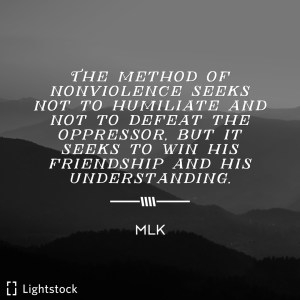
quote from Martin Luther King about hate

Dr. King’s life reminds us of the  tragic effects of interpersonal violence. His life ended suddenly and prematurely when, on April 4, 1968, an assailant shot him as he stood on a hotel balcony. He had delivered his last speech just the day before. The shooter was apprehended, and after confessing to the murder, sentenced to life in prison where he died.

Most people know of Dr. King’s assassination, but don’t know his mother, Alberta Williams King, also died violently. At age 69, sitting at the organ of the Ebenezer Baptist Church, Mrs. King was shot and killed on June 30, 1974. Her  23-year-old assailant received a life sentence and died in prison.

Violence, a major health risk

Violence between persons creates social, economic and political problems, and serious medical consequences. It is a leading cause of death, especially in children, adolescents and young adults.

Non-fatal injuries often cause severe and permanent disability that changes lives, burdens families and increases medical costs astronomically. These include

  • TBI, traumatic brain injuries
  • Spinal cord injuries leading to paraplegia, quadriplegia, ventilator dependence
  • Amputations of limbs
  • PTSD, post-traumatic stress disorder; other forms of anxiety; depression
  • Chronic pain, often leading to opiate dependence

Of all the forms of inequality, injustice in health care is the most shocking and inhumane.
Dr. King

The risk of health disparities

This observance also reminds us of the problem of health disparity. Health disparities are

preventable differences in the burden of disease, injury, violence, or opportunities to achieve optimal health

that are experienced by populations that have been disadvantaged by their social or economic status, geographic location, and environment.

These populations can be defined by factors such as

  • race or ethnicity,
  • gender,
  • education or income,
  • disability,
  • geographic location (e.g., rural or urban),
  • sexual orientation.

Health disparities are directly related to the past and present  unequal distribution of social, political, economic, and environmental resources

This was especially true with the COVID-19 pandemic. The CDC listed several reasons why this occurred.

  • There is evidence that people in racial and ethnic minority groups are more likely to live in areas with high rates of new COVID-19 infections (incidence).
  • Crowded living conditions and unstable housing contribute to transmission of infectious diseases and can hinder COVID-19 prevention strategies like hygiene measures, self-isolation, or self-quarantine.
  • Racial and ethnic minority groups are disproportionately represented in essential work settings such as healthcare facilities, farms, factories, warehouses, food processing, accommodation and food services, retail services, grocery stores, and public transportation.19,20,21,22 
  • Some people who work in these settings have more chances to be exposed to COVID-19 because -close contact with the public or other workers, not being able to work from home, and needing to work when sick because they do not have paid sick days.
  • Social determinants of health may also influence access to testing.
  • Underlying medical conditions that increase risk for severe illness from COVID-19 may be more common among people from racial and ethnic minority groups.19 Common underlying conditions among those who require mechanical ventilation or died included diabetes, high blood pressure, obesity, chronic kidney disease on dialysis, and congestive heart failure. 20 
  • Together, the evidence from the provisional death data from NCHS and recent studies clearly illustrate the disproportionate burden of COVID-19 deaths among racial and ethnic minority groups, particularly Hispanic or Latino, non-Hispanic Black, and non-Hispanic American Indian or Alaska Native people.

Long before COVID, doctors knew our Black patients fared worse with many common serious diseases

Learn Why 7 Deadly Diseases Strike Blacks Most  from WebMD

I have a dream over the image of Martin Luther King Jr.
photo by Ruel Calitis, Lightstock.com

I have the audacity to believe that peoples everywhere can have three meals a day for their bodies,

education and culture for their minds,

and dignity, equality, and freedom for their spirits.

Dr. King

You can learn more about Dr. King and listen to part of his famous speech at

Biography.com

"I have a dream" by Martin Luther King, Jr.
Plaque honoring “I have a dream” speech by Dr. King , in Washington D.C. looking toward the Washington Monument

The following book suggestions lead to affiliate links which may pay a commission to this blog at no extra cost to you. These commissions help me fund this blog.

a biography about Dr. King written for children

I Am Martin Luther King, Jr.

I am Martin Luther King book

exploring the HEART of health equality

Thank you for joining me to remember the late Dr. King. Please enter your email address to be notified of new posts as soon as they are available, you won’t receive anything else.

Dr. Aletha

Dr. Aletha