
Every year on July 4th we celebrate Independence Day- the day the original 13 American colonies established an independent country.
They established a government, military, educational system, highway system, public works, and healthcare system.
We Americans may pride ourselves on not having “socialized” medicine or “national healthcare”, but we do have a health care system that is a combination of public and private funding and administration. And even private healthcare must comply with a myriad of local, state, and federal laws and regulations.
Celebrate healthcare professionals
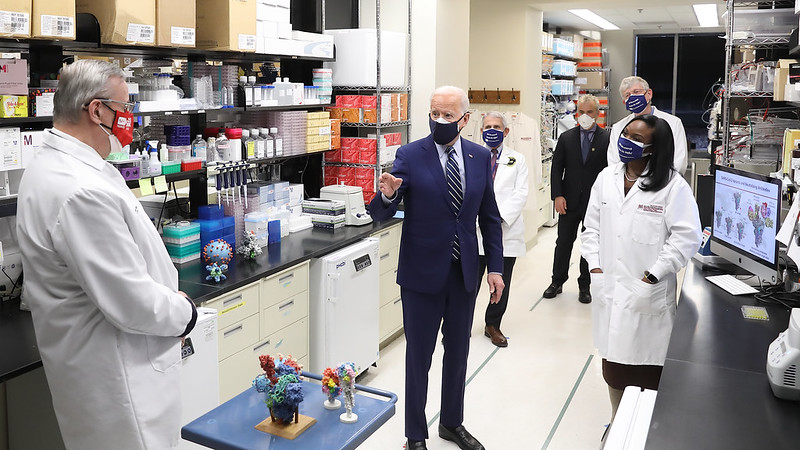
I believe we have one of the best healthcare systems in the world because of the people who work in healthcare- the people who devote years to education and training and who work tirelessly 365 days a year, 24 hours a day to make and keep us well. Their commitment, compassion, dedication and competence benefits all of us and deserves our gratitude.

According to recent statistics, the United States government accounts for-
40% of healthcare spending, totaling $1.3 trillion yearly
United States government healthcare covers 100 million individuals through 4 federal agencies
- Department of Health and Human Services
- Department of Defense
- Veterans Administration
- Department of Homeland Security
(JAMA (Journal of the American Medical Association), June 21, 2016)
Government-sponsored healthcare programs
The Affordable Care Act, aka Obamacare
The United States Congress passed the Patient Protection and Affordable Care Act (ACA) in 2010 to guarantee basic health insurance to all citizens. During the last presidential campaign, President Trump vowed to “repeal and replace” this law but although it has been modified, it is still active
Healthcare for military service members, veterans,and their families
During the American Revolution the fledgling government extended health care benefits to the soldiers and veterans of that war; that system evolved into the current military health care system which covers service members and the Veterans’ Administration system for veterans.


Medicare and Medicaid
Two other government healthcare programs- Medicare and Medicaid are over 50 years old.
Medicaid provides insurance coverage for adults and children who are unemployed or low income.
Medicare covers disabled children and adults and persons 65 years and older.
- Together these programs cover at least 30% of Americans.
- Together they comprise 25% of all federal spending.
- Together they pay 40% of total U.S. health care spending.
An infographic from the Kaiser Family Foundation and JAMA explains this further.
You may not be eligible for either of these programs now, but chances are eventually you or someone close to you will.
- Anyone can become disabled from a serious illness or freak accident.
- You or your spouse may lose your job and your employer sponsored health insurance.
- Your child may have a disability that will prevent them from working when they grow up.
- We may all live long enough to qualify for Medicare on the basis of age alone. Your parents or grandparents are near or already at Medicare age.

It’s important to understand how Medicare works, since it’s not automatic; even if you qualify, you need to sign up to be covered (with a few exceptions). The rules are summarized here. Or consider an easy to understand book here.
Federal healthcare agencies
- Food and Drug Administration- FDA
- Centers for Disease Control and Prevention- CDC
- National Institutes of Health- NIH
- Occupational Safety and Health administration-OSHA
- Drug Enforcement Agency-DEA


Federal healthcare laws
- The Affordable Care Act- ACA
- Health Insurance Portability and Accountability Act-HIPPA
- Emergency Medical Treatment and Labor Act- EMTALA
- Americans with Disabilities Act-ADA

Let Freedom Ring
In the Declaration of Independence, the founders of the United States created a nation based on the “self-evident truths” of “Life ,Liberty, and the pursuit of Happiness” and to promote “Safety and Happiness” .
In the Constitution they vowed to “promote the general Welfare” .
I wonder if they envisioned their new government would spend so much time and money providing and regulating health care -most of which was not available or even imagined at that time?
Let’s celebrate!

Exploring the HEART of Health
I’d love for you to follow this blog. I share information and inspiration to help you transform challenges into opportunities for learning and growth.
Add your name to the subscribe box to be notified of new posts by email. Click the link to read the post and browse other content. It’s that simple. No spam.
I enjoy seeing who is new to Watercress Words. When you subscribe, I will visit your blog or website. Thanks and see you next time.

Me, years ago, showing my patriotic spirit by posing in red, white, and blue
Dr. Aletha
- About Dr. Aletha
- How to Use this Site
- Make Your Life Easier
- Search by Category
- Share the HEART of health
- my Reader Rewards Club
- RoboForm Password Manager









 watercress words by Dr Aletha