
updated September 21, 2025
I published this post during the COVID-19 pandemic. Now, in 2025 we have new stressors to deal with. Fortunately, stress managementt techniques work in many different situations, like regular physical activity.
Coping with stress by walking
We’re all struggling to cope with the stress of upended lives, risk of a new and menacing illness, economic instability, and an unpredictable future. Most of us are actively pursuing ways to take care of our bodies and minds so the stress doesn’t overwhelm us.
The Mayo Clinic reminds us that physical activity is one key way to do that.
Regular physical activity and exercise can help reduce anxiety and improve mood. Find an activity that includes movement, such as dance or exercise apps. Get outside, such as a nature trail or your own backyard.
Let’s go walking
I’ve had to adjust my activity routine since my dance studio is closed, as well as the recreation center, which I had just joined prior to the physical distancing protocol started.
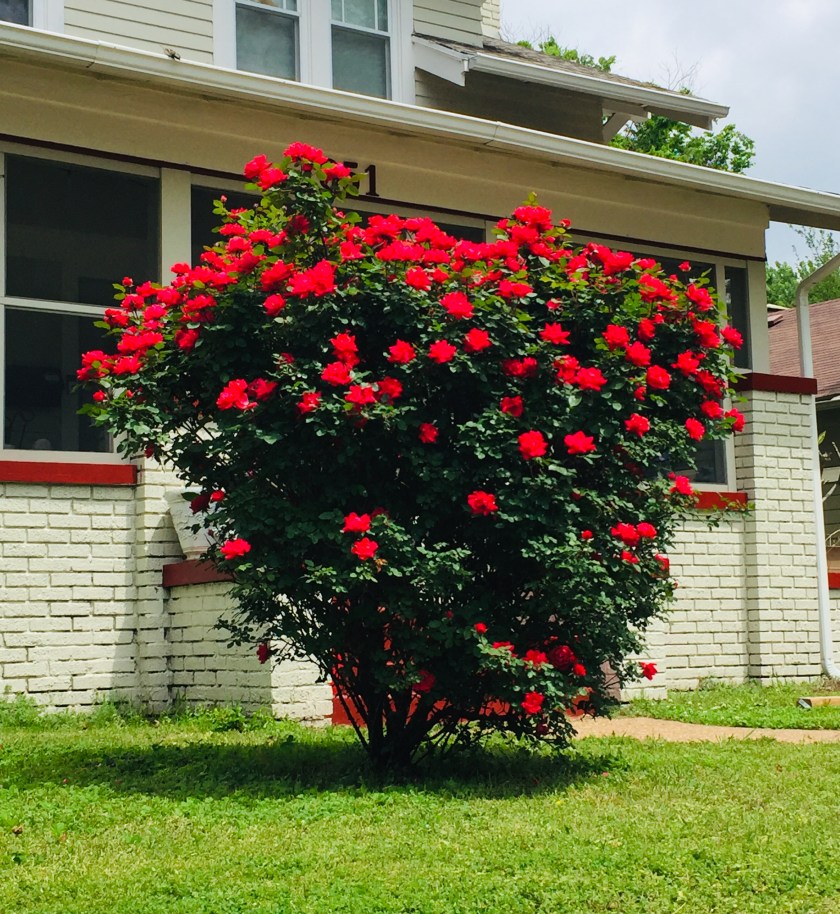
I already liked to walk, so I have increased that to almost daily. I have a treadmill that I can use when the weather is not so nice, but I prefer to walk outside.
So in this post I’m going to share some photos from my walking journeys with reminders about the benefits of walking.
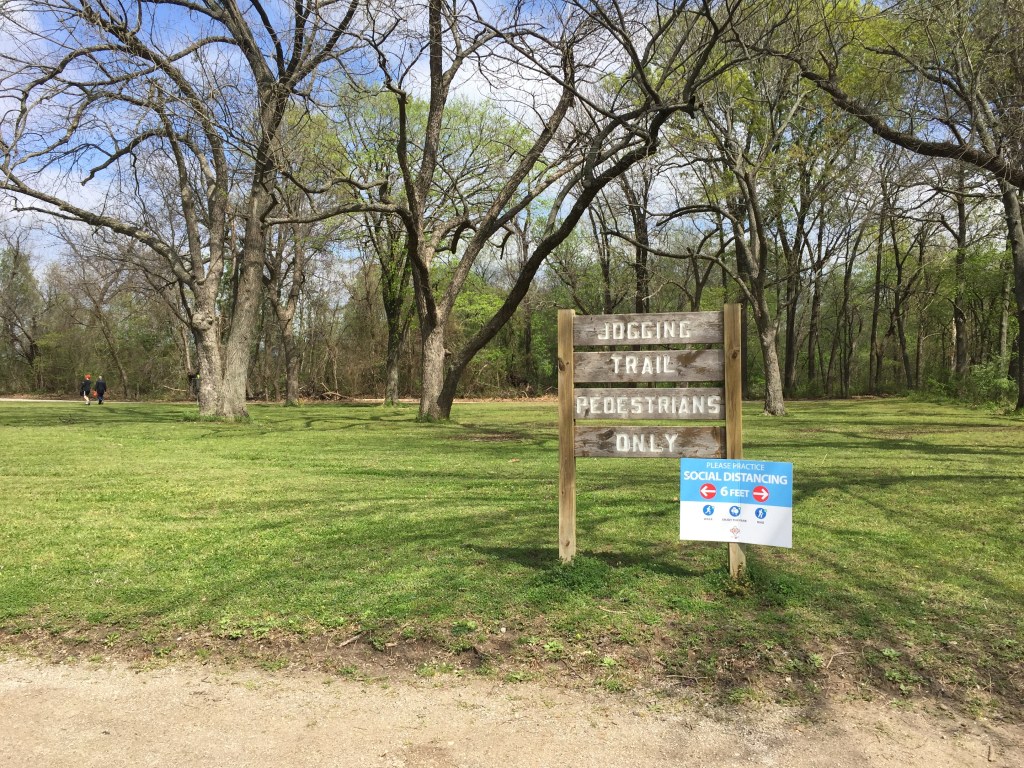
Walking may be the best exercise
The best type of exercise is one that you will do regularly. Walking is considered one of the best choices because it’s easy, safe, and inexpensive.
Brisk walking can burn as many calories as running, but it is less likely to cause injuries than running or jogging. Walking doesn’t require training or special equipment, except for appropriate shoes.
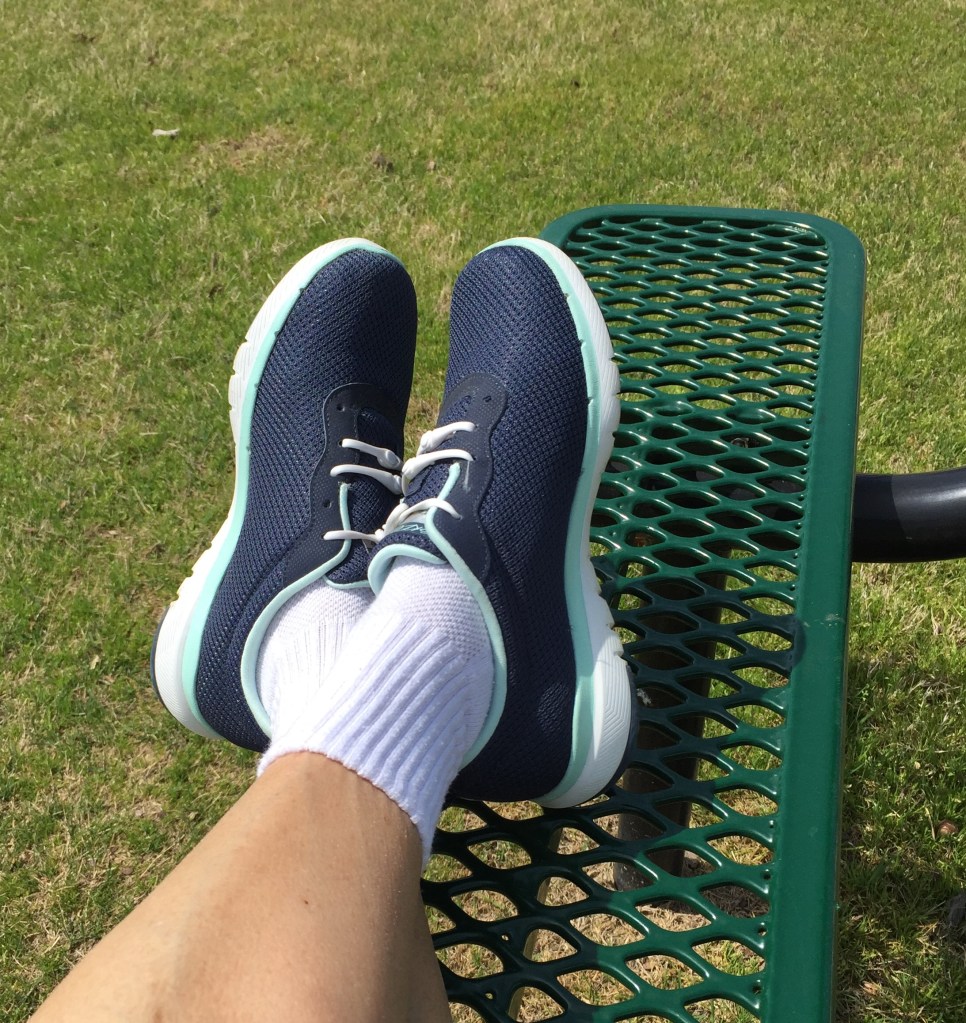
Walking is an aerobic and weight-bearing exercise, which is beneficial for your heart and helps prevent osteoporosis.
I like Skechers for walking. My husband is a fan of Hoka.
Whatever brand you wear, choose one that fits well and is comfortable; wear good socks to help prevent blisters.
Read more about taking care of your heart at this previous post.
Walking for Heart Health

7 Keys to a Healthy Heart
February is American Heart Month, highlighting heart health amidst Valentine’s Day. In this post I outline seven major types of heart diseases and risk factors such as smoking and hypertension. Recognizing heart problem symptoms is crucial. Maintaining heart health involves addressing risk factors with healthy lifestyle choices. Share this vital information.
Keep readingDon’t stop walking
As we get older we may be tempted to walk less. But movement becomes even more import with advanced age.
People age 65 and older should get at least 2.5 hours of moderate aerobic exercise (such as brisk walking) every week. That averages out to about 30 minutes on most days of the week.
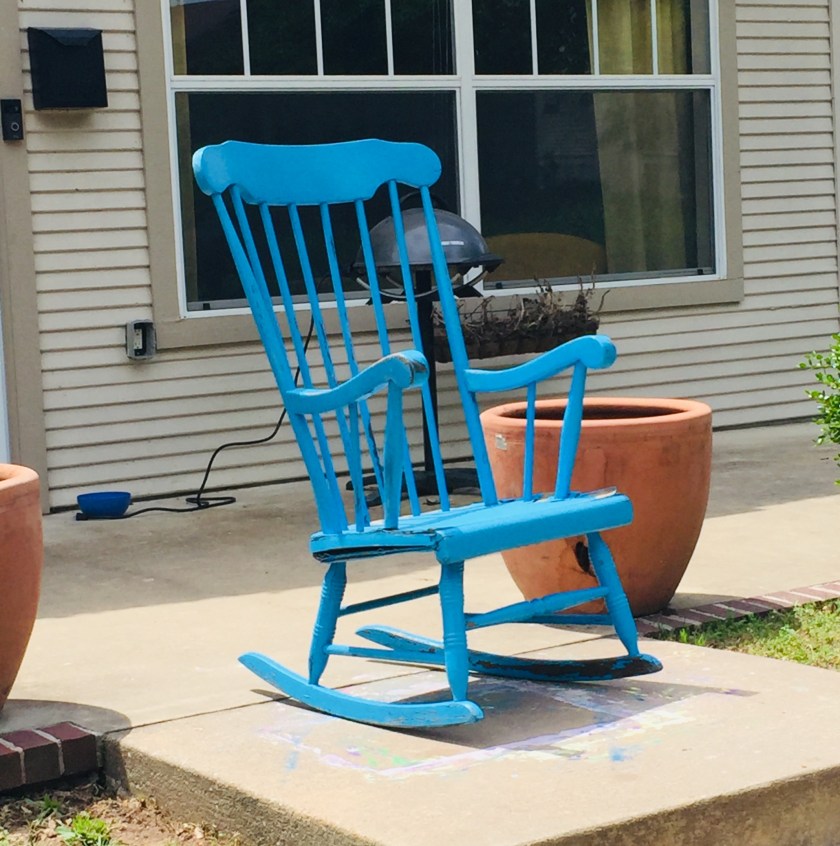
Low-impact activities such as walking, biking, or swimming generally go easy on your joints.


One day I biked instead of walked; a little harder to take photos though.
How to include physical activity in your daily routine.
- Park the car farther away at work or stores.
- Get off the bus one stop earlier and walk the rest of the way.
- Walk to do errands.

Get going and keep going
Everyone can benefit from physical activity. For most people, it is possible to begin exercising on your own at a slow pace.
If you have never exercised before, start with a 10-minute period of light exercise. A brisk walk every day is a good first exercise.
Slowly increase how hard you exercise and for how long.
You can walk outdoors, at home on a treadmill, alone, or with friends and family.
Make it fun. Listen to music or books on tape while you walk or jog. Watch TV or a video while you exercise.


The HEART of walking
Aerobic exercise causes you to breathe more deeply. It makes your heart work harder to pump blood. Aerobic exercise also raises your heart rate (which burns calories).
Examples of aerobic exercise include walking, jogging, running, dancing, swimming, and bicycling.
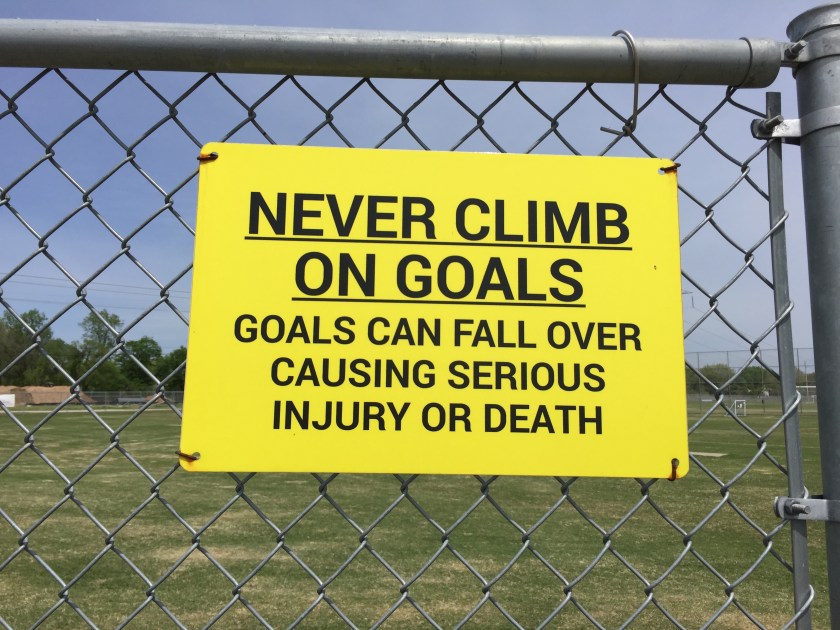
This sign was on the fence at a soccer field, where it’s good advice.
But in life, I think if we “climb on our goals”, we’ll be more likely to reach them
Sometimes “goals” do fall over, hopefully not causing serious injury or death, but disappointment and discouragement.
If your goals fail, climb back and try again. Just not on the soccer field, please.
Coach’s Corner: Evaluate your fitness goals
As you consider your fitness, where are you compared to where you want to be?
What is keeping you from the fitness level you need and want?
What do you need to do to get you to the next level? When will you start?
Visit FamilyDoctor.org
The fitness advice in this post was taken from FamilyDoctor.org, the patient information site sponsored by the American Academy of Family Physicians, of which I am a member. Please visit the site for more advice about exercise, fitness, and other health concerns.
Exploring the HEART of fitness
I’d love for you to follow this blog. I share information and inspiration to help you transform challenges into opportunities for learning and growth.
Add your name to the subscribe box to be notified of new posts by email. Click the link to read the post and browse other content. It’s that simple. No spam.
I enjoy seeing who is new to Watercress Words. When you subscribe, I will visit your blog or website. Thanks and see you next time.
Dr. Aletha
- About Dr. Aletha
- How to Use this Site
- Make Your Life Easier
- Search by Category
- Share the HEART of health
- my Reader Rewards Club
- RoboForm Password Manager









 watercress words by Dr Aletha