updated January 16, 2026
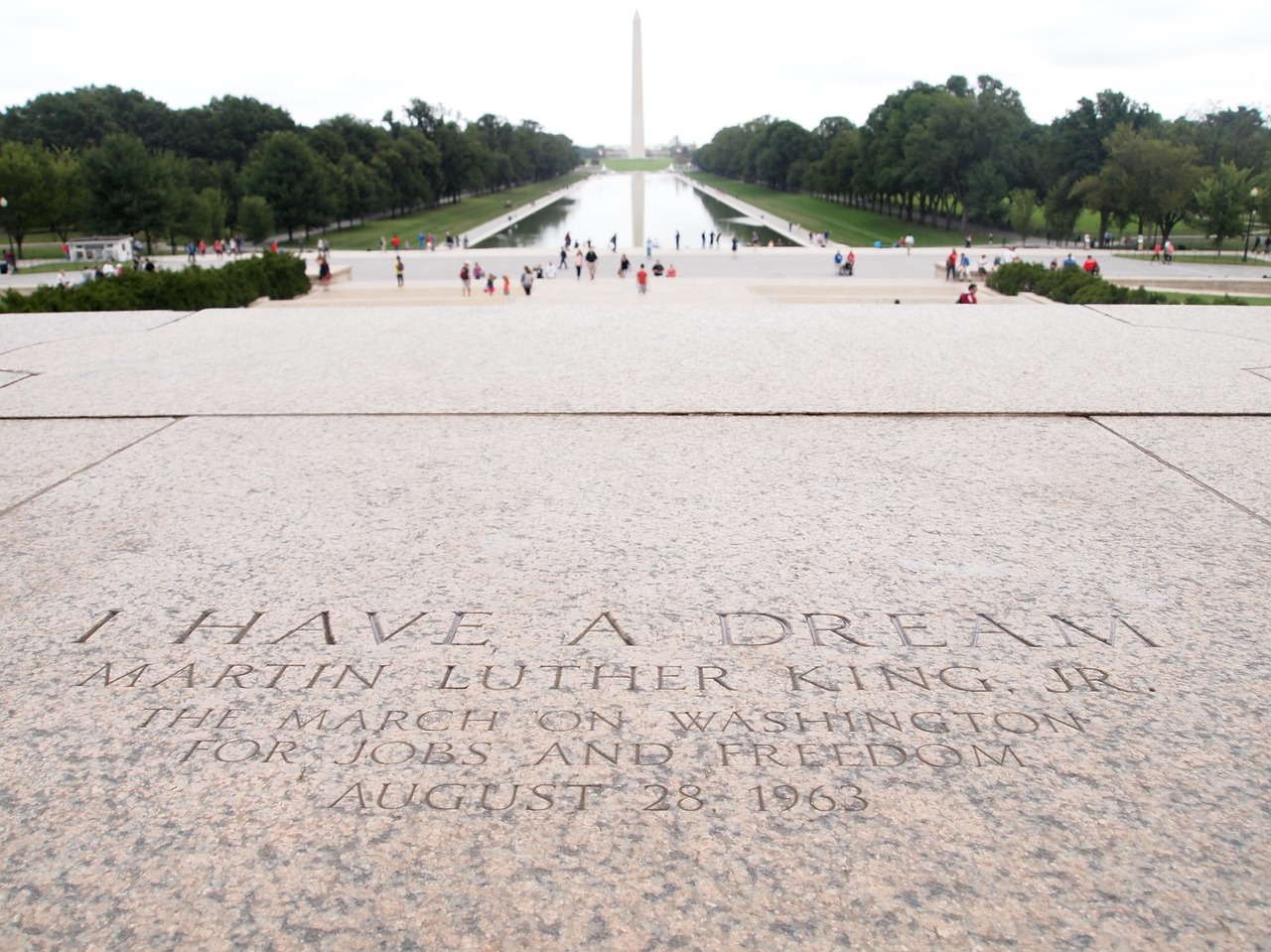
Monday, August 28, 2023, marked the 60th anniversary of the March on Washington for Jobs and Freedom in Washington, D.C. According to the NAACP,
more than a quarter million people participated in the historic March on Washington for Jobs and Freedom, gathering near the Lincoln Memorial. Dr. King, originally slated to speak for 4 minutes, went on to speak for 16 minutes, giving one of the most iconic speeches in history.
NAACP
Presidential Actions
In 2026, President Donald Trump issued executive orders and administrative changes that alter the federal observance of Martin Luther King Jr. Day (MLK Day).
However, the holiday remains a legally recognized federal holiday, established by Congress in 1983, requiring an act of Congress to be revoked.
The Trump administration removed MLK Day and Juneteenth from the National Park Service’s list of fee-free admission days. It added several dates to the fee-free calendar, notably June 14, which is Flag Day and President Trump’s birthday.
Please visit the National Mall and Memorial Parks Fees and Passes page for information on Fees and Passes parkwide.
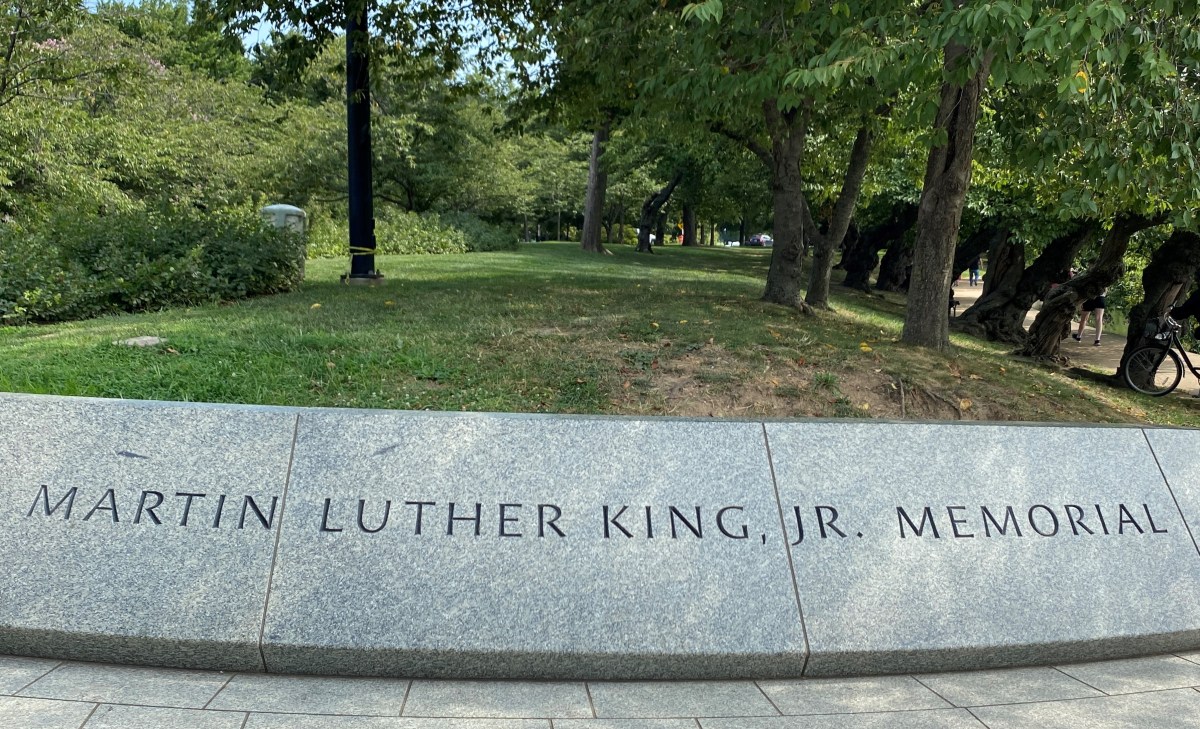
The Martin Luther King, Jr. Memorial
The Martin Luther King, Jr. Memorial is located in West Potomac Park at 1964 Independence Avenue, SW, referencing the year the Civil Rights Act of 1964 became law.
The Martin Luther King, Jr. Memorial has no fees or reservations associated with a visit.
The memorial’s official dedication date is August 28, 2011, the 48th anniversary of the March on Washington for Jobs and Freedom, though the ceremony was postponed until October 16 due to Hurricane Irene.
These photos are from my visit to Washington DC in 2022. It was my first time to see the memorial to Dr. King and it is even more impressive than I had imagined from photos.
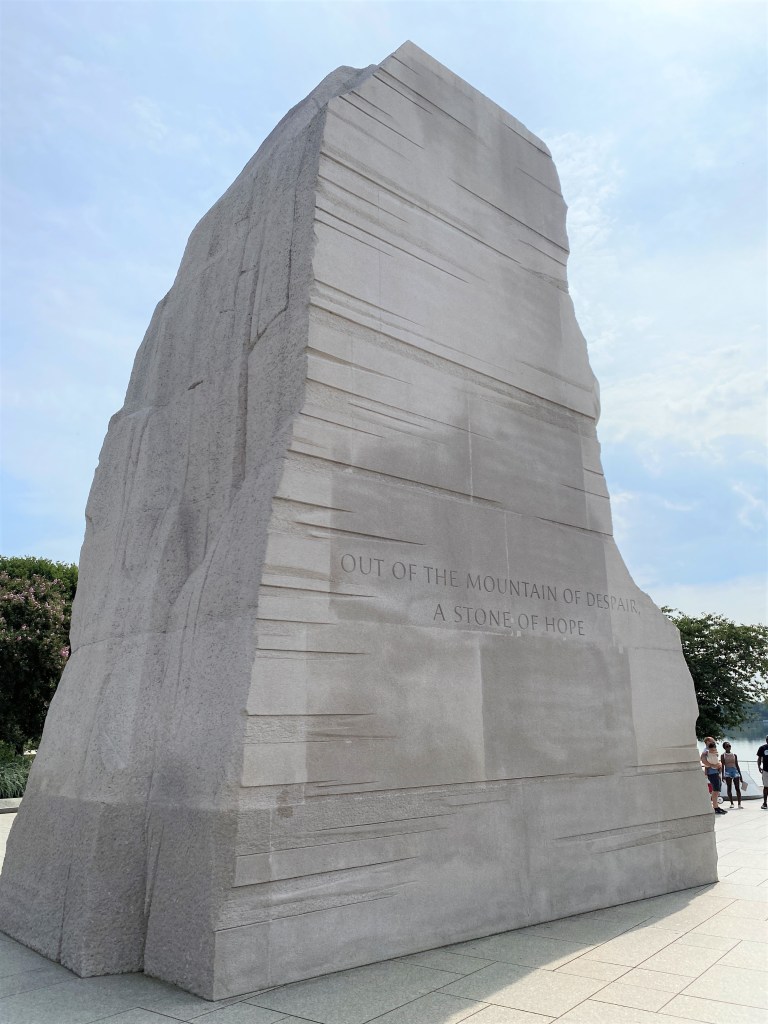
“darkness cannot drive out darkness, only light can do that.”
Dr. Martin Luther King, Jr.
A Beloved Community
“Dr. King imagined a different future for America — an America he called the “Beloved Community.” Building the Beloved Community required a key shift in human understanding.
It meant looking beyond external differences to see the union of all humankind.
It also meant finding a way to deal with our grievances without animosity, in a way that recognized the interconnectedness of all humanity and allowed us to move forward together.”
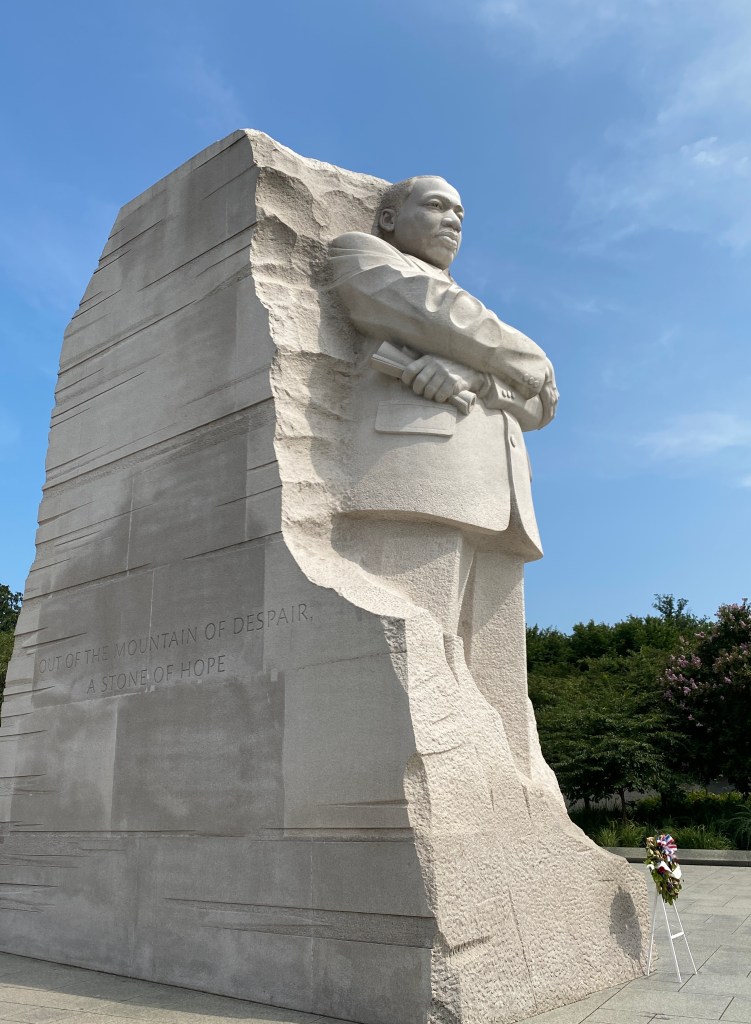
Remembering King’s life
“From the pulpit to the podium to the streets, Dr. King devoted his life to the quest for this Beloved Community in our Nation.
His activism and moral authority helped usher in the Civil Rights Act of 1964 and the Voting Rights Act of 1965.
He gave a voice to the restless spirit of millions yearning for change. He gave us a roadmap to unify, to heal, and to sustain the blessings of the Nation to all of its people.
Dr. King called for greater fairness in our health care system, and my Administration is pushing to put quality, affordable health care within reach of all people — especially the most vulnerable and marginalized Americans. By lowering costs and improving access, we can make health care a right and not just a privilege.
Dr. King preached that “darkness cannot drive out darkness, only light can do that.” In his memory, we strive to challenge violence and bigotry with grace and goodness.”
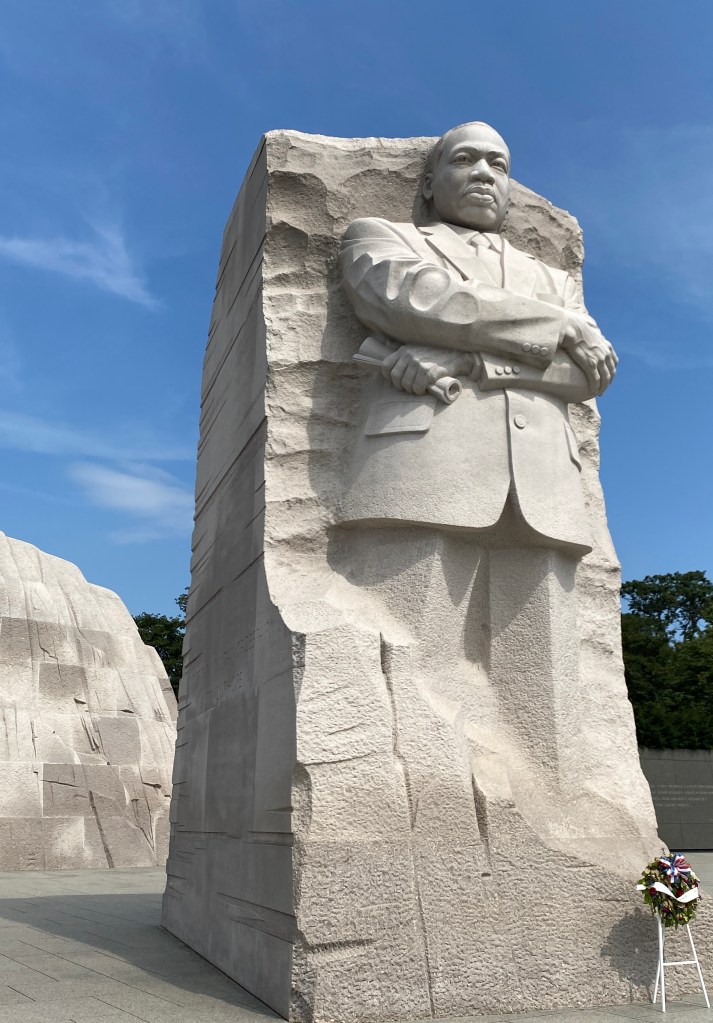
Fulfilling King’s Legacy
“On this day of commemoration, service, and action, let us hold up a mirror to America and ask ourselves: What kind of country do we want to be?
Will we honor Dr. King’s legacy by rising together — buttressed by each other’s successes, enriched by each other’s differences, and made whole by each other’s compassion? I believe we can.
It will require constant care for our democracy, stubborn faith in this great experiment, and a commitment to stamping out discrimination in all forms.
It will demand honest reflection about how far we have come and how far we have yet to go to be the best version of ourselves.
But like Dr. King, I know that there is nothing beyond this Nation’s capacity and that we will fulfill the promise of America for all Americans — perfecting the Union we love and must protect.”
Quotes about Dr. King are from former President Joe Biden’s Presidential Proclamation
Books by and about Dr. King
These book suggestions lead to affiliate links which may pay a commission to this blog at no extra cost to you.
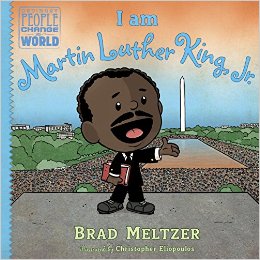
A Picture Book of Martin Luther King, Jr. (Picture Book Biography)
A Testament of Hope: The Essential Writings and Speeches
The Autobiography of Martin Luther King, Jr.
The Essential Martin Luther King, Jr.: “I Have a Dream” and Other Great Writings
Martin Luther King Jr.: A Life From Beginning to End
And many more books at my online store at Bookshop.org
Bookshop.org is an online bookstore that financially supports local, independent bookstores.
We believe bookstores are essential to a healthy culture and they are dedicated to the common good.
Bookshop.org donates a portion of every sale to independent bookstores.
exploring the HEART of health
I’d love for you to follow this blog. I share information and inspiration to help you transform challenges into opportunities for learning and growth.
Add your name to the subscribe box to be notified of new posts by email. Click the link to read the post and browse other content. It’s that simple. No spam.
I enjoy seeing who is new to Watercress Words. When you subscribe, I will visit your blog or website. Thanks and see you next time.
Dr. Aletha
- About Dr. Aletha
- How to Use this Site
- Make Your Life Easier
- Search by Category
- Share the HEART of health
- my Reader Rewards Club
- RoboForm Password Manager
please help support this blog; consider starting with the cost of a beverage
Choose an amount
Or whatever works for you
I welcome and appreciate your support, it helps fund this blog and share the HEART of health all over the world.
Excess funds are donated to health related charities.
Dr. Aletha



 watercress words by Dr Aletha