Dr Jane Goodall-Messenger of Hope-and Medal of Freedom Award

Dr. Jane Goodall received the Presidential Medal of Freedom from President Biden , recognizing her environmental activism. The Barbie Inspiring Women Series also features a collectible doll representing her legacy. Goodall advocates for mindful eating and local food production while promoting hope amid global challenges in her recent book, “The Book of Hope.”

updated January 6, 2025 and October 2, 2025

The Presidential Medal of Freedom is the United States’ highest civilian honour, presented to individuals who have made exemplary contributions to the prosperity, values, or security of the United States, world peace, or other significant societal, public or private endeavours.
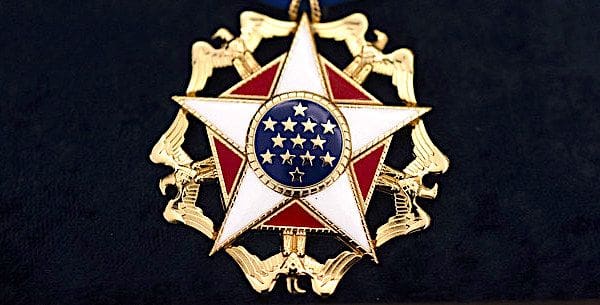
Dr Jane Goodall, DBE, received the Presidential Medal of Freedom from President Joe Biden on January 4, 2025. The award recognized Dr. Jane’s activism, vision, and message of hope, which have mobilized a global movement to protect the planet.

“I am deeply honoured to receive the Presidential Medal of Freedom,” said Dr. Jane Goodall. “This recognition reflects the hope and action of so many people who inspire and motivate me every day in the firm belief that together we can and we must save the natural world for ourselves and future generations.”

Dr. Jane Goodall, an Inspiring Woman

  • The Barbie Inspiring Women Series honors ethologist and activist Dr. Jane Goodall, DBE, founder of the Jane Goodall Institute (more at janegoodall.org), with a collectible Barbie doll made from recycled materials.
  • The Dr. Jane Goodall Barbie doll comes equipped with a notebook and a pair of binoculars and wears field attire featuring a khaki shirt, shorts, and boots.
  • This collectible doll is joined by a figure inspired by one of her most famous subjects, chimpanzee David Graybeard.
  • The Dr. Jane Goodall Barbie doll is the first in the Inspiring Women Series to be made from recycled materials.
  • This celebration of Dr. Jane Goodall’s decades of dedication, ground-breaking research, and heroic achievements makes a great gift for collectors and kids ages 6 years old and up.

(This and other posts on this blog contain affiliate links that may pay a small commission to this blog, while you pay nothing extra, but only if you click, look, and make a purchase. Quite a deal for us both. )

In the Shadow of Man-and chimpanzees

In 1960,26 year old Jane Goodall went to Tanzania to study chimpanzees. No one had studied chimps before, so little was known about their behavior in the wild. Biologically and genetically, chimps are closer to humans than any other animal, so scientists believed understanding their behavior could shed light on some aspects of human behavior.

Jane roamed the forests of the Gombe Stream Chimpanze Reserve in Tanzania watching the chimps first with binoculars then with direct observation at close range, even occasionally close enough to touch them. Her mother Vanne lived with her and a photographer Hugo van Lawick joined them.

Working together with nature and animals as their common interest,Jane and Hugo fell in love and married. Eventually she had a staff of research assistants and students involved in observation and reporting about the chimps and other animals.
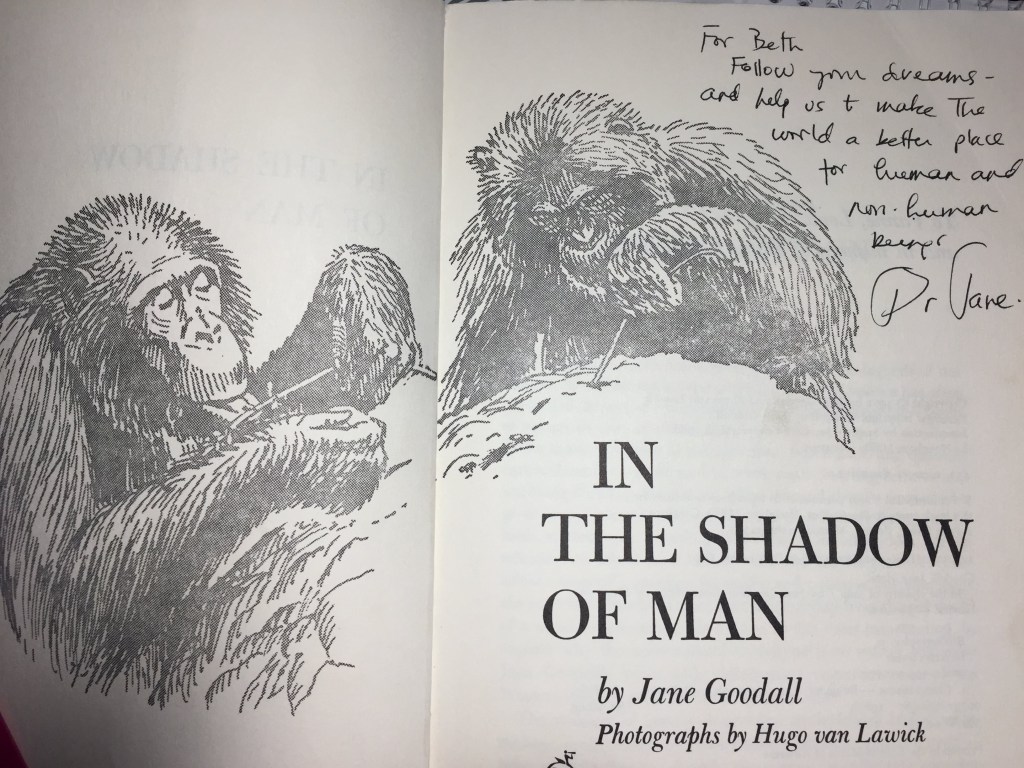
Title page of the book I bought at a used book sale.

In this book, written 10 years later, Dr. Goodall details her years of living among the chimps and her detailed observations and conclusions about their behavior. (For which she earned her doctorate degree.)

“like humans, chimpanzees are omnivores, feeding on vegetables, insects, and meat.”

Dr Goodall

Harvest for Hope-A Guide to Mindful Eating

Jane Goodall is just as interested in people as she is in chimpanzees. Despite the title this book is not about dining while listening to soothing music by candlelight to relax and de-stress.

Jane Goodall wants us to manage stress , not so much our own, but the stress of our planet, by producing, transporting, preparing, and eating our food in ways less harmful and wasteful to us and our planet.
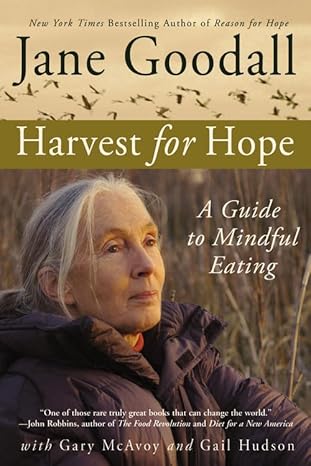
Our food choices affect the environment as much as the environment affects our diet.

Goodall reflected back on her life as a child in England when her family’s food supply was limited by the shortages of a world war. Even in peacetime, they ate what was grown locally and seasonally, rather than food flown in from distant lands. Her nutrition ideas are not new or unique, but she helps us realize our food choices affect the environment as much as the environment affects our diet.

Dr. Goodall recommends buying locally grown, organic foods exclusively. She advocates a meat-free diet. She urges us to waste less. She believes we need to “take back food productions from large corporations.”  By doing so, we will be healthier and so will our planet.

Dr. Jane advocates humans avoid

  • GMO (genetically modified organism) foods
  • meat
  • imported food
  • bottled water
  • fast food
  • refined processed carbs
  • concentrated and synthetic sweeteners
  • commercial oils

Dr. Jane encourages us to

  • Take back food production from large corporations
  • Waste less.
  • Use a filter for drinking water
  • Eat organic locally grown food.
  • Eat fruits, vegetables, legumes
  • Use olive oil, herbs, seasonings

Vote like our planet’s future depends on it-because it does

Dr. Jane Goodall

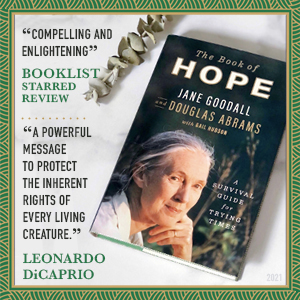
The Book of Hope: A Survival Guide for Trying Times (Global Icons Series) 

In The Book of Hope, Dr. Jane focuses on her “Four Reasons for Hope”:

  • The Resilience of Nature,
  • The Amazing Human Intellect,
  • The Power of Young People, and
  • The Indomitable Human Spirit.

Looking at the headlines―the worsening climate crisis, a global pandemic, loss of biodiversity, political upheaval―it can be hard to feel optimistic. And yet hope has never been more desperately needed.

In this urgent book, Jane Goodall, the world’s most famous living naturalist, and Douglas Abrams, the internationally bestselling co-author of The Book of Joy, explore through intimate and thought-provoking dialogue one of the most sought after and least understood elements of human nature: hope.

The Book of Hope touches on vital questions, including: How do we stay hopeful when everything seems hopeless? How do we cultivate hope in our children? What is the relationship between hope and action?

Filled with moving and inspirational stories and photographs from Jane’s remarkable career, The Book of Hope is a deeply personal conversation with one of the most beloved figures in the world today.

While discussing the experiences that shaped her discoveries and beliefs, Jane tells the story of how she became a messenger of hope, from living through World War II to her years in Gombe to realizing she had to leave the forest to travel the world in her role as an advocate for environmental justice. And for the first time, she shares her profound revelations about her next, and perhaps final, adventure. (an Amazon affiliate link)

Exploring the HEART of health for people and the planet

I’d love for you to follow this blog. I share information and inspiration to help you turn health challenges into health opportunities.

Add your name to the subscribe box to be notified of new posts by email. Click the link to read the post and browse other content. It’s that simple. No spam.

I enjoy seeing who is new to Watercress Words. When you subscribe, I will visit your blog or website. Thanks and see you next time.
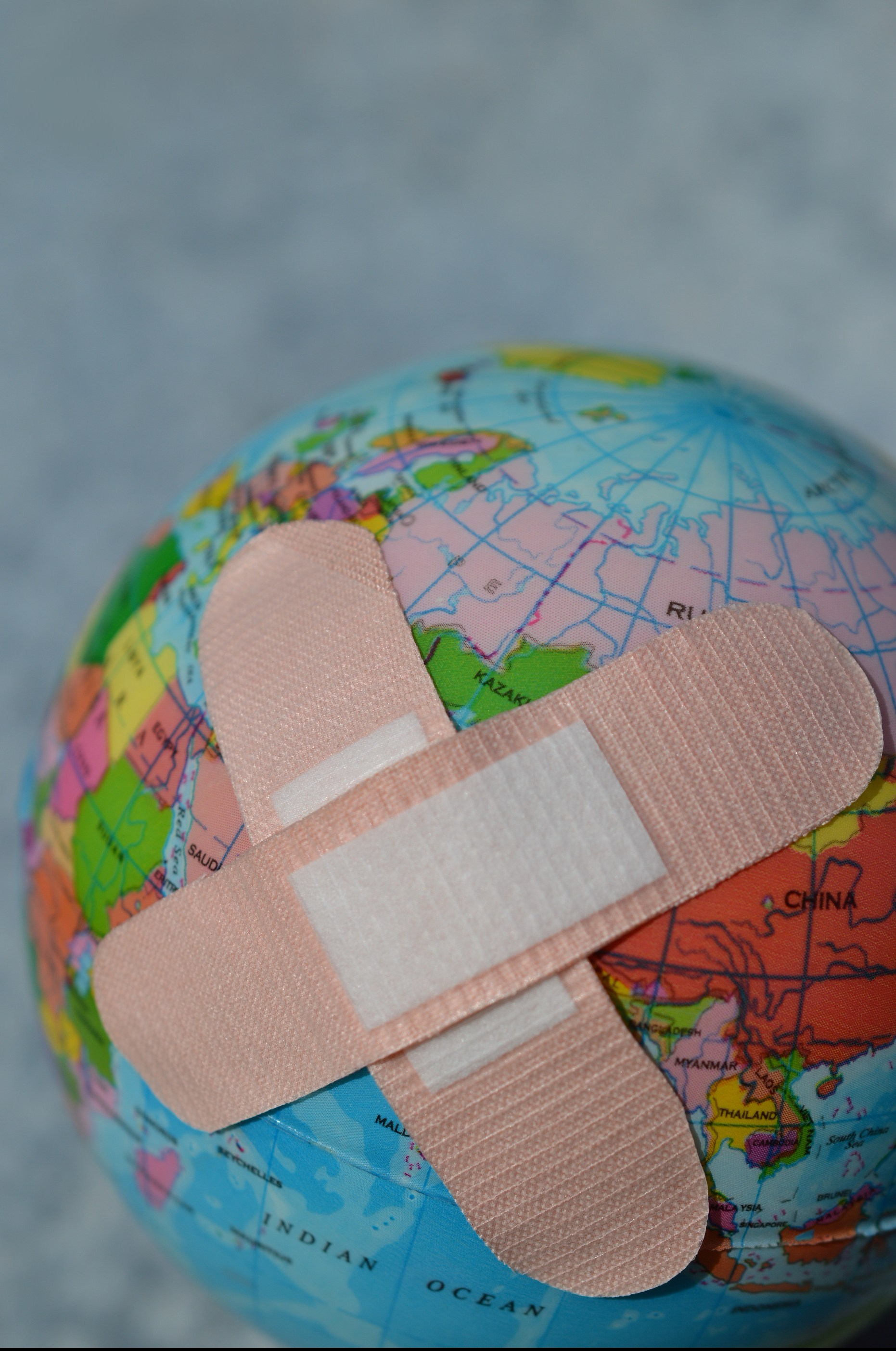
a world globe with two crossed bandaids

Doctor Aletha

In Memory of Dr. Jane Goodall.

On October 1, 2025 the Jane Goodall Institute announced her death. According to the Washington, D.C.-based institute, Goodall died of natural causes while in California on a U.S. speaking tour.

“Dr. Jane was known around the world for her 65-year study of wild chimpanzees in Gombe, Tanzania. However, in the latter part of her life she expanded her focus and became a global advocate for human rights, animal welfare, species and environmental protection, and many other crucial issues.”

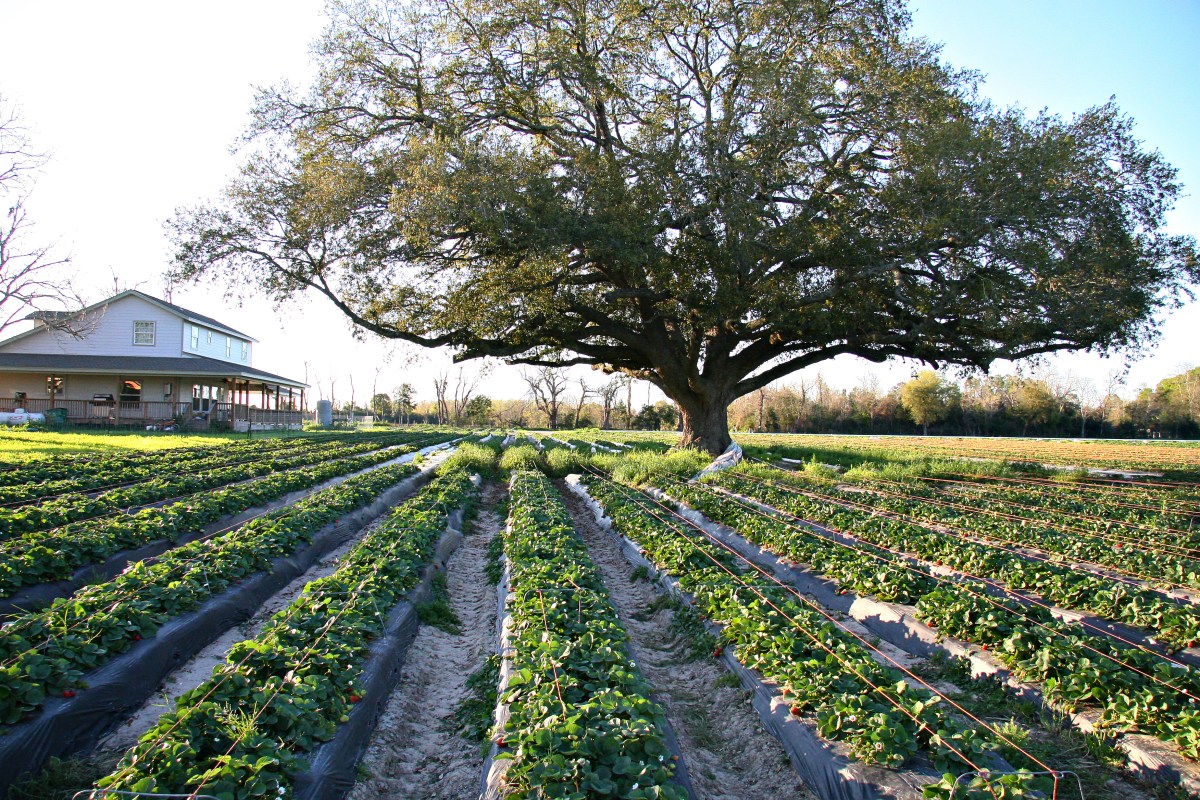
Dr Jane Goodall’s Harvest for Hope- a book review

Jane Goodall wants us to manage stress , not so much our own, but the stress of our planet, by producing, transporting, preparing, and eating our food in ways less harmful and wasteful to us and our planet.

updated October 2, 2025

In Memory, Dr. Jane Goodall

Dr. Jane Goodall, DBE, Founder of the Jane Goodall Institute, UN Messenger of Peace and world-renowned ethologist, conservationist, and humanitarian, has died at the age of 91 of natural causes.

Dr. Jane was known around the world for her 65-year study of wild chimpanzees in Gombe, Tanzania.

In the latter part of her life she expanded her focus and became a global advocate for human rights, animal welfare, species and environmental protection, and many other crucial issues.

(source-Jane Goodall Institute website)

Jane Goodall went to Africa

For Beth- Follow your dreams-and help us to make the world a better place for human and non-human beings.

Dr. Jane

I found a book, In the Shadow of Man, at a used book sale benefiting a local charity. I cannot verify the signature of the note quoted above, but since I found it on the title page of a book by Jane Goodall, I suspect it is authentic.

I’ve wondered who Beth is. Did she need to discard possessions for a move, did she die, or did she just not realize what a treasure she was giving away? If she donated it for charity’s sake, offering it for auction or selling it on eBay might have raised more support. I don’t think the two dollars I paid helped the charity much.

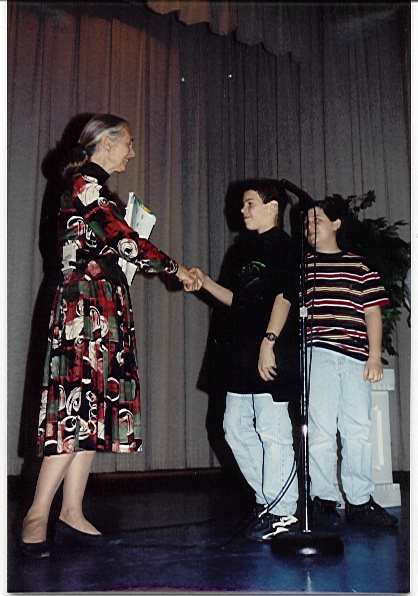
This was not my first almost-close encounter with Jane Goodall. When my son was in elementary school many years ago, she came to his school.

She was in our city for a public event but this was arranged privately by one of the teachers. I believe she had a personal connection with the famous researcher so Dr.Goodall agreed to a private visit, with no news media present.

In anticipation of her visit, the children were asked to write poems about Dr.Goodall. I don’t remember exactly how it came about, but my son’s poem was chosen to present to her as a gift. And he was chosen to go on stage and give it to her.

Dr. Jane Goodall with Dr. Aletha’s son at his elementary school.

This happened long before the days of cell phone cameras and social media; if it happened today, I and the rest of the world would have seen it minutes later.

But thanks to a teacher with a camera, a few weeks later he came home with a photo of him shaking hands with the lady more famous for hanging out with chimpanzees than with 5th graders .

Dr. Goodall’s pandemic warning

Knowing of her concern for animals, humans, and the planet, I suspected Dr. Goodall has opinions about the COVID-19 pandemic. In this July 3, 2020 interview with CBS News she said this,

we brought this on ourselves… the scientists that have been studying these .. zoonotic diseases ( jump from an animal to a human) have been predicting …this . As we chop down at stake tropical rainforest, We’re driving deeper and deeper, making roads throughout the habitat, which … brings people and animals in contact with each other. People are hunting the animals and selling the meat, or trafficking the infants, and all of this is creating environments which are perfect for a virus or a bacteria to cross that species barrier and sometimes, like COVID-19, it becomes very contagious and we’re suffering from it. 

In the Shadow of Man-and chimpanzees

In 1960,26-year-old Jane Goodall went to Tanzania to study chimpanzees. No one had studied chimps before, so little was known about their behavior in the wild. Biologically and genetically, chimps are closer to humans than any other animal, so scientists believe understanding their behavior could shed light on some aspects of human behavior.

Jane roamed the forests of the Gombe Stream Chimpanze Reserve in Tanzania watching the chimps first with binoculars and then with direct observation at close range, even occasionally close enough to touch them. She was accompanied by her mother Vanne, and later joined by a photographer Hugo van Lawick.

After working together with nature and animals as their common interest, she and Hugo fell in love and married. Eventually, she had a staff of research assistants and students involved in observation and reporting about the chimps and other animals.

Title page of the book I bought at a used book sale.

In this book, written 10 years later (and periodically updated; my copy was revised in 1988.) Dr. Goodall details her years of living among the chimps and her detailed observations and conclusions about their behavior. (For which she earned her doctorate degree.)

One of her observations was that “like humans, chimpanzees are omnivores, feeding on vegetables, insects, and meat.” Which brings me to a review of a more recent book by Dr. Goodall.

Harvest for Hope-A Guide to Mindful Eating

Jane Goodall is just as interested in people as she is in chimpanzees. Despite the title, though, this book is not about dining while listening to soothing music by candlelight to relax and de-stress.

Jane Goodall wants us to manage stress , not so much our own, but the stress of our planet, by producing, transporting, preparing, and eating our food in ways less harmful and wasteful to us and our planet. She wants us to

Change one purchase, one meal, one bite at a time

Jane Goodall

Goodall reflected back on her life as a child in England when her family’s food supply was limited by the shortages of a world war. Even in peacetime, they ate what was grown locally and seasonally, rather than food flown in from distant lands. Her nutrition ideas are not new or unique, but she helps us realize our food choices affect the environment as much as the environment affects our diet.

Dr. Goodall recommends buying locally grown, organic foods exclusively. She advocates a meat-free diet. She urges us to waste less. She believes we need to “take back food productions from large corporations.”  We will be healthier and so will our planet

Dr. Jane recommends that we avoid

  • GMO (genetically modified organism) foods
  • meat
  • imported food
  • bottled water
  • fast food
  • refined processed carbs
  • concentrated and synthetic sweeteners
  • commercial oils

Dr. Jane encourages us to

  • Take back food production from large corporations
  • Waste less.
  • Use a filter for drinking water
  • Eat organic locally grown food.
  • Eat fruits, vegetables, legumes
  • Use olive oil, herbs, seasonings

Follow this link to learn about Jane Goodall’s life and work today.

the Jane Goodall Institute

“Dr. Jane Goodall went into the forests of Tanzania to study wild chimpanzees and share their stories. She left the forests to become an activist – to protect those chimpanzees and work with people to improve lives while opening minds and hearts.

Now, she shares her message of hope and inspires people worldwide to take action on behalf of people, other animals, and the planet every single day…”

a final thought about pandemics

But we know if we don’t stop destroying the environment and disrespecting animals — we’re hunting them, killing them, eating them; killing and eating chimpanzees in Central Africa led to HIV/AIDS — there will be another one. It’s inevitable.

Dr. Jane Goodall

exploring the HEART of mindful eating

I’d love for you to follow this blog. I share information and inspiration to help you turn health challenges into health opportunities.

Add your name to the subscribe box to be notified of new posts by email. Click the link to read the post and browse other content. It’s that simple. No spam.

I enjoy seeing who is new to Watercress Words. When you subscribe, I will visit your blog or website. Thanks and see you next time.

Dr. Aletha
Before you go, read another post about healthy, plant-based eating

Surprising health benefits of plant based eating

The post introduces two influential books and associated websites advocating for whole plant-based unprocessed foods. “The China Study” demonstrates the link between nutrition and major diseases, while “How Not to Die” proposes dietary changes to prevent and reverse diseases. These resources recommend whole foods, plant-based diets and provide evidence-based guides and recipes for healthy eating.

Keep reading