Health issues are usually not the major concerns when it comes to elections, but they are related to the major issues, like the cost of living, taxes, and crime.
Among the major campaign issues are health-related concerns, including women’s reproductive care, gun violence, opioid addiction and deaths, mental health crises, and the cost of healthcare.
So it is appropriate that in October awareness of two major health issues are observed. This post highlights one of them, breast cancer.
This information is current as of the date of original publication or update. It may have changed by the time you read this. I invite you to fact-check what you read here.
Please do not use this information for diagnosis or treatment purposes. Before making health decisions, discuss with your physician or other qualified healthcare provider.
What is breast cancer?
Breast cancer happens when cells in the breast change and grow out of control. The cells usually form a tumor.
Sometimes the cancer does not spread any further. This is called “in situ.” Cancer that spreads outside the breast is called “invasive.” It may spread to nearby tissues and lymph nodes or metastasize through the lymph system or the blood, spreading to other sites in the body.
Breast cancer is the second most common type of cancer in women in the United States. It can also affect men.
What are the types of breast cancer?
There are different types of breast cancer. The types are based on which breast cells turn into cancer. The types include:
- Ductal carcinoma, which begins in the cells of the ducts, is the most common type.
- Lobular carcinoma, which begins in the lobules, is more often found in both breasts than other types of breast cancer.
- Inflammatory breast cancer has cancer cells that block lymph vessels in the skin of the breast. In this rare type, the breast becomes warm, red, and swollen.
- Paget’s disease of the breast, is a rare cancer involving the skin of the nipple and the darker skin around the nipple. It is also rare.
What causes breast cancer?
Breast cancer happens when there are changes in the genetic material (DNA). Often, the exact cause of these genetic changes is unknown.
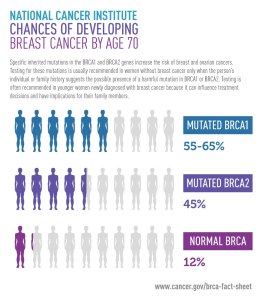
In some women, these genetic changes are inherited. Breast cancer caused by inherited genetic changes is called hereditary breast cancer.
Some genetic changes raise your risk of breast cancer, including changes in the BRCA1 and BRCA2 genes, and also increase your risk of ovarian and other cancers.
Besides genetics, your lifestyle and the environment can affect your risk of breast cancer.
Who is at risk for breast cancer?
- Older age
- History of breast cancer or benign (noncancer) breast disease
- Inherited risk of breast cancer, including having BRCA1 and BRCA2 gene changes
- Dense breast tissue
- A reproductive history that leads to more exposure to the estrogen hormone, including
- Menstruating at an early age
- Being at an older age when you first gave birth or never having given birth
- Starting menopause at a later age
- Taking hormone therapy for symptoms of menopause
- Radiation therapy to the breast or chest
- Obesity
- Drinking alcohol

What are the signs and symptoms of breast cancer?
- A new lump or thickening in or near the breast or in the armpit.
- A change in the size or shape of the breast.
- A dimple or puckering in the skin of the breast. It may look like the skin of an orange.
- A nipple turned inward into the breast.
- Nipple discharge other than breast milk. The discharge might happen suddenly, be bloody, or happen in only one breast.
- Scaly, red, or swollen skin in the nipple area or the breast
- Pain in any area of the breast.
How is breast cancer diagnosed?
Your health care provider may use many tools to diagnose breast cancer and figure out which type you have:
- A clinical breast exam, checking for lumps or anything else that seems unusual with the breasts and armpits.
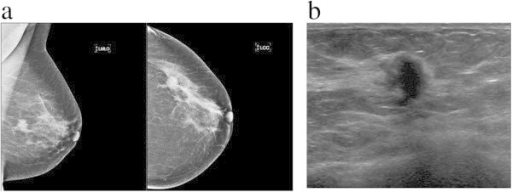
- Imaging tests, such as a mammogram, an ultrasound, or an MRI.
- Breast biopsy.
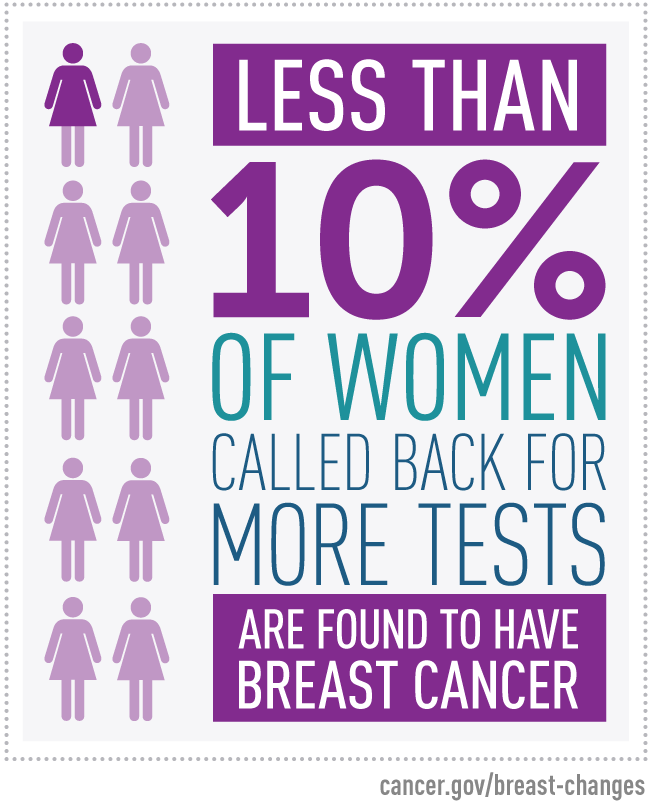
If cancer is diagnosed, you need tests that study the cancer cells so your physician can decide which treatment is best for you.
- Genetic tests for genetic changes such as in the BRCA and TP53 genes.
- HER2 test. HER2 is a protein involved with cell growth, on the outside of all breast cells. If your breast cancer cells have more HER2 than normal, they can grow more quickly and spread to other parts of the body.
- An estrogen and progesterone receptor test measuring the amount of estrogen and progesterone (hormones) receptors in cancer tissue. If there are more receptors than normal, the cancer is called estrogen and/or progesterone receptor positive, may grow more quickly.
Staging involves doing tests to find out whether the cancer has spread within the breast or to other parts of the body. The tests may include other diagnostic imaging tests and a sentinel lymph node biopsy to see if the cancer has spread to the lymph nodes.
What are the treatments for breast cancer?
- A lumpectomy to remove just the cancerous lump
- A mastectomy to remove the entire breast
- Radiation therapy
- Chemotherapy
- Hormone therapy, which blocks cancer cells from getting the hormones they need to grow
- Targeted therapy, which uses drugs or other substances that attack specific cancer cells with less harm to normal cells
- Immunotherapy
Breast cancer death rates declined 42% from 1989
American Cancer Society
to 2021 among women. The progress is attributed
to improvements in early detection and treatments.
Can breast cancer be prevented?
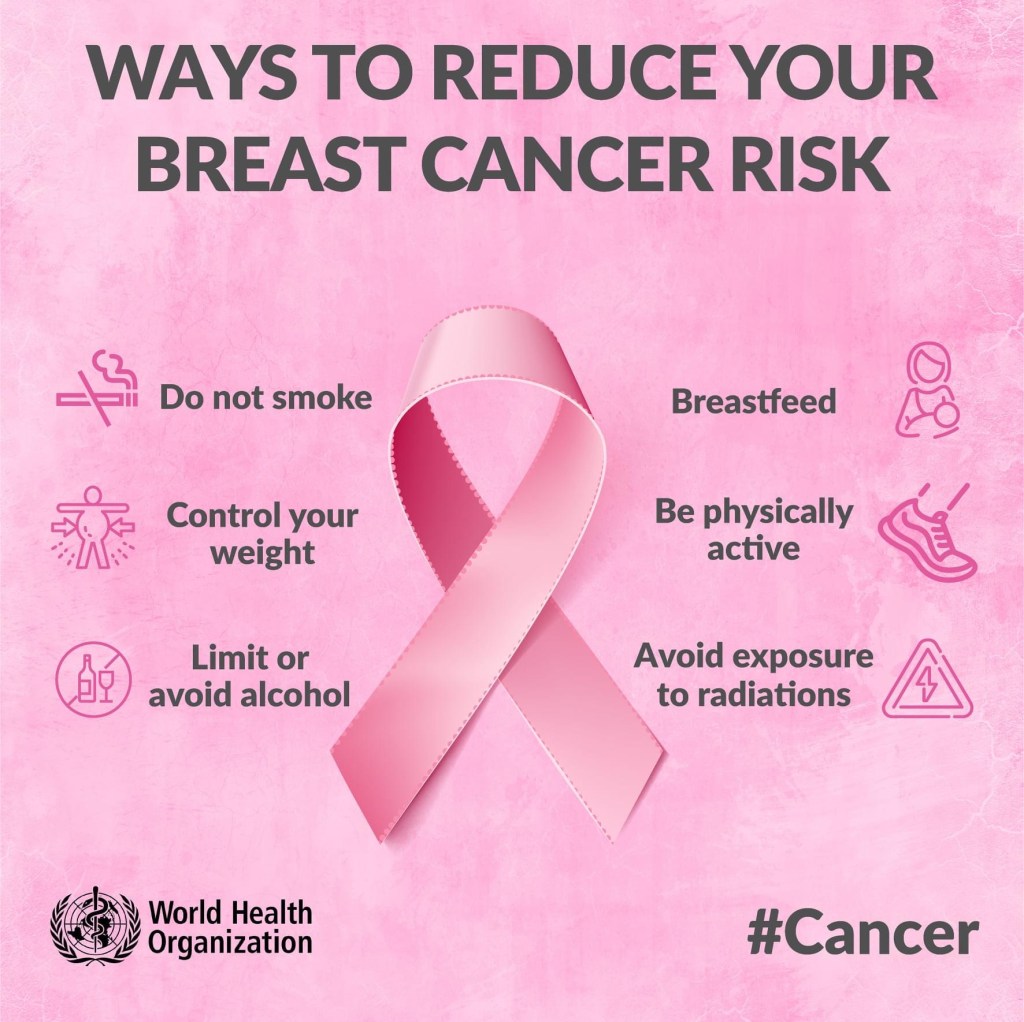
You may be able to help prevent breast cancer by making healthy lifestyle changes that help lower your risk of breast cancer.
- Staying at a healthy weight
- Limiting alcohol use
- Getting enough exercise
- Limiting your exposure to estrogen
- Breastfeeding
- Preventive medications for women at high risk
- Preventive mastectomy, also for high-risk
- Mammograms-not to prevent cancer but may prevent death if cancer is caught in an early, easier to treat stage
Adapted from NIH: National Cancer Institute
CDC’s National Breast and Cervical Cancer Early Detection Program offers free or low-cost mammograms to women who have low incomes and are uninsured or underinsured. Find out if you qualify.

Get involved with Breast Cancer Awareness Month and access resources for education and support for those with breast cancer. Visit the
National Breast Cancer Foundation
Bring Your Brave Campaign
CDC launched Bring Your Brave in 2015 to provide information about breast cancer to women younger than age 45. The campaign tells real stories about young women whose lives have been affected by breast cancer. These stories about prevention, risk, family history, and survivorship bring to life the idea that young women can be personally affected by breast cancer.
Through these testimonials, Bring Your Brave aims to inspire young women to learn their risk for breast cancer, talk with their health care provider about their risk, and live a healthy lifestyle.
For more information
- General Information about Breast Cancer
(National Cancer Institute) - Also in Spanish
- What Is Breast Cancer? (American Cancer Society)
- Also in Spanish
Exploring the HEART of Health
I hope you have learned something about breast cancer that motivates you to guard your health. If you are a breast cancer survivor I invite you to share your story in the comments, your experiences can help someone else.
I’d love for you to follow this blog. I share information and inspiration to help you transform challenges into opportunities for learning and growth.
Add your name to the subscribe box to be notified of new posts by email. Click the link to read the post and browse other content. It’s that simple. No spam.
I enjoy seeing who is new to Watercress Words. When you subscribe, I will visit your blog or website. Thanks and see you next time.
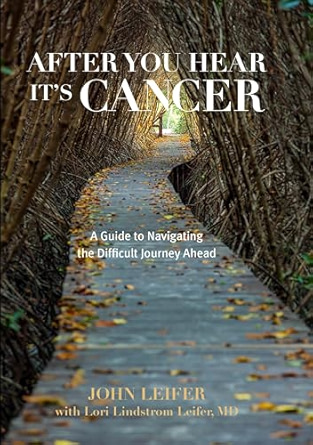
I reviewed a book written by a cancer doctor and breast cancer survivor, Dr. Lori Leifer. Read it at this link.
After You Hear It’s Cancer-a book review
“After You Hear It’s Cancer” by Dr. Lori Leifer and John Leifer offers a comprehensive guide for navigating cancer diagnosis and treatment. Drawing on personal experiences, the authors provide practical advice on various stages of cancer care, including diagnosis, treatment, and post-treatment challenges, along with resources for support and advocacy.
Keep readingDr. Aletha
- About Dr. Aletha
- How to Use this Site
- Make Your Life Easier
- Search by Category
- Share the HEART of health
- my Reader Rewards Club
- RoboForm Password Manager




 watercress words by Dr Aletha