
Calling a doctor or doctor’s office with a medical question is something people take for granted, at least here in the U.S.
It’s a privilege that some treat as a right.
This may be driven by the medical insurance industry. To be on an insurance company’s provider panel, doctors must be available or have a substitute available 24 hours a day, every day of the year.
But when is it medically appropriate to call a doctor’s office? Certainly to schedule a routine appointment. What if you just want to ask a question?

If a problem is serious enough that you need a physician’s opinion, then both you and your doctor deserve a face-to-face encounter.
It isn’t fair to you or your doctor, or good medical practice, to expect the doctor to make a medical decision based solely on the information gathered in a phone call or email.
Now there is a third option-virtual medicine. Telemedicine companies now offer online access to physicians through a video visit, and some insurance companies reimburse for it.
When to call your doctor?
For strictly procedural questions, a phone call or email may suffice; these can be answered by a nurse or a non-clinical staff per physician instruction. These questions might include
- Clarification of medication instructions
- Reporting normal test results
- Scheduling follow-up office visits or diagnostic procedures
- Billing, insurance, and payment issues
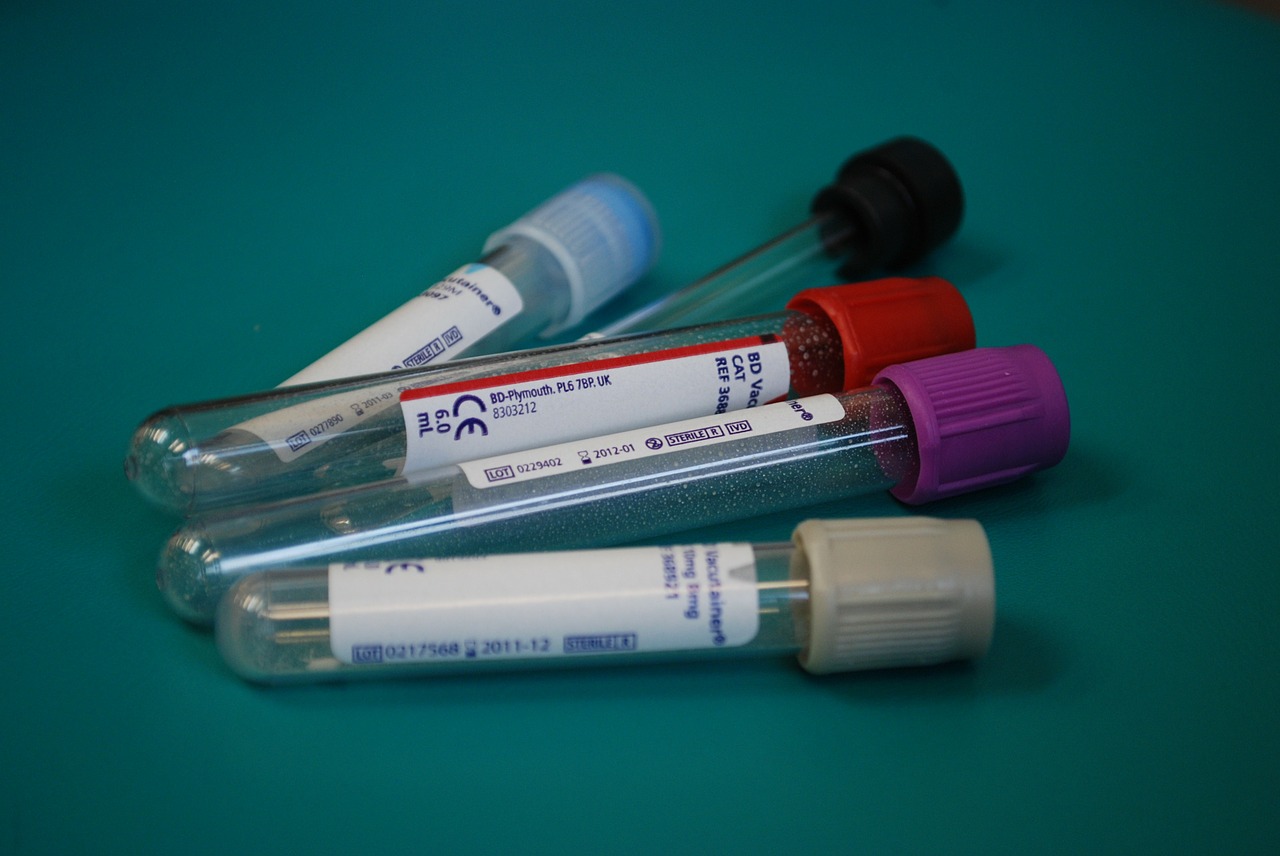
When to see your doctor?
If you call your doctor with a medical question, expect to schedule an appointment.
MD Mama blogger, Dr. Claire McCarthy, a pediatrician and medical communications editor at Boston Children’s Hospital gives this advice about symptoms in children that should prompt a call to the doctor, and usually a visit to the doctor.
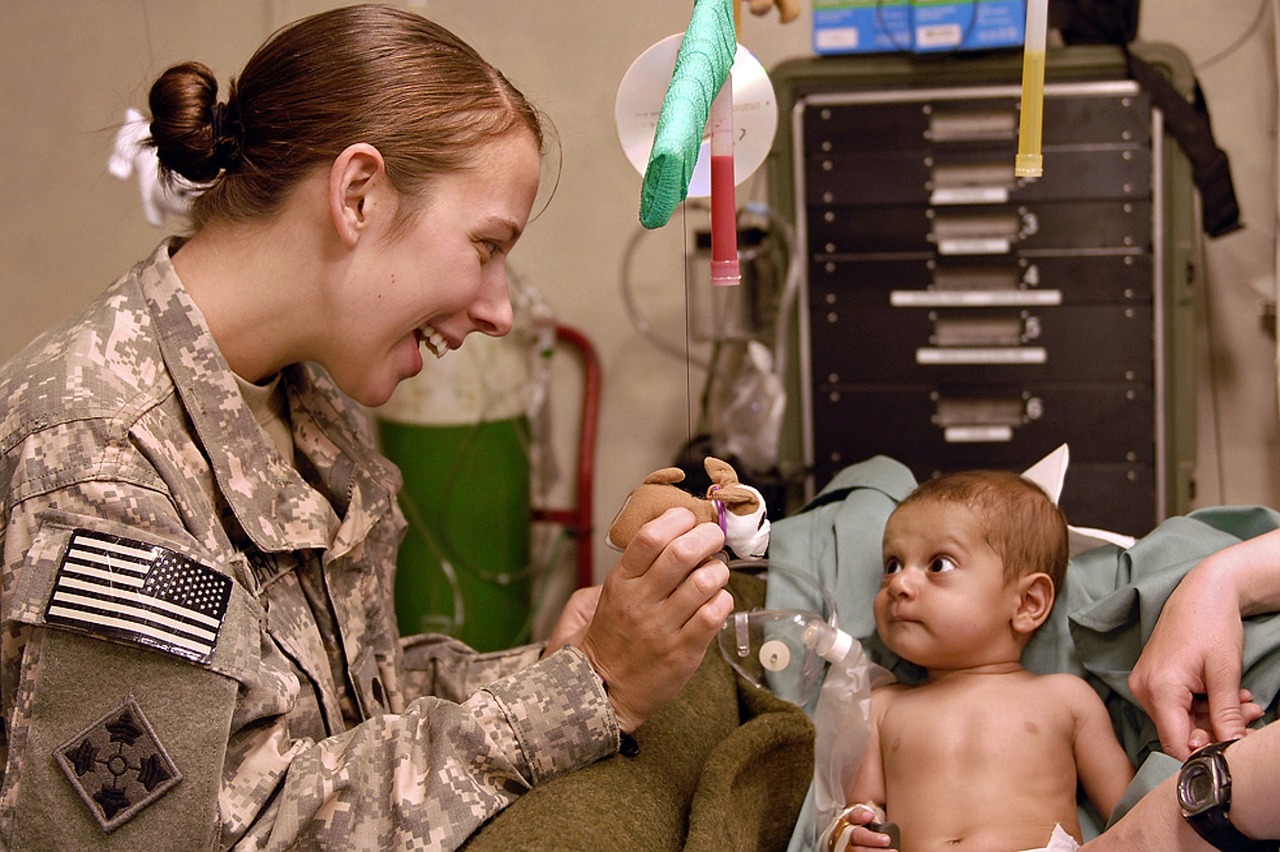
Although the article is directed to parents, the advice applies to adult illness as well. Symptoms for which evaluation should not be delayed if severe, persistent, or worsening include
- Difficulty breathing
- Fainting, passing out
- Hives, swelling, rash (due to an allergic reaction)
- Lethargy or unexplained sleepiness
- Severe pain
- Vomiting and/or diarrhea if persistent or profuse
- Burns
- Bleeding, uncontrolled
- Fever
And what is a true emergency? I cover that at this link.

Reliable keys to recognize a medical emergency
How to know when an ER visit is needed for a medical problem
Keep readingexploring the HEART of children’s health
I’d love for you to follow this blog. I share information and inspiration to help you transform challenges into opportunities for learning and growth.
Add your name to the subscribe box to be notified of new posts by email. Click the link to read the post and browse other content. It’s that simple. No spam.
I enjoy seeing who is new to Watercress Words. When you subscribe, I will visit your blog or website. Thanks and see you next time.
 watercress words by Dr Aletha