In Oklahoma, a time to mourn and a time to dance-after the bombing

At 9:02 am April 19, 1995 the bomb exploded, destroying one side of the federal building, damaging several adjacent buildings, injuring 680 people and killing 168 people, including 19 children.

Until September 11, 2001, it was the deadliest terrorist attack on United States soil; it remains the worst domestic terrorist attack.

An annual event, the Oklahoma Challenge Ballroom Dance competition draws dancers from Oklahoma, surrounding states, and as far away as Toronto, Ontario. Many return every year to compete against dancers who have now become dance friends.

The competition occurs at a hotel in downtown Oklahoma City. Nearby is the Bricktown historic district with trendy restaurants, hotels, clubs, shops, and the Paycom Center, home of the Oklahoma City Thunder basketball team.

Also not far away is the site of the biggest “challenge” the city and our state has ever faced- the 1995 domestic terrorist attack on the Murrah Federal Building. On a spring morning in April, a terrorist parked a rental truck on the street in front of the building; the truck contained a 5000-pound bomb made of ammonium nitrate and fuel oil.

A morning of terror

At 9:02 am on April 19, 1995, the bomb exploded, destroying one side of the federal building, damaging several adjacent buildings, injuring 680 people, and killing 168 people, including 19 children.

Until September 11, 2001, it was the deadliest terrorist attack on United States soil; it remains the worst domestic terrorist attack.

There is a time to mourn and a time to dance.

Ecclesiastes 3:4

A day of remembrance

On April 19, 2000, the Oklahoma City National Memorial was dedicated; the Museum opened a year later.  I have visited several times, and always come away having seen and learned something new. If you ever travel through Oklahoma, I recommend you put this on your must-see list. When you come,  here are some of the images you will see and experience. 
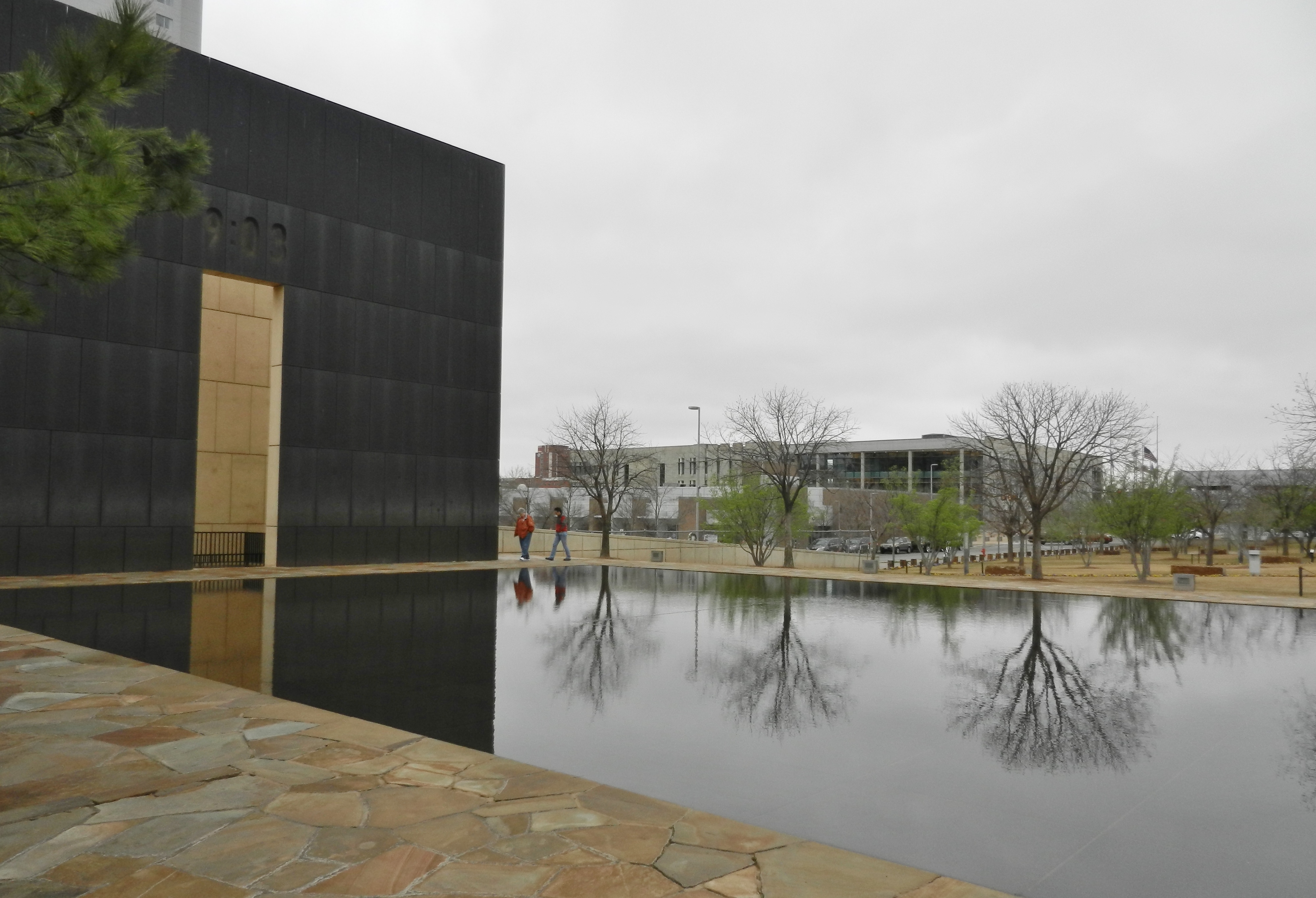
OKC memorial and federal building in the distance
the West Gate of the memorial looking northwest toward the new federal building
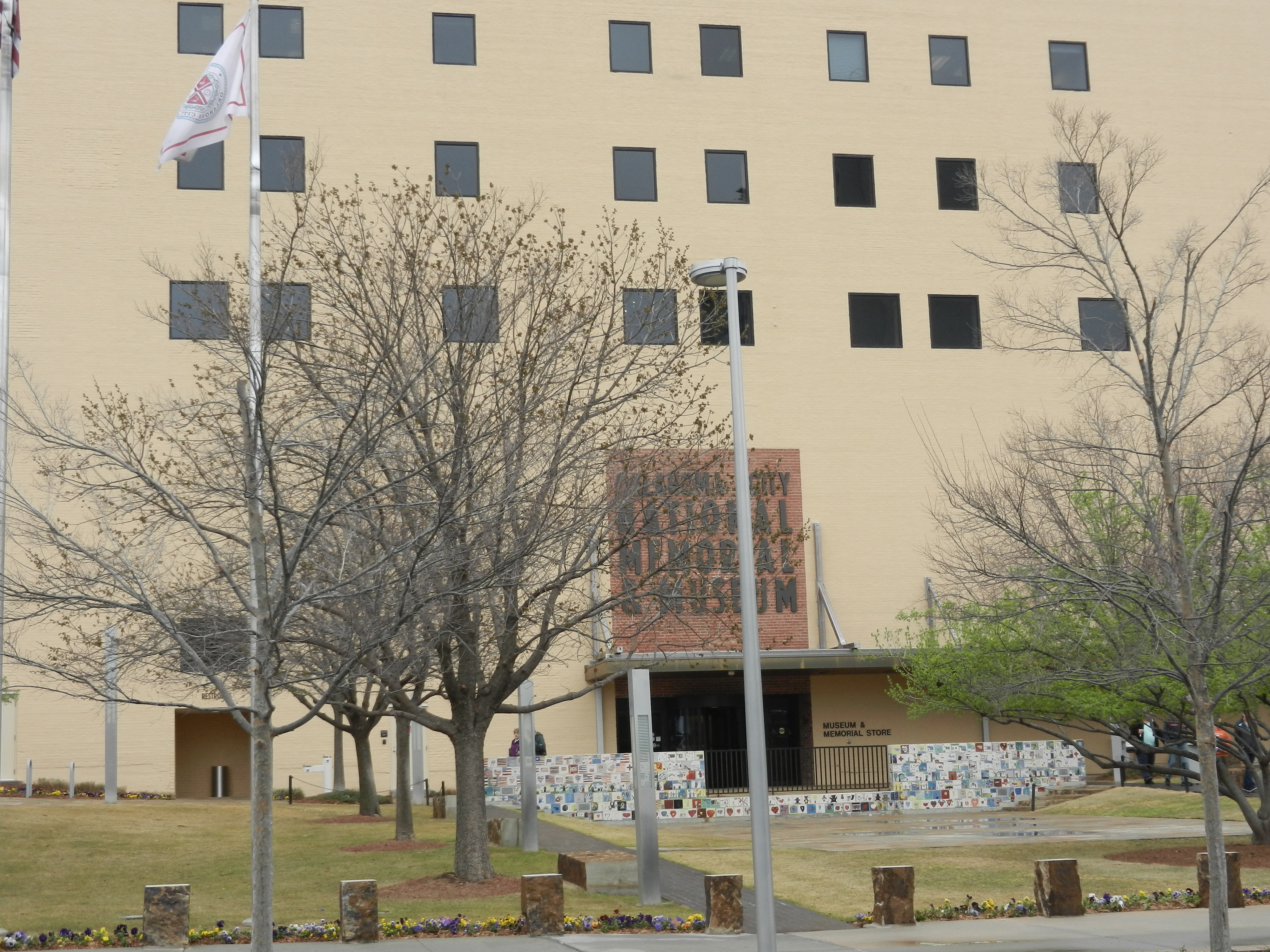
Oklahoma City National Memorial and Museum entrance
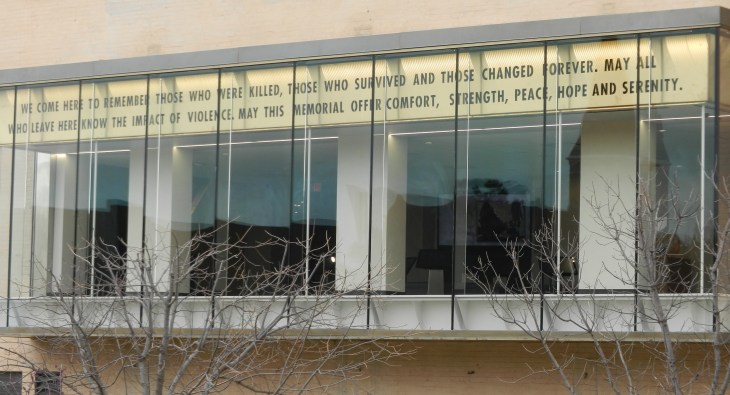
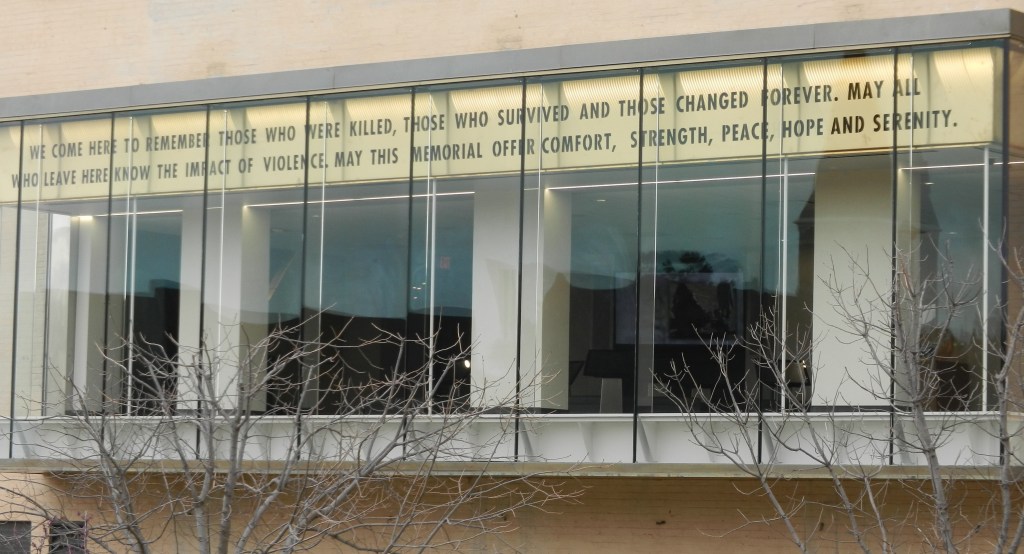
window at the museum
window from the museum overlooking outdoor memorial
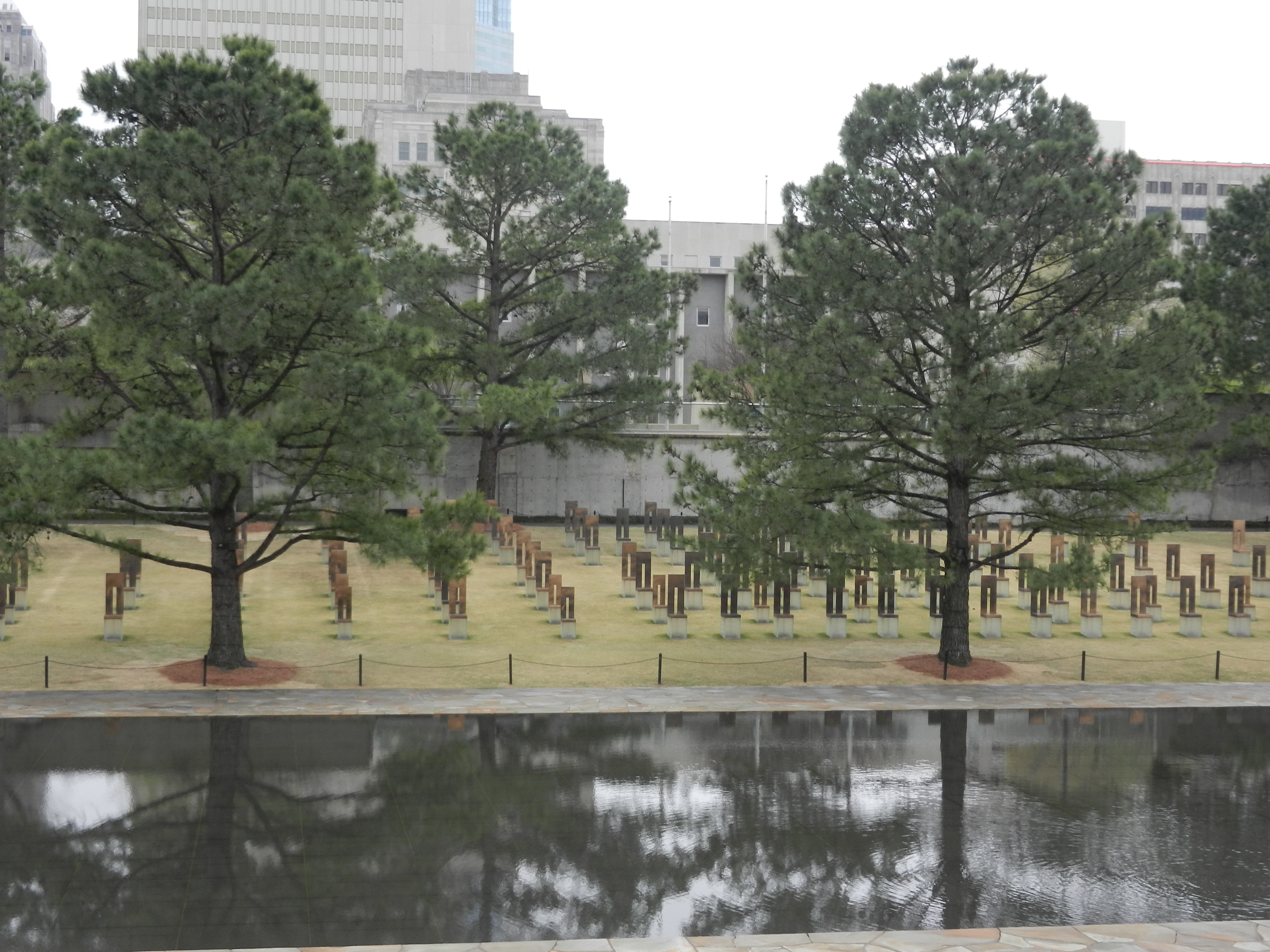
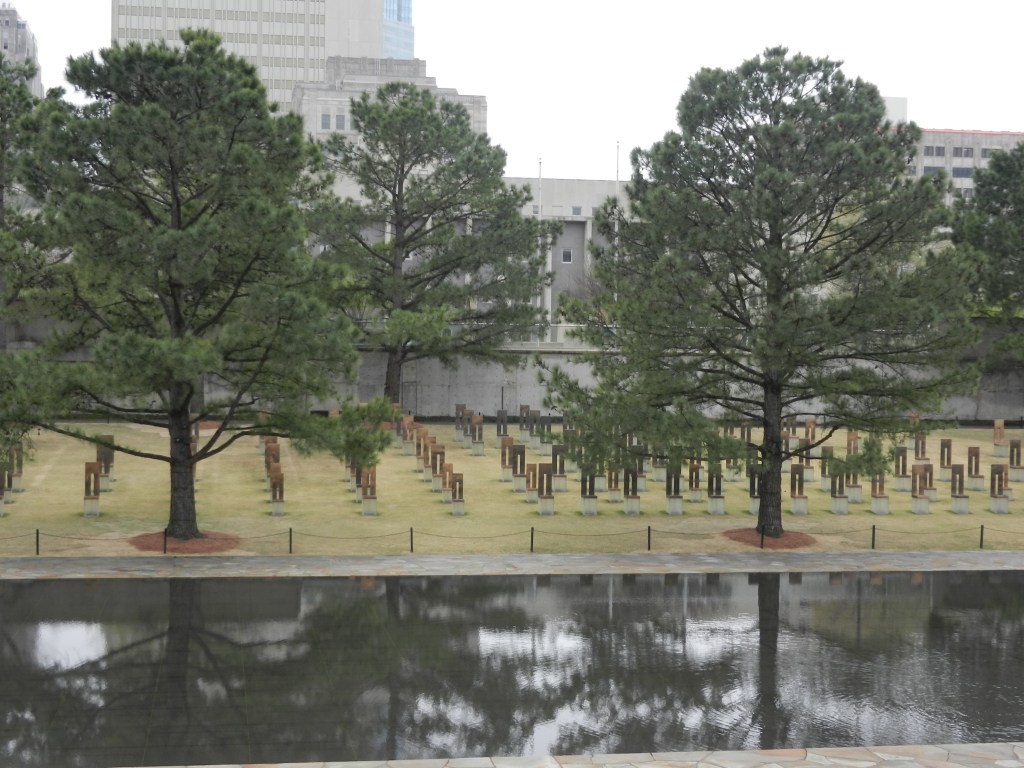
Memorial pool and chairs
168 lighted chairs sit on the south lawn of the Memorial.
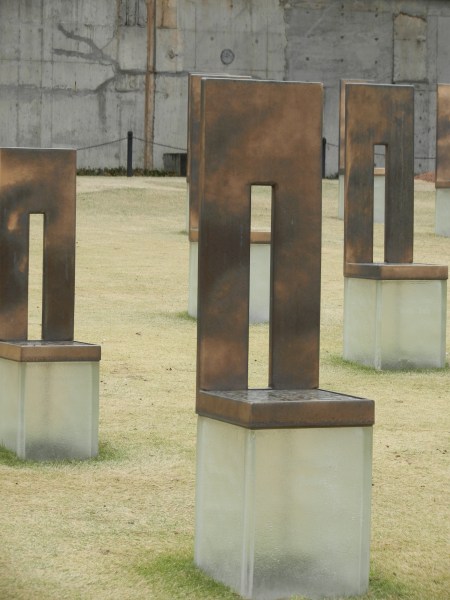
gold statue shaped like a chair
There is a gold chair for each person who died from the bombing that day.

168 Oklahomans lost their lives there that day, including 19 children.

A lifetime of honor

In the days, weeks, and months following the attack, we learned all the details about the bombing- the perpetrators, the victims, the rescuers, the survivors.

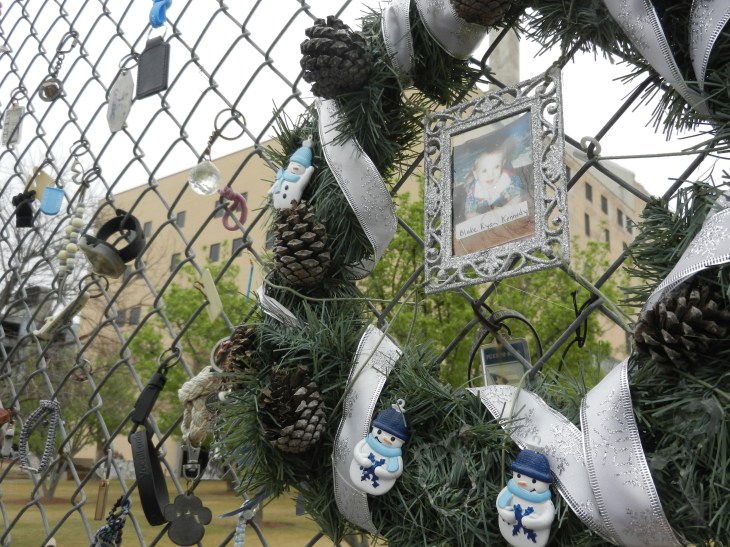
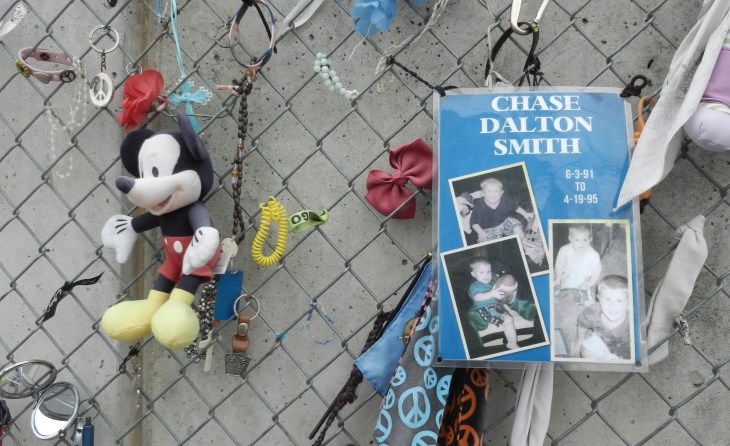
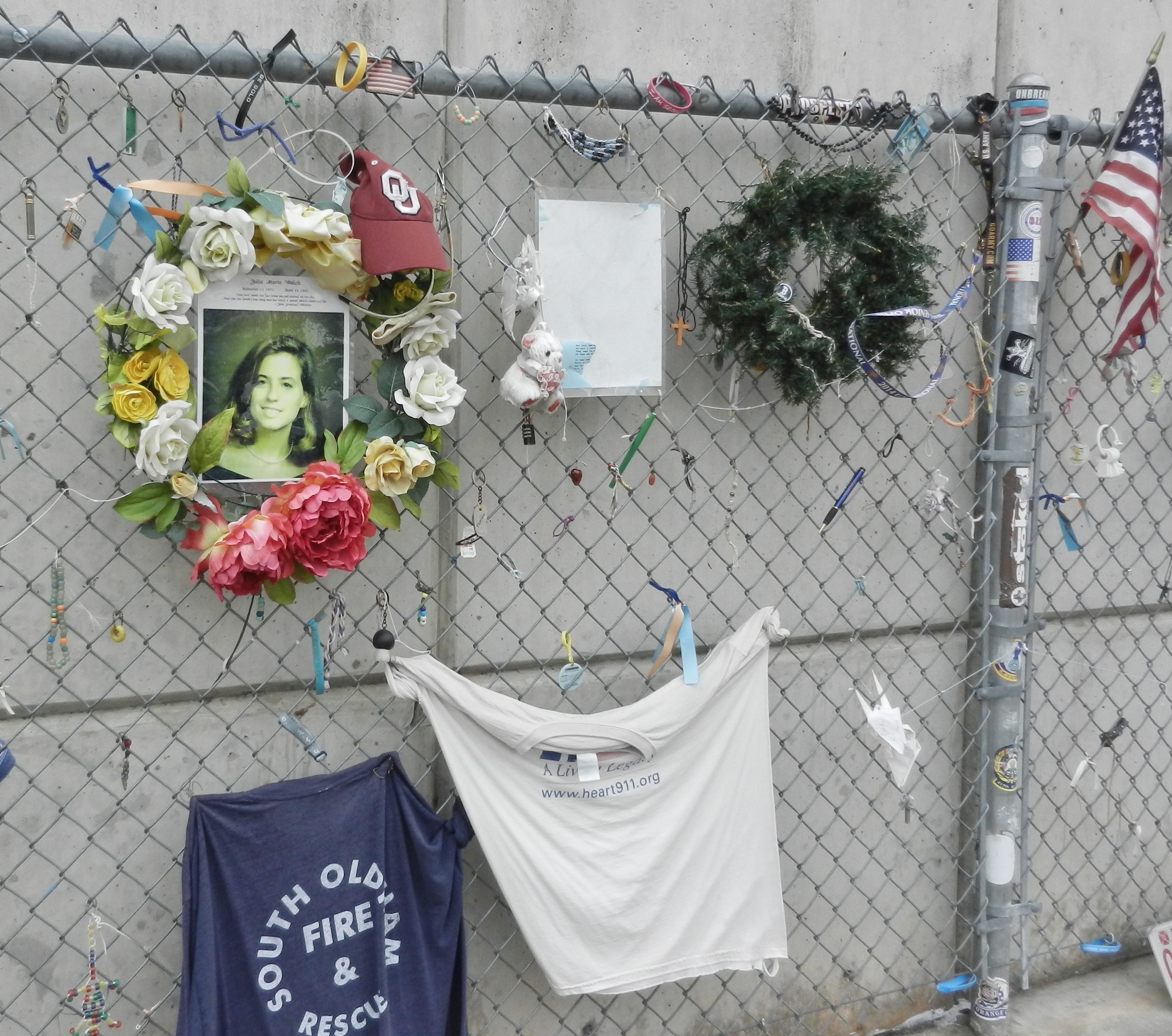
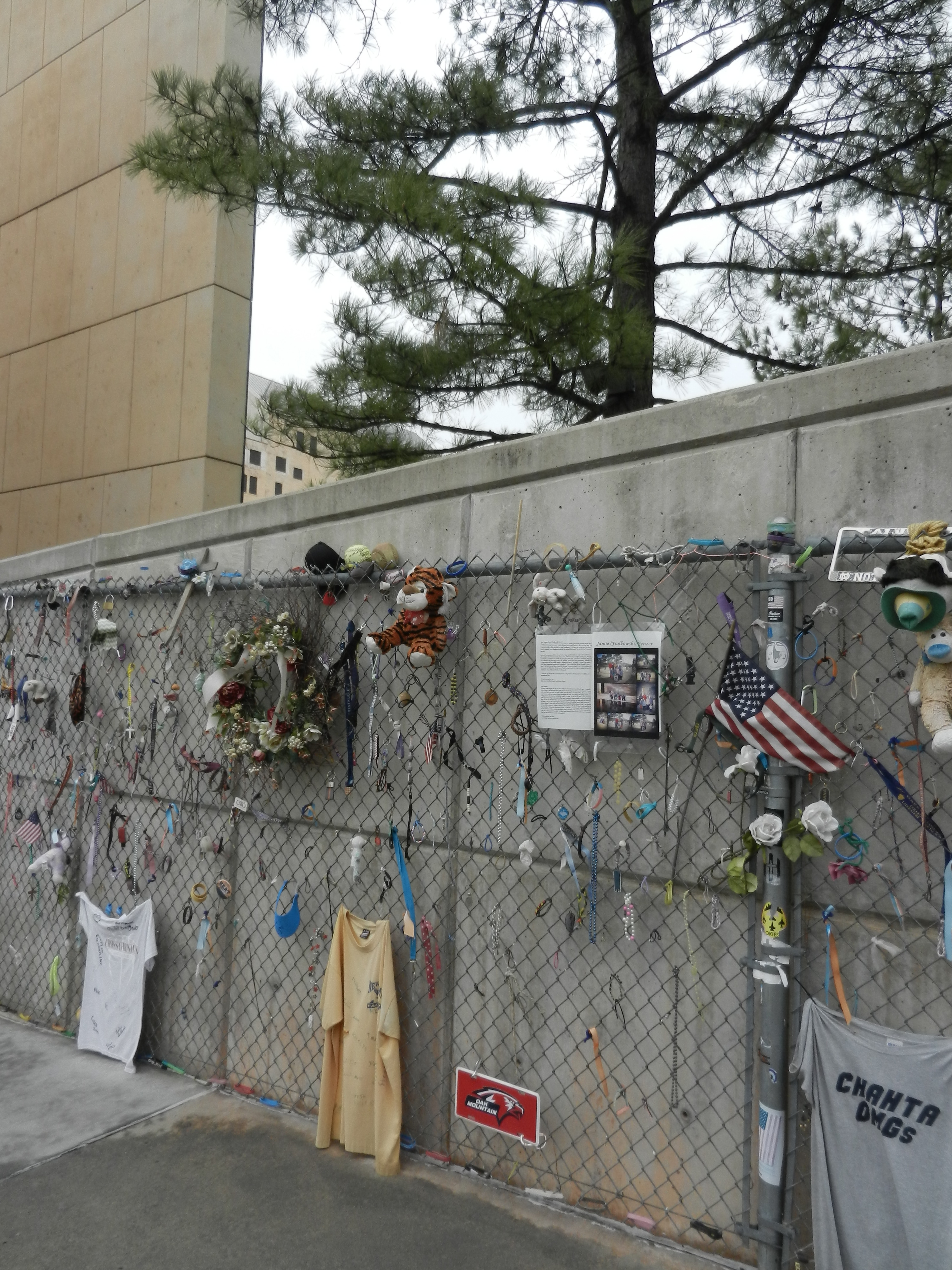
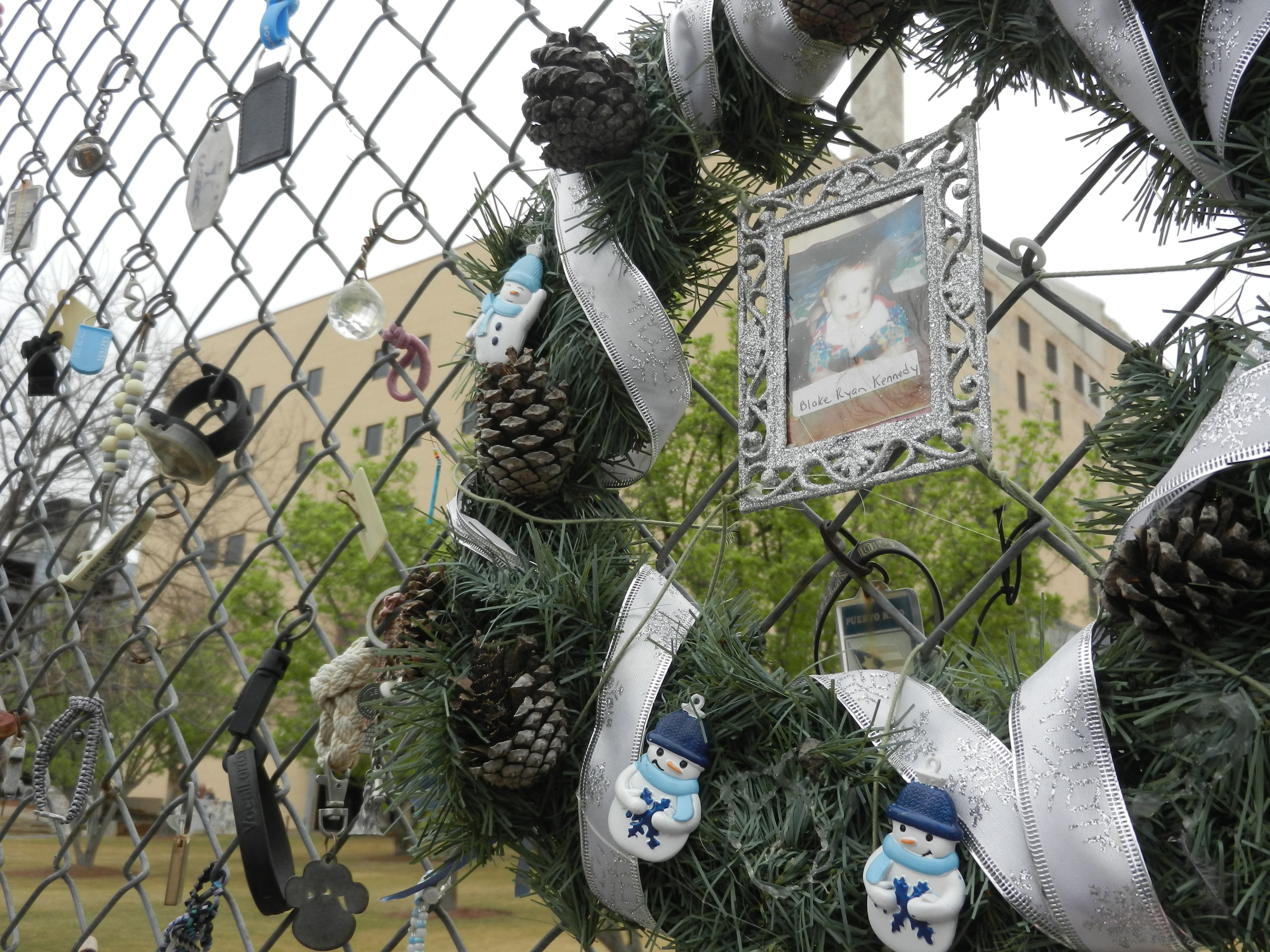
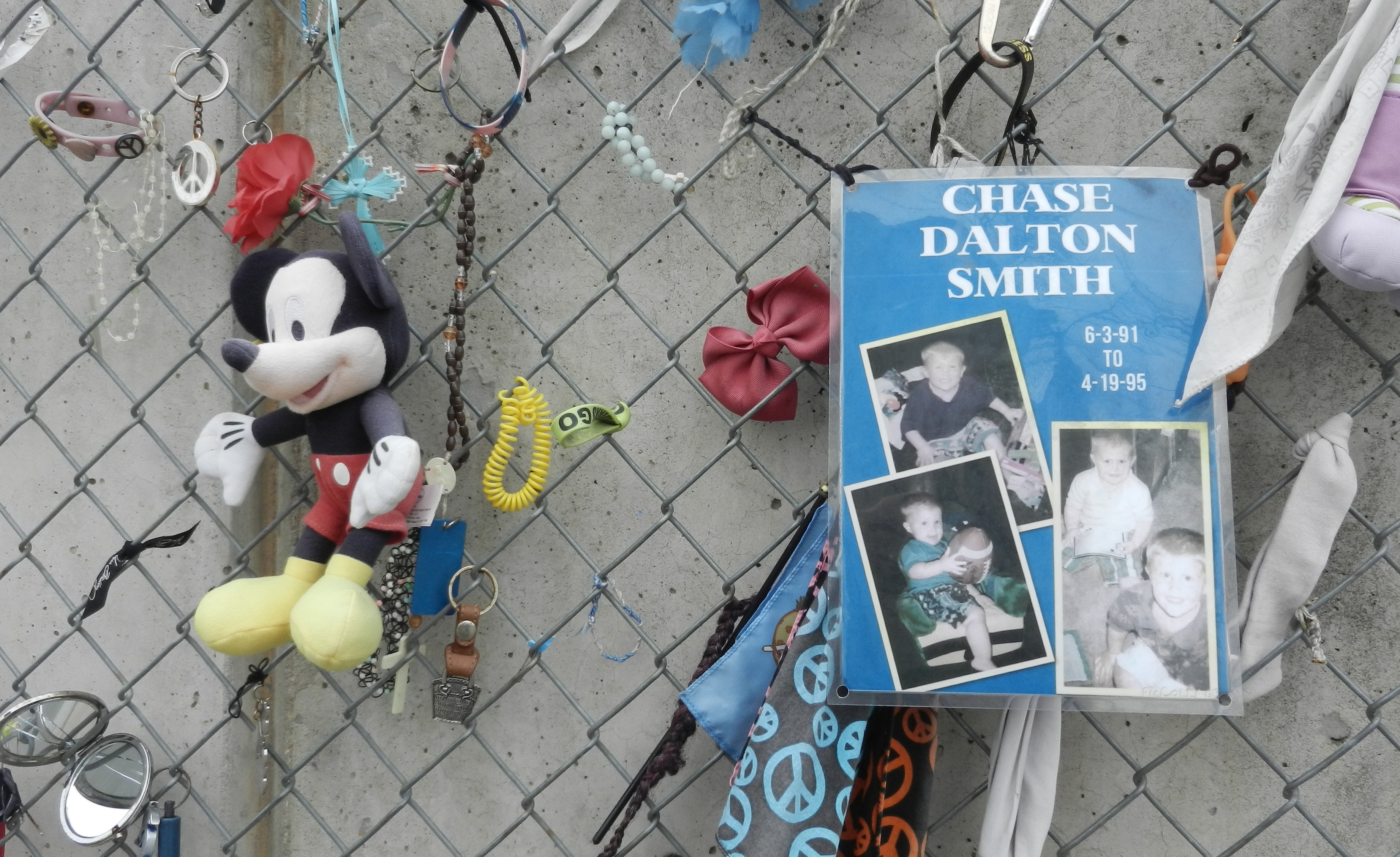
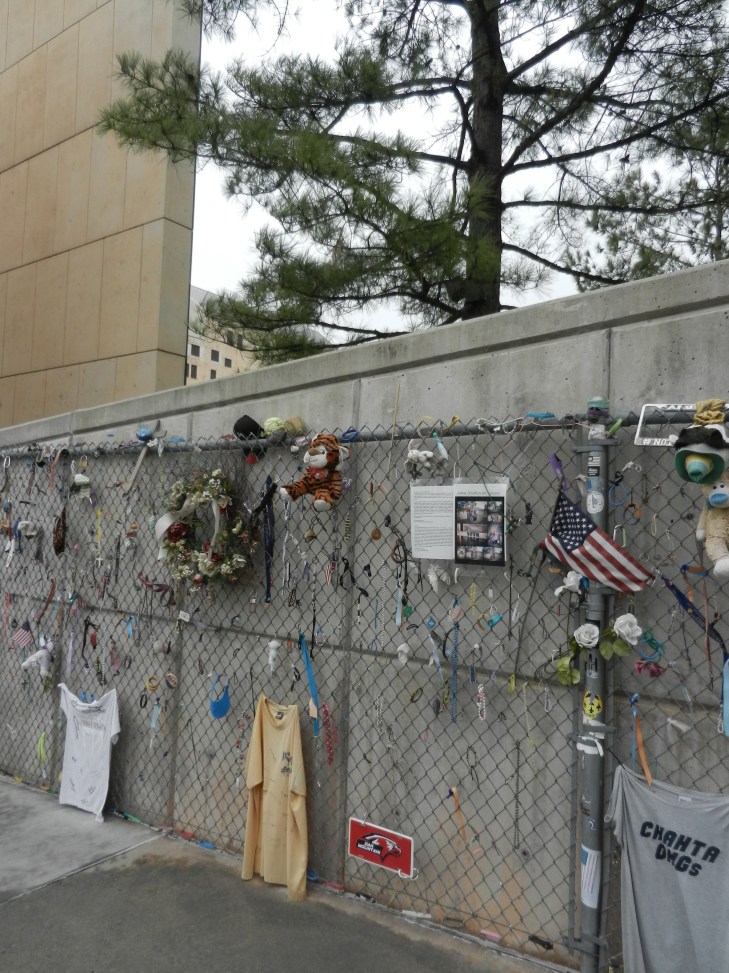
My husband and I visited the site after the wreckage was imploded and the site was fenced off. The fence became a makeshift memorial, as people left mementos of all kinds- dolls, stuffed animals, photos, pictures, flowers, crafts, flags, shirts, and letters.  

We visited the official memorial and the museum established on April 19, 2000. Sections of the fence were left intact, and people still leave mementos; others became part of the museum collection.
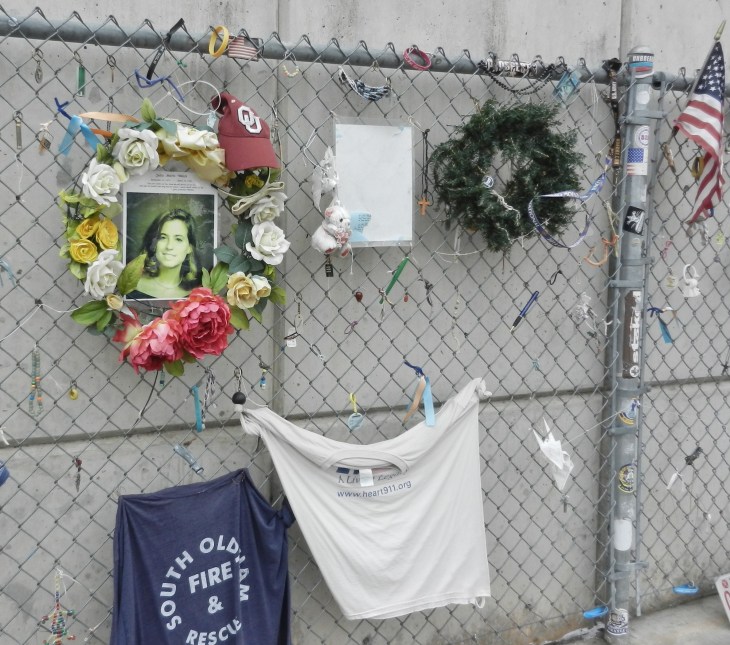
2016-03-07 12.05.50
2016-03-07 12.08.17
2016-03-07 12.12.19
2016-03-07 12.11.04

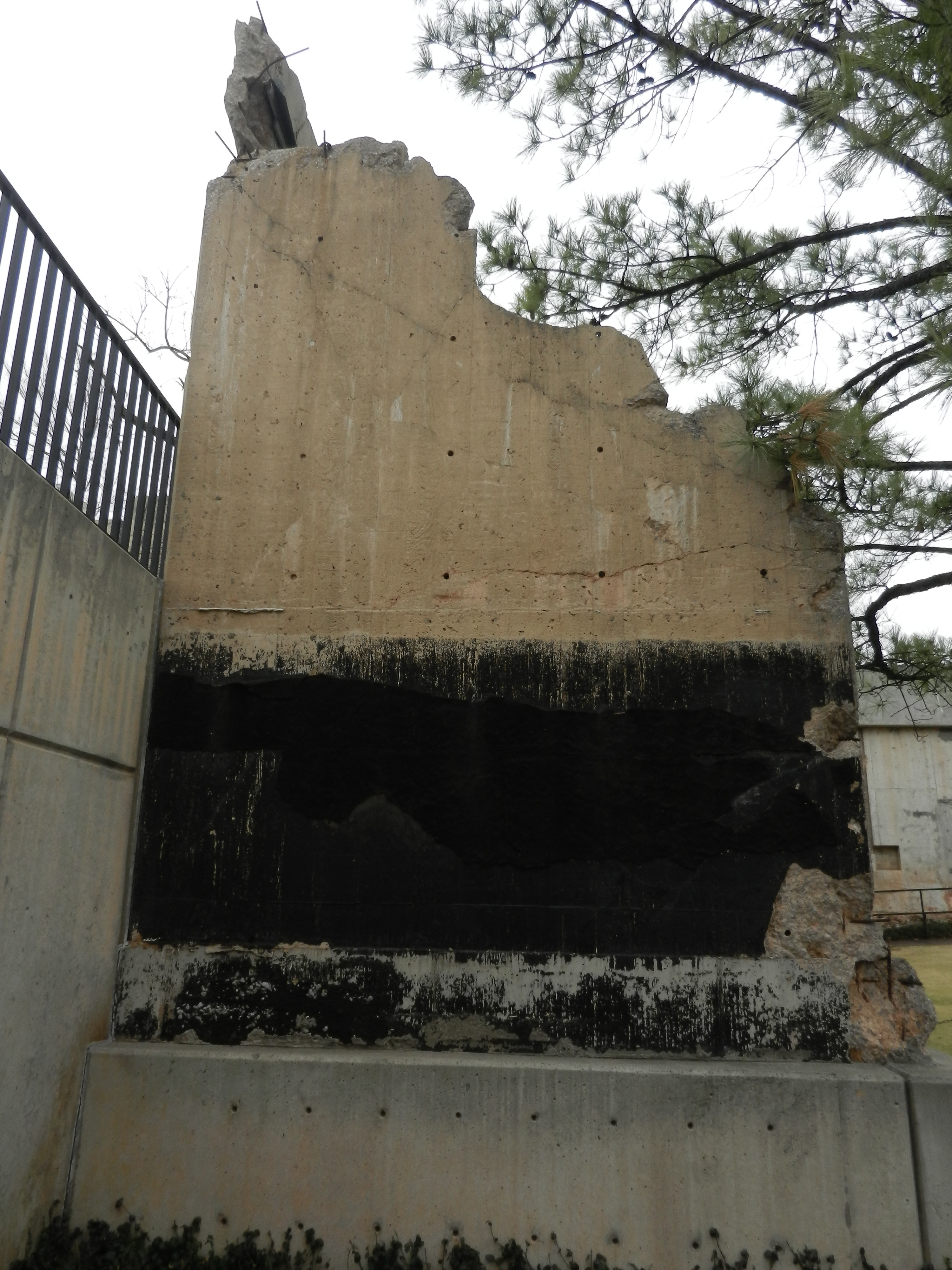
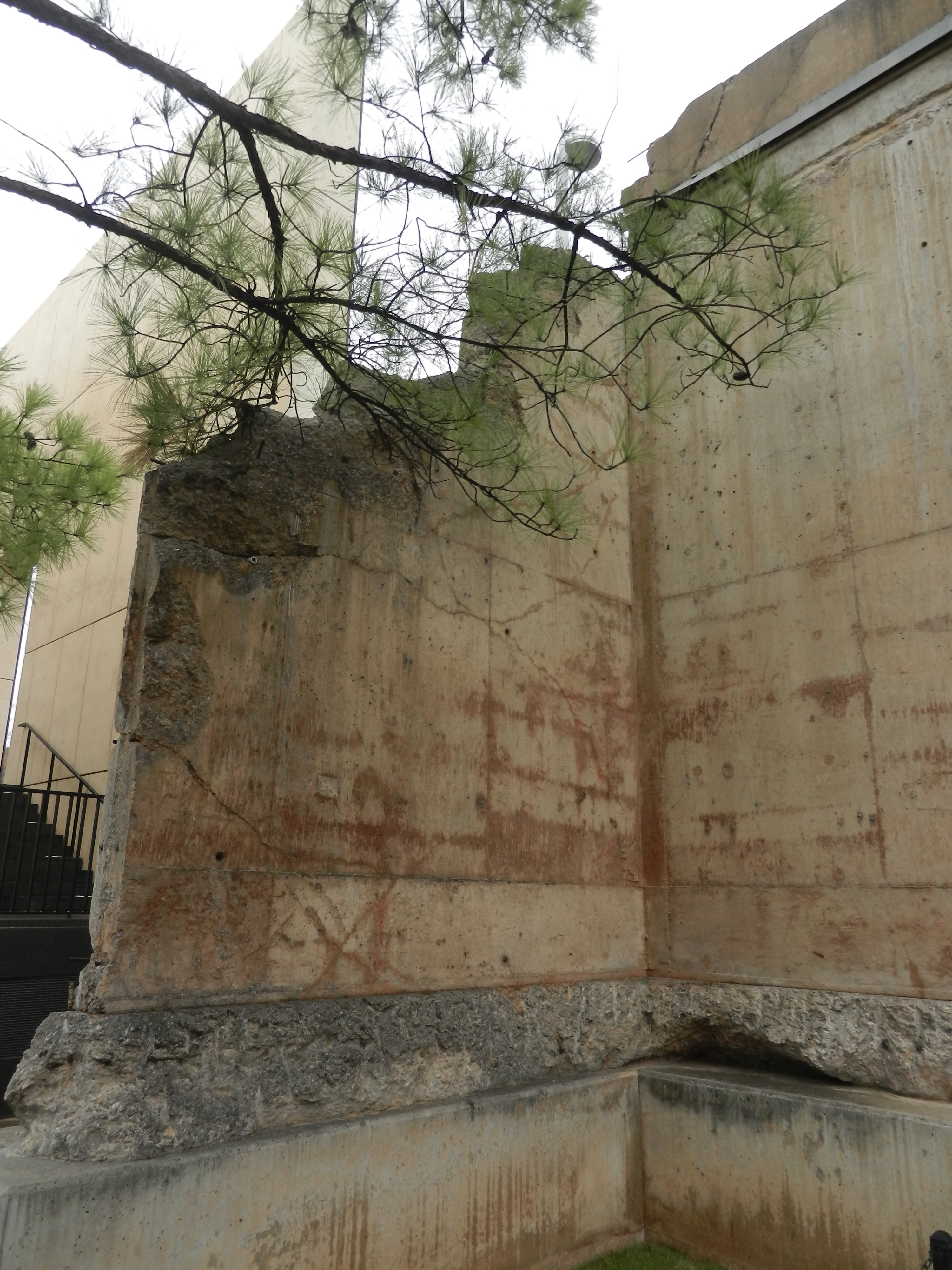
A long section of the original fence has been left intact, as well as parts of the original federal building wall.
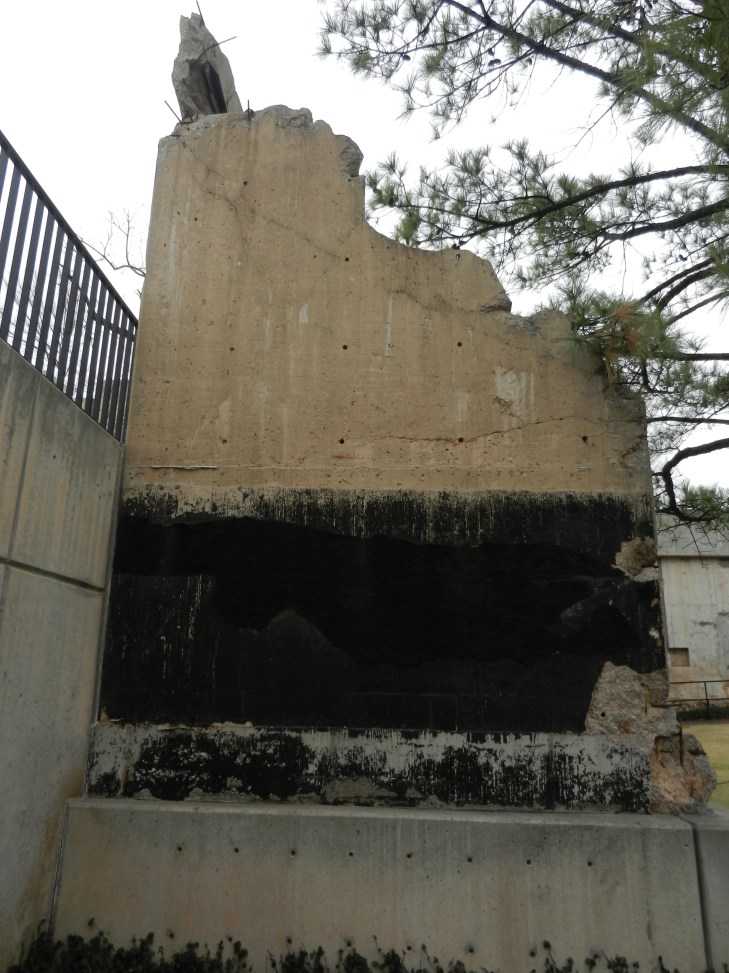
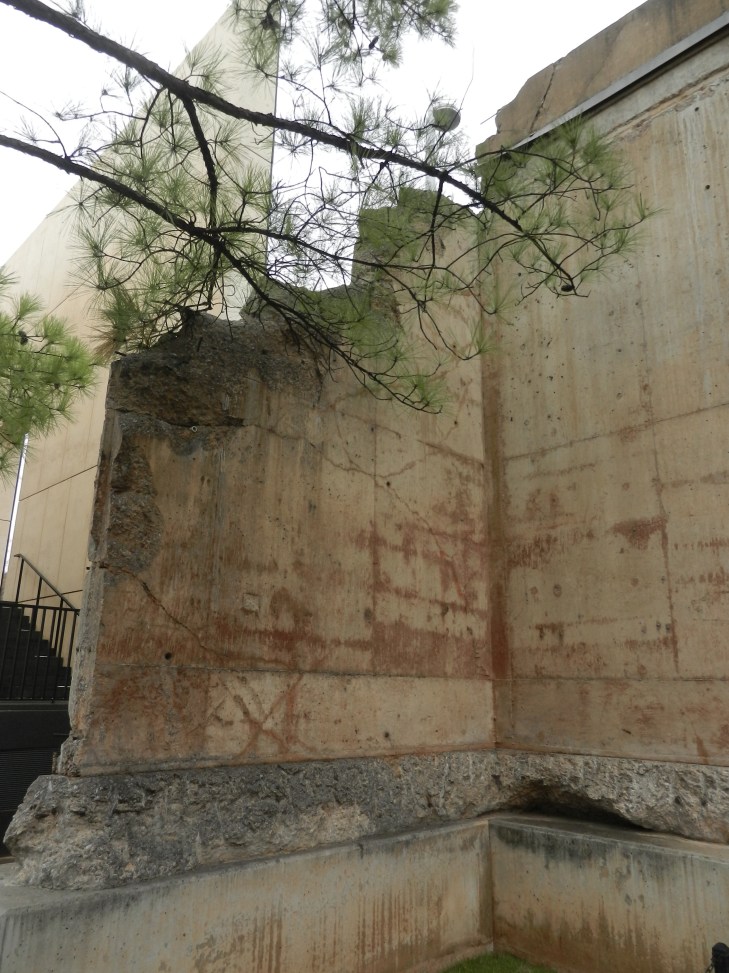
sections of damaged wall

Until 9/11, it was the deadliest act of terrorism on United States soil.
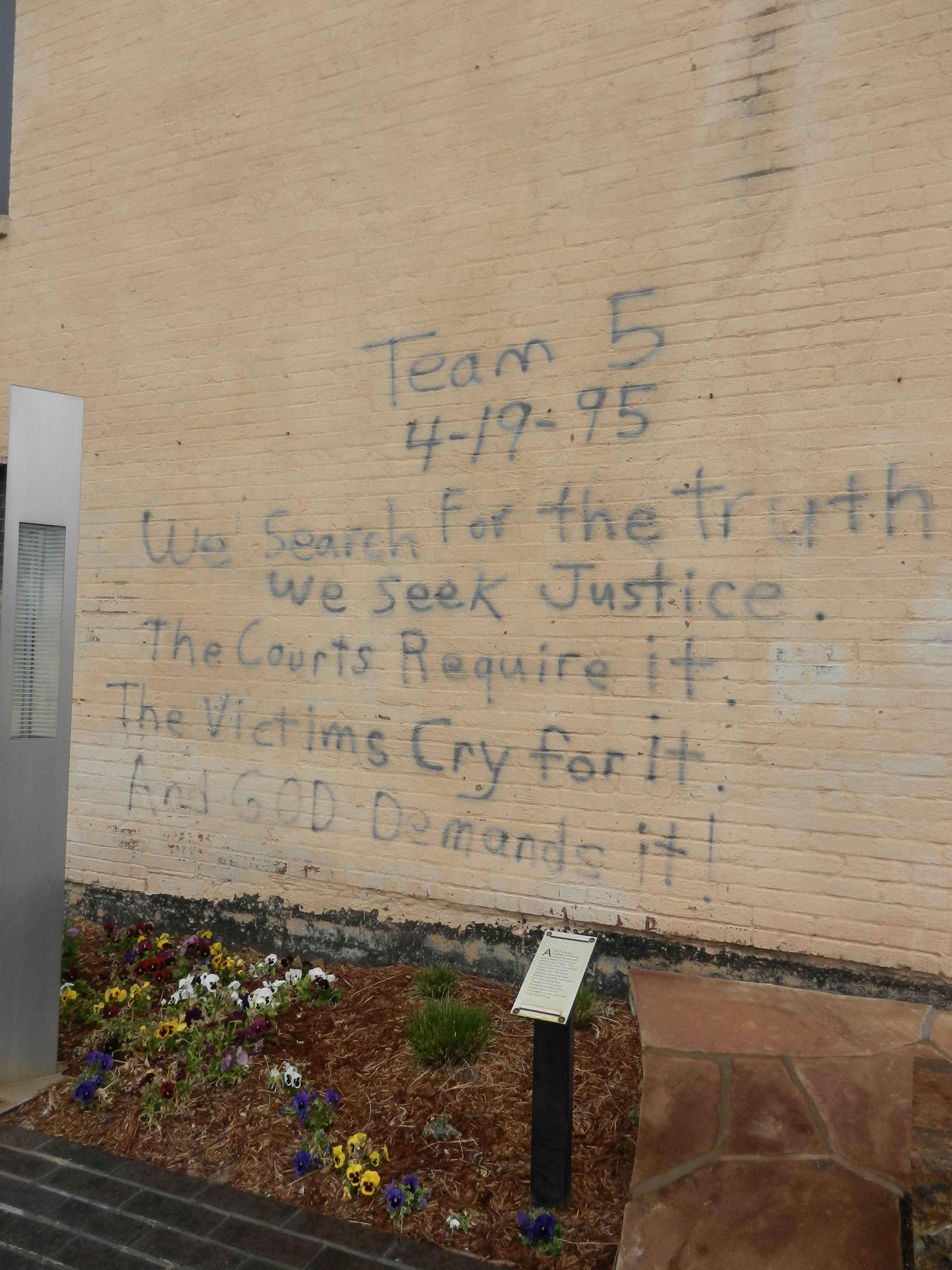
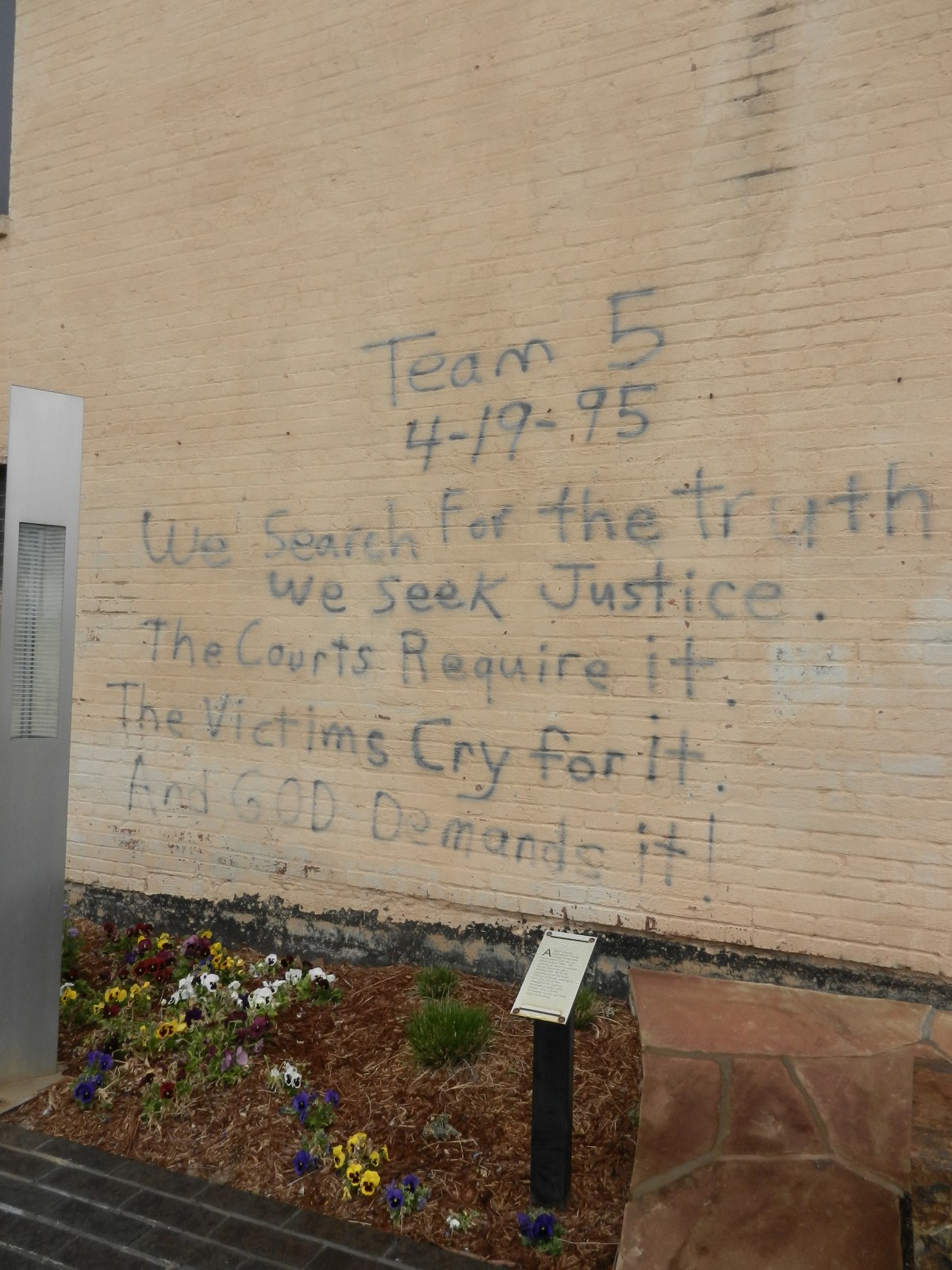
"We search for the Truth" written on a wall.
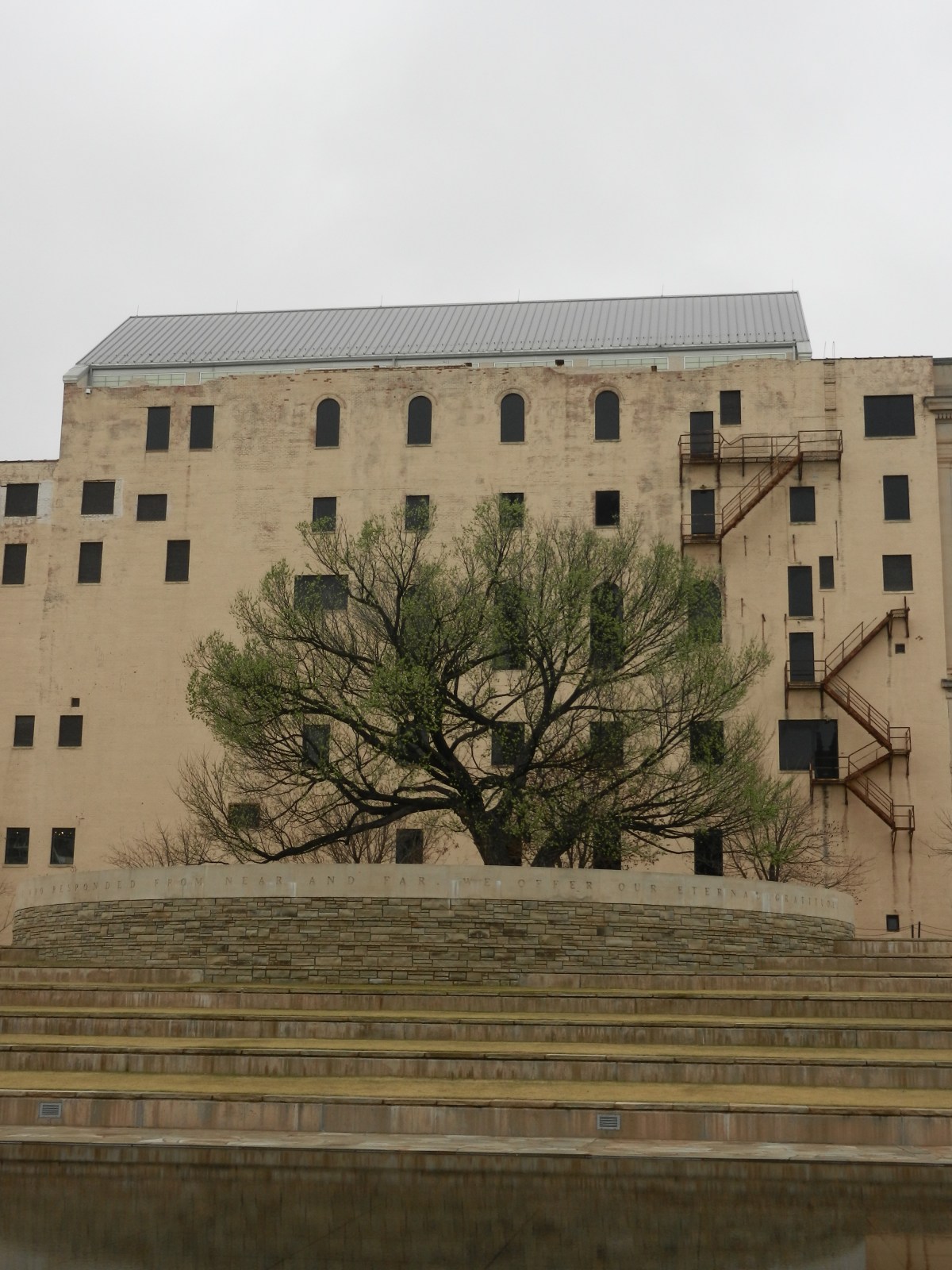
On the wall of the Journal Record Building which was also damaged by the blast; the museum now occupies part of it.

The perpetrators were caught and brought to justice. The driver of the truck was convicted, sentenced to death, and died by execution. The other remains in prison for life.

That day in Oklahoma City showed the best in our state and our country as people, some with no training, risked their lives to help rescue people who were injured and trapped inside. Firefighters and police came from all over the United States to help. People donated food and first aid supplies.
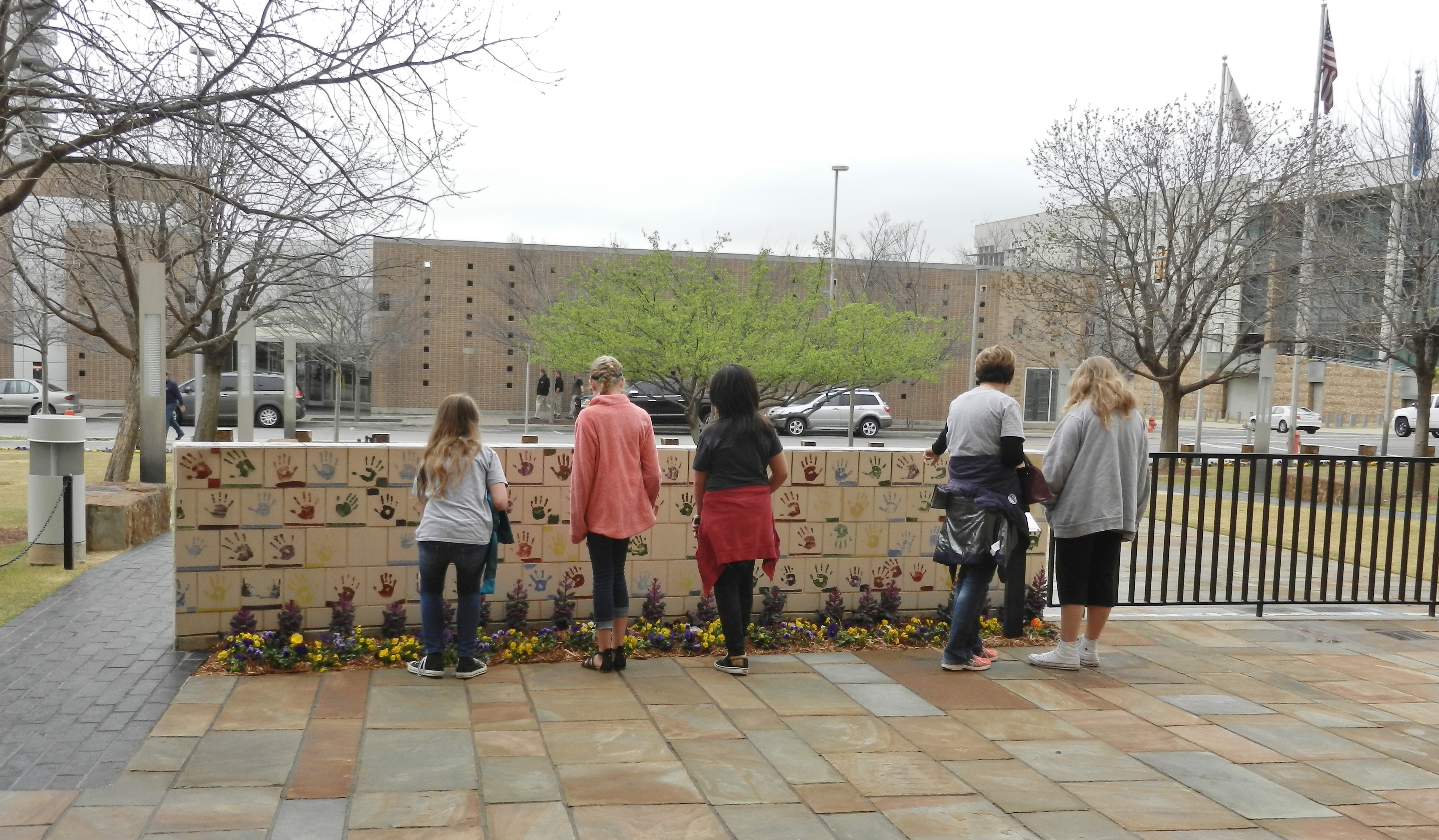
children and adults visiting a wall decorated with handprints
Schools regularly bring students to visit the memorial and museum
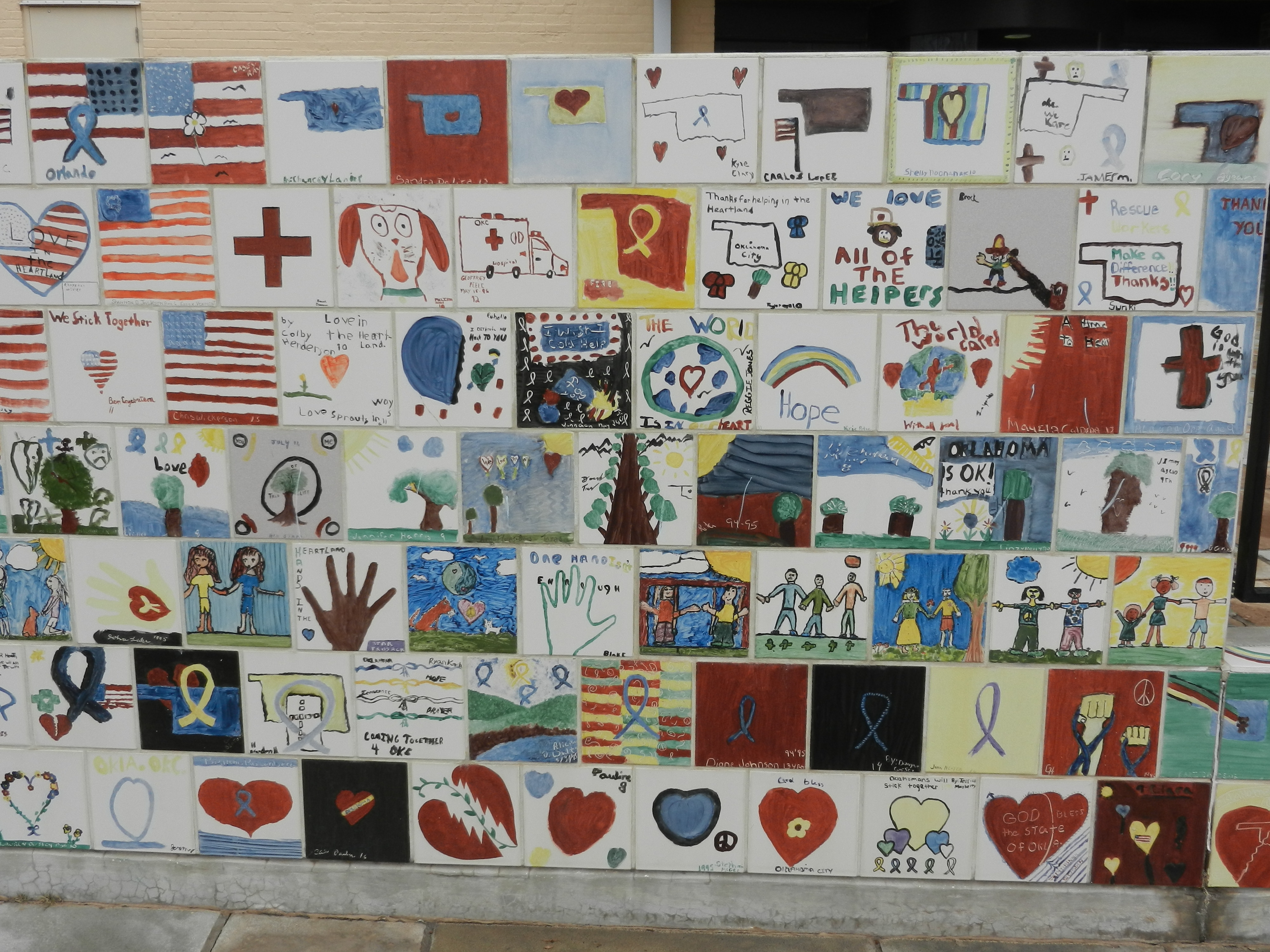
colorful hand painted tiles from children
Tiles hand painted by children were sent to the city as a show of support and sympathy.
bright colored flowers along a wall
Pansies are popular in Oklahoma in the fall and spring.

I was proud to be an Oklahoman then and now, and still grieve for the lives we lost that day.

The Survivor Tree
The Survivor Tree, an American elm, survived the blast and is part of the Memorial.


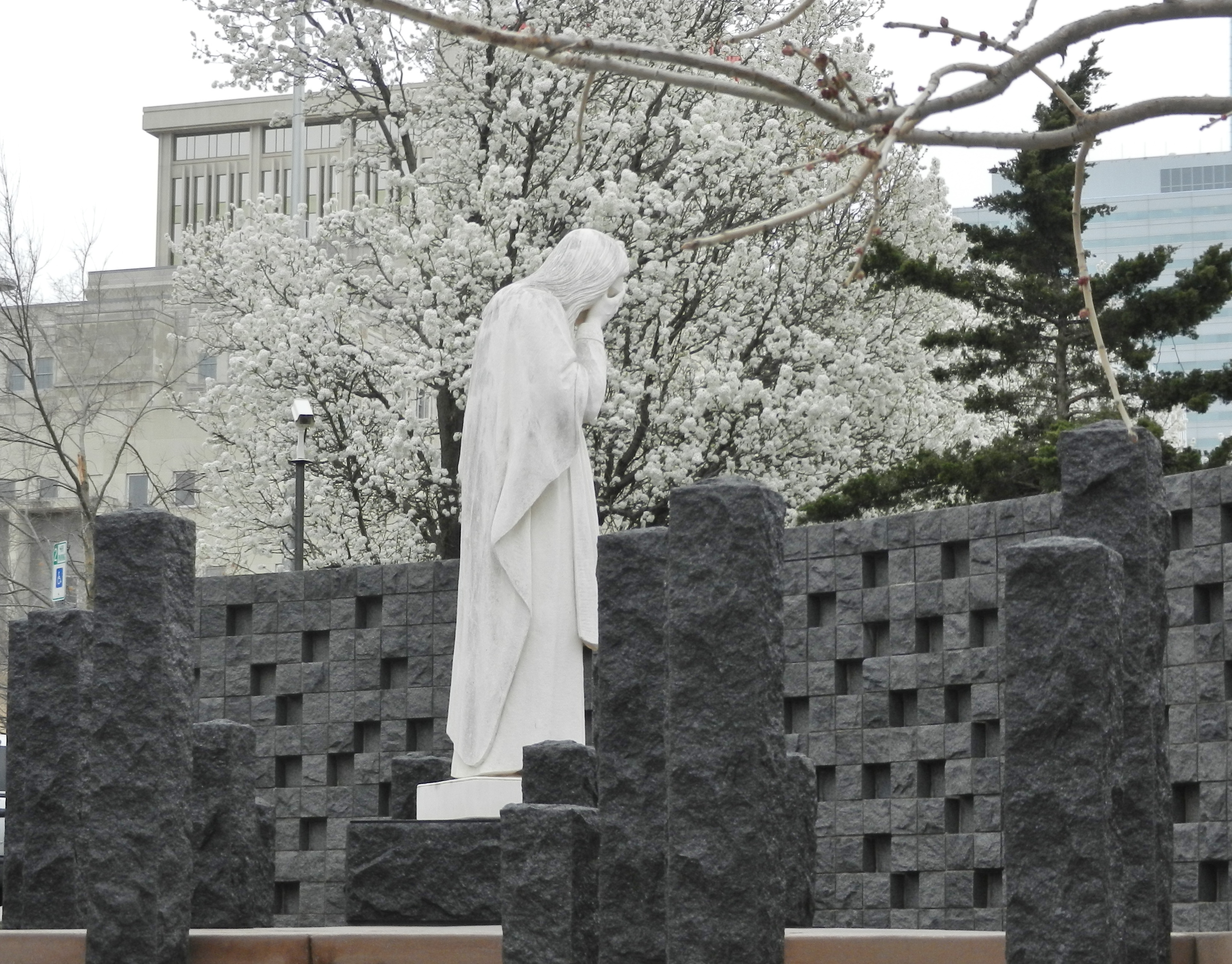
statue of Christ with head bowed
statue of a grieving Christ, in the courtyard of a church across the street from the memorial


“We remember that moment that is framed forever by these twin gates. Our place of remembrance is filled with those symbols (ribbons, angels, flags) and also filled with love-the love of countless Americans whose ideas and support and contributions helped create this beautiful memorial.

On April 19 five years ago the flag of our nation was flying over the Murrah building. It is flying over our memorial today, and flies proudly in our hearts.

For those who perpetrated this act, we have one message:

In America you can speak and vote and complain, but there is no right to maim and bomb and kill…and if you think you’ll bring that flag down, there is your answer.

We are all Oklahomans today, and we are all Americans. May God continue to bless our beloved land. “

Oklahoma Governor Frank Keating, April 19, 2000

quote from The Official Record of the Oklahoma City Bombing, published by Oklahoma Today Magazine 

exploring and remembering the HEART of health

Dr. Aletha

Remembering the Oklahoma City bombing April 19, 1995

April 19  is the anniversary of the 1995 bombing of the Alfred P. Murrah Federal Building, in Oklahoma City, Oklahoma, which remains the deadliest domestic “homegrown” terrorist incident in the United States.

I lived there in the 1970s while in medical school and residency at the University of Oklahoma Medical Center and visit frequently. These are my memories of that day.

I will never forget April 19, 1995

On April 19, 1995 I was seeing patients in my family practice office in Tulsa Oklahoma when my medical assistant told me a bomb had exploded in Oklahoma City, 90 miles away. We didn’t have computers, smartphones, or internet so I turned on a radio and heard news reports that shocked and saddened me.

A massive bomb had exploded at the Federal building in downtown Oklahoma City , something I thought only happened overseas. Who would bomb a building in Oklahoma?  we all asked ourselves. Several employees heard from friends or relatives who lived in or near OKC, as we call it; some said they felt their homes shake several miles away from the blast site.

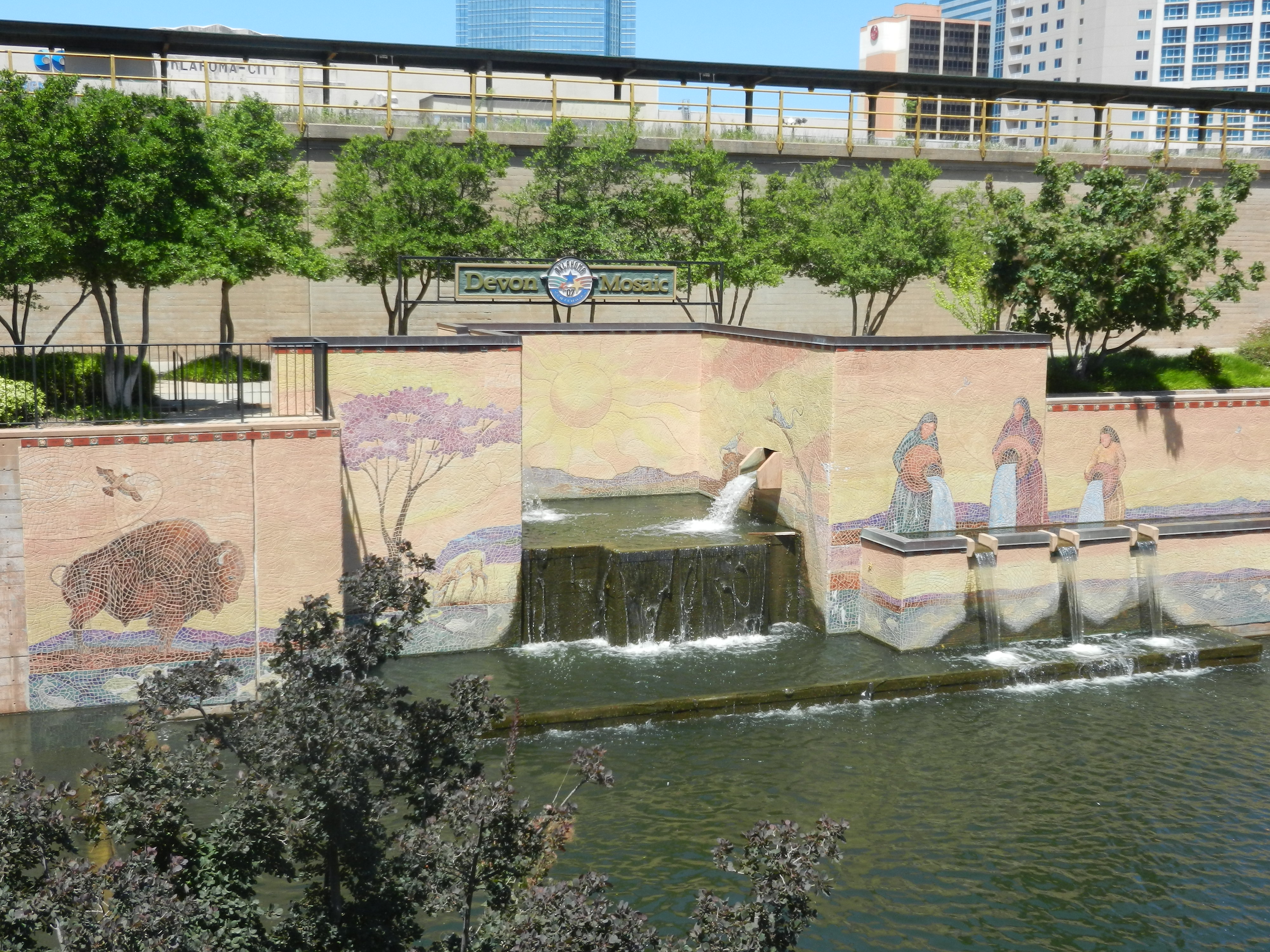
Oklahoma mural
A mural representing Oklahoma culture decorates downtown Oklahoma City today

As I drove home from work that afternoon I encountered a traffic jam on a usually easy drive; I assumed a car wreck was  tying up traffic. Instead, the cars of people trying to get into the local Red Cross blood donation facility created the backup; when I finally drove past I saw a long line of people waiting to enter.

I picked up my 10-year-old son from school and realized the teachers had not told the students. I explained to him what had happened, as well as you can explain something so horrible to a child.

He looked at me and said, “Mom, the 5th graders went to Oklahoma City today.” I remembered seeing the charter bus parked at the school that morning for the annual field trip to the science museum in OKC. Since I knew the museum was not downtown, I assured him the children from his school were safe.

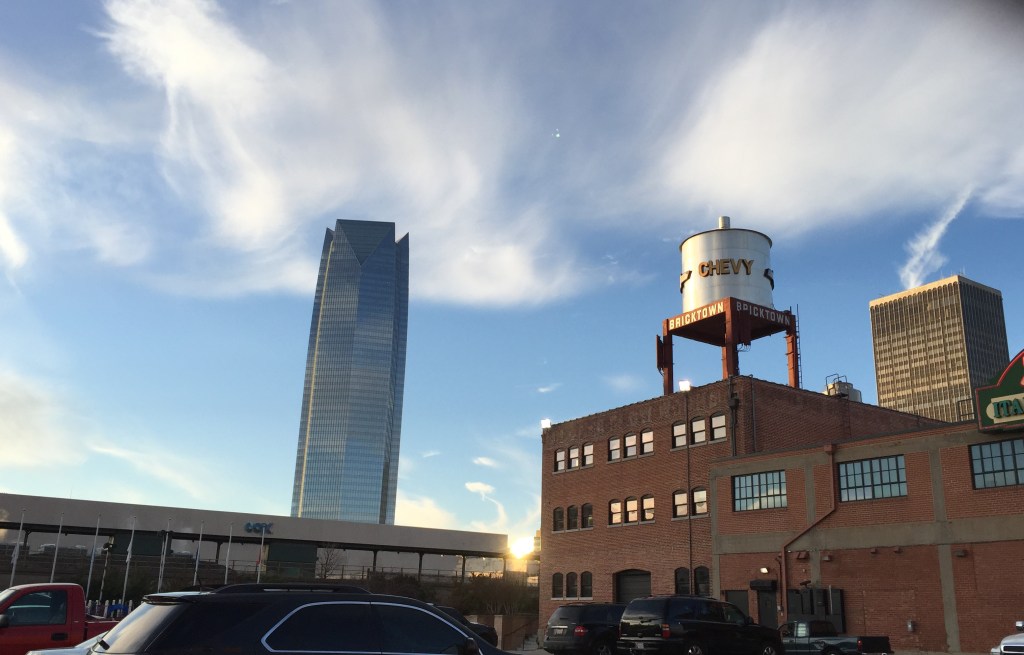
Bricktown in Oklahoma City
Bricktown area of OKC with Cox Convention Center and Devon Energy Center tower behind
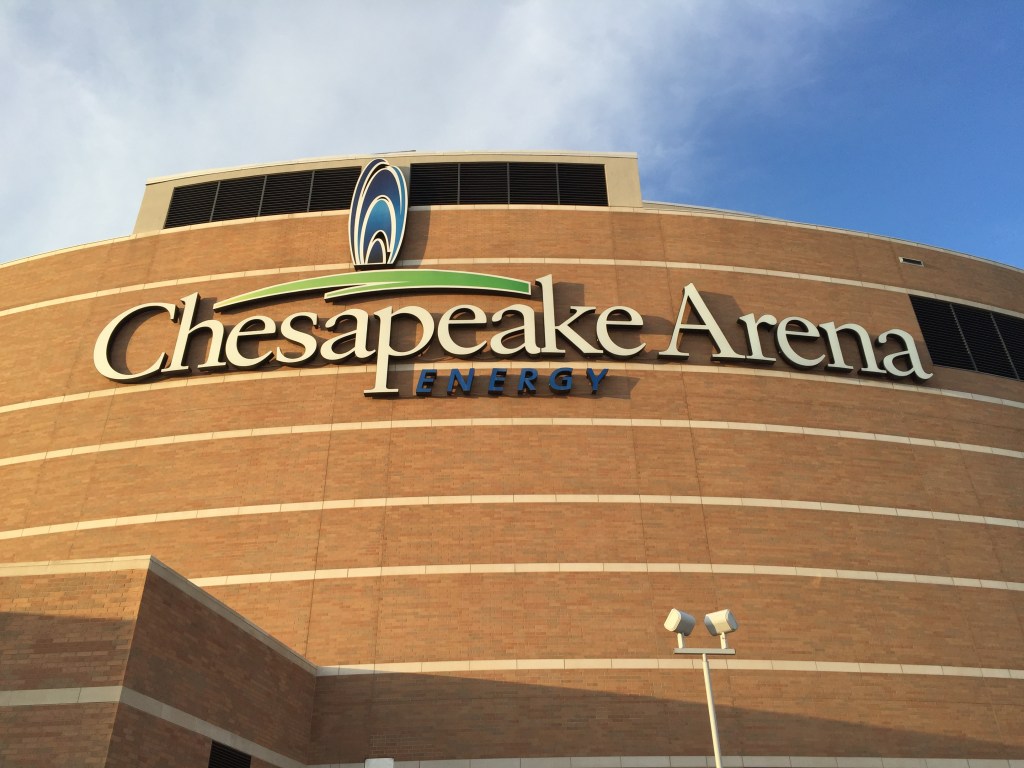
Chesapeake Arena
Chesapeake Arena, home of our popular Thunder Basketball team

The day after, April 20, 1995

They next morning as usual I turned on the television to watch the morning news while I dressed for work. I can’t believe now that I wondered if there would be any news of the bombing on national television; it had dominated our local news the evening before.

I turned to the Today show and found that it was broadcasting from OKC, as were all the major networks, and devoted the entire broadcast to the bombing. I think that was my first inkling what a momentous event it was.

They interviewed a doctor from St Anthony Hospital, just down the street from the Murrah Building- he was one of my medical school professors. I couldn’t believe someone I knew was on national television.

window at the museum
window from the museum overlooking the outdoor memorial
Memorial pool and chairs
Field of Empty Chairs beside the Reflecting Pool – Each gold chair represents a deceased victim.

The following months

In the following days, weeks and months we learned all the details about the bombing- the perpetrators, the victims, the rescuers, the survivors.

168 Oklahomans lost their lives there that day, including 19 children.

My first visit to the bombing site

My husband and I visited the site after the building was imploded, when the grounds were fenced off.  The fence had become a makeshift memorial, as people left mementos of all kinds- dolls, stuffed animals, photos, pictures, flowers, crafts, flags, shirts, and letters.  We visited again when the official memorial  and the museum were established on April 19, 2000.

2016-03-07 12.05.50
2016-03-07 12.08.17
2016-03-07 12.12.19
2016-03-07 12.11.04

a long section of the original fence has been left intact, as well as parts of the original federal building wall.

sections of damaged wall

Until 9/11, it was the deadliest act of terrorism on United States soil.

OKC memorial and federal building in the distance
The West Gate of Time. the Reflecting Pool  and looking  northwest toward the new federal building in the distance

Remembering April 19, 1995

That day in Oklahoma City showed the best in our state and our country as people, some with no training, risked their lives to help rescue people who were injured and trapped inside. Firefighters and police came from all over the United States to help. People donated food and first aid supplies.
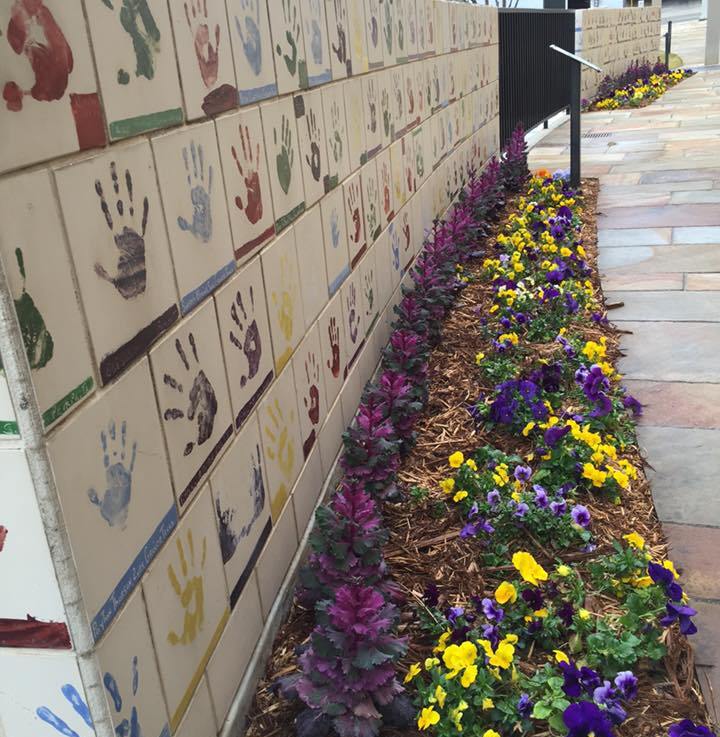
children and adults visiting a wall decorated with handprints
Schools regularly bring students to visit the memorial and museum; these are visiting the children’s area
colorful hand painted tiles from children
Hand-painted tiles by children were sent to the city as a show of support and sympathy.

I was proud to be an Oklahoman then and now, and still grieve for the lives we lost that day.
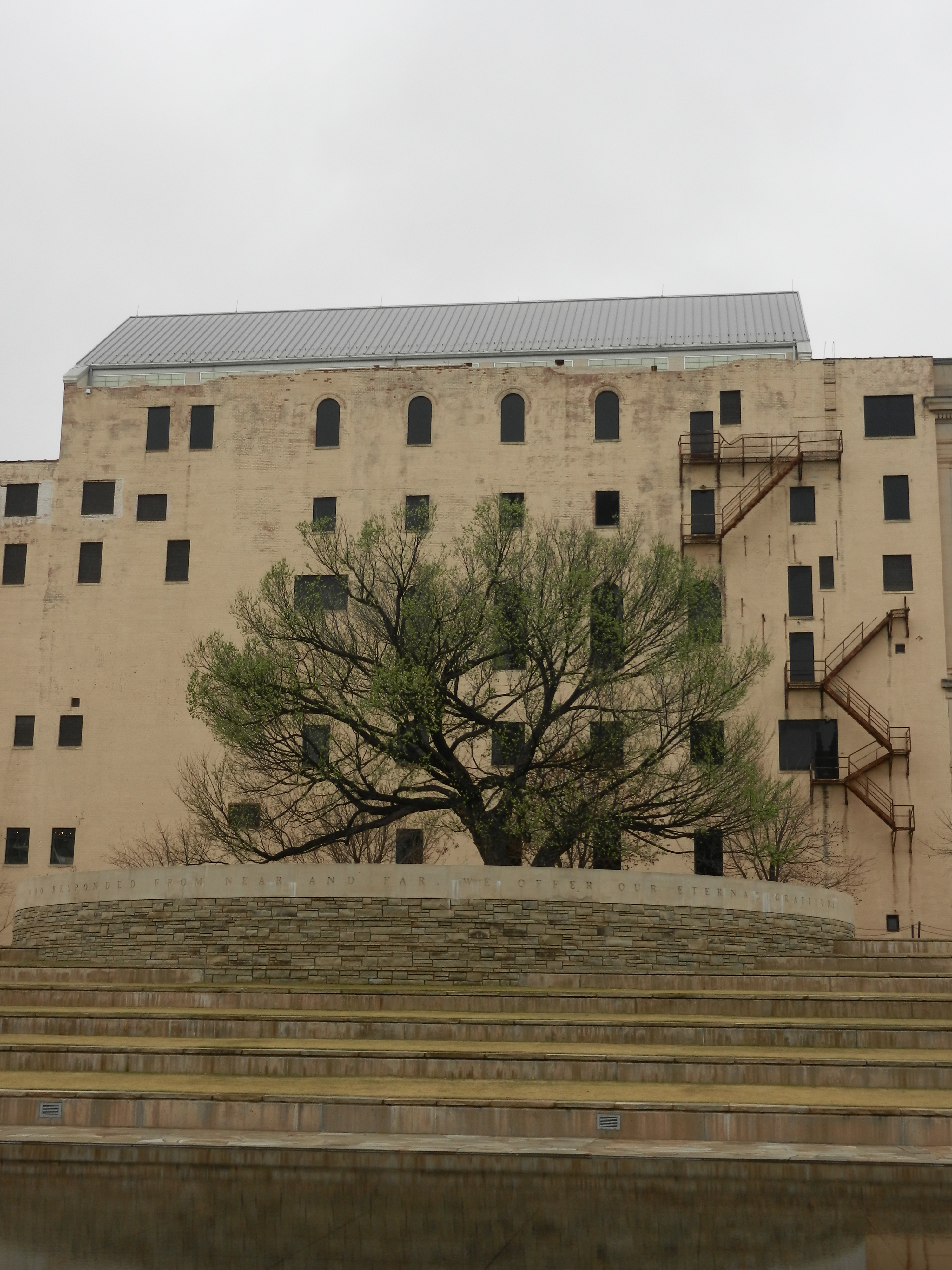
The Survivor Tree
The Survivor Tree, an American Elm, survived the blast

"We search for the Truth" written on a wall.
On the wall of the Journal Record Building which was also damaged by the blast; the museum now occupies part of it.
statue of Christ with head bowed
statue of a grieving Christ, in the courtyard of a church across the street from the memorial

The Oklahoma City National Memorial and Museum

The Oklahoma City National Memorial and Museum is privately funded. The memorial is free and open to the public. Admission is charged to tour the museum. According to the website-

“The Oklahoma City National Memorial Foundation is a private 501(c)(3) organization which owns and operates the Oklahoma City National Memorial & Museum. The Foundation is the caretaker of both the Outdoor Symbolic Memorial and the Memorial Museum. It does not receive any annual operating funds from the federal, state or local government. Museum admissions, store sales, the Memorial Marathon, private fundraising and earnings from an endowment allow the Memorial and Museum to be self-sustaining.”


exploring the HEART of remembering

Thank you for joining me to remember and honor those injured and killed in the Murrah Building and the heroes who rescued them.

                                               Dr. Aletha