“Full Recovery” from addiction to recovery-book review

This post reviews Brian McAlister’s “Full Recovery” . It outlines a personal action plan for overcoming addiction through self-discovery and empowerment. Using personal anecdotes and principles from s successful figures, he emphasizes a moral foundation based on n a Higher Power. The book serves as a guide for transformation, encouraging positive life changes.

Full Recovery 

The Recovering Person’s Guide to Unleashing Your Inner Power 

a book by Brian McAlister

“a spiritual journey of empowerment and self-discovery “

Brian McAlister is CEO of Full Recovery Wellness Center,  a substance use treatment center in Fairfield, New Jersey.

He is also the owner of MacSimum Publishing Co. , which published this book.

He has been sober since August 2, 1990.

The book starts with a disclaimer that it is “not intended as a substitute for any treatment program” and neither is this blog post.

GPS- Goals Produce Success 

Brian McAlister

Note: readers may support this blog by using the affiliate links in this post, at no extra charge; the graphics in this post are not found in the book

Addiction is a disease of selfishness and isolation.

Brian’s addiction to alcohol and drugs started as a teenager in the 1960s and continued into early adulthood when he lived an “outlaw biker lifestyle”.

Despite having a loving wife and son, he wasted his days drinking and carousing, getting in trouble legally and financially, until a near-fatal motorcycle accident jarred him into realizing that he was going nowhere.

But he was not content with merely getting sober, he wanted a better life for his family. He wrote,

In hindsight, I was very lucky to have become an alcoholic because lessons learned in recovery have given me the tools to succeed in all areas of my life.”
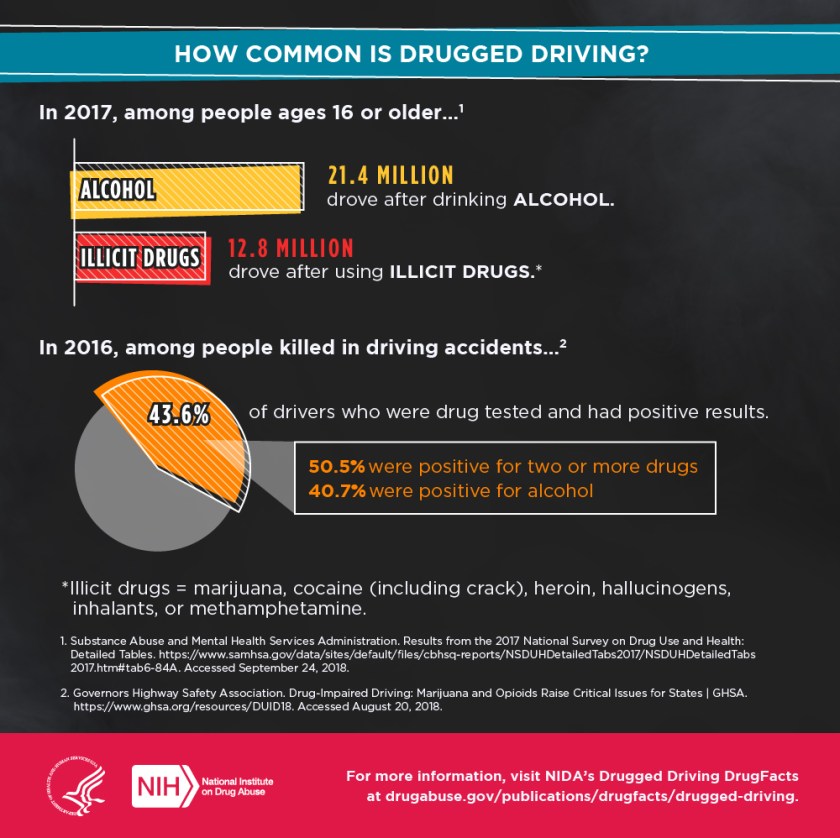
Drugged driving is common amond fatal driving accidents.
credit- NIH, National Institute on Drug ABuse

Full Recovery Action Plan

Brian’s Full Recovery Action plan presents the same principles he used to turn his life from addict to entrepreneur to successful businessman.

To take full advantage of the plan, readers need a notebook he says will become “your roadmap to success.” He closes each chapter with a “Let’s Review” list of main points followed by Action Plan exercises to complete and record in the notebook. 

His plan is simple and straightforward; it has three parts-

  1. Exploration
  2. Motivation
  3. Perspiration

Into those three parts, he packs enormous resources – personal stories, history, addiction statistics, life lessons, psychology, time management, work and business tips, and individual resilience.

Besides his own journey to sobriety, he uses personal examples from other former addicts (with their permission and names changed to protect privacy). He also relates anecdotes from well known successful people, including Ford, Edison, Lincoln, Einstein, Columbus, Eric Clapton, Sam Walton, Bill Gates, and Jesus. 
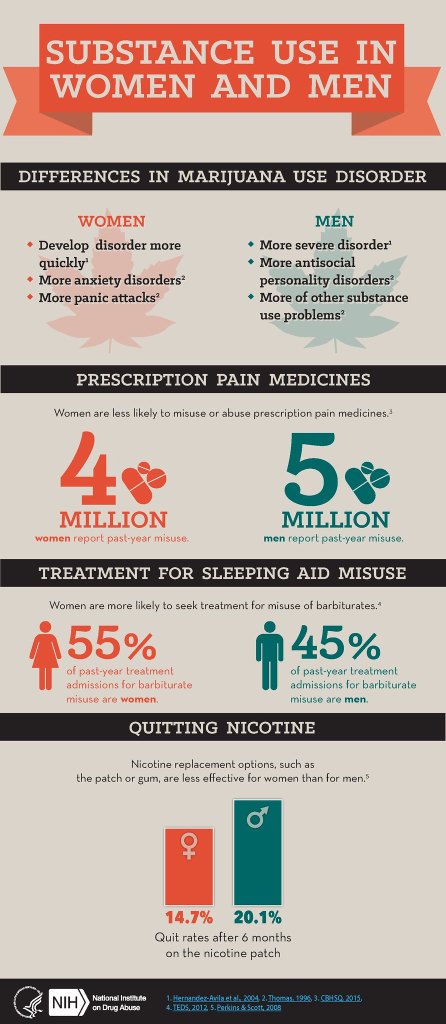
Substance use is difference in women and men; women develop disorder quicker, men have more severe disorder.
credit:NIH, National Institute on Drug Abuse

“A moral foundation”

Brian believes “full recovery” must be based on a “solid moral foundation”. Like with 12 Step addiction recovery programs, his is based on belief in a Higher Power.

Brian’s belief is based in Christianity, thus his frequent references to God and Jesus, and liberal use of scriptures from the Bible. But he does not insist those who use his program adhere to Christianity, but need to believe in someone higher than themselves.

“To be truly sober, and not just abstinent, I had to change my belief from one of self-reliance to reliance on God.”

He encourages addicts to cultivate attitudes of faith, hope, abundance, and gratitude, while also practicing practical skills of planning, listening, communicating, goal setting, and learning. These are all developed by completing the Action Plan exercises regularly.

My reaction to this book

I’ve never been addicted to anything, at least not drugs or alcohol, but I enjoyed Brian’s book and believe the program he outlines can help anyone wanting to change their life positively.

This version of Full Recovery was published in 2015. I read a complimentary digital version of this book for a NetGalley review. It was the 2010 edition titled Full Recovery: Creating a Personal Action Plan for Life Beyond Sobriety.

NETGALLEY MEMBER PROFESSIONAL READER

Resources on substance abuse, addiction, and sobriety

Understanding Drug Use and Addiction DrugFacts

Treatment Approaches for Drug Addiction DrugFacts

Understanding Alcohol Use Disorder
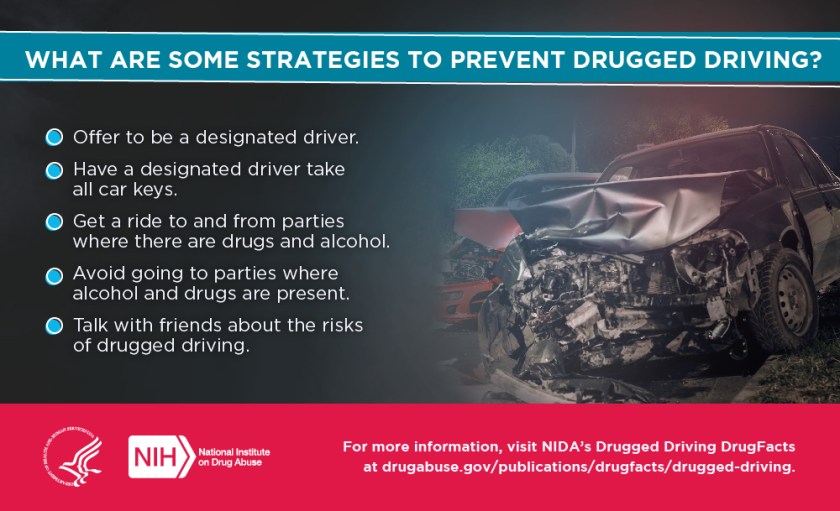
Strategies to prevent drugges driving-designated driver, one driver take all keys, get a ride to parties.
credit: NIH, National Institute on Drug Abuse

Responding to this post

You probably know someone with some type of substance abuse problem. If that person is a spouse, child, parent, or sibling, it affects you too. You cannot change the other person but you can control the way you respond and manage the challenges in your own life.

Here are some tips. Ask yourself how you can make these happen in your life.

  1. Learn about addiction, how the brain works, and what does and doesn’t work for treatment.
  2. Be aware of your emotions. You may feel sadness or anger. You may blame yourself or resent your relative. Understand your feelings rather than ignoring them.
  3. Be vigilant with self-care. Sleep, exercise, eat regular healthy meals.
  4. Look for support from friends, other affected families, and from activities you enjoy.
  5. Manage expectations. Knowing there will be progress followed by setbacks helps you and your loved one not get too discouraged.

exploring the HEART of health and sobriety

I’d love for you to follow this blog. I share information and inspiration to help you turn health challenges into health opportunities.

Add your name to the subscribe box to be notified of new posts by email. Click the link to read the post and browse other content. It’s that simple. No spam.

I enjoy seeing who is new to Watercress Words. When you subscribe, I will visit your blog or website. Thanks and see you next time.

TOP REVIEWER -for NetGalley

Dr Aletha

reviewer for Net Galley

Healthy Holiday Eating: Practical Management Tips

This post shares how holiday foods like marshmallows and eggnog, appear in traditions and songs. Holiday foods can challenge nutritional management of multiple health conditions. Here are practical tips for planning meals to accommodate dietary needs, while offering insights on healthy eating and managing sobriety during festivities. Ultimately, we can celebrate human connections over food.

What do marshmallows, pumpkins, eggnog, popcorn, and pears have in common?

They are foods associated with holiday recipes, and they’re mentioned in songs about Christmas. You’ll also recognize less everyday foods like chestnuts, figgy pudding, collard greens, and wassail.

Recipes from Holiday Carols 

sliced orange, orange with cloves

We enjoy holiday traditions of eating and drinking special foods and beverages; we even sing about them. But these can cause problems for people who need to manage what they eat and drink for medical reasons.

Nutritional management is vital to managing these conditions-

  • diabetes and high cholesterol
  • celiac disease/gluten sensitivity
  • nut and other food allergies
  • lactose intolerance
  • overweight/obesity
  • alcohol dependence
  • heart, kidney, and liver dysfunction
  • pregnancy
  • migraine
  • hypertension
  • irritable bowel syndrome
variety of party cookies on a plate

Practical tips for planning Holiday parties and meals

Planning ahead to manage holiday stress applies to cooking, entertaining, and eating during the holiday season.

If you plan and prepare holiday meals and parties, remember some attendees need to avoid or restrict certain foods. Offer an ample variety of food and drinks so your guests will find something that works for them.

If you have houseguests, they will appreciate your asking them about dietary needs or restrictions so you can have food available to meet their needs.

If you have special food needs, it is wise to offer to bring a dish to an event or take food to eat if you will be someone’s houseguest.


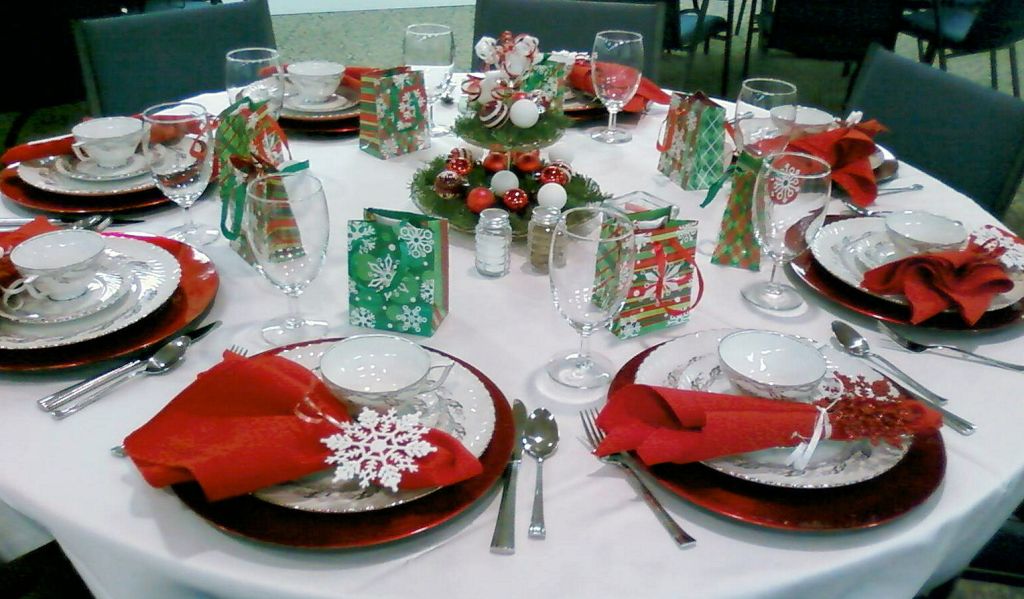
a table setting at a holiday brunch I attended


Healthy Eating and the Holidays

The Centers for Disease Control and Prevention offers tips for healthy eating for people with diabetes through the holidays. These are also helpful for others. Click the above link to learn how.

‘Tis the season for family, festivity, and food—lots of food. How do you manage diabetes during the holidays when food temptations are just about everywhere? Try these tips to help you stick to your diabetes meal plan this holiday season.

from the Centers for Disease Control

Tips for Everyone at the Holidays

  • You can still enjoy your favorite holiday treats in moderation. Focus on dishes you really love and can’t get any other time of year.
  • Sometimes there are too many holiday treats to fit into one meal. Instead of overeating, ask your host if you can take a favorite treat home for later.
  • Fill at least half your plate with vegetables and leave less room for unhealthy food.
  • Eat slowly. It takes at least 20 minutes for your brain to realize you’re full, so take your time before deciding if you want seconds.
  • Being active is your secret holiday weapon. It can help you digest your food better and reduce stress.
  • You may not have time for a long walk, but even 10 minutes after a big meal helps.


Delicious gluten-free recipes

Even if you are not gluten-sensitive, you may enjoy gluten-free dishes. Some taste even better than their gluten-containing cousins.


Maintaining Sobriety Through the Holidays  

from Addiction Hope 

“Be able to understand your limitations. Is it easy to say no to a drink in a restaurant setting but hard to avoid alcohol in a home environment? What types of scenarios are triggering to you? Knowing this ahead of time can help you work through situations and be prepared for what you might encounter.

Having an exit strategy can be a helpful tool to utilize in times of stress or pressure. This might include stepping out to call a trusted friend for support, going out for a walk, or practicing mindfulness techniques.”


Most of all, remember what the season is about—celebrating and connecting with the people you care about. When you focus more on the fun, it’s easier to focus less on the food.

CDC
Photo by Nicole Michalou on Pexels.com

 Sharing the HEART of the holidays

As a Christmas gift to me and your friends, please share this post with friends in an email or on your social sites. Thanks.

I’d love for you to follow this blog. I share information and inspiration to help you turn health challenges into health opportunities.

Add your name to the subscribe box to be notified of new posts by email. Click the link to read the post and browse other content. It’s that simple. No spam.

I enjoy seeing who is new to Watercress Words. When you subscribe, I will visit your blog or website. Thanks and see you next time.


a small cute decorative snowman figure

Dr Aletha

Unfortunately, food allergies don’t take a holiday. This post reviews how those with food allergies can eat well and safely.

How to manage food allergy with confidence

Up to 10% of the population have true food allergy, while 50-90% of people who believe they have food allergy may not. An accurate diagnosis is important so the condition can be managed properly when appropriate, but not needlessly..

Keep reading