“For generations, we cooperated to live in this small space. Now cooperation has helped us keep living.”
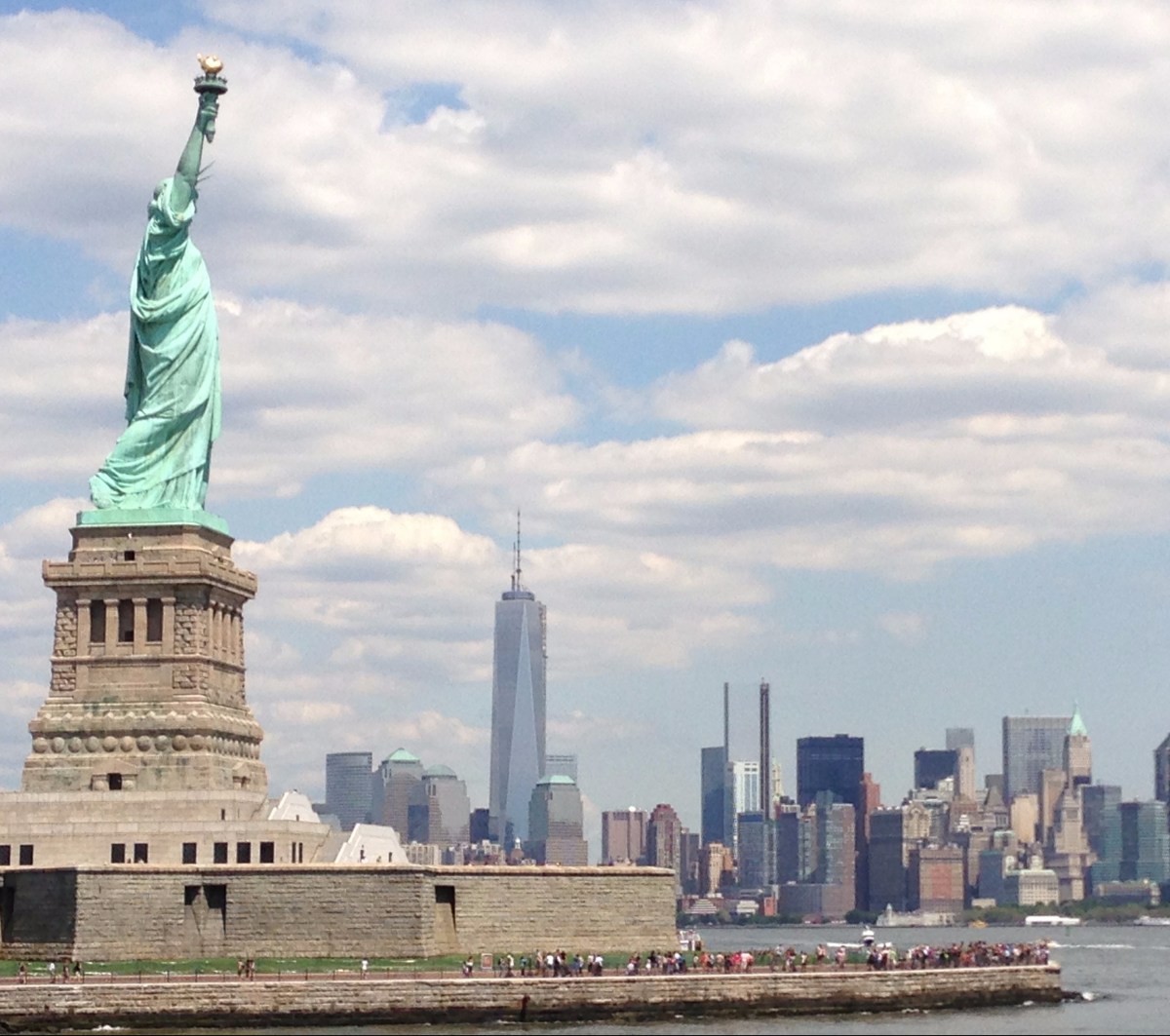
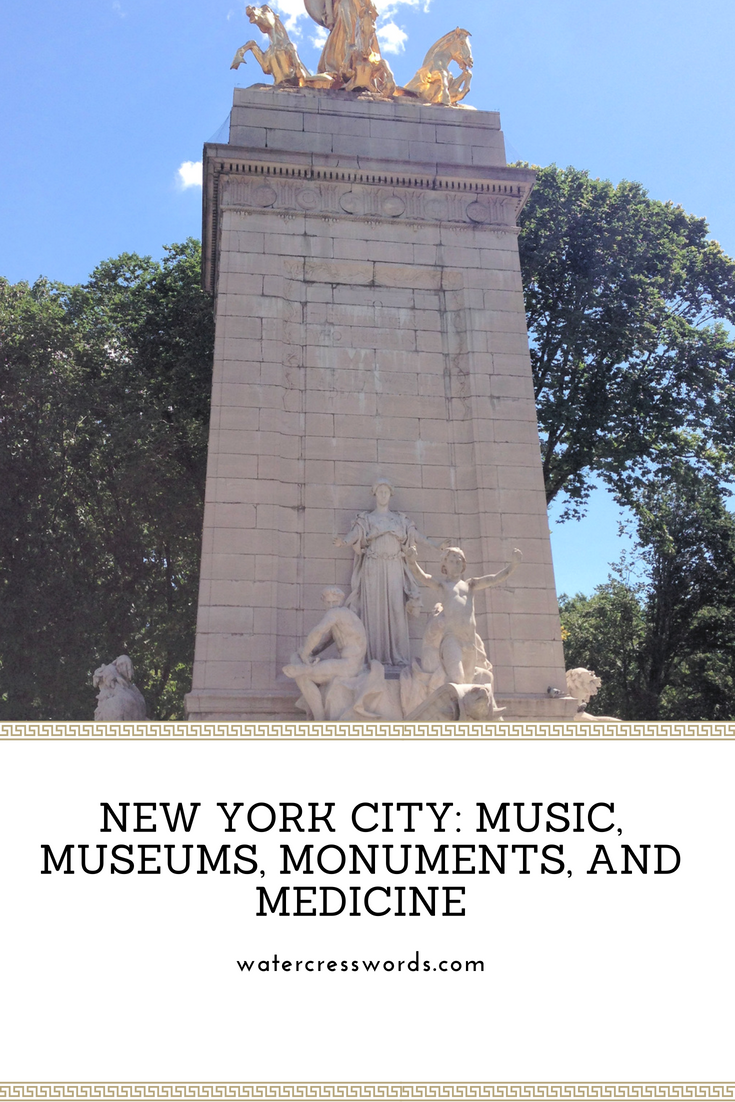
One of my favorite vacations ever was to New York City. I was curious about it but not sure I wanted to go there. But when my son’s work took him there for a year, I decided it was time to visit him and the city. And I am so glad I went. It was magical.
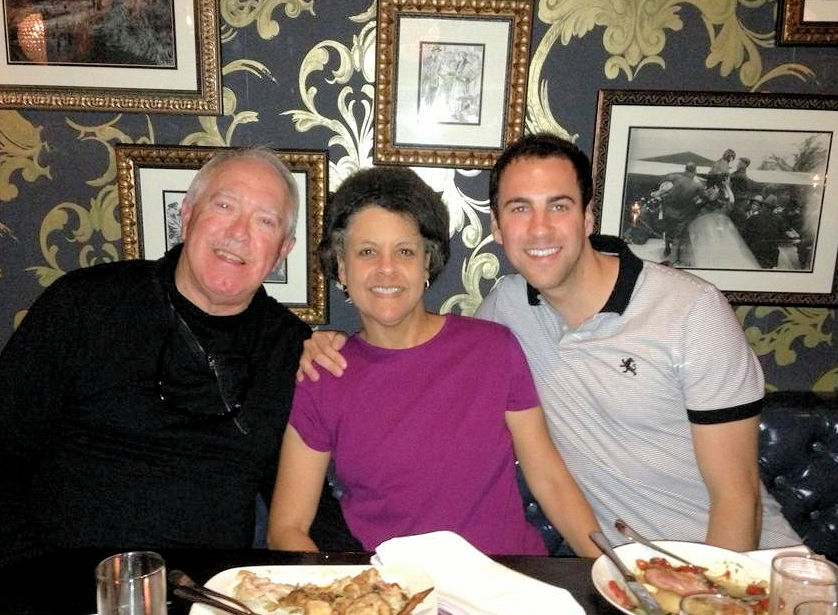
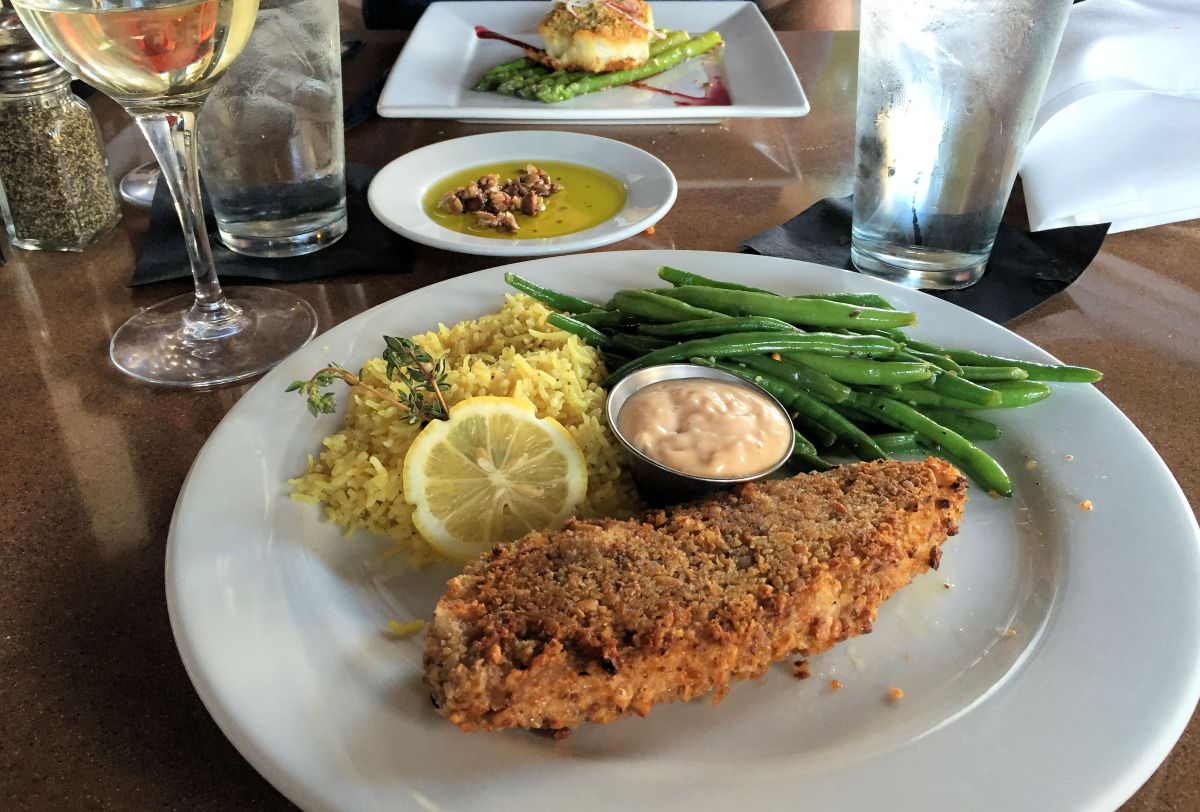
good food, great company, grand city
Safest big city: After its horrors, New York City is (for now) a coronavirus success story
Deaths are rare now. Some days there are none, as the hospital ICUs scale down. And a network of scaled-up clinics and hospitals administer tens of thousands of daily tests,… Credit the collective discipline of staying apart and wearing masks, and leadership decisions holding off on opening bars and indoor dining. For generations, we cooperated to live in this small space. Now cooperation has helped us keep living.
New York Daily News
“A Natural Woman “
I reviewed Carole King’s memoir, A Natural Woman. Carole was born in Manhattan, attended school in New York City, and started her musical career there. A musical about her life, Beautiful, plays on Broadway. (I saw Beautiful in Tulsa.)
Another memoir, Working Stiff, happened in New York City. Dr. Judy Melinek and her husband T.J. Mitchell chronicled her work as a medical examiner with the NYC Medical Examiner’s office following the Trade Center attacks on 9/11.
New York City by night from the Empire State Building
I read this book in which Dr. Elizabeth Ford reviewed her career as a psychiatrist at Bellevue Hospital, where she cared for mentally ill patients in the criminal justice system of New York City.
When the hospital flooded and lost power during Hurricane Sandy she and the dedicated staff fought to get permission to evacuate the prisoner patients who languished for days in a ward without running water or hot food.
Dr. Danielle Ofri has a special interest in and writes about the patient- physician relationship . She is an attending physician at Bellevue Hospital, Associate Professor of Medicine at New York University School of Medicine, and writes for The New York Times.
She has written several books; I reviewed this one.
Up to 10% of the population have true food allergy, while 50-90% of people who believe they have food allergy may not. An accurate diagnosis is important so the condition can be managed properly when appropriate, but not needlessly..
One of the most informative lectures I heard recently was about food allergy, a common problem that patients and even physicians don’t always understand.
I welcomed the chance to hear from an expert to help me counsel my patients. I also have a personal interest since my grandson has food allergies; when he visits me, I have to be careful not to feed him foods he may react to.
The speaker, Kirsten Bennett, Ph.D. is a registered dietitian (RD) who specializes in counseling patients with food allergies. She presented data from research studies as well as from her clinical practice, and I’m sharing some of what she said with you.
What is food allergy?
You may assume that any symptom due to eating a food is an allergy but there are many ways food can make us sick, including allergy, intolerance, toxic effects, and infection.
Dr. Bennett explained the difference between food allergy and food intolerance. (The other two will not be discussed here)
Allergy– is immune-mediated, meaning the immune system produces and releases antibodies after exposure to a food; celiac disease is due to food allergy.
Intolerance– does not involve the immune system, no antibodies are produced; this occurs in lactose intolerance.
Some foods such as wheat and milk can cause both allergy and intolerance.
Milk and wheat can cause allergy and intolerance.
So how do you know the difference? You can’t, without an appropriate medical evaluation, so it is important to see a physician if you suspect a food allergy.
Up to 10% of the population have true food allergy, while 50-90% of people who believe they have food allergy may not. An accurate diagnosis is important so the condition can be managed properly when appropriate, but not needlessly.
What causes food allergy?
The BIG 8 cause 90% of food allergy. These are
Milk
egg
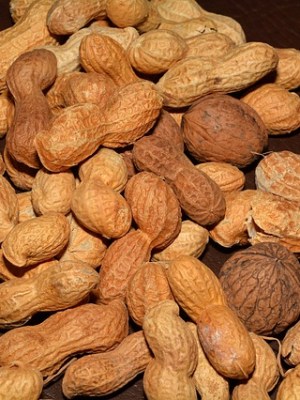
peanut
fish
shellfish
soy
wheat
tree nut
Symptoms of food allergy
Almost any symptom can occur with allergy but the most common are
Rash with or without itching
Swelling of the face, lips, eyes
Watery, itchy eyes
Nasal drainage and/or congestion
Hoarse voice
Cough, wheezing, difficulty breathing
Nausea, vomiting, diarrhea
Dizziness, fainting
Low blood pressure, fast heart beat
Feeling of “impending doom”
How to diagnose food allergy
Although blood and skin testing may be helpful, the history is the first and most important step to identify food allergy. The evaluation may start with the answers to these 9 questions-
What are the symptoms?
What food was eaten that may have caused the symptoms and was it eaten before?
How much of the food was eaten?
Was the suspect food cooked or raw?
Has the food ever been eaten without symptoms?
Was else was the person doing or ingesting at the same time, such as exercise, medications, etc.?
Have the symptoms occurred without eating the food?
How were the symptoms treated and how long did they last?
by David Stukus, MD,Assistant Professor of Pediatrics in the Section of Allergy/Immunology at Nationwide Children’s Hospital, in Columbus Ohio.
Goals in managing food allergies
Allow the child (or adult) to live as normal a life as possible while avoiding foods that might cause allergic symptoms.
The fear of a serious food allergic reaction can cause a family to forgo normal activities and keep a child isolated. Dr. Bennett suggested these tactics to minimize food allergy anxiety.
Read food labels carefully to avoid inadvertently eating foods that cause allergy.
At home
Cook as a family ; Learn how to cook meat and other protein foods
Take children grocery shopping and engage them in food selection
Use at least 3 elements of the plate model for meal planning
Gather together and celebrate food and eating together
Practice manners and table talk
Make the home kitchen a safe sanctuary
Enjoy the food journey
Travel
Take foods along that are safe
Identify possible allergy risks in travel itinerary -Restaurants
At school
What does the school staff and administration know about food allergies?
Start a conversation Provide reference materials or community resources
The greatest danger of any allergy is anaphylaxis, a life-threatening allergic reaction that impairs breathing and heart function.
Minutes matter with allergy emergencies
Anyone who cares for a person with food allergy needs to know what to do in case of a reaction. Schools and work places should have a plan for dealing with such emergencies.
Create and Maintain an Action Plan for school/work-
Develop an individualized Health Care Plan – which includes strategies for food avoidance as well as an Emergency Action Plan with specific actions to be taken in the event of accidental or purposeful ingestion of the allergenic food.
Maintain a current and backup supply of emergency medication
Epinephrine (Injectable)
antihistamine
Document specific instruction on transport to ER/ED (emergency room) for follow-up care Emergency medications and plan need to be accessible at all times.
exploring the HEART of food allergy
I also addressed food allergy in this book review post.
The book “Food Without Fear” by Dr. Ruchi Gupta addresses food allergies, intolerances, and sensitivities. It covers topics such as the food reaction spectrum, the top food allergens, and managing food allergies in different settings. It also provides comprehensive resources and explores using epinephrine in allergy emergencies. The book aims to help individuals understand and…










 watercress words by Dr Aletha