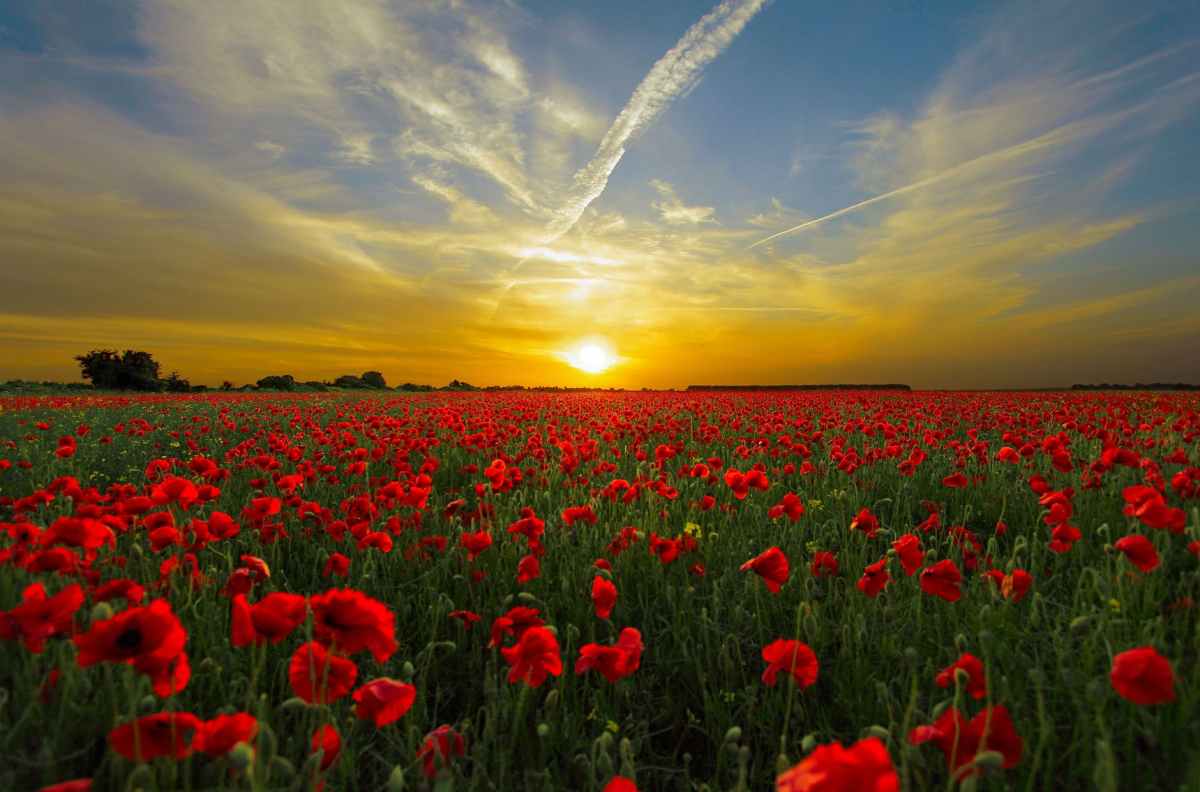
“though poppies grow in Flanders fields”
In the United States, the last Monday in May is Memorial Day, but it’s now become a “holiday” weekend. The Friday of Memorial Day weekend is now observed as National Poppy Day.
In the early 1920s the American Legion Auxiliary adopted the poppy as the American Legion Family’s memorial flower. Still today it symbolizes the service and sacrifice of veterans of World War I and other military operations.
ALA members distribute millions of paper poppies annually across the country in exchange for donations that go directly to assist disabled and hospitalized veterans in our communities.
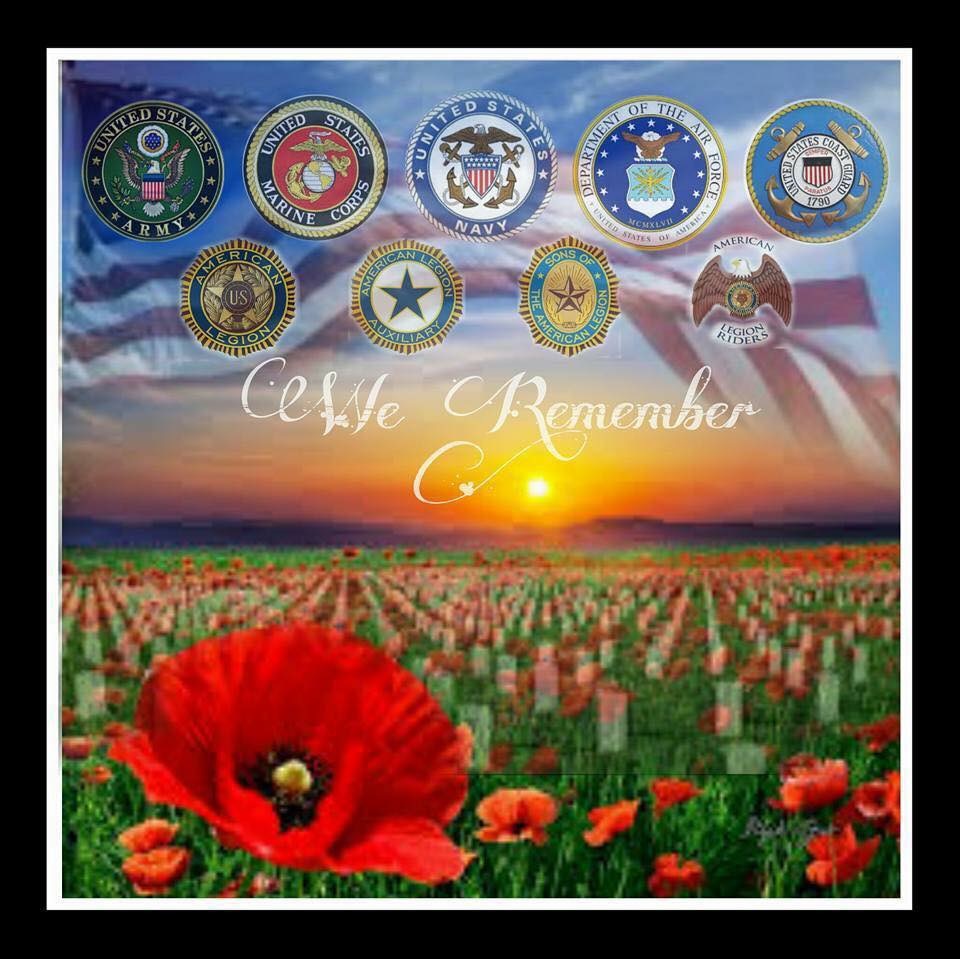
Why poppies?
I love the story of the poppies because it has a medical connection.
In the battlefields of Belgium during World War I, poppies grew wild amid the ravages of war. The overturned soils of battle covered the poppy seeds to, allowing them to grow and forever serve as a reminder of the bloodshed of war.
Out of this conflict came a poem, from which also came the association with poppies .
The now famous poem, In Flanders Fields, was written by a Canadian physician, Lt. Col. John McCrae.
Originally from Canada, Dr.McCrae was an English and math teacher, as well as a poet, before he attended medical school. He moved to England and was practicing there when World War I broke out, and he was called to serve as a brigade-surgeon.
I suspect that as a physician, he was deeply pained by treating the wounded, and the loss of those he could not save.
“In April 1915, McCrae was stationed in the trenches near Ypres, Belgium, in an area known as Flanders, during the bloody Second Battle of Ypres.
In the midst of the tragic warfare, McCrae’s friend, twenty-two-year-old Lieutenant Alexis Helmer, was killed by artillery fire and buried in a makeshift grave.
The following day, McCrae, after seeing the field of makeshift graves blooming with wild poppies, wrote his famous poem “In Flanders Field,” which would be the second to last poem he would ever write.”
(from John McCrae at poets.org)
In Flanders Fields
In Flanders fields the poppies blow
Between the crosses, row on row,
That mark our place, and in the sky,
The larks, still bravely singing, fly,
Scarce heard amid the guns below.

We are the dead; short days ago
We lived, felt dawn, saw sunset glow,
Loved and were loved, and now we lie
In Flanders fields.

Take up our quarrel with the foe!
To you from failing hands we throw
The torch; be yours to hold it high!
If ye break faith with us who die
We shall not sleep, though poppies grow
In Flanders fields.
This poem is in the public domain.
Exploring the HEART of Health
Thank you for reading this post. Please follow this blog and me on social media.
I share information and inspiration to help you transform challenges into opportunities for learning and growth.
Add your name to the subscribe box to be notified of new posts by email. Click the link to read the post and browse other content. It’s that simple. No spam.
I enjoy seeing who is new to Watercress Words. When you subscribe, I will visit your blog or website. Thanks and see you next time.
Dr. Aletha
- About Dr. Aletha
- How to Use this Site
- Make Your Life Easier
- Search by Category
- Share the HEART of health
- my Reader Rewards Club
- RoboForm Password Manager
Use these links to share the heart of health wherever you connect.


Thank you for sharing about this poem. It adds so much depth and meaning.
Your neighbor at Soaring With Him,
Tammy
LikeLiked by 1 person
You’re welcome Tammy. I have trouble following poetry without context, so when I learned the story behind this one it became so much more meaningful to me. Thanks for the comment.
LikeLiked by 1 person