
This information is current as of the date of original publication or update but may have changed by the time you read this. Do not use this information for diagnosis or treatment purposes. Before making health decisions, discuss with a qualified healthcare professional.
On June 30, 2025 I published a post about HHS Secretary Robert Kennedy, Jr.’s visit to Oklahoma. He met with Governor Kevin Stitt at the state capitol to discuss their plan to “Make Oklahoma Healthy Again”, modeled after his national plan to Make America Healthy Again (MAHA).
Their plan included eliminating the state health department’s recommendation for fluoride in drinking water to prevent cavities and prohibiting recipients from using SNAP (food stamps) benefits to buy soda beverages.
Although no physicians had been invited to attend, many still showed up and presented their recommendations to help Oklahomans achieve better health.
After all, wouldn’t you think the doctors who take care of Oklahomans would know best what they need?
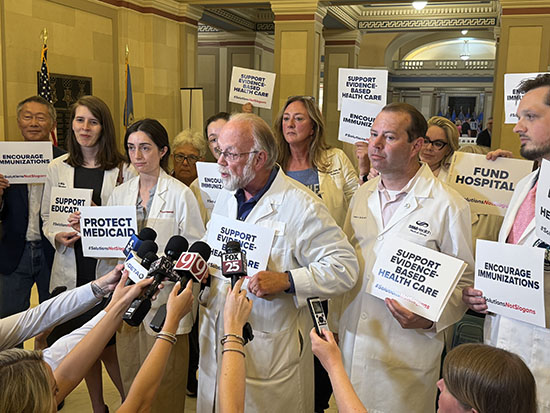
photo from the state medical association Facebook page
In this post, I share an opinion piece from Dr. Sharon D’Souza, originally published on the website Oklahoma Voice and shared here by permission. I have edited the article minimally for length and readability.
Dr. Sharon D’Souza is a board-certified diagnostic radiologist in Tulsa, Oklahoma. She is president of the Oklahoma State Radiological Society, Vice President of the Tulsa County Medical Society, and a member of the Oklahoma State Medical Association Board of Trustees. She also earned an MPH in Public Health.
You probably don’t live in Oklahoma, but as you read the article, substitute the name of your state or territory for “Oklahoma”, since where you live likely faces the same or similar issues.
Gov. Stitt and RFK Jr. pledge to ‘Make Oklahoma Healthy Again.’ Their policies signal the opposite.
by Dr. Sharon D’Souza, Oklahoma Voice
July 30, 2025
Imagine this: a TV drama where a patient is being pushed through an emergency room by people in scrubs. Lights are blinking, alarms are sounding. Rounding the corner, the camera zooms in on an operating theatre ready to receive its patient.
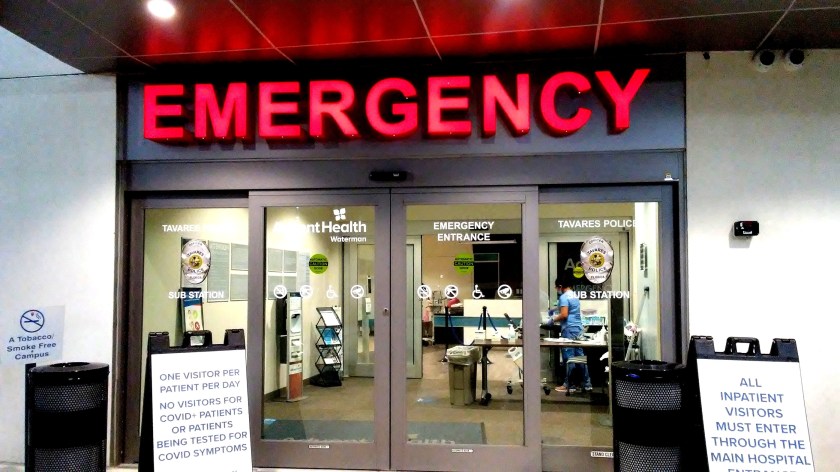
Except, the person waiting to spring into action isn’t a trained physician; it’s a politician in a suit with an unqualified idea to make the patient healthier. If this seems inconceivable, consider the events of June 26.
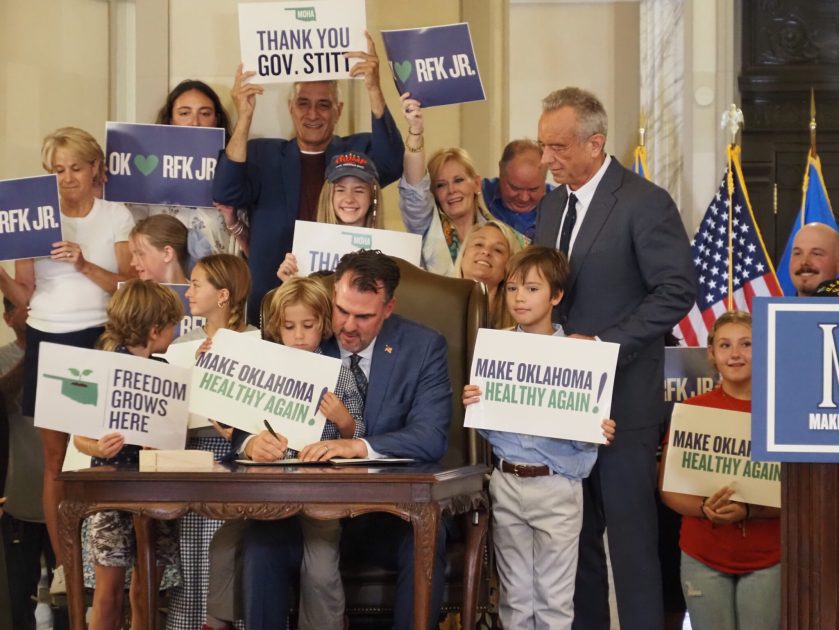
Gov. Kevin Stitt welcomed U.S. Secretary of Health and Human Services Robert F. Kennedy Jr. to the Oklahoma Capitol for the “Make Oklahoma Healthy Again” rally. It served as a dramatic photo op, but behind the cameras, the policies promoted were anything but healthy.
As one of the unhealthiest states in the nation, Oklahoma cannot afford anti-science distractions that move us further from real solutions.
As a physician dedicated to practicing evidence-based medicine and advocating for patients, I wanted to see the assembly in person. I was joined by dozens of my colleagues, who canceled vital appointments so they could be on hand to advocate for the medical perspective that seemed to be ignored.
Physicians-Advocates for Solutions and Results
While Stitt and RFK Jr. rallied against fluoride in drinking water — a safe, proven public health measure — our coalition came prepared with something of value: a list of practical, data-backed solutions capable of improving the health of Oklahomans. Our coalition is not interested in political gains; we’re focused on actionable solutions and real results designed to strengthen the health care system.
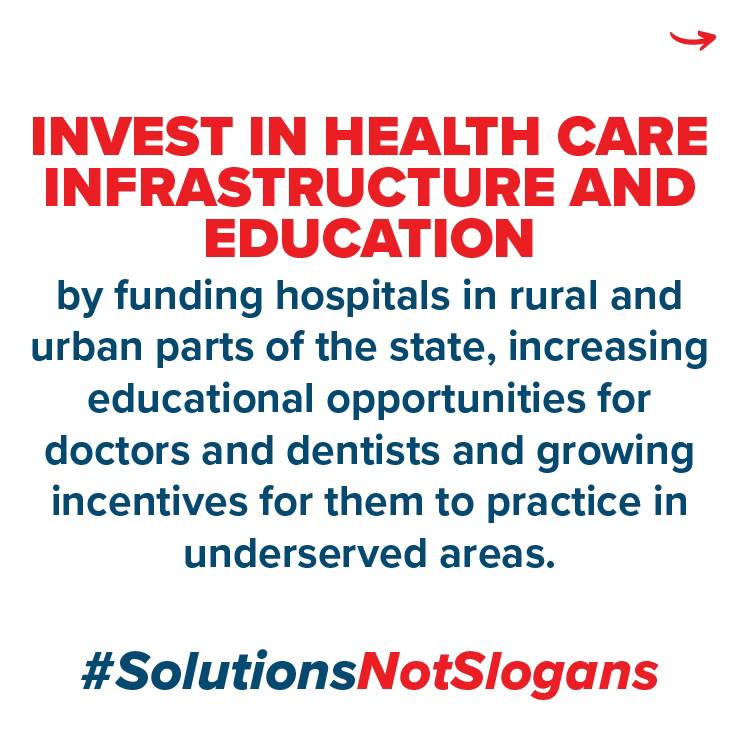
Our list includes
- prioritizing investments in health care infrastructure and education by properly funding Oklahoma hospitals, both rural and urban,
- increasing educational opportunities for doctors and dentists, and
- growing incentives for them to practice in Oklahoma’s underserved communities.
You simply can’t make a state healthier by undercutting its essential health care workforce, facilities, and resources.
Preventive Health Care Funding Cuts
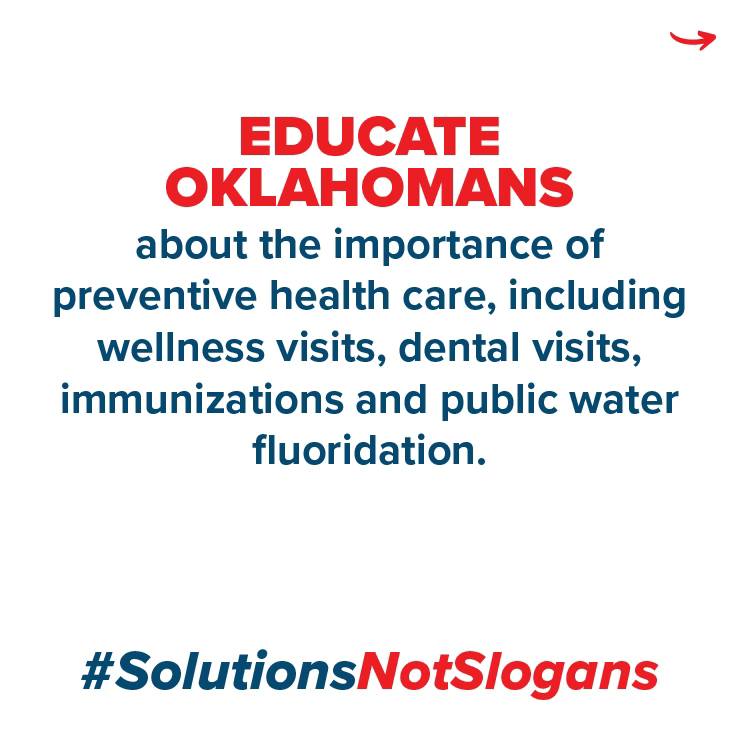
Evidence-based preventive health care is also critical. Routine wellness visits, dental cleanings, immunizations, and continued fluoridation of public water are cost-effective, scientifically-proven tools for improving health and reducing healthcare costs.
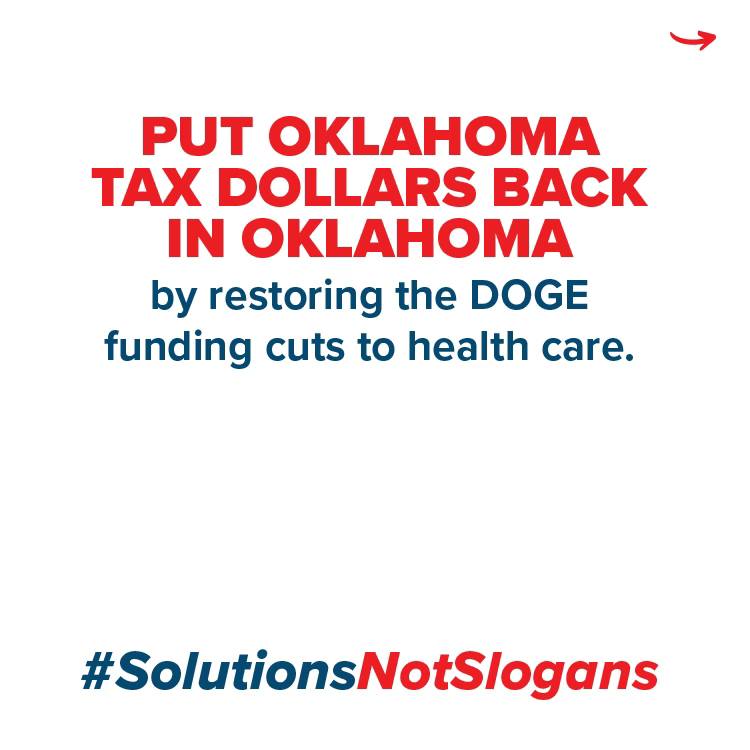
The recent DOGE-OK cuts took funding out of Oklahoma’s hands and sent it elsewhere, weakening our resources to care for our own citizens. DOGE-OK slashed $15 million in “wasteful” immunization funding while we battle new cases of measles and tuberculosis, coupled with the lowest immunization rates in years.
(Note: In the United States, tuberculosis vaccination is not recommended routinely.)
We support putting Oklahoma tax dollars back in Oklahoma by restoring the funding cuts to health care.
Insurance Hurdles and Cuts
Our current health care process is burdened by a cumbersome insurance review process, leading to delays and denial of care recommended by a doctor or dentist. These practices intend to save corporations money, but patients pay the price with their wallets, health, and in some instances, their lives.
Legislation that promotes prior authorization reform and provides legal protection for those negatively affected by claims delayed or denied in bad faith would help.
Medicaid is critical to Oklahoma’s health care system, serving as the foundation of care for more than 900,000 Oklahomans, including low-income veterans, pregnant women, children, and people with disabilities. Cuts to Medicaid aren’t the answer and will simply shift the burden elsewhere, putting further strains on hospitals, physicians, and taxpayers.
How to Make Oklahomans Healthy
The problems we face, such as declining immunization rates and high occurrences of preventable diseases, will not be fixed by scapegoating fluoride. This is simply a distraction from the actual work that needs to be done.
While we can find common ground on issues like promoting exercise and proper nutrition, we must make these things affordable and accessible to everyone by investing in public health and food programs, rather than cutting those essential lifelines.
Oklahoma doesn’t need slogans borrowed from Washington. We need policies rooted in science, not conspiracy. If we’re serious about making Oklahomans healthy, we have to stop performing for the cameras and start listening to the experts.
Oklahoma Voice is part of States Newsroom, a nonprofit news network supported by grants and a coalition of donors as a 501c(3) public charity. Oklahoma Voice maintains editorial independence. Contact Editor Janelle Stecklein for questions: info@oklahomavoice.com.
What patients can do to make their communities healthy
I agree with Dr. D’Souza that health recommendations and public policy should start with health and medical science. Many government and private agencies and organizations release evidence-based medical practice guidelines.
I also think our communities should support what residents believe is vital for their families’ health. What is important to you? What will help you achieve and maintain health?
I suggest you start by answering these questions and discussing them with your primary care physician.
What does health mean to me?
What do I need to be physically, mentally, and emotionally well?
What do I need and want from my community to help me create a healthy lifestyle?
Knowing the answer to these questions will help you evaluate the public policy and public health decisions created by your local, state, and federal governments. Ideally, health decisions should be based on science, need, and patient preference, not political ideology.
Exercise your right to express your opinions to your elected and appointed officials and never miss the opportunity to vote.
KFF Health News
KFF Health News is a national newsroom that produces in-depth journalism about health issues.
KFF is an endowed nonprofit organization providing information on health issues to the nation. KFF Health News reports on how the health care system — hospitals, doctors, nurses, insurers, governments, consumers — works.
In addition to its website, its stories are published by news organizations nation wide. The site also features daily summaries of major health care news.
Here is a link to a recent KFF report about Secretary Kennedy, HHS, and the $6.3 trillion global wellness industry.
Vested Interests. Influence Muscle. At RFK Jr.’s HHS, It’s Not Pharma. It’s Wellness.
Images in this Post
The graphics in this post were created by the Oklahoma State Medical Association for public use.
The cover image of this post was created by JetPackAI available with WordPress.
Exploring the HEART of Health
I’d love for you to follow this blog. I share information and inspiration to help you transform challenges into opportunities for learning and growth.
Add your name to the subscribe box to be notified of new posts by email. Click the link to read the post and browse other content. It’s that simple. No spam.
I enjoy seeing who is new to Watercress Words. When you subscribe, I will visit your blog or website. Thanks and see you next time.
Use this search box for related posts on this blog or other topics of interest to you.
Dr. Aletha
- About Dr. Aletha
- How to Use this Site
- Make Your Life Easier
- Search by Category
- Share the HEART of health
- my Reader Rewards Club
- RoboForm Password Manager
Use these links to share the heart of health wherever you connect.


 watercress words by Dr Aletha
Oh, yes, Indiana is going to be healthy again. Our millionaire (if not billionaire) governor welcomed the laughable HHS to be there as he signed into effect several executive orders. Indiana used to be more a blue state but is firmly red now. It’s reflected in so much. I’ve tried calling my representatives, both local and national, to no avail. They have their own agendas (to get re-elected), and, honestly, could care less about the health of their constituents. If they really want to make a difference, let’s teach the undereducated about good nutrition and how to create nutritious meals with less expensive ingredients. Common sense, right? Instead, we focus on the food dyes and fluoride. I truly fear what will happen if this party remains in power beyond 2028.
https://marshainthemiddle.com/
LikeLiked by 1 person