My husband and I have almost lost count of the number of friends and family who have been diagnosed with cancer in the last few years. You may be able to say the same.
Some of them are doing well after grueling treatment regimens that sapped their strength and their hair. For some of them, we have celebrated their life with their loved ones at poignant memorial services.
Cancer touches all of us in some way. Whether it’s our own health or a family member, cancer robs us of time, freedom, peace of mind, and money. Cancer costs our society in terms of increasing insurance premiums, funding needed for research, and lost productivity.
Right now our best defense against cancer is prevention. We should all know the risk factors, especially those that pertain to us. We are learning that genetics contributes to many cases.
But lifestyle still remains the biggest variable that we can potentially control. Use of and exposure to tobacco, alcohol, ultraviolet light, workplace toxins, and diet should be targets in our cancer prevention efforts.
Cancer also takes an emotional and mental toll on those affected and their families. This article I am sharing from Iowa Public Radio via KFF Health News puts faces on this aspect of cancer,
More Americans Are Surviving Cancer. But the Mental Health Challenges Can Persist.
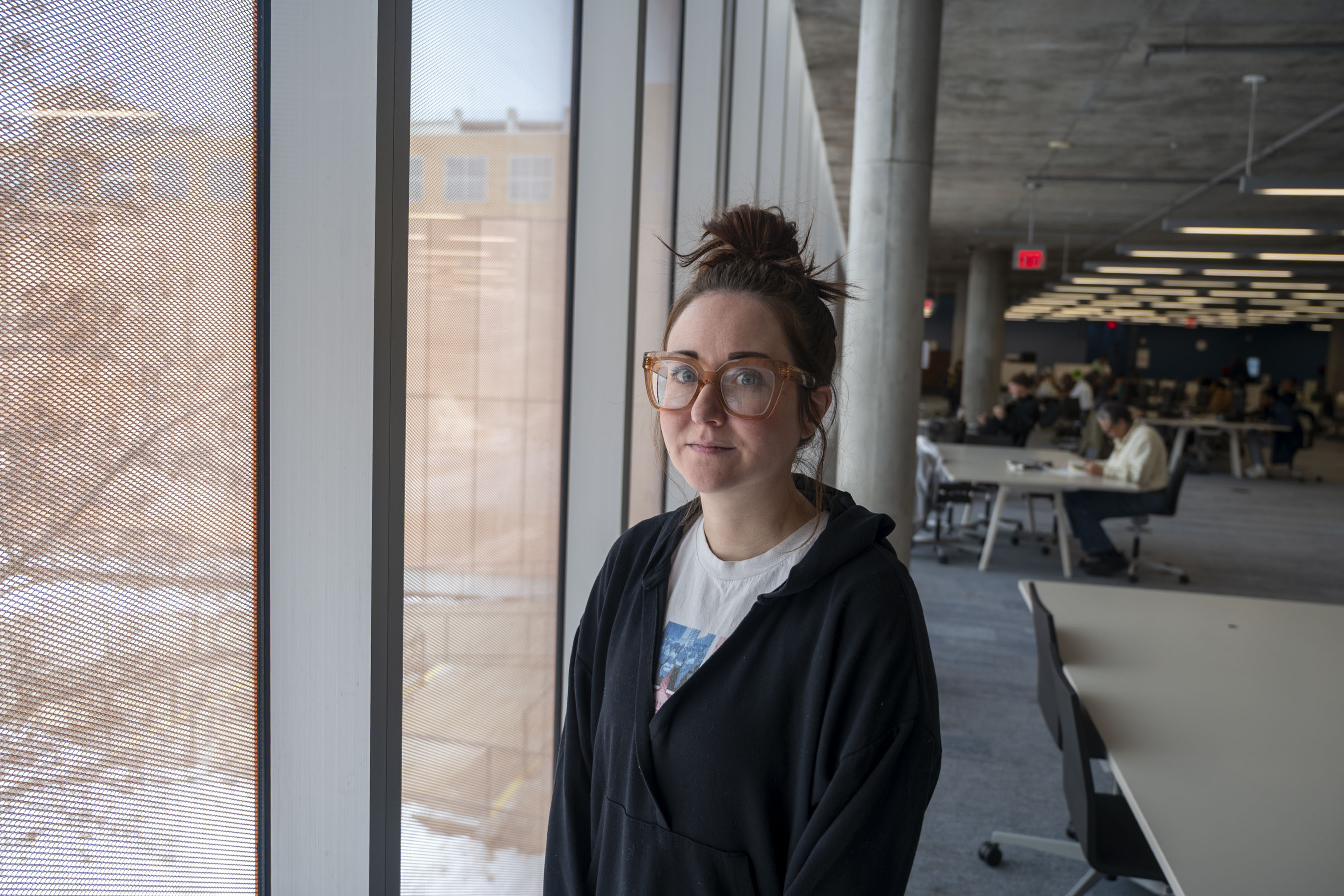
The cancer diagnosis came as a shock, disrupting Morgan Newman’s plans for launching her life. It was 2015, and she was working as a dental assistant in Des Moines, Iowa, while studying to become a social worker.
After an abnormal result on her Pap smear, her doctor brought her back in to check the tissue for signs of cancer. Newman wasn’t that concerned at first. She was only 24 years old.
“I didn’t think anything of it,” she said. Friends had received abnormal results, she recalled, “and they turned out to be OK.”
But during the follow-up examination, she started bleeding so heavily that the doctor stopped the exam and immediately referred her to a gynecologic oncologist. Newman soon learned she had cervical cancer. She had just moved into her own apartment for the first time.
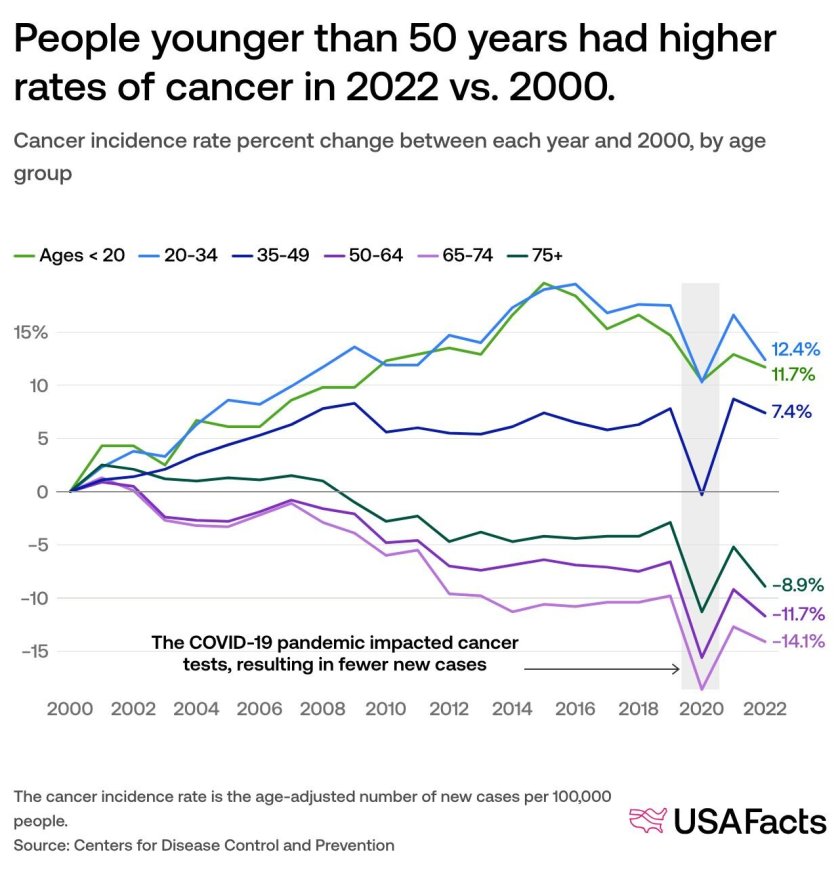
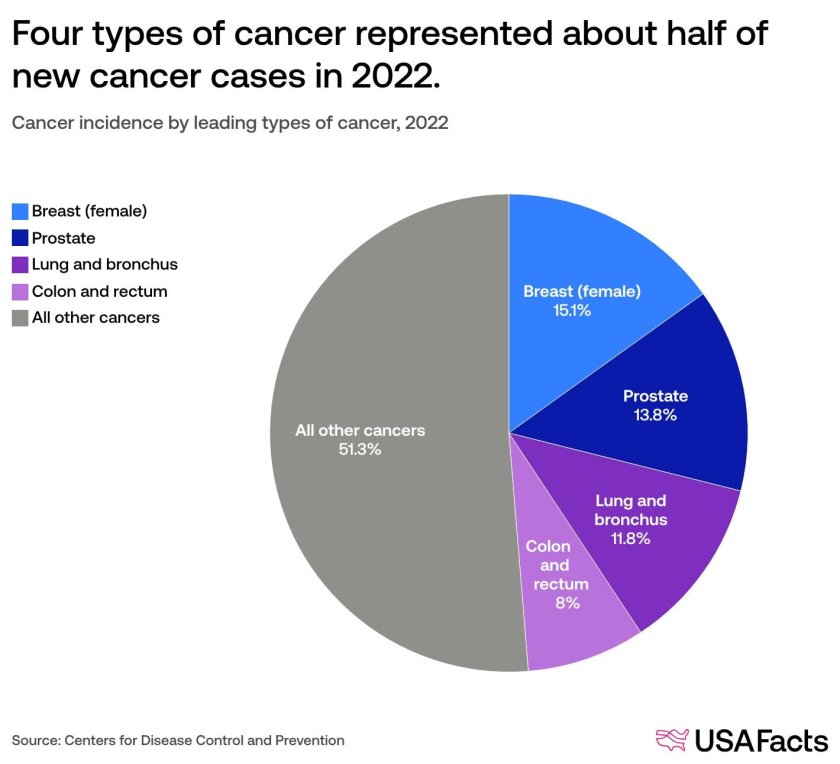
An increasing number of Americans are getting — and surviving — cancer. There were more than 18 million cancer survivors in the U.S. in 2025, and the National Cancer Institute estimates that number will grow to 22 million by 2035. But long after completing treatment, many survivors face lingering mental health challenges that go unaddressed.
Newman underwent six weeks of radiation and chemotherapy. Her scans after that were clear until the six-month mark, when her doctors found suspicious nodules in her lungs.
Newman endured additional chemotherapy, which had more side effects. It was physically exhausting. But she was also struggling psychologically as she watched her friends hit significant adult milestones.
“My friends were getting married, they were having children, you know, progressing in their lives and their careers, and I just felt stuck,” she said.
Newman had done therapy before, for anxiety and depression. But after she got sick, she had to quit. Therapy was too expensive now that she had her other medical bills. And amid the doctor appointments, college courses, and her full-time job, she didn’t have the time.
Newman’s cancer treatment ended, and the scans remained clear. By 2017, she had a new job with better health benefits. So she decided she could go back to therapy.
She worried that every ache and pain could be the cancer coming back. At times, it was emotionally difficult to spend time with her friends who had kids, because the radiation treatment had damaged her reproductive system, leaving her unable to have her own children.
Now, almost 10 years later, Newman remains free of cancer, and cancer prevention has become her passion. She started a new job in December as the Iowa grassroots manager for the lobbying arm of the American Cancer Society, and she has served on the boards of other cancer organizations in Iowa.
But she continues to go to therapy to deal with the lingering anxiety, as well as the lingering effects of her treatment, such as her infertility.
“The fear of the unknown really takes over and can physically impact your body, as well as your mind,” she said. That question kept circling: “What if the cancer is back?”
Cancer’s ‘Silent’ Impacts
Studies show cancer survivors experience anxiety and depression that can last years after they finish treatment.
The advocacy group Cancer Nation surveyed patients nationwide last year. It found that about a third of those who had finished treatment reported anxiety about their cancer potentially coming back, as well as problems with not feeling like their “old self.” Only 1 in 5 of the surveyed survivors reported seeing a mental health professional.
Finding therapists who understand how cancer can affect people physically and emotionally can be a challenge, especially in states like Iowa. According to the Iowa Cancer Registry, the number of Iowans living five years after their diagnosis has increased about 0.4% each year since 2000, and the state has the second-highest rate of new cancer diagnoses. Researchers aren’t sure why, but the University of Iowa scientists who run the registry are taking a deep dive into the issue in a two-year, state-funded project.
Iowa is also largely rural. Some of the counties that have the highest cancer rates also have the fewest mental health workers. Newman went through several therapists before she was able to get an appointment with Julie Larson, a Des Moines-based therapist who works with a lot of cancer survivors.
“I just felt like I needed something more specific to what I was going through,” Newman said.
In Larson’s practice, it’s common for clients like Newman to start therapy months or even a year after finishing treatment, when they realize they aren’t feeling how they expected to feel.
“Physically, people’s bodies have changed,” Larson said. “And they are reconciling loss and grief. And those experiences are a little bit more silent, a little more invisible, and friends and family don’t often fully understand or grasp that.”
Larson said cancer survivors often seek her out because she understands cancer and the different forms of treatment people may have experienced.
“I’m not a doctor, but I’ve done this a long time. So I know what happens when people have Adriamycin. I know the treatment protocol for carboplatin,” she said, citing chemotherapy drugs.
Oncology and Mental Health
When it comes to treating cancer, the field of oncology often neglects mental health, said Patricia Ganz, an oncologist and professor at the UCLA School of Public Health who has spent decades doing research on cancer survivors and their lingering challenges.
“We know how to give pills. We know how to give pain medicine, sleep medicines. But we’re not really schooled in the antidepressants,” she said.
There’s an increasing awareness about the need to screen for psychological distress in cancer patients and the need to provide mental health services for cancer patients and survivors, Ganz said, but expert-recommended screenings and referrals don’t always happen to the extent they should.
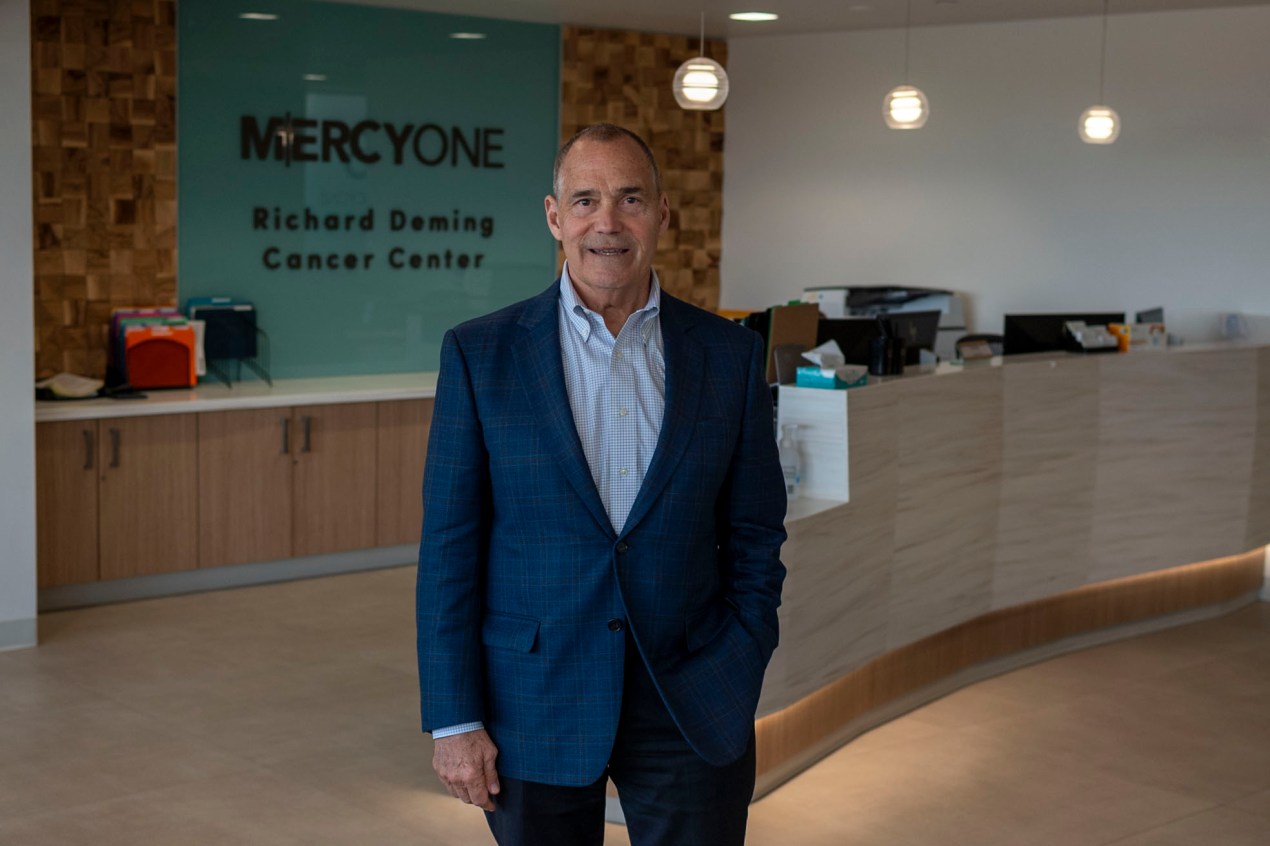
The MercyOne Richard Deming Cancer Center in Des Moines has started offering services such as counseling, music therapy, and mindfulness sessions to reduce stress for those in and out of treatment.
“You get cared for intensely when you’re getting treated for cancer,” By contrast, when people complete treatment, the care typically shifts: “It’s almost like, ‘You should feel fortunate that you’re cancer-free and just get on with your life.’”
Richard Deming
To treat cancer comprehensively, Deming said, doctors need to pay attention to far more than just physical symptoms. That requires a shift in the way doctors treat patients, he said.
“Every step along the way, whether it’s through diagnosis or treatment or follow-up, we have to ask, ‘What are the issues you’re experiencing?’” Deming said. “Not just: ‘Do you have cancer? Did we get rid of the cancer?’”
This article is from a partnership that includes Iowa Public Radio, NPR, and KFF Health News.
KFF Health News is a national newsroom that produces in-depth journalism about health issues and is one of the core operating programs at KFF—an independent source of health policy research, polling, and journalism. Learn more about KFF.
This article first appeared on KFF Health News and is republished here under a Creative Commons Attribution-NonCommercial-NoDerivatives 4.0 International License.
After You Hear It’s Cancer-a book review
“After You Hear It’s Cancer” by Dr. Lori Leifer and John Leifer offers a comprehensive guide for navigating cancer diagnosis and treatment. Drawing on personal experiences, the authors provide practical advice on various stages of cancer care, including diagnosis, treatment, and post-treatment challenges, along with resources for support and advocacy.
Keep readingPoints to Ponder
How has cancer touched your life in the past year? What did you learn from the experience? Did it prompt any changes in how you approach your own health?
What more information do you need about protecting yourself from cancer?
There is plentiful “advice” on line about cancer prevention and cures. But your best souce of counsel is still a physician who knows you. Seek advice from that person who has invested time, money, and thought into knowing the most about you and how best to help you.
Learn more about the cover photo at this link.

Celebrating Life after Cancer
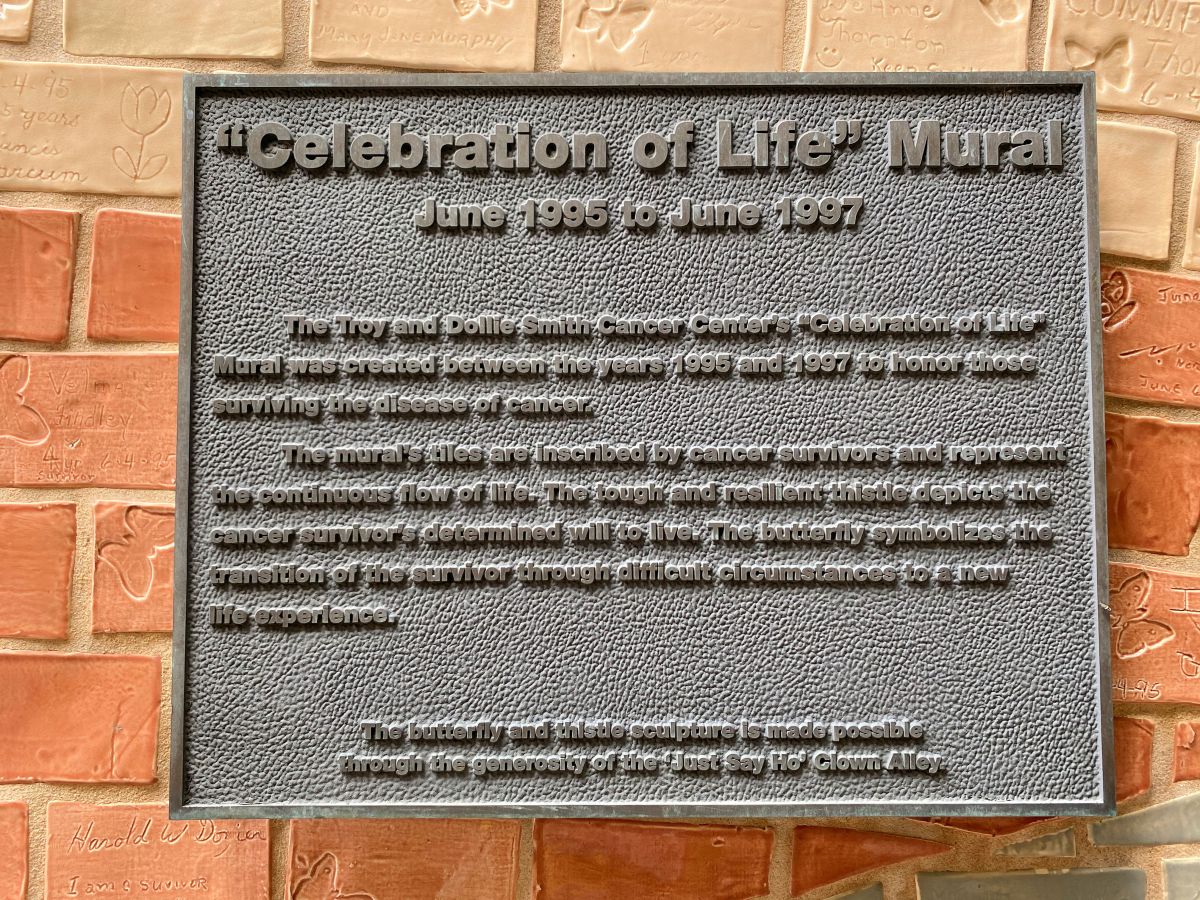
Celebration of Life Mural-The mural was created to honor those surviving the disease of cancer. The mural’s tiles are inscribed by cancer survivors and represent the continuous flow of life.
Keep readingExploring the HEART of Health
I appreciate your time reading this post and invite you to follow this blog and me on social media.
I share information and inspiration to help you transform challenges into opportunities for learning and growth.
Add your name to the subscribe box to be notified of new posts by email. Click the link to read the post and browse other content. It’s that simple. No spam.
I enjoy seeing who is new to Watercress Words. When you subscribe, I will visit your blog or website. Thanks and see you next time.
Dr. Aletha
- About Dr. Aletha
- How to Use this Site
- Make Your Life Easier
- Search by Category
- Share the HEART of health
- my Reader Rewards Club
- RoboForm Password Manager













 watercress words by Dr Aletha