I’ve been reading what some other physician bloggers are writing about the COVID-19 pandemic. Here I share some of them with you. While I believe they are all reliable and honest sources of information, my sharing does not imply endorsement,complete agreement, or advice. This is a topic in which information changes daily if not more often, so all information is subject to change. Always consult the CDC and your state and local health departments for the most recent information that pertains to you.
What to do if you think you have COVID-19
Dr. Linda, a family doctor, explains what to do and what not to do if you think you have caught the coronavirus.
Don’t Panic. The majority of patients will get better without any treatment. I’ve seen many patients, even among those with no symptoms, with very high levels of anxiety. When we turn on the TV these days, it’s all about COVID-19. Remember that the news always shows the worst case scenarios. If watching it makes you more fearful, switch it off. You still need to get updates but limit your exposure to all the negativity aimed at you. Maybe, just check your state’s department of health sites to know what you need to be aware of.
Don’t Go to the ER Because You Think You Have COVID-19

A COVID-19 Overview
Dr. Andrew Weil, well known as an integrative medicine proponent, wrote this overview of what we know about the coronavirus. He also offers his recommendations for vitamins and supplements that might be safe to take during the pandemic (although not known to prevent or treat the infection) and what substances you should avoid. I reviewed one of Dr. Weil’s books at this link.
Dr. Weil considers the following natural immune stimulating and antiviral agents as likely safe to take before and during a COVID-19 virus infection. However, we don’t know for sure whether any of them will affect the symptoms or severity of the infection.
Perhaps one of the greatest lessons we are learning from this pandemic is our need for social connection and community. Perhaps we can ask ourselves, what does it mean to build real community in care communities?
Sonja Barsness , Changing Aging.org
If you are depressed and thinking about or planning suicide, please stop and call this number now-988
cover photo
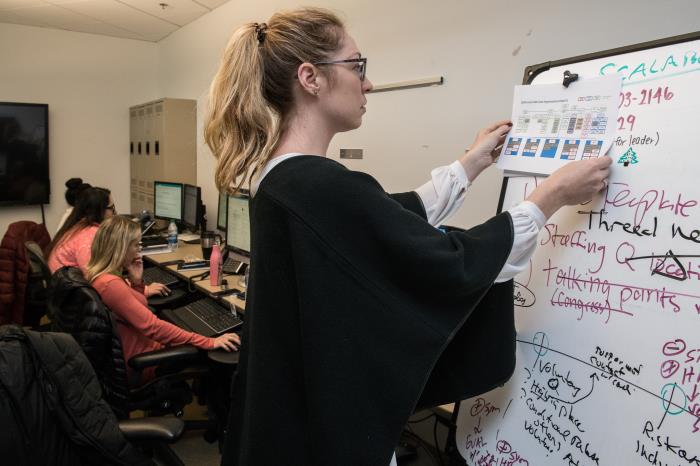
Centers for Disease Control and Prevention (CDC) activated its Emergency Operations Center (EOC) to coordinate with the World Health Organization (WHO), federal, state and local public health partners, and clinicians in response to the coronavirus disease 2019 (COVID-19) outbreak. CDC is closely monitoring the situation and working 24/7 to provide updates.
credit: CDC/James Gathany-public domain
exploring the HEART of health in a pandemic
I shared other COVID-19 blogs in another post . I hope you check out other posts from these physician bloggers.
Dr. Aletha






 watercress words by Dr Aletha