to loose the chains of injustice and untie the cords of the yoke,to set the oppressed free and break every yoke?
Is it not to share your food with the hungry and to provide the poor wanderer with shelter— when you see the naked, to clothe them, and not to turn away from your own flesh and blood?
“If you do away with the yoke of oppression, with the pointing finger and malicious talk, and if you spend yourselves in behalf of the hungry and satisfy the needs of the oppressed,
then your light will rise in the darkness, and your night will become like the noonday.”
“Usually we think of fasting as avoiding food for the purpose to prayer. The emptiness of our stomachs reminds us to pray. Isaiah 58 speaks of a fasting God may honor most of all.
What is God proposing that we fast from?
What do we have to give up or fast from to reach out to the oppressed?
Whatever our answer, we know if we pour out our lives to satisfy the needs of the oppressed, God will be faithful to satisfy our needs.”
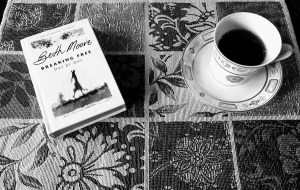
This is a daily devotional book I am reading through this year. The daily entries are short and easy to read; an inspirational way to start or end my day.
And have a cup of tea with me.
Thank you for considering these affiliate links that support this blog.
Weekend Words-
sharing words of faith, hope, and love
(1Corinthians 13:13)
Use these links to share the heart of health wherever you connect.
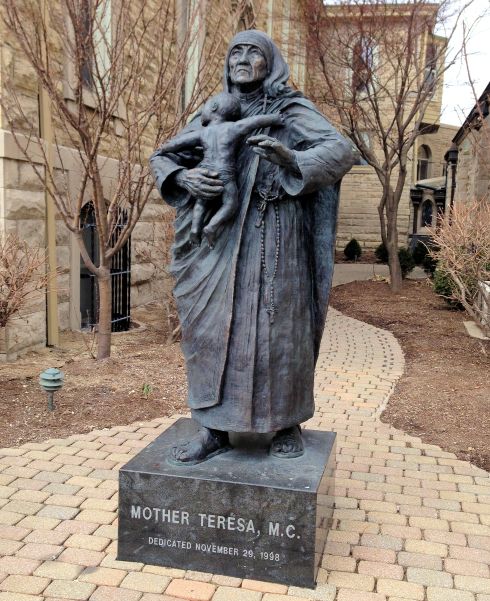
Although she was not medically trained, people remember Mother Teresa for her compassion and care for sick and suffering people. I had an unexpected chance “encounter” with Mother Teresa .
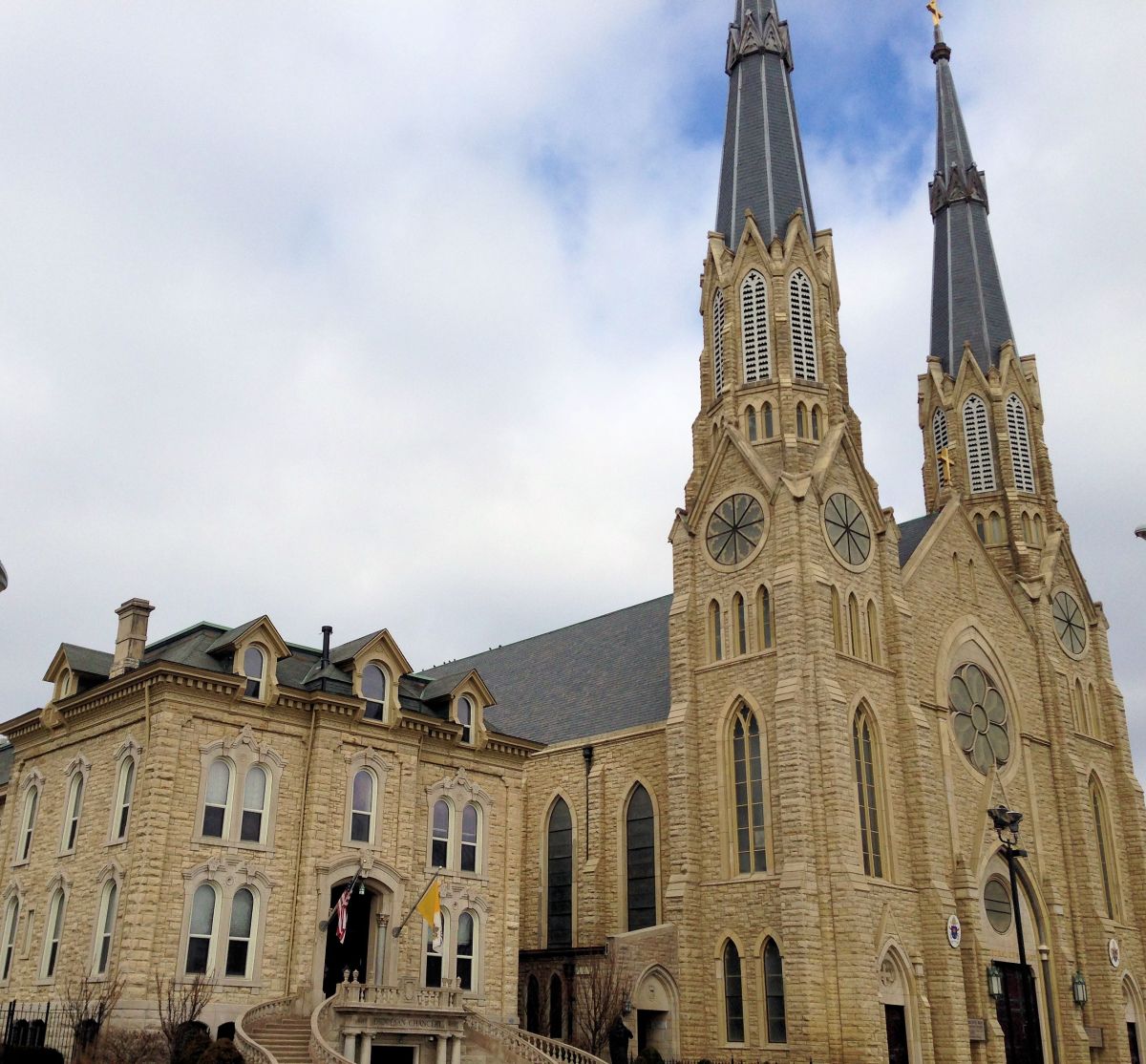
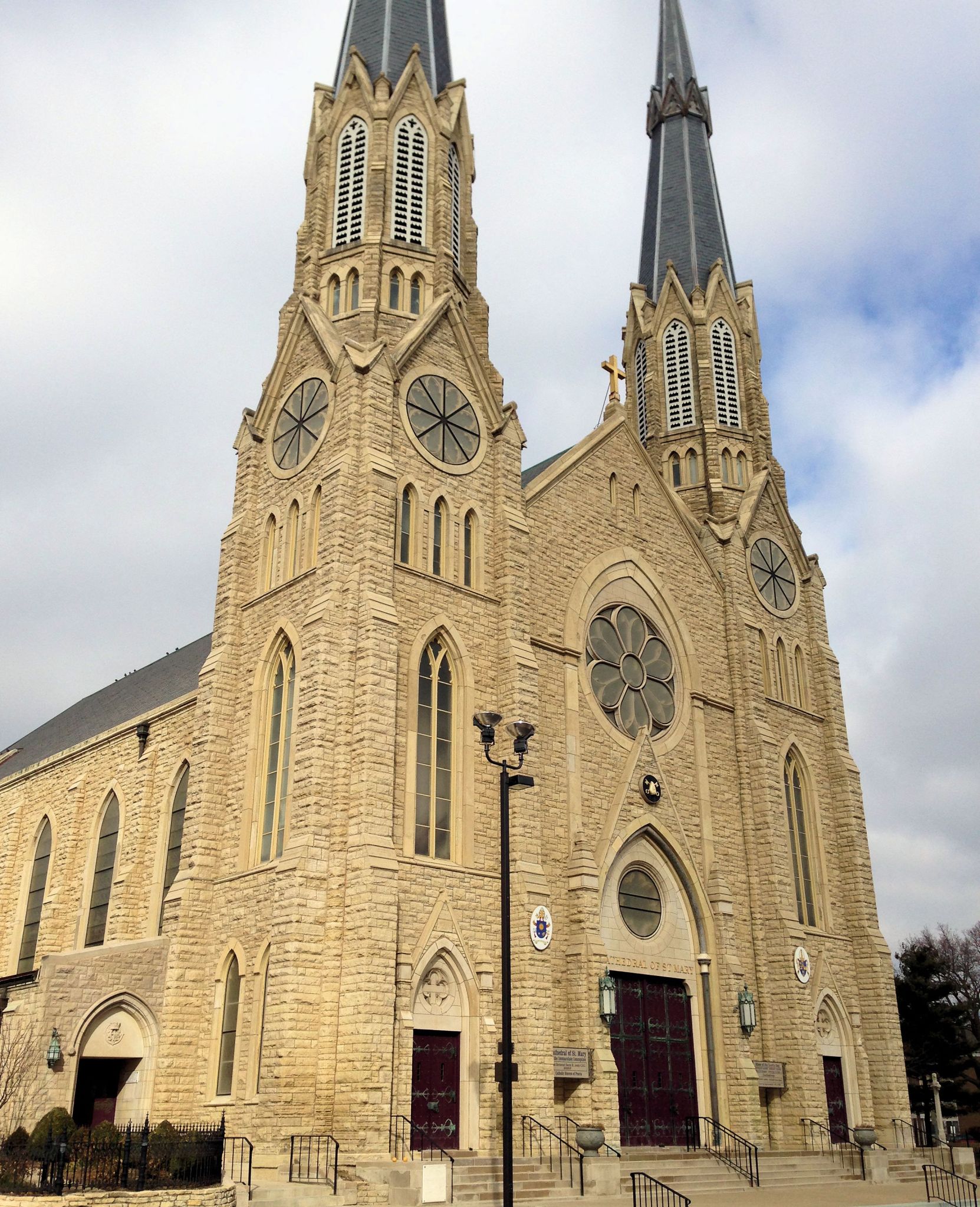
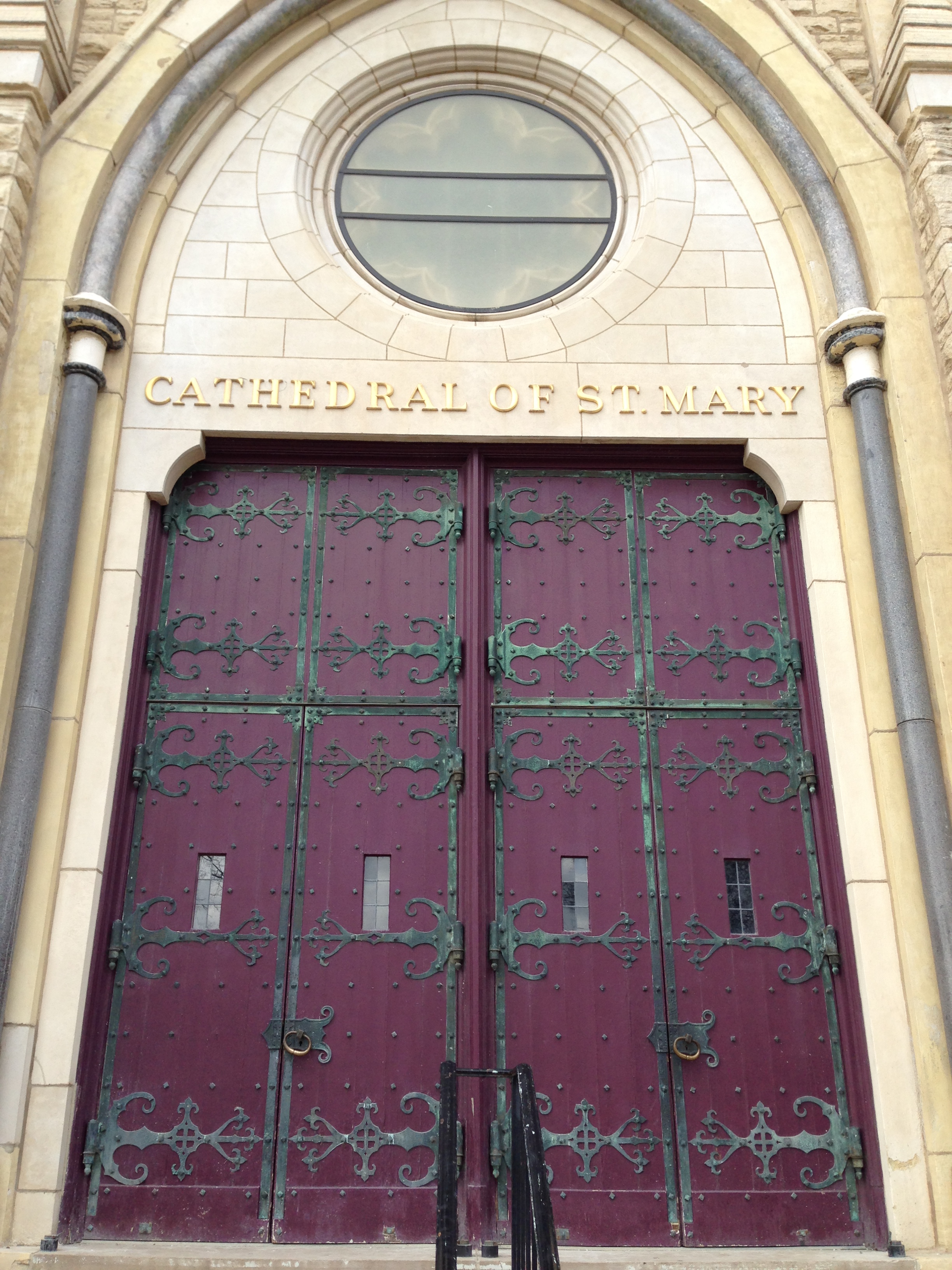
A few years ago I went to Peoria Illinois for medical training for a new job. I had never been there before so one afternoon I did some exploring.
I stoppedto get a better look and while exploring the grounds found this statue of Mother Teresa.
Who was Mother Teresa?
Catholic nun and missionary Mother Teresa was born on August 26, 1910, in Skopje, the current capital of the Republic of Macedonia. She was baptized as Agnes Gonxha Bojaxhiu. Her father died suddenly and under mysterious circumstances when she was only 8 years old. Her mother taught her to care about all people, especially the destitute, although they were far from well off themselves.
She felt a call to religious life as a young girl, and after becoming a nun, Sister Teresa first worked as a teacher. Later, she felt a second call, this time to work among the poor and sick in Calcutta India. Now known as Mother Teresa, it took her a year to get permission to leave the convent for the slums of Calcutta.
With some of her former students, she founded the Missionaries of Charity. Their projects included founding a leper colony, an orphanage, a nursing home, a family clinic and a string of mobile health clinics. She also opened Gift of Love, a home to care for those infected with HIV/AIDS.
For her work, Mother Teresa was awarded many honors and awards, including the 1979 Nobel Peace Prize in recognition of her work “in bringing help to suffering humanity.”
Despite her acclaim, Mother Teresa remained modest and humble. After her death, some of her private writings became public, revealing she often doubted her faith and felt lost and alone. Although people criticized her for this, others see it as a reflection of her true faith in God, remaining devout even when she didn’t feel certain, something many of us can understand.
She died in September 1997 and was beatified in October 2003. In December 2015, Pope Francis recognized a second miracle attributed to Mother Teresa, clearing the way for her to be canonized as a saint in 2016. (source biography.com)
I was curious about why this church in Illinois had a statue of Mother Teresa. I learned Mother Teresa visited Peoria twice because some nuns from the Missionaries of Charity worked there at St. Mary’s. On one occasion she spoke to a group of women saying,
“I am a poor woman that prays.”
A local artist, Lonnie Stewart, travelled to India to sketch Mother Teresa, then completed the 6 foot tall statue of her, unveiling it at the church in 1998.
God has not called us to be successful, but to be helpful.”
The inspirational portrayal of Mother Teresa, a simple nun who became one of the most significant personalities of the 20th Century. Armed with a faith that could move mountains, Mother Teresa followed her calling to help the poor, the lepers, the dying and the abandoned children in the slums of Calcutta, challenging many authorities – including the church – along the way.
(There are affiliate links in this post provided for your convenience and to allow this blog to earn a commission from sales at no extra cost to you. )










 watercress words by Dr Aletha