
The 5th most viewed post of 2017 was a book review. I think I was first attracted to this book by the title; it reminded me of one of my favorite movies, Driving Miss Daisy starring the late Jessica Tandy, Morgan Freeman, and Dan Aykroyd.
The plots are quite different but both stories are about an older woman and illustrated many of the same themes-family, friends, relationships, aging, illness, disability, and death. They both show how people do or don’t live life to the fullest.
Driving Miss Daisy was fiction but Driving Miss Norma is true, and her family keeps her story alive in this book and on social media. I’m glad so many of you read this post, and are reading it now, and I hope you will read the book.
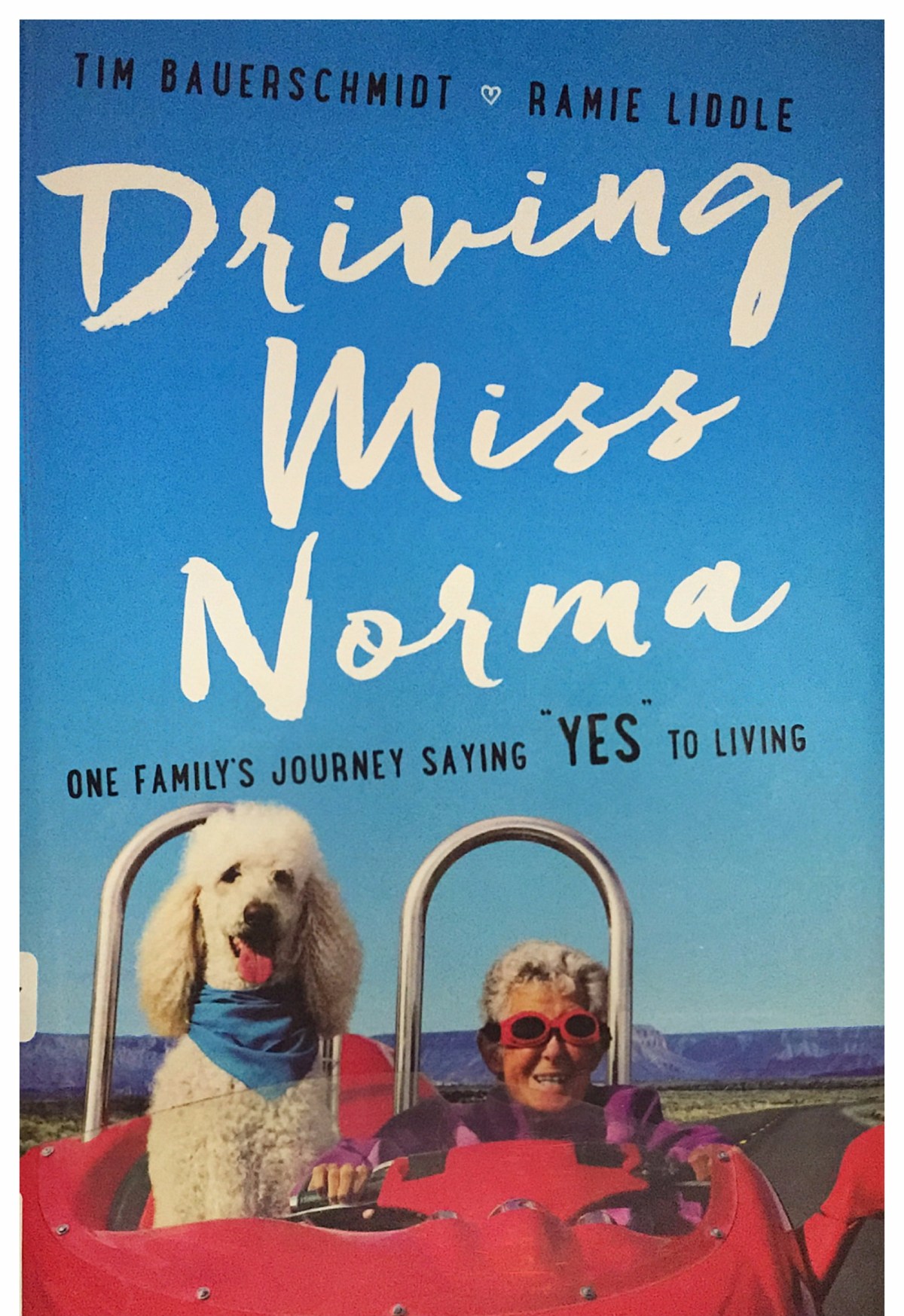
Driving Miss Norma
One Family’s Journey Saying “Yes” to Living- a memoir
By Tim Bauerschmidt and Ramie Liddle
Harper Collins, 2017
(This post contains affiliate links.)
I first learned about Norma Bauerschmidt on Facebook when a friend shared a video about her. She was a 90 year old woman who decided to spend the last months of her life “on the road” travelling with her son in a motorhome. She was diagnosed with cancer but decided to forgo treatment so she could enjoy her remaining time.
I didn’t learn more about her until I saw this book. I decided to read it, expecting a feel good entertaining read. The story turned out to be far more complex than the little I knew.
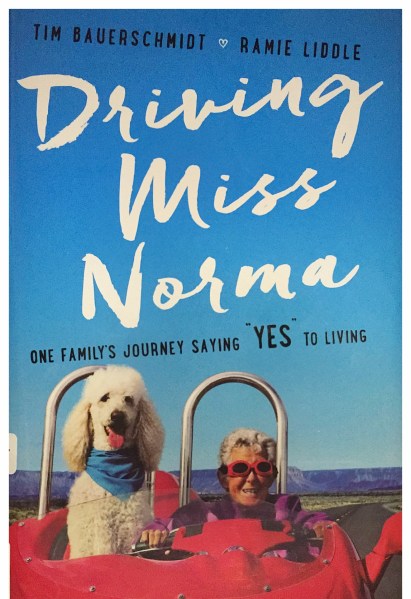
Driving Miss Norma tells the story of Norma Bauerschmidt, a WWII WAVE veteran, wife, and mother. She was still in good health at 90 years of age, until she was diagnosed with cancer.
Her doctor recommended surgery to be followed by chemotherapy, and warned her the treatment and recovery would be long and difficult. She told him no, she would rather “hit the road” with her son and daughter-in-law and enjoy her life, seeing and doing things she had not had a chance to do before. And her doctor agreed, saying that is just what he would do.
Tim, her son, and Ramie, his wife, had already been living a nomadic life, travelling the country with their standard poodle Ringo in an Airstream
By the time they completed arrangements for Norma to join them, she was already frail, and as her illness progressed she needed even more attention and care. Tim and Ramie soon realized that this might be more difficult and complex than they imagined.
In the book, co-written by Tim and Ramie, they tell their stories also; the mid-life challenge of caring for aging parents, making end of life decisions and plans, and coping with parents’ death and their subsequent grief. Having chosen not to have children, the role of caregivers was foreign to them, and one they had to painstakingly embrace and navigate.
By coincidence, Ramie had recently read the book Being Mortal “a critical examination of end-of-life medical care.” Until then she had not thought much about the subject. But when she finished the book
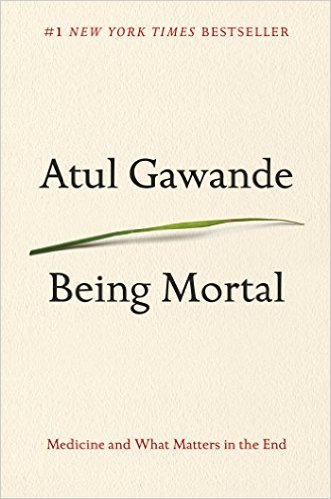
“I knew my life had changed. The way I looked at the end of life had been flipped upside down and backward. I knew now it was time to have those tough conversations.”
(I reviewed this book at this link)
As they travelled, Ramie began writing about their adventures and posting on Facebook to close friends and family. She thought that other people might also be interested so she started a Page, Driving Miss Norma. They attracted a handful of followers initially, as she expected.

But after Norma’s story was reported on the Good News Network, followed by a CBS Evening News Story , the Page began adding followers by the thousands.
The were alarmed, even fearful, of what they perceived as an intrusion on their privacy. Until now, they had deliberately avoided media in their isolated lifestyle. Then they began noticing how Norma’s story was resonating with people in a way they had not expected.
“We had suddenly and dramatically found ourselves in the middle of an international conversation about the meaning of life, illness, dying and love. We were learning on the fly how to open ourselves to holding so much raw emotion.”
Her story opened their lives to new people and situations they never imagined would happen. Rather than being a burden, Norma’s growing fame became the vehicle for them to grow closer to her, each other, and a whole new set of friends all over the country and the world.
“We had the support of people all over the world and that was breathing new energy into our days. Here were so many people pouring out their deepest fears, losses, and desires to us. They told us of their caregiving struggles. They shared with us their innermost desires- to make peace with their recently deceased father, to tell someone “I love you.”
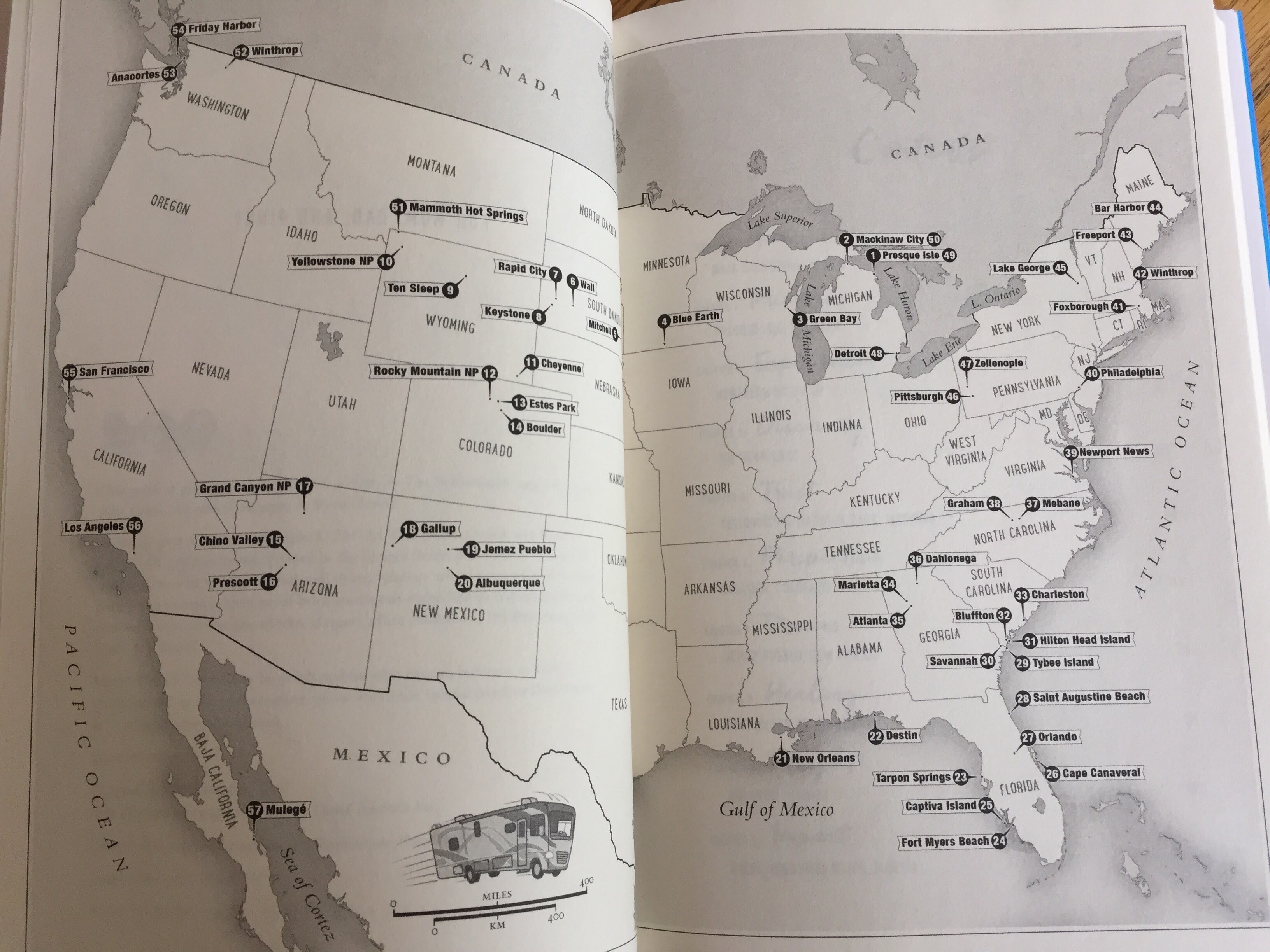
Throughout the story Tim and Ramie share about the places Norma visited (see map), people she met, from the common to famous, the foods she tried, sometimes for the first time, and activities she tried, also many for the first time, like riding a horse. They and the new friends they made shared food, fun, love, and laughter.
But they also touch on the serious issues we all deal with sooner or later- aging, frailty, complex illness, terminal illness, end of life decisions, palliative care, death, and grief. They learned some important lessons about human relationships which they illustrate beautifully in their transparent writing.
“We learned how to greet people with open minds and open hearts…the lines that separate people into different boxes-religion and politics and race and age-blurred and faded and eventually disappeared. We got to see the truth in people, including in Norma: her glow, her tenacity, her joy, and her confidence.”
Tim and Ramie wrote the book after Norma’s death. They each took turns writing different chapters, and Ramie took all the photographs that illustrate it. But in a way Norma herself wrote the book, since it was the way she faced the final months of her life that produced the lessons her family learned and share with us in this book.
Norma kept a journal during their travels and after she died Tim and Ramie, with close friends, read it, and were somewhat surprised at what she wrote. Or rather, what she didn’t write.
“She did not write about cancer or fame- the two big themes of the trip for us. She did not write about the fear of dying or illness at all. Instead, she talked about life, living, and the things that brought her happiness:a sturdy wheelchair, mama and baby goats, a good hair perm, and her trusty sidekick Ringo.”
I feel sad that Norma’s trip did not bring her though my town so I could have met her. But there will be “Normas” in my life that I will meet, and perhaps someday I will be a Norma myself. When that happens I hope I remember the lessons this book teaches.
“Joy begets joy, love begets love, peace begets peace.”
You can continue to follow Tim and Ramie on Facebook where they are still
Driving Miss Norma
2 DOCS TALK reflected on Norma’s decision to forgo cancer treatment in this podcast
Do You Want a Long Lifespan? Or a Long Healthspan?
Driving Miss Daisy was a Pulitzer Prize-winning play brought to television starring 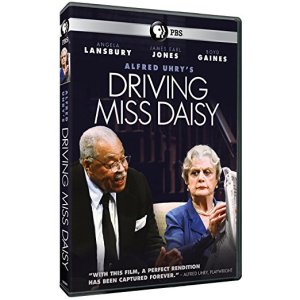
Angela Lansbury and
James Earl Jones .
Now available as a DVD or
watch online.
The Power of Meaning: Crafting a Life That Matters
by Emily Esfahani Smith
About the Author
Drs. Paul and Lucy Kalanithi reflected on their experience facing terminal illness in this review-









 watercress words by Dr Aletha