Why COVID-19 and other infections are not “just a virus”

Unless you haven’t listened to any news for the past 8 weeks, you are well aware of the “challenge” the whole world has been confronting over what some do call “just a virus”; and you know that it has caused much critical illness and death, leading to “public” and private anxiety.

View post to subscribe to site newsletter.

” In a very short period, health care and society have been severely challenged by yet another emerging virus. Preventing transmission and slowing the rate of new infections are the primary goals.

However, the concern of COVID-19 causing critical illness and death is at the core of public anxiety.”

JAMA, March 11, 2020 “Care for Critically Ill Patients with COVID-19”
“just a virus”

You’ve probably visited your doctor or your child’s doctor for an acute illness that started suddenly or over a few days. Likely the symptoms included some combination of

  • fever and/or chills
  • sore throat, runny nose, and/or sneezing
  • cough
  • joint and/or muscle aches
  • vomiting with or without diarrhea
  • rash
  • redness with or without drainage from the eyes
  • headache and a general miserable feeling
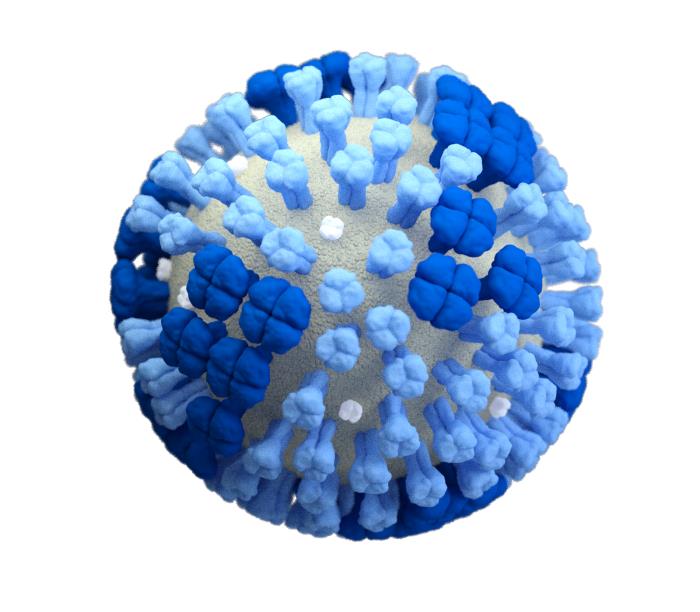
This illustration depicted a 3D computer-generated rendering of a whole influenza (flu) virus with a light grey surface membrane, set against a white background. The virus’ surface proteins, hemagglutinin (HA) and neuraminidase (NA), were depicted in light and dark blue, respectively. HA is a trimer, which is comprised of three subunits, while NA is a tetramer, which is comprised of four subunits, with a head region resembling a 4-leaf clover. CDC/ Douglas Jordan, public domain

And you were probably told that you or your child had “a virus”,or viral infection, followed by one or more of the following phrases-

  • there is no treatment but it will go away
  • the treatment will not cure it, but it will help the symptoms
  • it has to run it’s course
  • it resolves without treatment
  • you caught it from someone else
  • it is contagious
  • the symptoms will go away, but it stays in your body
  • you may get it again
  • you won’t get it again
  • there is a vaccine to prevent this
  • there is no vaccine to prevent this
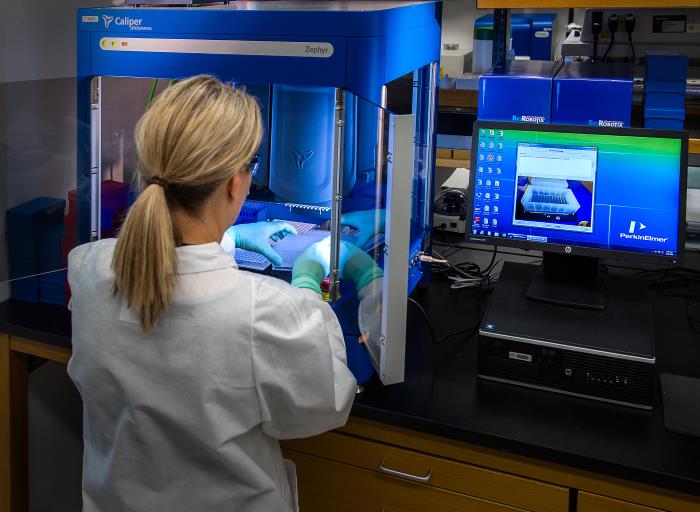
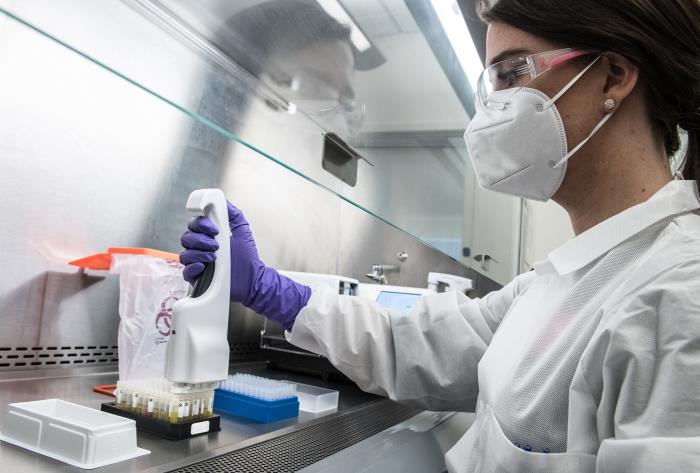
This image depicted a Centers for Disease Control and Prevention (CDC) scientist interacting with her Caliper LifeSciences’ Zephyr Molecular Biology Workstation, working with samples to be tested using a real-time PCR machine, known as a themocycler (see PHIL 22904), in order to identify the various types of poliovirus contained therein. The data from this analysis is stored in a computer, while the software further analyzes the data before being reviewed by a scientist. The themocycler can vary the temperature, which is important, for PCR requires multiple test rounds at different temperatures. In the instrument, viral RNA is copied into DNA and then the DNA is amplified. Specific probes bind to the DNA, in order to determine what type of polio present. One hundred ten labs around the world can run this assay, and can tell if an isolate contains polio, or not, and if so, what kind.CDC/ Holly Patrick, MS, MPH

And finally, you may have heard a phrase I hope you never hear, and I hope we doctors never use again-

“It’s JUST a virus.”

Why it’s never “just a virus”

The quote at the beginning of this post is from an article in the Journal of the AMA . Unless you haven’t listened to any news for the past 8 weeks, you are well aware of the “challenge” the whole world has been confronting over what some do call “just a virus”; and you know that it has caused much critical illness and death, leading to “public” and private anxiety.

But we shouldn’t have been surprised. Viruses have been around probably as long as humans have, we just didn’t know much about them until the past century or so. After all, viruses are made of genetic material DNA or RNA, like us and animals; when viral DNA/RNA invades our bodies and enters our cells, they start reproducing (replicating), causing disease. (This is a simplified explanation of what viruses do.)
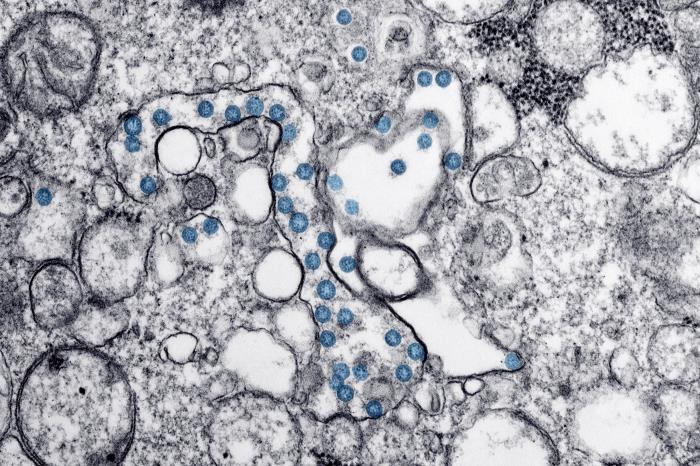
Transmission electron microscopic image of an isolate from the first U.S. case of COVID-19, formerly known as 2019-nCoV. The spherical viral particles, colorized blue, contain cross-sections through the viral genome, seen as black dots.CDC/ Hannah A Bullock; Azaibi Tamin
How do doctors know it’s a virus?

Until fairly recently, viral infections were diagnosed by typical symptoms and characteristic physical exam findings, especially fever and rash, and many are still diagnosed that way. Then laboratory scientists developed tests for some viruses, which help confirm the diagnosis , important when a treatment is available. The tests can also be used to know if someone is or is not already immune to a disease, if a vaccine is available.

So what infections are caused by viruses?

Lots of them are, but fortunately most are not nearly as serious as the novel coronavirus that causes COVID-19, or the 2 previous coronavirus outbreaks, SARS and MERS. You’re probably quite familiar with some of them. Here’s what I think is an easy to understand way to categorize them.
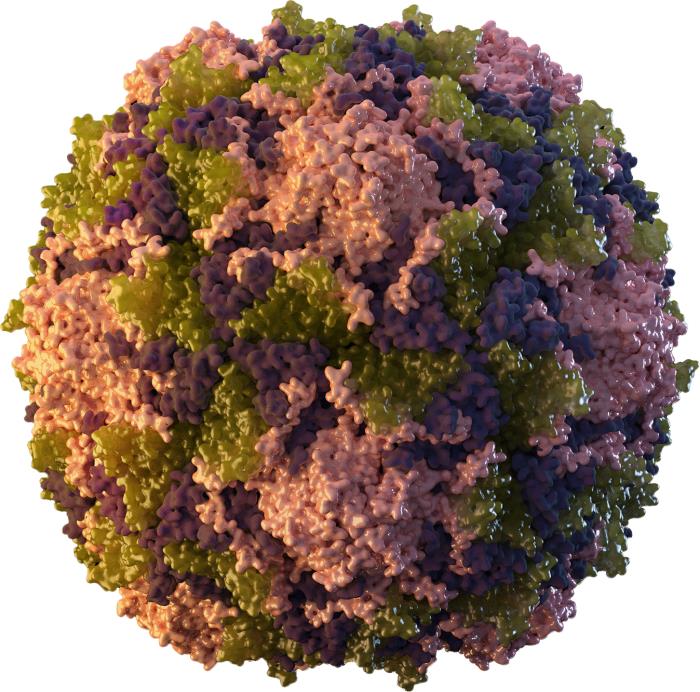
This illustration provides a 3-dimensional (3D) graphical representation of a tightly packed, icosahedral, poliovirus particle that consists of 60-copies each of capsid polypeptides, designated as pink VP1 (viral protein1), green VP2, purple VP3, and though not shown here, VP4. This particle was composed of units of four capsid polypeptides, which interact in groups of five, resulting in a viral particle that has, what is referred to as 5-fold (pentameric), and 12-fold symmetry. Note the deep canyon on the capsid’s surface surrounding the apex of each pentamer of the virus. The canyon, together with the pentamer apex, is used as the site for capsid binding to cellular receptors.CDC/ Sarah Poser

categories of viral infections

This is how they behave without previous vaccination or treatment (when available) .This is not an exhaustive list, just some of the most common. These all spread person to person.

Short duration, followed by life-long immunity
  • measles
  • mumps
  • rubella
  • polio
  • hepatitis A
Short duration, followed by short-lived immunity
  • RSV- respiratory syncytial virus
  • influenza
  • rhinovirus (common cold)
  • coronavirus
Persistent infection, life-long carrier of virus, virus inactive at times, not always passed to other people
  • HSV-herpes simplex virus
  • VZ-varicella/zoster (chicken pox-shingles)
Persistent infection, life-long carrier of virus, virus always active and can be passed to other people
  • HIV/AIDS-human immunodeficiency virus
  • Hepatitis B
  • Hepatitis C
  • HPV-human papilloma virus
Viruses that spread from animals to humans
  • Avian influenza
  • Rabies
  • West Nile virus
Viruses that spread from animals to humans-and sometimes then to other humans
  • yellow fever
  • coronavirus
  • Ebola
Centers for Disease Control and Prevention (CDC) activated its Emergency Operations Center (EOC) to assist public health partners in responding to the coronavirus disease 2019 (COVID-19) outbreak first identified in Wuhan, China.
How serious are viral infections?

How serious a viral infection is depends on how you want to define “serious”. Even a “mild” illness can be a major problem if it’s you or your family that is sick. With a mild illness, you still may feel too sick to work or go to school, which you should not do anyway, so not to transmit it to other people.

The above classification is quite simplified, a framework for looking at infections that you’ve probably heard of. They range from the common cold, with no risk of death, to HIV/AIDS and rabies, which are always fatal without treatment.

People with the short duration infections usually recover but some carry risk of progressing into life threatening respiratory events, due to RSV, influenza, and now the coronaviruses. Polio frequently left its victims paralyzed for life and measles can cause permanent deafness.

The herpes virus and VZ virus cause recurrent outbreaks of painful skin sores. . Hepatitis B and C viruses can lead to chronic liver disease and liver cancer. HPV causes benign warts but also cancer of the cervix.
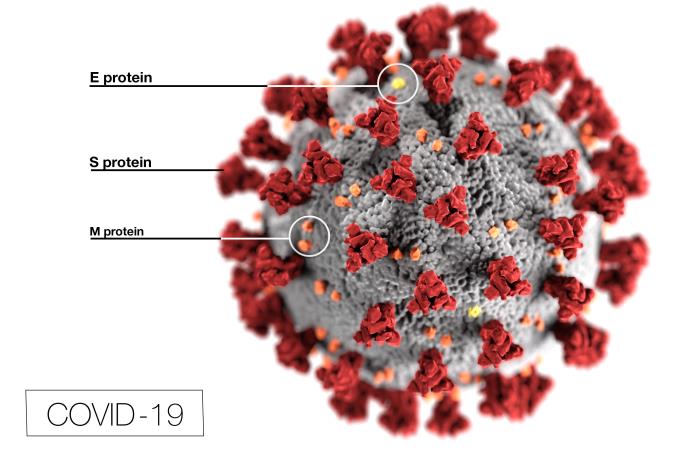
This illustration, created at the Centers for Disease Control and Prevention (CDC), reveals ultrastructural morphology exhibited by coronaviruses. Note the spikes that adorn the outer surface of the virus, which impart the look of a corona surrounding the virion, when viewed electron microscopically. In this view, the protein particles E, S, and M, also located on the outer surface of the particle, have all been labeled as well. A novel coronavirus, named Severe Acute Respiratory Syndrome coronavirus 2 (SARS-CoV-2), was identified as the cause of an outbreak of respiratory illness first detected in Wuhan, China in 2019. The illness caused by this virus has been named coronavirus disease 2019 (COVID-19).CDC/ Alissa Eckert, MS; Dan Higgins, MAMS
“the challenge of emerging virus”

I hope that we all learn from this pandemic. I hope both physicians and patients take viral infections more seriously and appreciate the complexity and challenge they represent. We share something important with them-DNA, the genetic material that creates health as well as disease. Viruses aren’t static; like us they change and adapt.

We have vaccines that can dramatically reduce our risk of getting several of these diseases and I hope more people will use them. We have a few drugs which combat these diseases; fortunately some have been life saving, like those for HIV/AIDs.

Healthy lifestyles offer protection against infections of all kinds but we frequently overlook their value. You may be tired of hearing them but they include

  • hand washing- often and thoroughly
  • cleaning and disinfecting frequently touched surfaces
  • water and sanitation facilities
  • safe food handling and cooking practices
  • wise sexual practices
  • staying home when sick
  • limiting contact with animals and preventing insect bites
  • immunization

sharing the HEART of health

For this post I reviewed sections of the textbook Fenner and White’s Medical Virology, Fifth Edition , made available online free at ScienceDirect.com specifically to help medical professionals navigate the COVID-19 challenge.

You might want to check out some less technical references at these links.

Overview of Viral Infections

Viral Infection

Except for the cover photo, the pictures in the post are from the Centers for Disease Control and Prevention website, and are in the public domain.

Dr. Aletha

Fighting disease at the CDC-from malaria to COVID-19

Since early 2020, acronyms, especially in medicine, have gained attention due to the COVID-19 outbreak. Initial reports from Johns Hopkins highlighted the need for urgent public health responses. The CDC, established to combat communicable diseases, plays a crucial role in monitoring and informing about COVID-19. Knowledge continues to evolve rapidly.

update February 11, 2025

The CDC website has moved all articles about COVID-19, SARS-CoV-2, into its archives. This post may have CDC links that are no longer active, or have moved. You may be directed to the new link at the CDC website.

Defining Disease

Since the start of 2020, you’ve probably heard and learned more acronyms than ever before. Medicine, chemistry, computer science, the military, and government use acronyms- abbreviations formed from the initial letters of words to create new words. Acronyms make it easier to write and say complicated names. But in medicine, sometimes they represent serious and dangerous diseases-

  • MI-myocardial infarction, heart attack
  • CVA-cerebrovascular accident, stroke
  • DM-diabetes mellitus
  • HIV-AIDS-human immunodeficiency virus-acquired immunodeficiency syndrome
  • SARS-CoV-sudden acute respiratory syndrome (due to coronavirus )
  • SARS-CoV-2 sudden acute respiratory syndrome(due to coronavirus 2)

SARS-CoV-2

In an online article on March 3, 2020, three physicians from Johns Hopkins School of Public Health reported a December 2019 outbreak of viral pneumonia in Wuhan China, a city of several million people, a place I had never heard of. Scientists determined they were infected with a novel (new) coronavirus which they called SARS-CoV-2, which was soon shortened to COVID-19-corona virus disease 2019. The World Health Organization, WHO, declared this a Public Health Emergency of International Concern. The authors concluded

it is clear now that COVID-19 will spread widely in the world, including in the U.S….health care and public health systems need to move quickly forward in their efforts to be ready to confront this disease around the country

Drs. Adalja, Toner, Inglesby,March 3, 2020, JAMA, The Journal of the American Medical Association
symptoms of COVID-19-fever, cough, shortness of breath

I don’t remember if I had seen that article, but I had been reading about COVID-19 on several medical websites. On March 5, 2020 I spoke at my local DARDaughters of the American Revolution-meeting as chair of the Women’s Issues Committee, which focuses on family, career, and health. By mid April when I looked back at my notes , I was stunned to realize how much had happened and how much our lives had changed in a mere 6 weeks. Here’s what I reported to the group that day.

Learning about COVID-19

Our country and the world are confronting a new and serious health challenge which just a few weeks ago we knew little about but are learning more every day- the COVID-19 disease outbreak.  This crisis presents a unique opportunity for us as citizens to watch the private and the public healthcare sectors work together to control and contain the spread of this disease.

The public health response is coordinated by President Donald Trump –POTUS-and the U.S. Department of Health and Human Services (HHS). The Secretary of Health and Human Services, Alex Azar ,serves in the President’s cabinet.

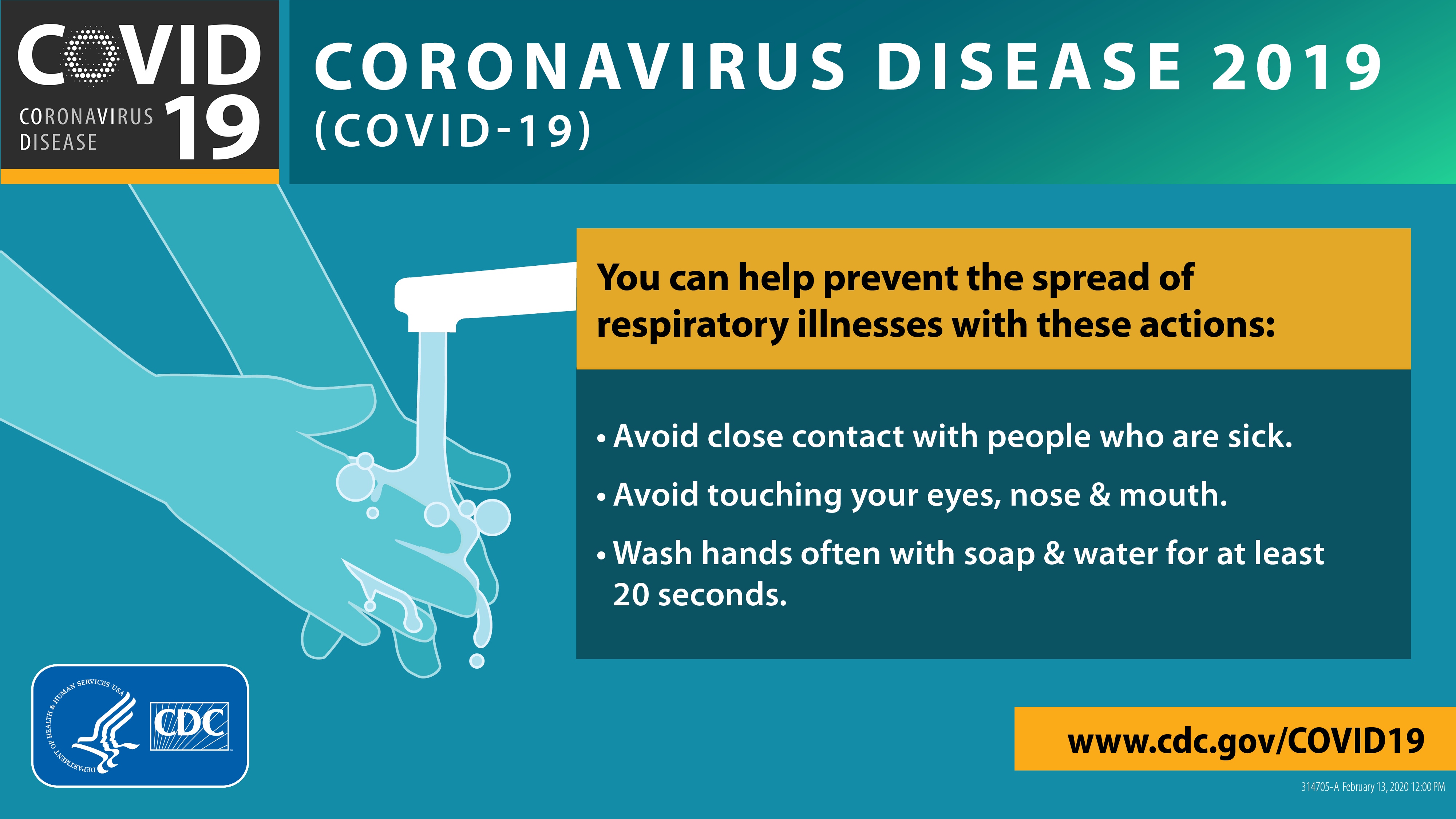
avoid contact with sick people, do not touch your eyes, nose, mouth; wash hand often

“effective Health and Human Services”

The mission of the U.S. Department of Health and Human Services (HHS) is

“to enhance and protect the health and well-being of all Americans by providing for effective health and human services and by advances in the sciences underlying medicine, public health, and social services.”

The Constitution doesn’t mention health or medical care but maybe the department’s creation was inspired by the preamble to the Constitution which pledges to “promote the general welfare.”

In terms of spending, HHS is now the largest government agency, surpassing even the Department of Defense-DoD. The 2121 budget proposal includes $94.5 billion in discretionary funds and $1.3 trillion in mandatory funding for HHS. (This was prior to the 2020 COVID-19 response.)

This HHS budget funds multiple agencies including 

  • CMS- Centers for Medicare and Medicaid
  • ACA- the Health Insurance Marketplace for the Affordable Care Act 
  • FDA-the Food and Drug Administration 
  • IHS- the Indian Health Service 
  • NIH, the National Institutes of Health, which includes the National Institute of Allergy and Infectious Disease (NIAID) directed by Dr. Anthony Fauci
  • Head Start and other services to children
  • Services to disabled and elderly people
  • Mental health and substance abuse programs 
  • USPHS- the US Public Health Service including the Surgeon General (OSG)
  • CDC-the Centers for Disease Control and Prevention 

What is the CDC ?

The CDC’s mission is

“to work 24/7 to protect America from health, safety and security threats, both foreign and in the U.S.”

The Communicable Disease Center (CDC) opened on one floor of a small building in Atlanta Georgia in 1946, with a simple yet challenging mission: prevent malaria from spreading across the nation, from the southern states, the heart of the malaria zone.

With a budget of $10 million and 400 employees, the agency acquired trucks, sprayers, and shovels to wage war on mosquitoes, whose bite transmits malaria. 

CDC Founder Dr. Joseph Mountin advocated for public health issues and for CDC to extend its responsibilities to other communicable diseases. He was a visionary public health leader with high hopes for this small and insignificant branch of the Public Health Service. 

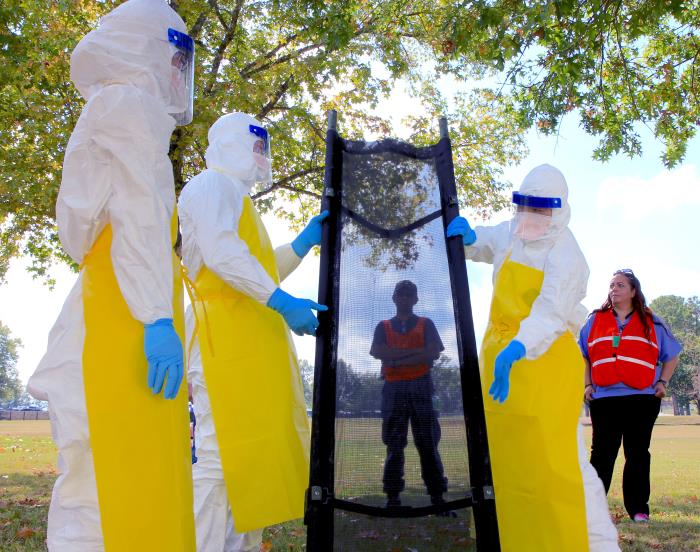
This image was created by Centers for Disease Control and Prevention (CDC) Public Health Advisor, Cleopatra Adedeji, RRT, BSRT, while the CDC’s 2014, Domestic Training Course for healthcare workers was underway. Outside the mock Ebola Treatment Unit (ETU), under the tutelage of CDC Medical Officer, Dr. Satish Pillai (center, behind gurney), and lead by Epidemic Intelligence Service (EIS) Officer, Dr. Mary Choi, this group of three students, was in the process of assembling, and properly disinfecting a transport gurney they had used in this simulated Ebola patient care scenario.
Additional Information:
The 3-day courses took place at the U.S. Federal Emergency Management Agency Center for Domestic Preparedness in Anniston, Alabama. Training participants included physicians, nurses and other providers who were to be deployed to countries affected by the Ebola epidemic, thereby, providing direct patient care. “The primary purpose of the course was to ensure that clinicians intending to provide medical care to patients with Ebola have sufficient knowledge of the disease, and its transmission routes in order to work safely and efficiently in a well-designed ETU.” CDC/ Cleopatra Adedeji, RRT, BSRT, public domain

In 1947, CDC paid Emory University $10 for 15 acres of land in Atlanta that now serves as CDC headquarters. Since then, its focus has expanded to include all communicable diseases, safety, traveler’s health, environmental health issues, prevention of chronic diseases, and to provide practical help to state health departments when requested.

The CDC and COVID-19

Since February 15, 2020, led by Director Dr. Robert Redfield, the CDC has been studying, monitoring, researching, and reporting the status of the SARS-CoV-2 virus and the disease that apparently first entered the U.S. in January 2020, COVID-19. Both the general public, healthcare professionals, and government officials depend on the agency for up-to-date and accurate information.

Knowledge about COVID-19 grows and changes daily, and what we thought was true yesterday may be far different tomorrow. I have never seen the medical community acquire and apply knowledge about a disease process so quickly in the 42 years I have been in healthcare.

Dr. Mountin and the other professionals who started out with the goal of eliminating the threat of malaria likely never imagined that their future colleagues would face such a formidable foe. The $10 spent on a plot of land in Atlanta is proving to be one of the best investments our country has made.

exploring the HEART of public health

I’d love for you to follow this blog. I share information and inspiration to help you turn health challenges into health opportunities.

Add your name to the subscribe box to be notified of new posts by email. Click the link to read the post and browse other content. It’s that simple. No spam.

I enjoy seeing who is new to Watercress Words. When you subscribe, I will visit your blog or website. Thanks and see you next time.

a world globe with two crossed bandaids

Doctor Aletha