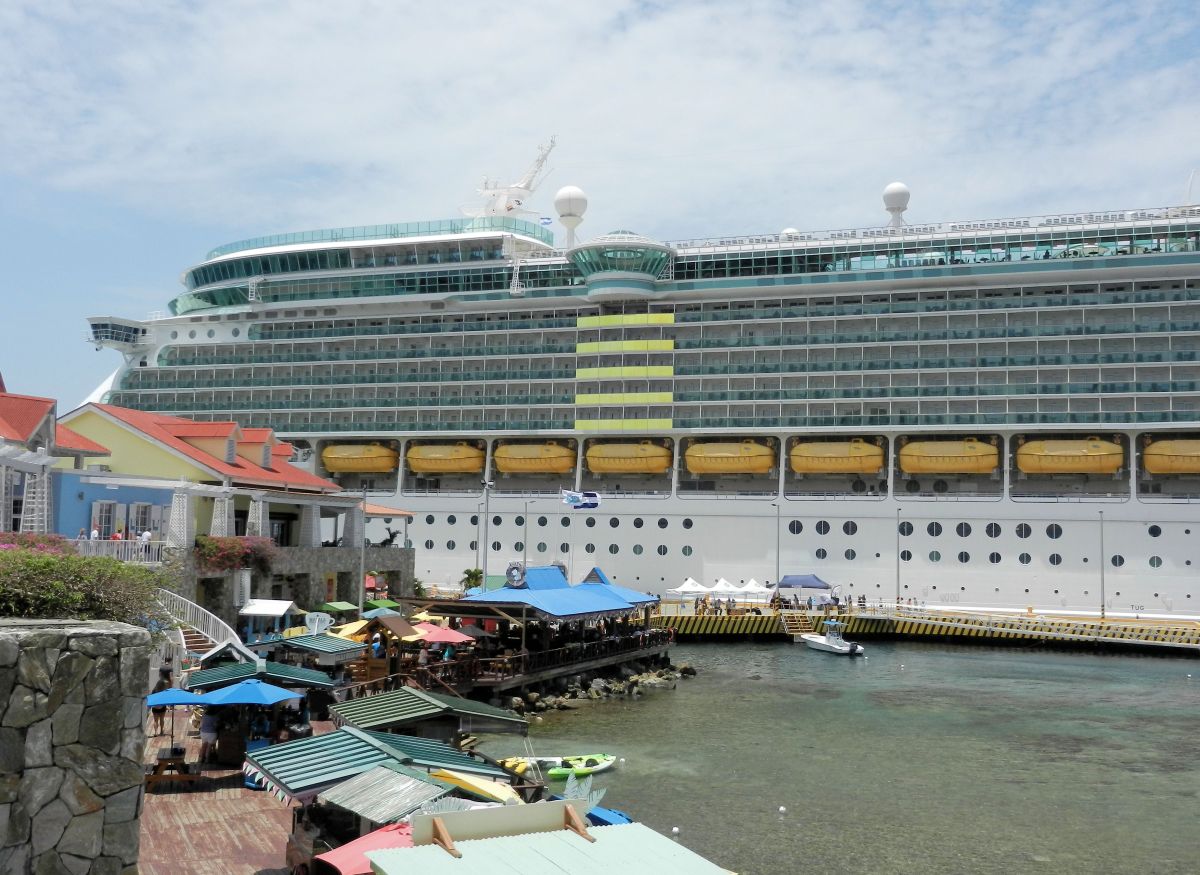
You’ve probably seen the movie, Titanic. I toured the Titanic museum in Branson, Missouri, a sobering experience. The loss of so many lives is staggering, especially since it should have been prevented with better preparation, including enough lifeboats for everyone on board.

l
A Doctor Takes a Cruise
One summer I went on a cruise vacation which fared far better than the Titanic. This was the third cruise I have ever been on, but the last one was so long ago that I had forgotten some of the details.
(This is not a sponsored post, instead, there are affiliate links not connected with the cruise line. Using them does not cost you extra and will help fund this blog. Thank you. )
As a physician, I view experiences in medical terms. I was impressed with the rules and procedures that keep the guests and crew healthy and safe.

I’m not revealing the cruise line’s name, but it is one of the large, well-known ones, with a good reputation as far as I know. I can’t vouch that this cruise is typical of all cruise companies, so I offer these observations that you can consider if you ever go on a cruise.
Safety drill- lifeboats, jackets

Before the ship left the dock, we participated in a safety drill where we all had to assemble at our assigned stations where we would go in case of an emergency. Once there, the crew took roll by checking our ID cards (more on this later) to make sure we were all there.
We had life vests in our room and there would also be life vests at the stations in case we weren’t in our room at the time the alarm sounded. Unlike the Titanic, we were assured there was room on the lifeboats for everyone on board.
Security, photo ID, room key
Upon checking in, they issued us a photo ID card that was our room key and a charge card for onboard purchases. When we left the ship at the ports, we showed the card which was scanned, then showed it again to get back on the ship.

Children-arm bands
We weren’t traveling with children ourselves, but children wore armbands with identification in case they got separated from their parents.
Food allergies and preferences.
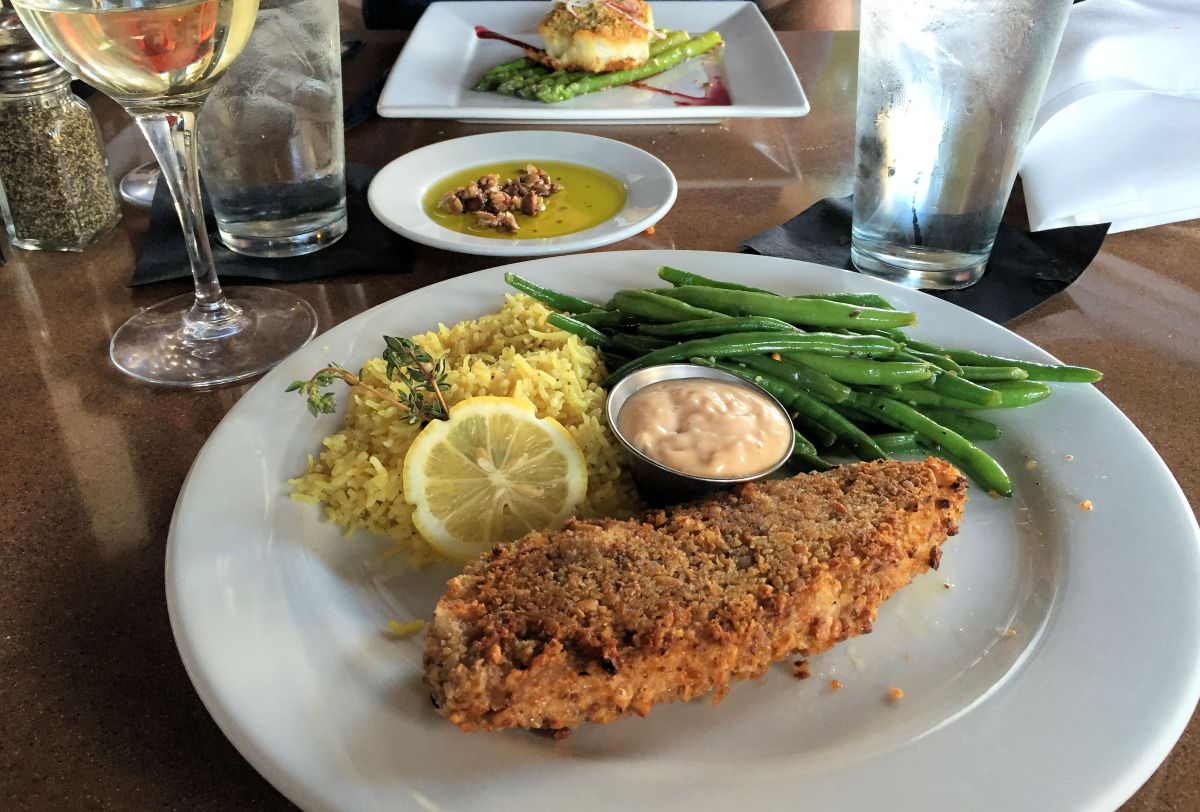
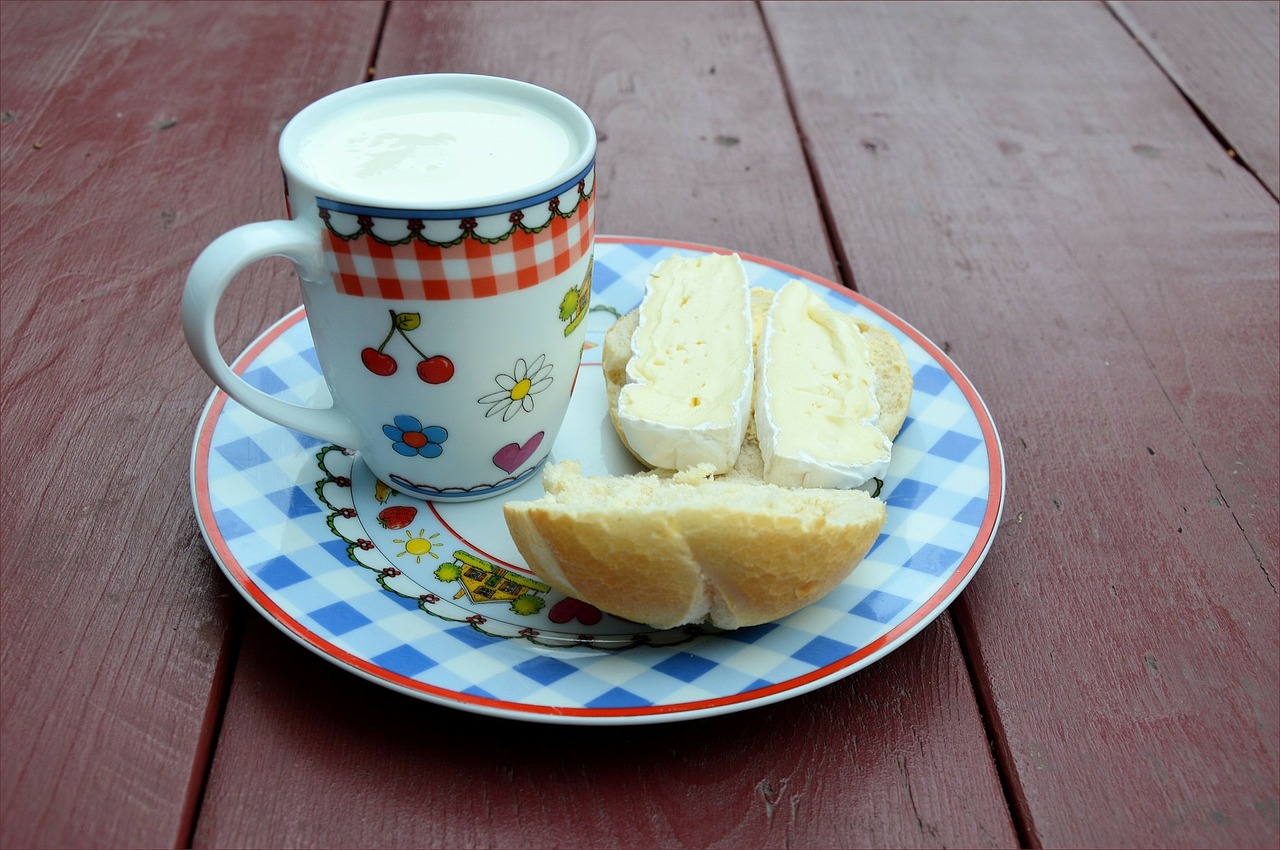
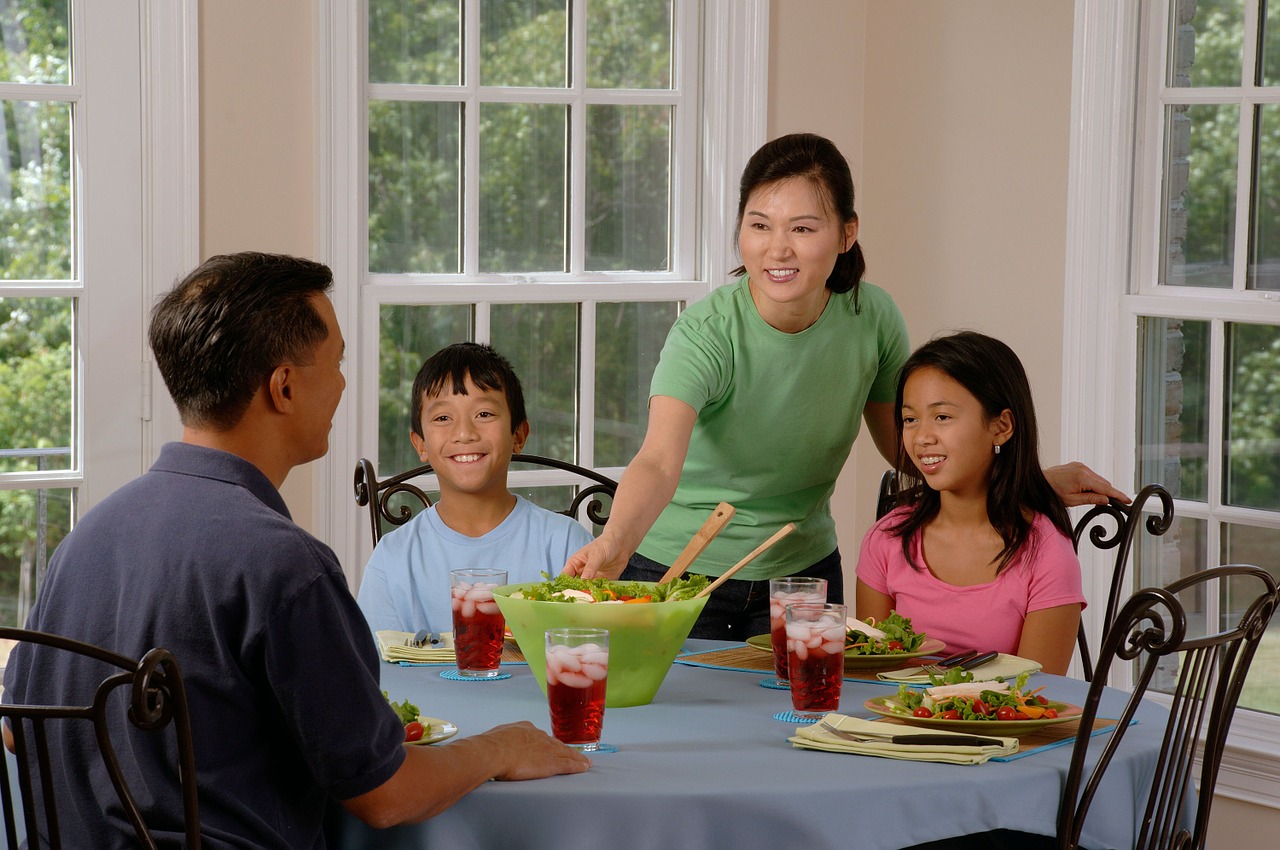
Food is plentiful on a ship and a wide variety of choices. Some venues are buffets but in the sit-down dining room, the wait staff always inquired about food allergies and special diet needs before we ordered our meal.

Here is a link to my post on
How to manage food allergy with confidence
Hygiene
Antibacterial hand gel was everywhere, along with reminders to use it.
Outside of every food venue, there were containers and a crew member there to dispense it to you.
There were strict warnings about what not to put into the toilets. As we heard at the introductory session, “If one toilet on a cruise ship backs up, they all back up.” Not a pleasant thought.

A daily newsletter with cruise information and schedule was delivered to our cabin every day. This note about health was posted daily-
Medical experts tell us that the best way to prevent colds, flu, or gastrointestinal illnesses-such as Norovirus-is to simply wash your hands thoroughly with soap and warm water. After restroom breaks and again before eating.
Should you experience any symptoms of gastrointestinal illness (vomiting, diarrhea) do not go to the ship’s medical facility. Call the medical staff for a complimentary consultation and treatment. A member of the medical staff will see you in your stateroom.
Medical facility on board
If you do need to go to the medical station, there is a doctor on duty for 3 hours in the morning and afternoon. (On a previous cruise, I visited the medical station for a tour. It looked modern and well-stocked.)
Smoking- designated areas only
Smoking is not allowed in any of the cabins or balconies, including electronic cigarettes. There were designated smoking areas outside and in the casino.
Here are some reminders on why it’s wise not to smoke-
7 surprising reasons to be smoke free
Fitness and Sports
If you wanted to exercise, there was ample opportunity.
Swimming and other water sports

- A fully equipped gym
- Rock climbing wall
- Walking/jogging path outside.

- Classes in yoga, stretching, cycling, and dance.
- Competitions in volleyball, table tennis, dodgeball, basketball
- Ice skating
- Dance venues
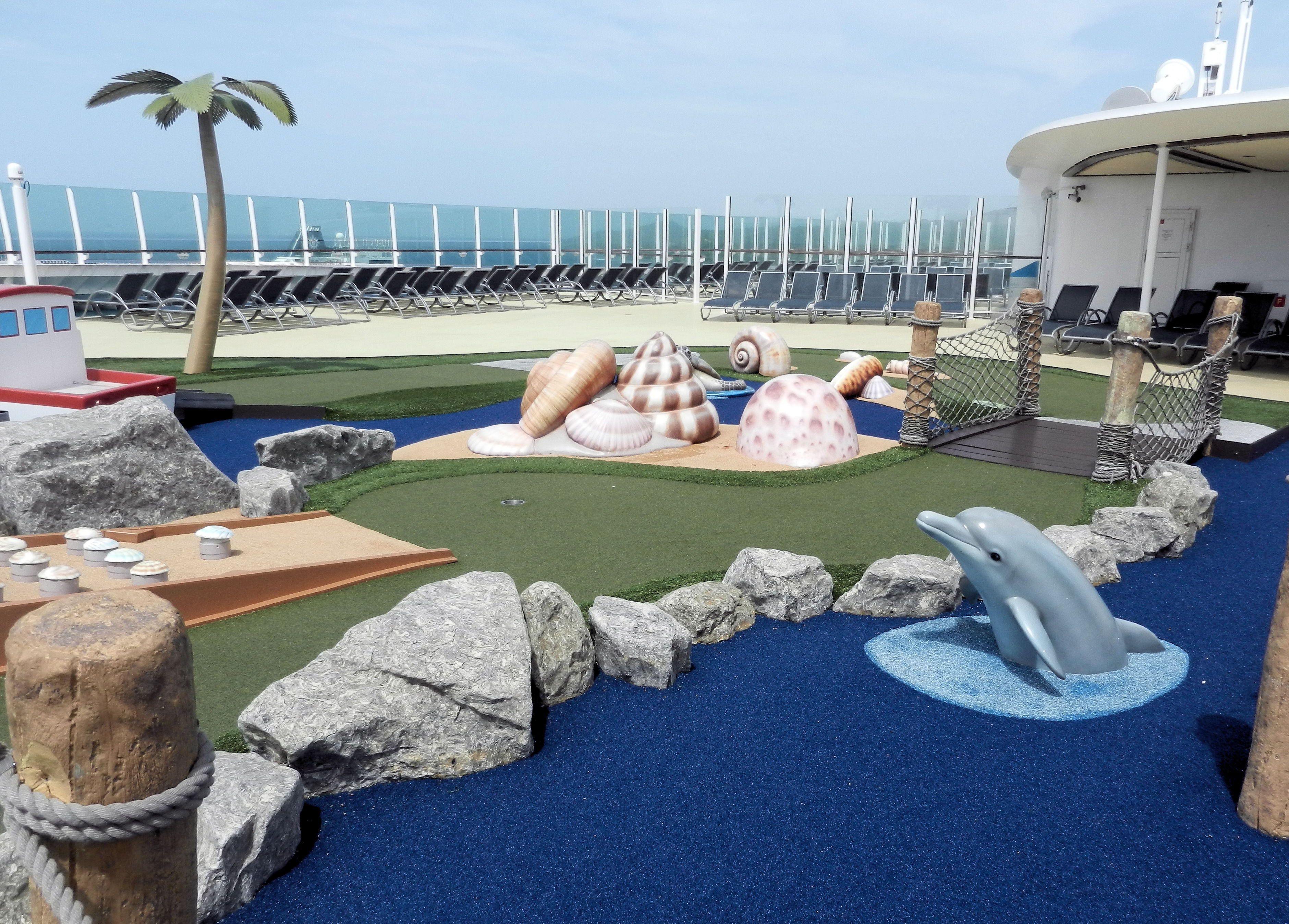
- Miniature golf
Spa Services
In addition to the usual spa services like hair and face treatments, they offered
- Massage
- Acupuncture
- Teeth whitening
- Anti-aging treatments
- “Detox”

Potential health risks
Are there any aspects of a cruise experience that might be detrimental to one’s health? Consider these things.
Sun
This ship sailed in a tropical climate so there was ample sun, both while on the ship and in the tropical ports. So obviously there was a risk of sunburn, dehydration, and long-term development of skin cancer due to sun exposure. Sunscreen was a must if you stayed outside.
Noise
There were multiple musical venues on just about every deck, as well as the general noise generated by thousands of people. For people who have sensory issues to noise, sensitive ears, or hearing loss the noise level might be uncomfortable.
Motion
We were fortunate to have smooth sailing, except for a few hours when the sea was rough, which left me feeling off balance but not seasick. If you are highly sensitive to motion, sail on a small ship, or hit rough seas, you may get seasick, which is not pleasant.
Addictions-food, alcohol, gambling, shopping
If you tend to be compulsive or addicted to activities like eating, drinking alcohol, gambling, or spending money, a cruise may not be the best place to vacation.
Food is abundant, delicious, varied, and “free”- meaning it’s all-inclusive with the price you paid (although there were some special meal venues that cost extra.)

Alcohol purchase is not included in the cruise fare but is easily purchased in dining venues as well as bars. (However, they strictly enforced not providing alcohol to minors.)
Gambling was available in the centrally located casino, open from morning until late at night.
Shopping on the promenade and in the ports- clothes, jewelry, art, liquor, wine, souvenirs, and who knows what else.

Meditation and Prayer
There were so many activities offered it was impossible to try them all. And there were places where one could escape for some quiet time to read, play a game, or just sit and enjoy the view.

Post Images
I took all of the photos in this post.
Exploring the HEART of Health
I’d love for you to follow this blog. I share information and inspiration to help you transform challenges into opportunities for learning and growth.
Add your name to the subscribe box to be notified of new posts by email. Click the link to read the post and browse other content. It’s that simple. No spam.
I enjoy seeing who is new to Watercress Words. When you subscribe, I will visit your blog or website. Thanks and see you next time.
Dr. Aletha
- About Dr. Aletha
- How to Use this Site
- Make Your Life Easier
- Search by Category
- Share the HEART of health
- my Reader Rewards Club
- RoboForm Password Manager



 watercress words by Dr Aletha