Although this season brings fun and festivities, many of our friends find it hard to feel joyful when their hearts are heavy with grief.
photo by Dr. Aletha
Whether from a recent loss, or one many years ago, grieving for the loved ones who won’t be here to celebrate with us can dampen our holiday spirit and lead to depression.
I remember my friends who tragically lost their teenage daughter in a car wreck just a few days before Christmas many years ago.
I think of my friend and her adult children who recently lost their husband and father.
I consider my newly married friend who is battling cancer.
Another friend is struggling financially due to the downturn in his oil producing business.
And my husband and I feel the loss of our parents and siblings at Christmas even after many years
As one friend wrote-
“This is my second Christmas without my husband. It has been tough, but also a reminder that God is the god of all comfort. That works for me. And… it is a reminder to pray comfort to anyone who has faced a loss of a loved one including precious pets. Loss from any source needs a comforting friend.”
If you know someone who needs a “comforting friend”, please take the time to reach out to them so they know someone cares and they are not alone.
Whatever your situation, you may find some helpful suggestions in this article from the WebMD archives
My family and I wish you all health and wholeness in body, mind, and spirit.
Love from Dr. Aletha and Raymond
I’d love for you to follow this blog. I share information and inspiration to help you transform challenges into opportunities for learning and growth.
Add your name to the subscribe box to be notified of new posts by email. Click the link to read the post and browse other content. It’s that simple. No spam.
I enjoy seeing who is new to Watercress Words. When you subscribe, I will visit your blog or website. Thanks and see you next time.
“How do I know if I need an antibiotic for a sinus infection?”
If you have a bacterial sinus infection with more than mild symptoms, an antibiotic may relieve symptoms and help you recover sooner.
“How do I, or my doctor, know that I have a bacterial sinus infection?”
Your symptoms may be one of these diagnoses, not bacterial sinusitis
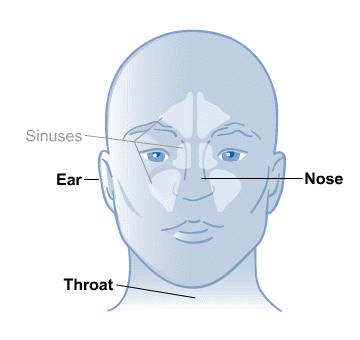
Since the nose and sinuses are directly connected, problems in one part affect the other.
You may have a common cold, medically called acute viral rhinosinusitis. The medical prefix “rhino” refers to the nose, for obvious reasons.
It’s also sometimes called an upper respiratory infection or nasopharyngitis. But the main difference is -it’s caused by a VIRUS, not bacteria. Many viruses cause colds or cold-like illnesses, including SARS-CoV-2, RSV, and influenza.
Allergic rhinitis, commonly just caused “allergies” or hay fever; again, a more correct diagnosis is allergic rhinosinusitis.
photo by Dr. Aletha at Disney’s Animal Kingdom in Florida
Non-sinus problems
small passageways connect the nose and sinuses
The problem may not come from the sinuses. Other areas in the head may cause symptoms that you or your doctor may believe is due to sinusitis. These include
An abscessed tooth, or other dental problem
Cellulitis, an infection of the deeper layer of the skin
Zoster, known by its common name shingles; prior to the onset of the rash, there may be pain alone
Migraine– the headache of migraine can cause pain in the sinus area
an uncommon sinusitis mimic
Angioedema – You may not be familiar with this, it’s a type of allergic reaction characterized by swelling, mostly in the throat, lips, eyes, and cheeks.
Once a patient called me requesting an antibiotic for a sinus infection. My office nurse wisely scheduled an appointment with me. Rather than a sinus infection, the patient was experiencing angioedema from blood pressure medication. These reactions can progress into life threatening swelling of the throat; I’m glad I didn’t try treating this with an antibiotic.
How do doctors diagnose bacterial sinusitis?
The gold standard for diagnosing any bacterial infection is to identify the bacteria by growing it in a lab, a test called a culture. For that, we need a sample of the tissue or fluid from the infected area. Since the sinuses are deep in the face, there is no easy way to do this. So most of the time we rely on symptoms and exam. We look for
Nasal congestion and/or drainage, which can be any color
Pain and/or pressure in the sinus area including teeth
Fever, which is a temperature above 100 degrees F or 37.7 C
Symptoms have been present at least 7 days without improving
When someone has severe, persistent, or recurrent symptoms suggestive of sinusitis, a physician might obtain xrays, a CT or MRI scan, or look into the sinuses with a scope.
Consider prescribing an antibiotic for sinusitis when–
Symptoms have been present 10 or more days, and/or are worsening
Severe symptoms, such as pain not relieved with mild pain meds or persistent fever,
People with conditions that impair their immune systems, like cancer and its treatment, or people with diabetes
People with allergic rhinitis often seem to be more prone to bacterial sinus infections or take longer to get better
These of course are all general guidelines; every patient, every illness is different, so different approaches may be needed. This is a framework for us to work from, not hard and fast rules.
We encountered this rhino during a ride through Animal Kingdom, Disney World, Florida.
Home care for sinusitis
Other ways to feel better when treating sinus infections as well as colds, allergic rhinitis, bronchitis and influenza include rest, increasing oral fluids, and moisturizing the nose and sinuses. (The following includes affiliate links that may pay this blog a commission at no additional cost to you. )
Portable humidifiers are an easy way to relieve dryness in the nose and sinuses.
A Neti pot or sinus rinse bottle are safe, easy ways to relieve dryness, congestion and clear out excess mucous from the nose and sinuses. Always use distilled or boiled water and ask your doctor before using.
Here is a helpful PDF about allergies, colds, and sinusitis













 watercress words by Dr Aletha