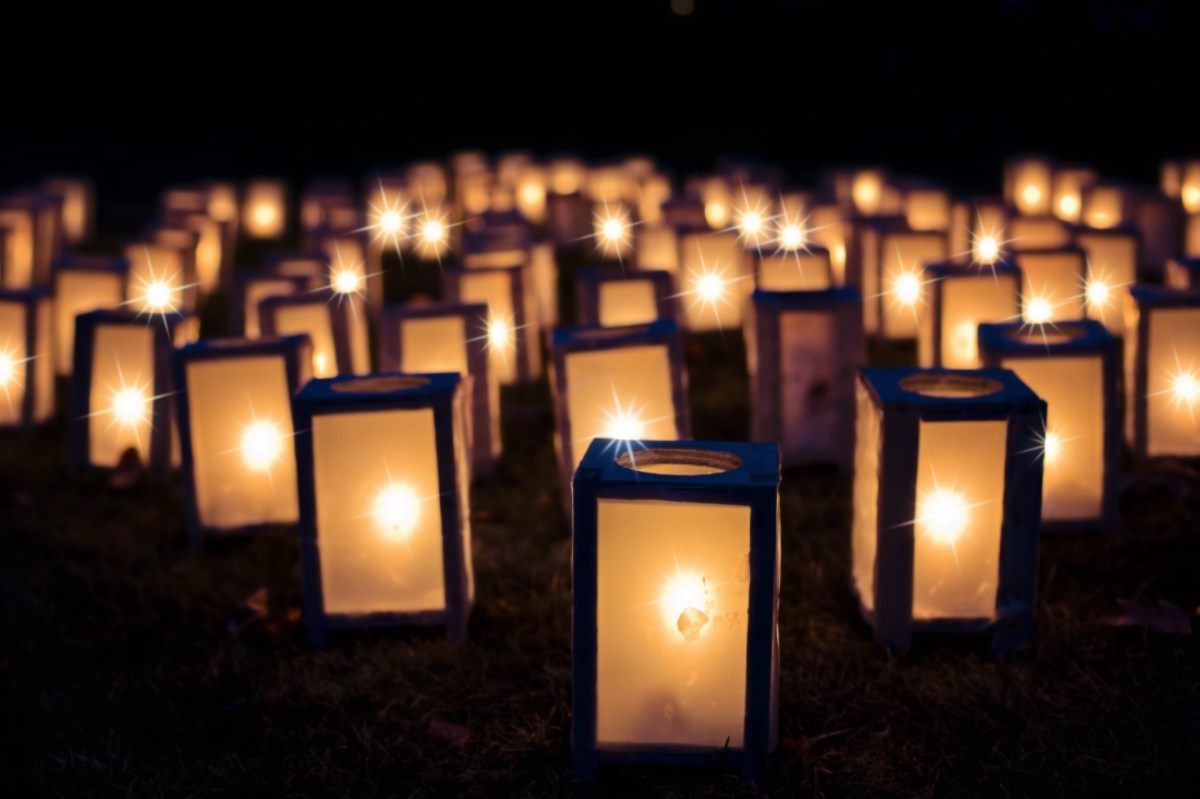
“You are the light of the world. A town built on a hill cannot be hidden.
Neither do people light a lamp and put it under a bowl. Instead, they put it on its stand, and it gives light to everyone in the house.
In the same way, let your light shine before others, that they may see your good deeds and glorify your Father in heaven.”
Matthew 5:14-16
Holy Bible, New International Version®, NIV® Copyright ©1973, 1978, 1984, 2011 by Biblica, Inc.® Used by permission. All rights reserved worldwide.
(This post uses affiliate links for support by a commission if you purchase through them.)
The day my lights went out
On a cold December morning, I awoke to no electric power in my house; so I had no heat, no coffee, no hot breakfast, and no television or internet access that day. And neither did thousands of other people in my city.
During the previous night as rain fell, it quickly turned to ice so thick that it brought down exposed power lines. It also took down tree limbs which in turn knocked down more power lines. By dawn, a city of a half million people was largely without power, including my home and the clinic where I practiced.
Upon arising, we started navigating the challenge of life without electricity. We were cold, and could not cook, wash clothes, watch TV, use our computer, or recharge our cell phones.
So, after opening our automatic garage door manually, we drove around looking for an open restaurant, finding traffic signals not working, and many businesses closed. I didn’t go to my clinic since it didn’t have power either.
Somehow we made it through the day; it was something of an adventure at that point. But at sunset, we faced an evening and night in the dark.
My house had no power for 5 days, some people as long as 2 weeks. By the third day, my clinic reopened so I had access to a computer, could charge my phone, and had a warm place to spend the day.
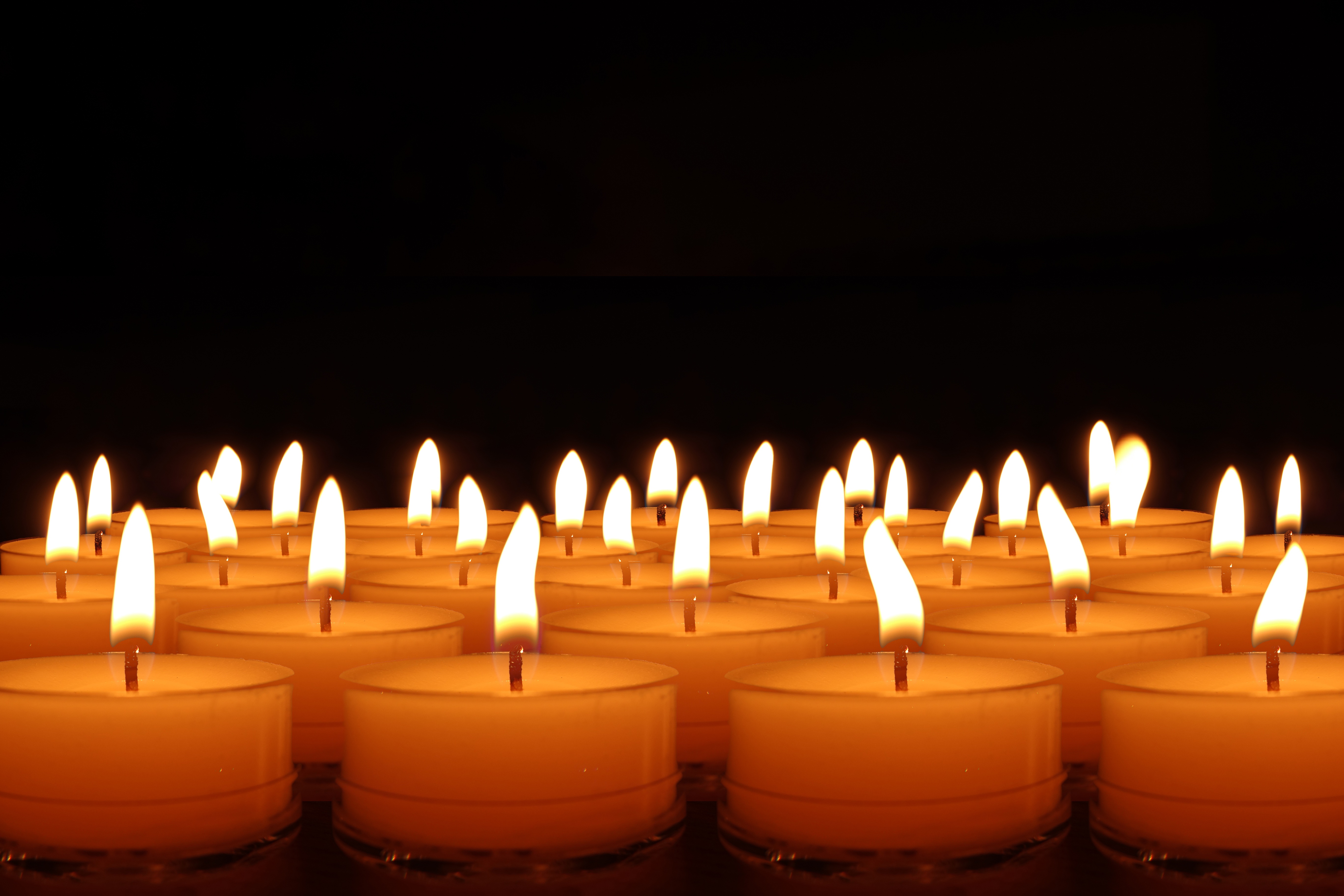
As inconvenient as all the other things were, the thing I missed most was light.
I felt grateful to have candles and flashlights, but they weren’t the same as being able to flip a switch on the wall or turn the switch on a lamp and have bright light flood the room.
By living in the dark for 5 days I learned…
I should not take light for granted.
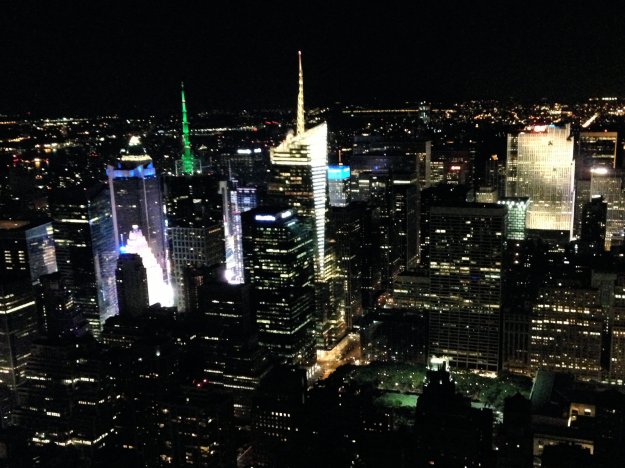
Natural sunlight lasts from 8 to 14 hours per day, depending on the season and where you live- unless you live at the north or south pole, where you may be in darkness for 24 hours part of the year. Once the sun sets, you are in darkness unless you create light in some way.
Light is a great equalizer.
It didn’t matter who you were or what part of town you lived in. Rich and poor and everyone in between experienced the power outage. Some people had generators or were lucky enough to find a store with one for sale. Otherwise, you were in the dark.
Life without light is difficult.
Sitting in the living room listening to our battery-powered TV (now a relic) by candlelight, wrapped up in blankets wasn’t too bad. I just had to remember to take a flashlight to go to the bathroom or into my closet to change clothes. With no power or windows to catch a little moonlight, these areas of my home were pitch black.
We couldn’t cook, and could not safely store perishable food- I had to throw away everything in the refrigerator and freezer by the third day. We quickly tired of peanut butter and crackers. Dirty clothes stayed dirty for the time being.
It takes work to produce light.
Power company crews worked around the clock, helped by crews from other cities and states. It still took 2 weeks to get power back to everyone. It took even longer to get all the broken tree limbs picked up from streets and yards and hauled off to a central site for burning. Subsequently, the city undertook a plan to trim trees that posed a hazard to power lines and to bury power lines.
Light should be shared with others.
Residents and businesses who had power invited others in, providing places to eat, wash clothes, charge phones, and stay warm. We were all in this together, and everyone seemed to make an extra effort to be kind to each other.
The Sermon on the Mount
The scripture I quoted above is from Matthew in the New Testament. It’s part of a passage usually called the Sermon on the Mount because Jesus taught these lessons on a mountain to the people who were following him. So it may not have been exactly what we now consider a sermon. Luke also records Jesus teaching many of the same lessons but at different times. His words taught how people should relate to God and to each other. Here is another post I wrote about Jesus’ teachings in the Sermon on the Mount.

The surprising blessing of discomfort
Also well known and often quoted is a daily devotional book, “My Utmost for His Highest”, by Oswald Chambers. Some call it the most beloved devotional book of all time.
Keep readingexploring the HEART of light
I’d love for you to follow this blog. I share information and inspiration to help you transform challenges into opportunities for learning and growth.
Add your name to the subscribe box to be notified of new posts by email. Click the link to read the post and browse other content. It’s that simple. No spam.
I enjoy seeing who is new to Watercress Words. When you subscribe, I will visit your blog or website. Thanks and see you next time.
Dr. Aletha





 watercress words by Dr Aletha