If you know or suspect you are in a domestic violence situation, and this page is visible to your abuser right now, continue reading this post only if you can do so privately. If not, close the device and clear your browser.
Health issues are usually not the major concerns when it comes to elections, but they are related to the major issues, like the cost of living, taxes, and crime.
Among the major campaign issues are health-related concerns, including women’s reproductive care, gun violence, opioid addiction and deaths, mental health crises, and the cost of healthcare.
So it is appropriate that we highlight awareness of two major health issues, one I reviewed earlier this month and one in this post.
Domestic Violence Awareness Month
Domestic violence is a pattern of behaviors used by one partner to maintain power and control over another partner in an intimate relationship.
thehotline.org
A Day of Unity
First observed in October 1981 as a national “Day of Unity,” Domestic Violence Awareness Month (DVAM) is held each October as a way to unite advocates across the nation in their efforts to end domestic violence.

Communities and advocacy organizations across the country connect with the public and one another throughout the month to raise awareness about the signs of abuse and ways to stop it, uplift survivor stories and provide additional resources to leaders and policymakers.
What is Domestic Violence?
Also called intimate partner violence, domestic abuse, or relationship abuse, It can happen to anyone at any point in a relationship. Domestic violence includes behaviors that physically harm, cause fear, prevent a partner from doing what they wish, or force them to behave in ways they do not want.
Domestic violence is a global problem. According to WHO, the World Health Organization,
- Over a quarter of women aged 15–49 years have been subjected to physical and/or sexual violence by their intimate partner at least once in their lifetime.
- The prevalence estimates of lifetime intimate partner violence range from 20% in the Western Pacific, 22% in high-income countries and Europe,25% in the WHO Regions of the Americas to over 30% in the WHO African region, Eastern Mediterranean Region, and the South-East Asia region.
- Globally as many as 38% of all murders of women are committed by intimate partners and 6% of women report having been sexually assaulted by someone other than a partner, although data are more limited.
- Intimate partner and sexual violence are mostly perpetrated by men against women.
(WHO info edited for length)
(Please note that PDF embeds will display on a computer, but most phone and tablet browsers won’t display embedded PDFs.)
How to identify abuse
- One feature shared by most abusive relationships is that the abusive partner tries to establish or gain power and control through many different methods at different moments. Examples include, but are not limited to
- Telling you that you never do anything right.
- Showing extreme jealousy of your friends or time spent away from them.
- Preventing or discouraging you from spending time with others, particularly friends, family members, or peers.
- Insulting, demeaning, or shaming you, especially in front of other people.
- Preventing you from making your own decisions, including about working or attending school.
- Controlling finances in the household without discussion, such as taking your money or refusing to provide money for necessary expenses.
- Pressuring you to have sex or perform sexual acts you’re not comfortable with.
- Pressuring you to use drugs or alcohol.
- Intimidating you through threatening looks or actions.
What to do if you are in an abusive situation
The most immediate need is to ensure your safety and the safety of your children or other dependents.
The National Domestic Violence Hotline
The Hotline is a 501(c)(3) organization supported by grants from the Department of Health and Human Services and the Justice Department. Available 24/7 you can
- call 1-800-SAFE,
- text 88788
- chat on the website, thehotline.org
Also search for Local Resources on the website.
The website has detailed instructions for creating a personal safety plan.
A safety plan is a personalized, practical plan to improve your safety while experiencing abuse, preparing to leave an abusive situation, or after you leave.
How to help victims and survivors
Even after escaping an abusive situation, those affected need time and help to heal and move forward. If you are not a victim or survivor, you likely know someone who is, or will be. Here are suggestions on how to help.
Educate yourself about the forms of abuse and about your local resources to help victims.
Listen without judgment, be supportive of their decisions, be a trusted friend. Be willing to listen without giving advice unless requested. Don’t assume you would have acted differently in their situation.
Encourage professional support. There should be no stigma to seeking help from trained professionals, just like any other health condition.
Advocate for change in your community, support local resources, fundraisers, and education. Consider volunteering at a shelter. Support local officials who make domestic violence prevention a priority.
An easy way to help is to donate your old electronics like cell phones, laptops, and video game systems for resale. The National Domestic Violence Hotline receives a portion of the funds furthering The Hotline’s programming and projects that support victims and survivors of domestic violence and the advocates and allies that support them.
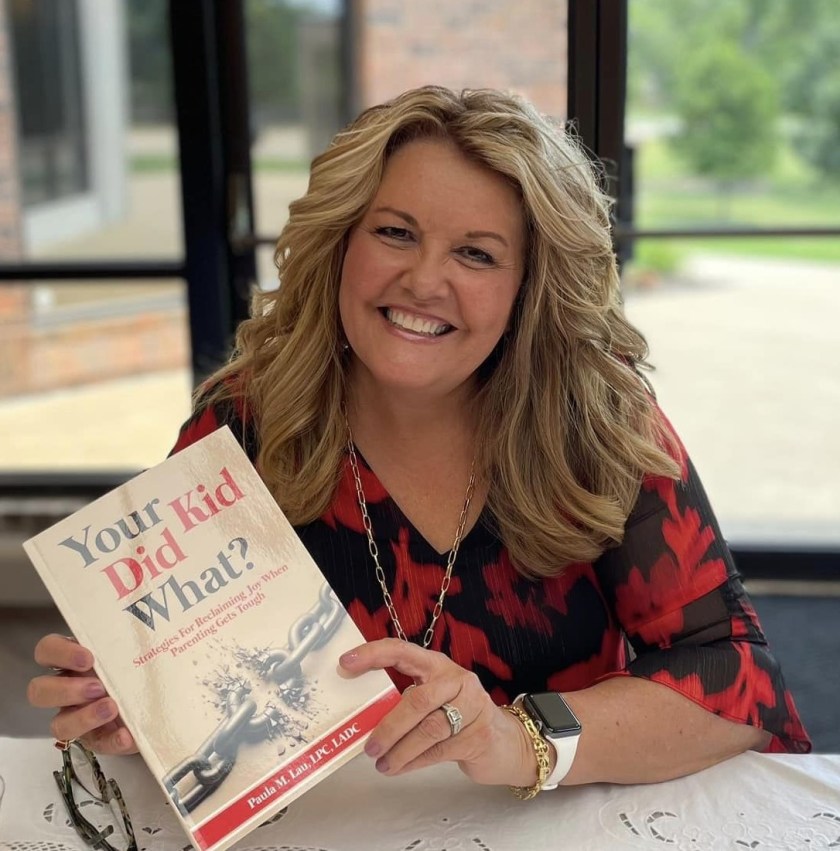
Here is another shareable resource written with a faith-based perspective.
Exploring the HEART of Health
Thank you so much for taking the time to read and share this post. By sharing this vital information, you may be saving someone’s life.
Please share in the comments your experiences helping domestic abuse victims or your own experience at surviving abuse, but only if you can do so safely without revealing personal information that might endanger someone’s safety.
I’d love for you to follow this blog. I share information and inspiration to help you transform challenges into opportunities for learning and growth.
Add your name to the subscribe box to be notified of new posts by email. Click the link to read the post and browse other content. It’s that simple. No spam.
I enjoy seeing who is new to Watercress Words. When you subscribe, I will visit your blog or website. Thanks and see you next time.




 watercress words by Dr Aletha