
updated January 15, 2022
The Reverend Dr. King led the Civil Rights Movement in the United States from the mid-1950s until his death by assassination in 1968.
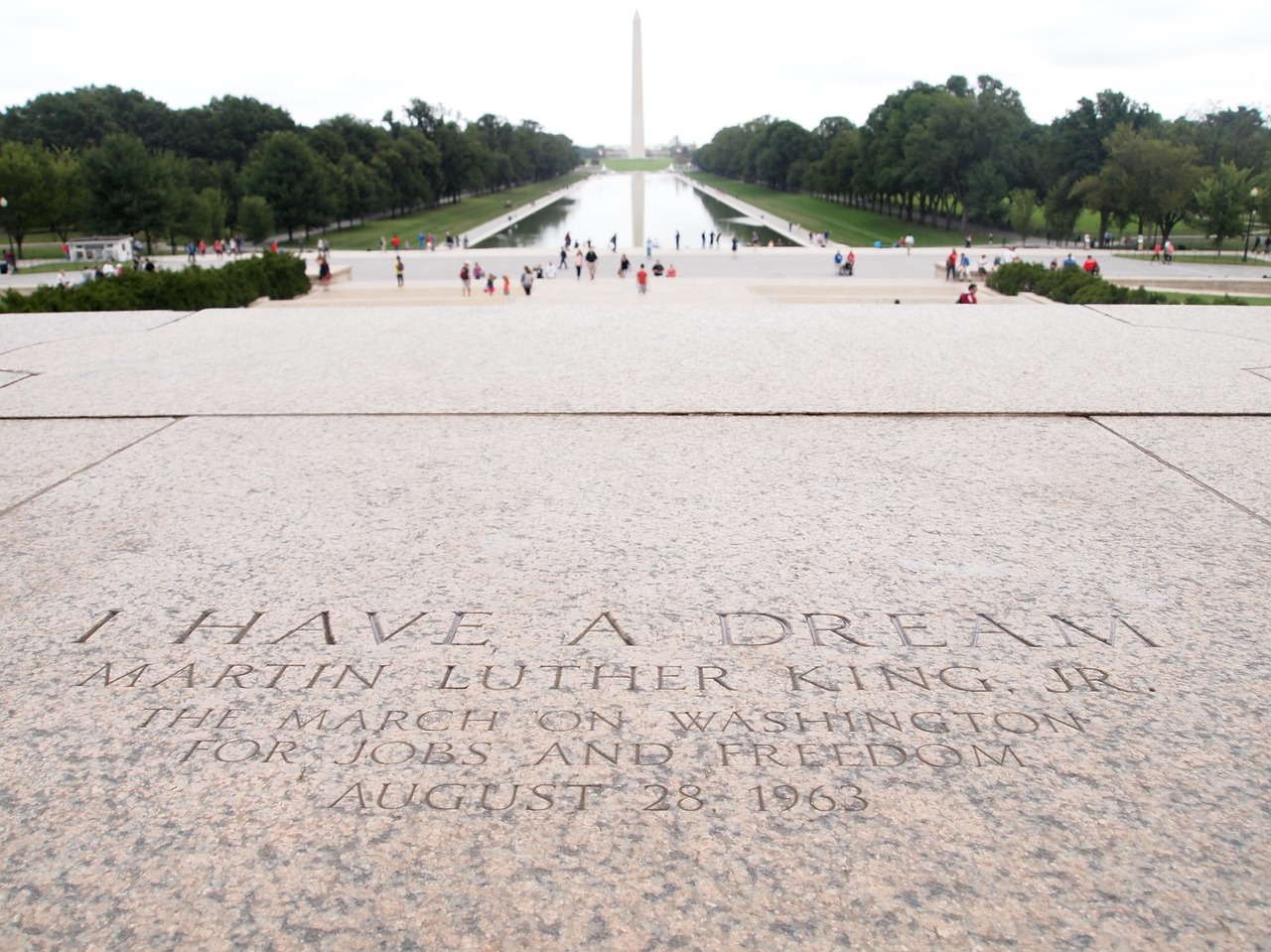
His famous “I have a dream” speech, delivered at the Lincoln Memorial in Washington, D.C. is remembered, read, and recited by people all over the country if not the world on Martin Luther King, Jr. Day every year.
The United States observes the third Monday of January as a federal holiday in honor and memory of the birthday of the late Rev. Martin Luther King, Jr. (January 15, 1929)
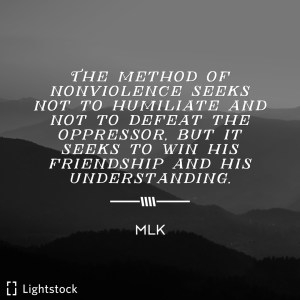
Dr. King’s life reminds us of the tragic effects of interpersonal violence. His life ended suddenly and prematurely when, on April 4, 1968, an assailant shot him as he stood on a hotel balcony. He had delivered his last speech just the day before. The shooter was apprehended, and after confessing to the murder, sentenced to life in prison where he died.
Most people know of Dr. King’s assassination, but don’t know his mother, Alberta Williams King, also died violently. At age 69, sitting at the organ of the Ebenezer Baptist Church, Mrs. King was shot and killed on June 30, 1974. Her 23-year-old assailant received a life sentence and died in prison.
Violence, a major health risk
Violence between persons creates social, economic and political problems, and serious medical consequences. It is a leading cause of death, especially in children, adolescents and young adults.
Non-fatal injuries often cause severe and permanent disability that changes lives, burdens families and increases medical costs astronomically. These include
- TBI, traumatic brain injuries
- Spinal cord injuries leading to paraplegia, quadriplegia, ventilator dependence
- Amputations of limbs
- PTSD, post-traumatic stress disorder; other forms of anxiety; depression
- Chronic pain, often leading to opiate dependence
Of all the forms of inequality, injustice in health care is the most shocking and inhumane.
Dr. King
The risk of health disparities
This observance also reminds us of the problem of health disparity. Health disparities are
preventable differences in the burden of disease, injury, violence, or opportunities to achieve optimal health
that are experienced by populations that have been disadvantaged by their social or economic status, geographic location, and environment.
These populations can be defined by factors such as
- race or ethnicity,
- gender,
- education or income,
- disability,
- geographic location (e.g., rural or urban),
- sexual orientation.
Health disparities are directly related to the past and present unequal distribution of social, political, economic, and environmental resources
This was especially true with the COVID-19 pandemic. The CDC listed several reasons why this occurred.
- There is evidence that people in racial and ethnic minority groups are more likely to live in areas with high rates of new COVID-19 infections (incidence).
- Crowded living conditions and unstable housing contribute to transmission of infectious diseases and can hinder COVID-19 prevention strategies like hygiene measures, self-isolation, or self-quarantine.
- Racial and ethnic minority groups are disproportionately represented in essential work settings such as healthcare facilities, farms, factories, warehouses, food processing, accommodation and food services, retail services, grocery stores, and public transportation.19,20,21,22
- Some people who work in these settings have more chances to be exposed to COVID-19 because -close contact with the public or other workers, not being able to work from home, and needing to work when sick because they do not have paid sick days.
- Social determinants of health may also influence access to testing.
- Underlying medical conditions that increase risk for severe illness from COVID-19 may be more common among people from racial and ethnic minority groups.19 Common underlying conditions among those who require mechanical ventilation or died included diabetes, high blood pressure, obesity, chronic kidney disease on dialysis, and congestive heart failure. 20
- Together, the evidence from the provisional death data from NCHS and recent studies clearly illustrate the disproportionate burden of COVID-19 deaths among racial and ethnic minority groups, particularly Hispanic or Latino, non-Hispanic Black, and non-Hispanic American Indian or Alaska Native people.
Long before COVID, doctors knew our Black patients fared worse with many common serious diseases
Learn Why 7 Deadly Diseases Strike Blacks Most from WebMD

I have the audacity to believe that peoples everywhere can have three meals a day for their bodies,
education and culture for their minds,
and dignity, equality, and freedom for their spirits.
Dr. King
You can learn more about Dr. King and listen to part of his famous speech at
Biography.com
The following book suggestions lead to affiliate links which may pay a commission to this blog at no extra cost to you. These commissions help me fund this blog.
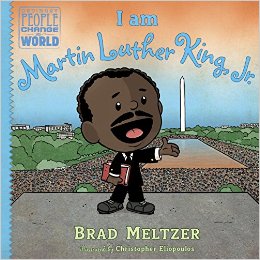
a biography about Dr. King written for children
I Am Martin Luther King, Jr.


exploring the HEART of health equality
Thank you for joining me to remember the late Dr. King. Please enter your email address to be notified of new posts as soon as they are available, you won’t receive anything else.













 watercress words by Dr Aletha