Rebecca Lee Crumpler, African American “doctress of medicine”

Dr. Rebecca Lee Crumpler, born in 1831, became the first African American woman in the United States to earn an M.D. degree in 1864. Overcoming prejudice, she practiced medicine in post-Civil War South, providing care to freed slaves. She authored a medical book in 1883, a pioneering achievement for an African American. She died in 1895, leaving a legacy of resilience and dedication to helping others.

Rebecca Lee Crumpler challenged the prejudice that prevented African Americans from pursuing careers in medicine. In 1864 she became the first African American woman in the United States to earn an M.D. degree.

Although little has survived to tell the story of Crumpler’s life, her medical knowledge is preserved in her book of medical advice for women and children, published in 1883. This is one of the earliest medical books published by an African American.

Crumpler’s early life

Dr. Crumpler was born February 8, 1831, in Delaware, to Absolum Davis and Matilda Webber. An aunt in Pennsylvania, who often cared for sick neighbors, raised her. This aunt’s example of service to the sick may have influenced her career choice.

By 1852 she had moved to Charlestown, Massachusetts, where she worked as a nurse for eight years, despite lacking formal training. (The first formal school for nursing opened in 1873). In 1860, she was admitted to the New England Female Medical College.

First African American woman in medical school

When she graduated in 1864, Crumpler was the first African American woman in the United States to earn an M.D. degree, and the only African American woman to graduate from the New England Female Medical College, which merged with Boston University School of Medicine in 1873.

In her Book of Medical Discourses In Two Parts, published in 1883, Dr. Crumpler summarized her career path:

“It may be well to state here that, having been reared by a kind aunt in Pennsylvania, whose usefulness with the sick was continually sought, I early conceived a liking for and sought every opportunity to relieve the sufferings of others.

Later in life, I devoted my time, when best I could, to nursing as a business, serving under different doctors for a period of eight years at my adopted home in Charlestown, Massachusetts.

From these doctors I received letters commending me to the faculty of the New England Female Medical College, whence, four years afterward, I received the degree of doctress of medicine.”

Caring for African Americans in the South

Dr. Crumpler practiced in Boston for a short while before moving to Richmond, Virginia, after the Civil War ended in 1865. Richmond, she felt, would be “a proper field for real missionary work”, and one that would provide opportunities for her to become acquainted with the diseases of women and children.

“During my stay there nearly every hour was improved in that sphere of labor. The last quarter of the year 1866, I was enabled . . . to have access each day to a very large number of the indigent, and others of different classes, in a population of over 30,000 colored.”

She joined other black physicians caring for freed slaves who would otherwise have had no access to medical care, working with the Freedmen’s Bureau, and missionary and community groups, even though black physicians experienced intense racism working in the postwar South.

When her service there was finished, she returned to her former home, Boston, where she continued practicing, especially with children, regardless of the families’ ability to pay her.

“Dr. Crumpler continued to work despite the extreme sexism, racism, and rudeness she experienced from colleagues and others to treat her patients. The discrimination these African American patients experienced encouraged an increasing number of African Americans to pursue medicine.”

Rothberg, Emma. “Dr. Rebecca Lee Crumpler.” National Women’s History Museum, 2021.

She lived on Joy Street on Beacon Hill, then a mostly black neighborhood. By 1880 she had moved to Hyde Park, Massachusetts, and was no longer in active practice.
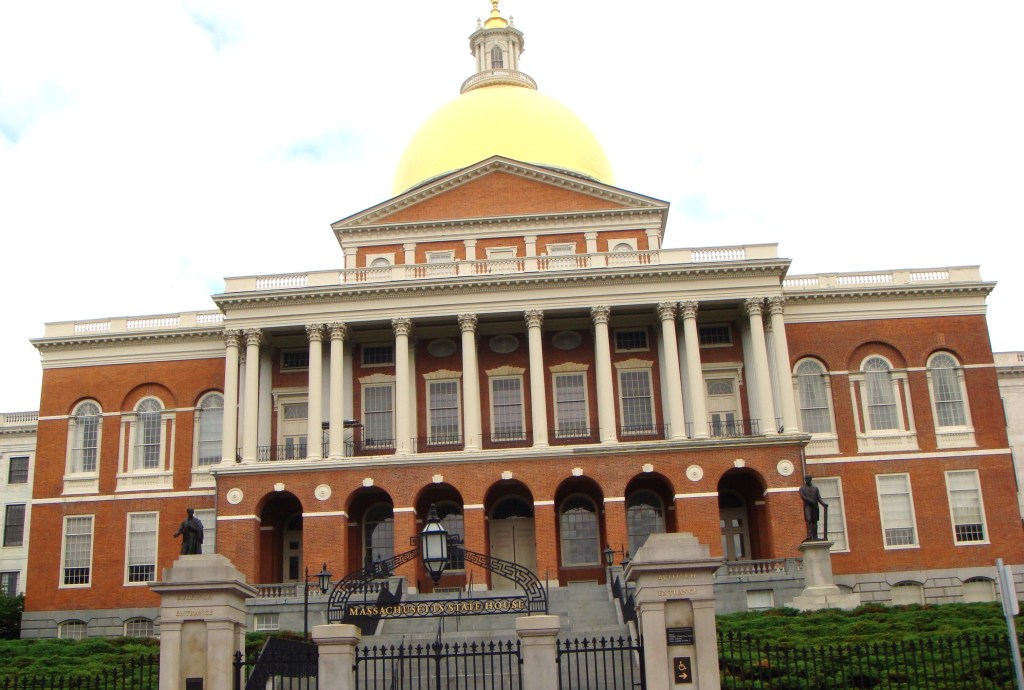
The Massachusetts State House is the state capitol and seat of government for the Commonwealth of Massachusetts, located in the Beacon Hill neighborhood of Boston; photo by Dr. Aletha

Dr. Crumpler- medical author

Her 1883 Book of Medical Discourses in Two Parts, is based on journal notes she kept during her years of medical practice. It is a remarkable achievement as a physician and medical writer in a time when very few African Americans were admitted to medical college, let alone published. Her book is one of the very first medical publications by an African American.

According to the cover page,

“Part first: treating of the cause, prevention, and cure of infantile bowel complaints, from birth to the close of the teething period, or till after the fifth year.

Part second: containing miscellaneous information concerning the life and growth of beings, the beginning of womanhood, also the cause, prevention, and cure of many of the most distressing complaints of women, and youth of both sexes.”

The book is considered to be in the public domain. You can view and download it at this link

National Library of Medicine Digital Collections
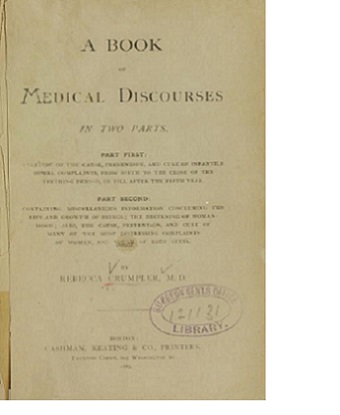
Front page of Dr. Crumpler’s “A Book of Medical Discourses.” There are no existing photos of her.

Public domain, courtesy U.S. National Library of Medicine.

Dr. Crumpler-wife and mother

Dr. Crumpler married twice and had one child, Lizzie Sinclair Crumpler. She died in Boston in 1895 and is buried in Fairview Cemetery there. Her home in Beacon Hill is featured on the Boston Black Heritage Trail, part of the Boston African American National Historic Site.

Her life and work testify to her talent and determination to help other people, in the face of doubled prejudice against her gender and race. 

National Park Service

photos for illustration only

For this article, I used information from

Exploring the HEART of Health

I’d love for you to follow this blog. I share information and inspiration to help you transform challenges into opportunities for learning and growth.

Add your name to the subscribe box to be notified of new posts by email. Click the link to read the post and browse other content. It’s that simple. No spam.

I enjoy seeing who is new to Watercress Words. When you subscribe, I will visit your blog or website. Thanks and see you next time.

Dr. Aletha

Meet other trailblazing women physicians in this post
February -fun, feelings, fasting, and freedom

February features unique events like Groundhog Day, which began in 1887, and Valentine’s Day, associated with love and the patron saint of epilepsy. The month also includes Ash Wednesday marking the Lenten season and President’s Day honoring George Washington and Abraham Lincoln. February, though brief, is rich in history and celebration.

updated February 17, 2025

February is an interesting month. It’s the shortest month of the year, although every 4 years is a day longer, due to leap year, creating February 29.

A leap year is a calendar year that contains an additional day compared to a common year. The 366th day is added to keep the calendar year synchronized with the astronomical year or seasonal year. 

Wikipedia

Fun-Groundhog Day

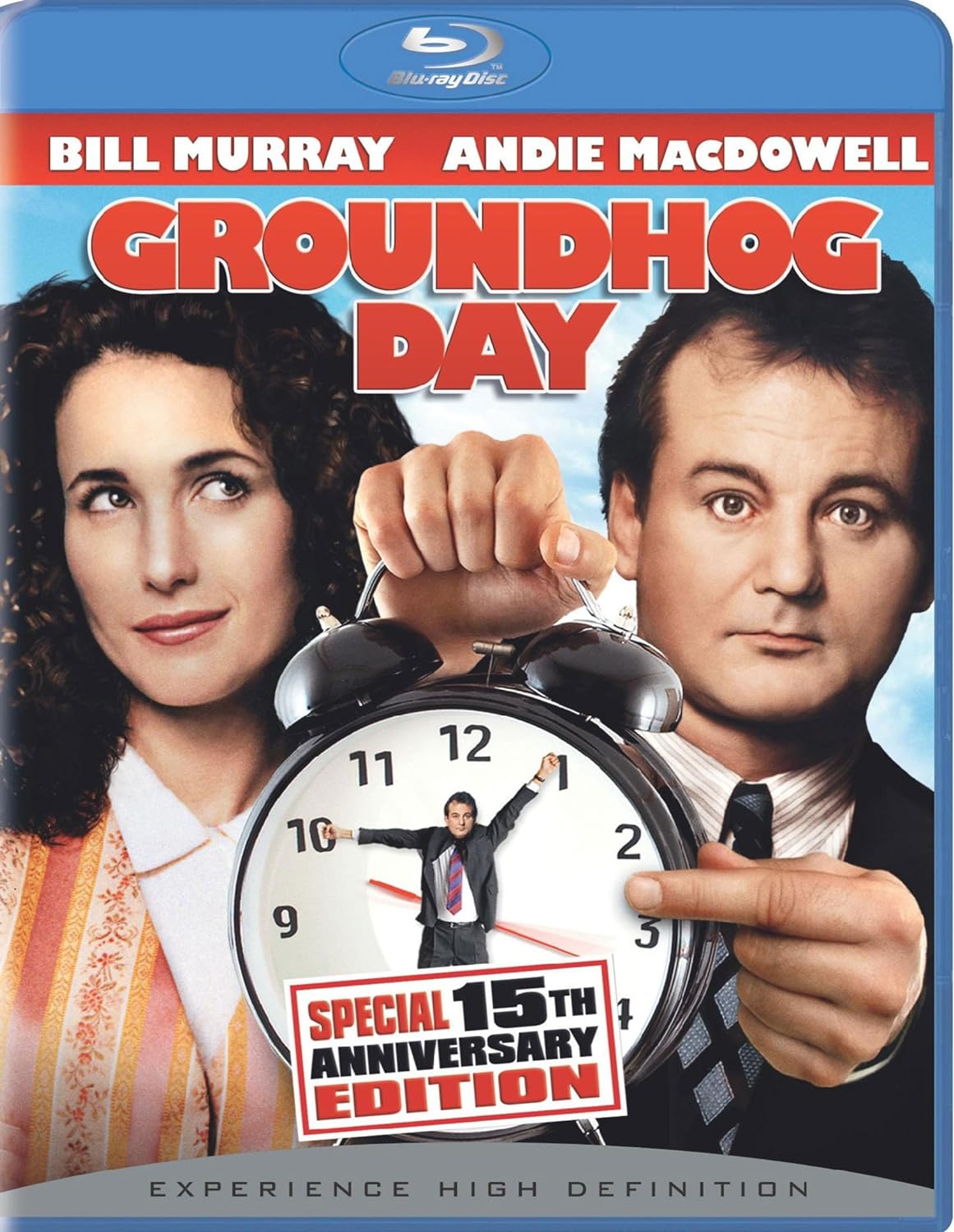
The month starts with a FUN holiday known as Groundhog Day. You may be more familiar with the movie of the same name, which was also funny with a reflective message.

Groundhog Day is a 1993 American fantasy comedy film directed by Harold Ramis and written by Ramis and Danny Rubin. Teamed with a relentlessly cheerful producer (Andie MacDowell) and a smart-aleck cameraman (Chris Elliott), TV weatherman Phil Connors (Bill Murray) is sent to Punxsutawney, Pennsylvania, to cover the annual Groundhog Day festivities.

It stars Bill Murray as Phil Connors, a TV weatherman who, during an assignment covering the annual Groundhog Day event, is caught in a time loop, repeatedly reliving the same day.” (Amazon affiliate link and quote)

I can understand how that feels after my husband was in a hospital for 10 days earlier this year. I felt like I was living the same day over and over. Even after he came home, during his continued convalescence, our days tended to feel the same until he regained his strength and stamina.

Anyway, if you’ve never seen the movie I recommend it for a good laugh as well as for the message. Andie MacDowell and Bill Murray are at their finest in these roles.

The first official Groundhog Day celebration took place on February 2, 1887, in Punxsutawney, Pennsylvania. The annual ritual has roots in pre-Christian traditions and was brought to the U.S. by German immigrants.

History.com

The real Groundhog Day is supposed to predict whether or not we will have an early spring. You can learn about it at this link.

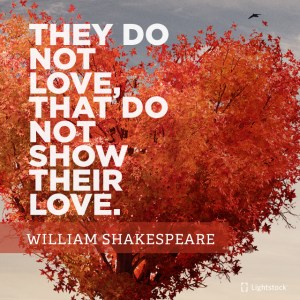
tree with red leaves shaped like a heart
William Shakespeare, English playwright,, poet, and actor

graphic from Lightstock.com, stock photo site, affiliate link

Feelings-Valentine’s Day, February 14

When I say Valentine’s Day what comes to your mind? Love, hearts, cards, candy, jewelry, and romantic dinners? But probably not seizures.

Saint Valentine-patron of lovers and epilepsy.

St. Valentine of Terni, a third-century Roman saint, was known for healing the sick. Valentine had been imprisoned for secretly marrying couples despite the edict of Roman Emperor Claudius II which forbade Roman soldiers to marry, for possibly diminishing their efficiency on the battlefield. As the legend goes, he restored the sight of Julia the daughter of Asterius his jailer.

People believed epilepsy (a brain disorder causing seizures) was caused by a supernatural event such as a curse or possession by an evil spirit. Since there was no cure for epilepsy healing was only possible by divine intervention and saints were called upon to intercede for these patients. 

very few people know he , Saint Valentine, also was helpful and beneficent to people with epilepsy in ancient times.

Saint Valentine: Patron of lovers and epilepsy

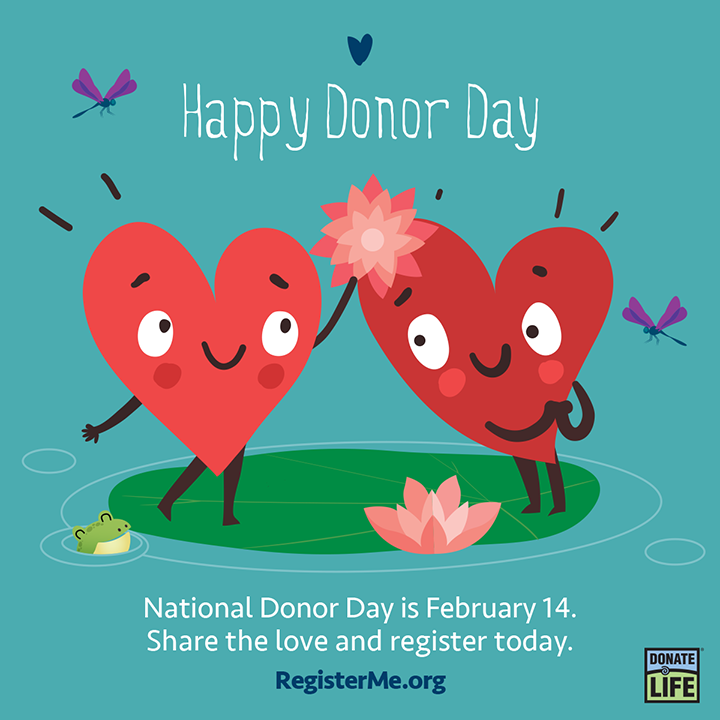
February 14 is also National Donor Day. Registering as an organ donor means you may save someone’s life-or someone may save your life.

February 14 is National Donor Day. Registering as an organ donor means you may save someone’s life-or someone may save your life.

Fasting-Ash Wednesday

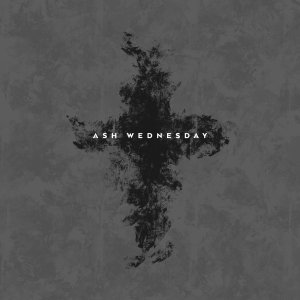
In 2024, Ash Wednesday, the first day of Lent, is also on February 14.

In 2025, Ash Wednesday returns to March, on the 5th.

Lent, in the Christian church, is a period of preparation for Easter, which will be on March 31, 2024.

During Ash Wednesday mass or services, a minister distributes ashes by lightly rubbing the shape of a cross with ashes onto the foreheads of worshipers. The tradition of tracing a cross on the forehead is meant to identify the faithful with Jesus Christ.

Follow this blog for posts about fasting for Lent.

photos by Dr. Aletha and Raymond Oglesby

Freedom-President’s Day, third Monday

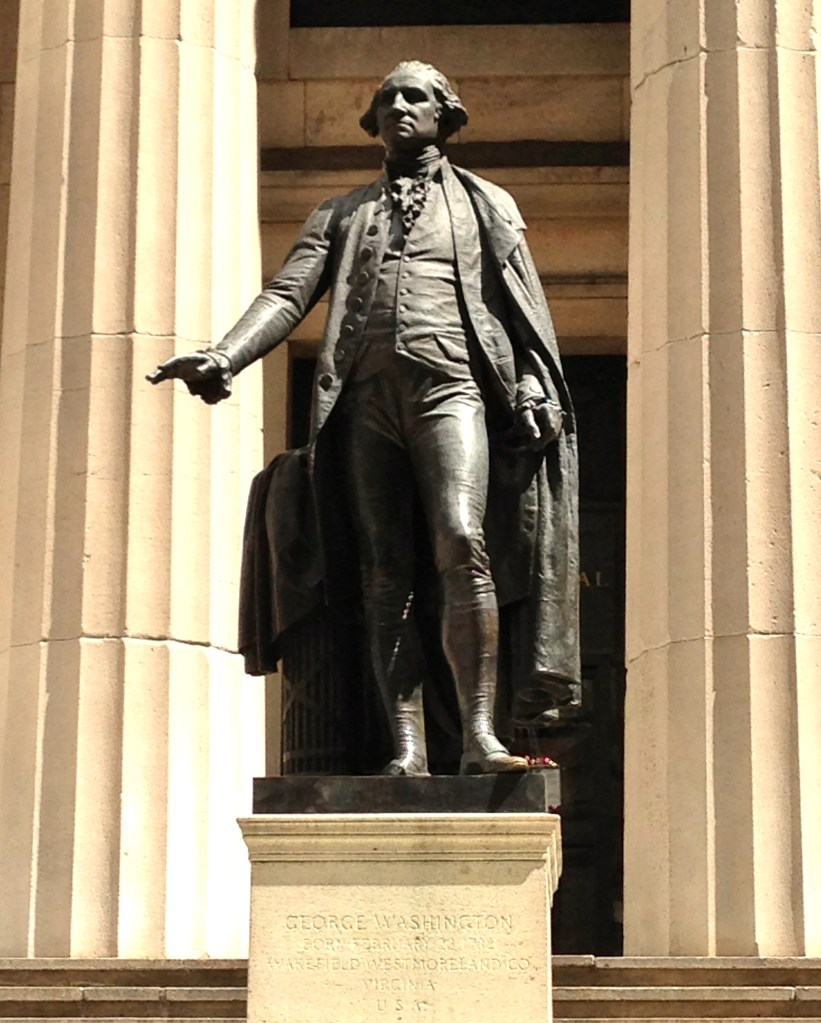
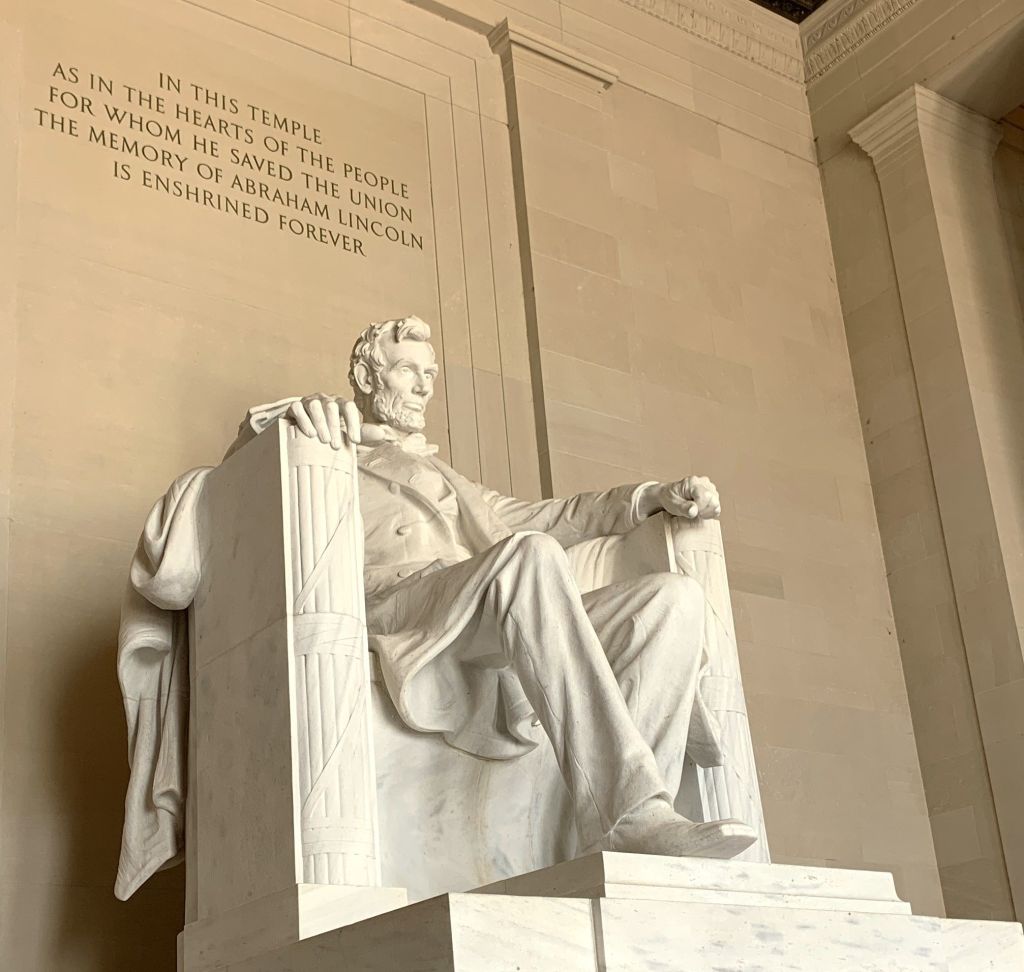
On the third Monday in February, we honor our first President, George Washington, whose birthday is February 22. We also traditionally honor President Abraham Lincoln, whose birthday is February 12.

archives.gov

“Contrary to popular belief, neither Congress nor the President has ever stipulated that the name of the holiday observed as Washington’s Birthday be changed to ‘President’s Day.’”

census.gov
Two United States presidents are honored in February, their birth month.

With the signing of the Declaration of Independence by the Continental Congress, George Washington helped the American colonies gain FREEDOM from rule by an English king in 1776 as General of the Continental Army during the American War of Independence, and then as the republic’s first President.

As President, Abraham Lincoln extended FREEDOM to enslaved persons in the Confederate states when he issued the Emancipation Proclamation on January 1, 1863, and led the fight to “preserve the Union” as commander-in-chief of the Union military during the Civil War.

Exploring the HEART of Health

I’d love for you to follow this blog. I share information and inspiration to help you transform challenges into opportunities for learning and growth.

Add your name to the subscribe box to be notified of new posts by email. Click the link to read the post and browse other content. It’s that simple. No spam.

I enjoy seeing who is new to Watercress Words. When you subscribe, I will visit your blog or website. Thanks and see you next time.

Dr. Aletha

If you’d like to support Watercress Words, you can do it here, with my thanks.

One-Time
Monthly
Yearly

Make a one-time donation

Make a monthly donation

Make a yearly donation

Choose an amount

$5.00
$15.00
$100.00
$5.00
$15.00
$100.00
$5.00
$15.00
$100.00

Or enter a custom amount

$

Your contribution is appreciated.

Your contribution is appreciated.

Your contribution is appreciated.

DonateDonate monthlyDonate yearly