updated August 23, 2023
Every valley shall be raised up,
Isaiah 40:4-5, NIV
every mountain and hill made low;
the rough ground shall become level,
the rugged places a plain.
And the glory of the Lord will be revealed,
and all people will see it together.
Holy Bible, New International Version®, NIV® Copyright ©1973, 1978, 1984, 2011 by Biblica, Inc.® Used by permission. All rights reserved worldwide.
The Reverend Dr. Martin Luther King, Jr. quoted this scripture passage from Isaiah chapter 40 in his famous speech at the “March on Washington” on August 28, 1963.
(Interestingly, this passage was also used as the lyrics for one of the songs in Handel’s Messiah.)
“I have a dream.”
“even though we face the difficulties of today and tomorrow, I still have a dream. “
Dr. Martin Luther King, Jr.
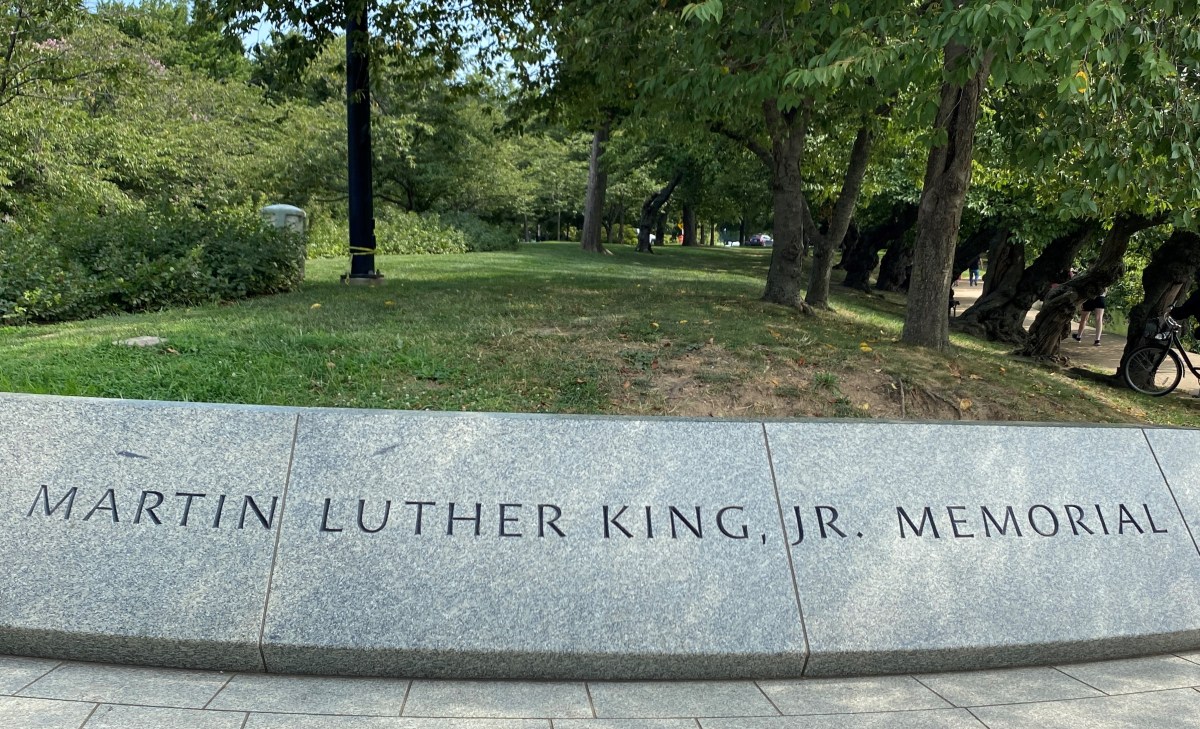
On the third Monday of January every year, the United States observes Martin Luther King, Jr. Day as an official federal holiday.
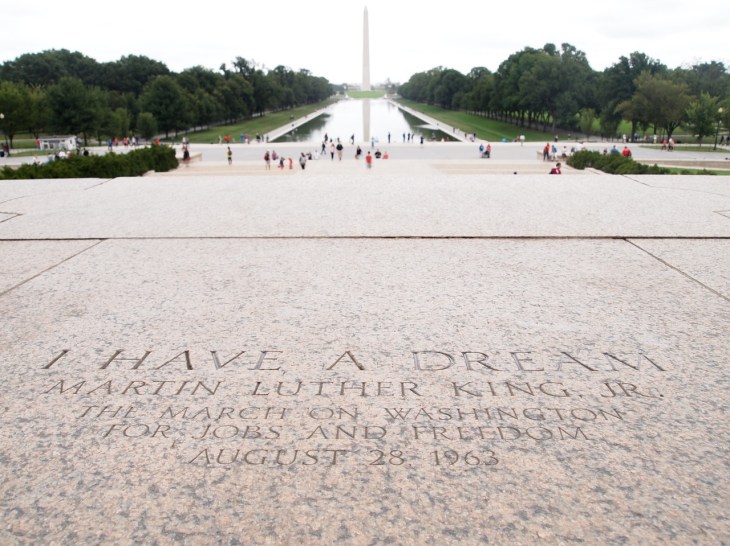
Listen to and read the full text of “I Have A Dream”.
The Reverend Dr. King led the Civil Rights Movement in the United States from the mid-1950s until his death by assassination in 1968. His famous speech, delivered at the Lincoln Memorial in Washington, D.C. is remembered, read, and recited by people all over the country on the anniversary of his birth each year.
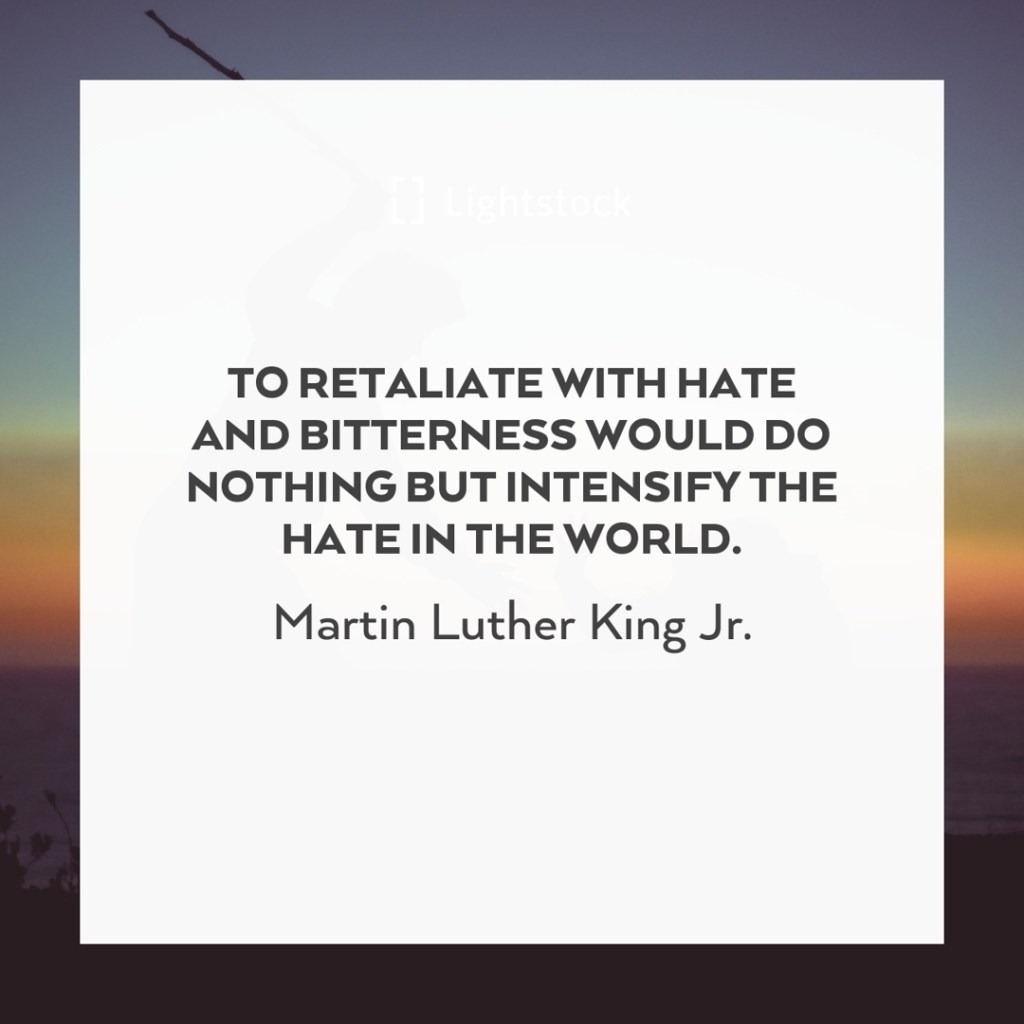
Books by and about Dr. King
The following book suggestions lead to affiliate links which may pay a commission to this blog at no extra cost to you.

 I am Martin Luther King, Jr. (Ordinary People Change the World)

 I Have a Dream: Writings and Speeches That Changed the World, Special 75th Anniversary Edition (Martin Luther King, Jr., born January 15, 1929)

 I Have a Dream: Writings and Speeches That Changed the World, Special 75th Anniversary Edition (Martin Luther King, Jr., born January 15, 1929)
Exploring the HEART of human rights
Thanks for reading, sharing, and following. Please sign up.
Dr. Aletha








 watercress words by Dr Aletha