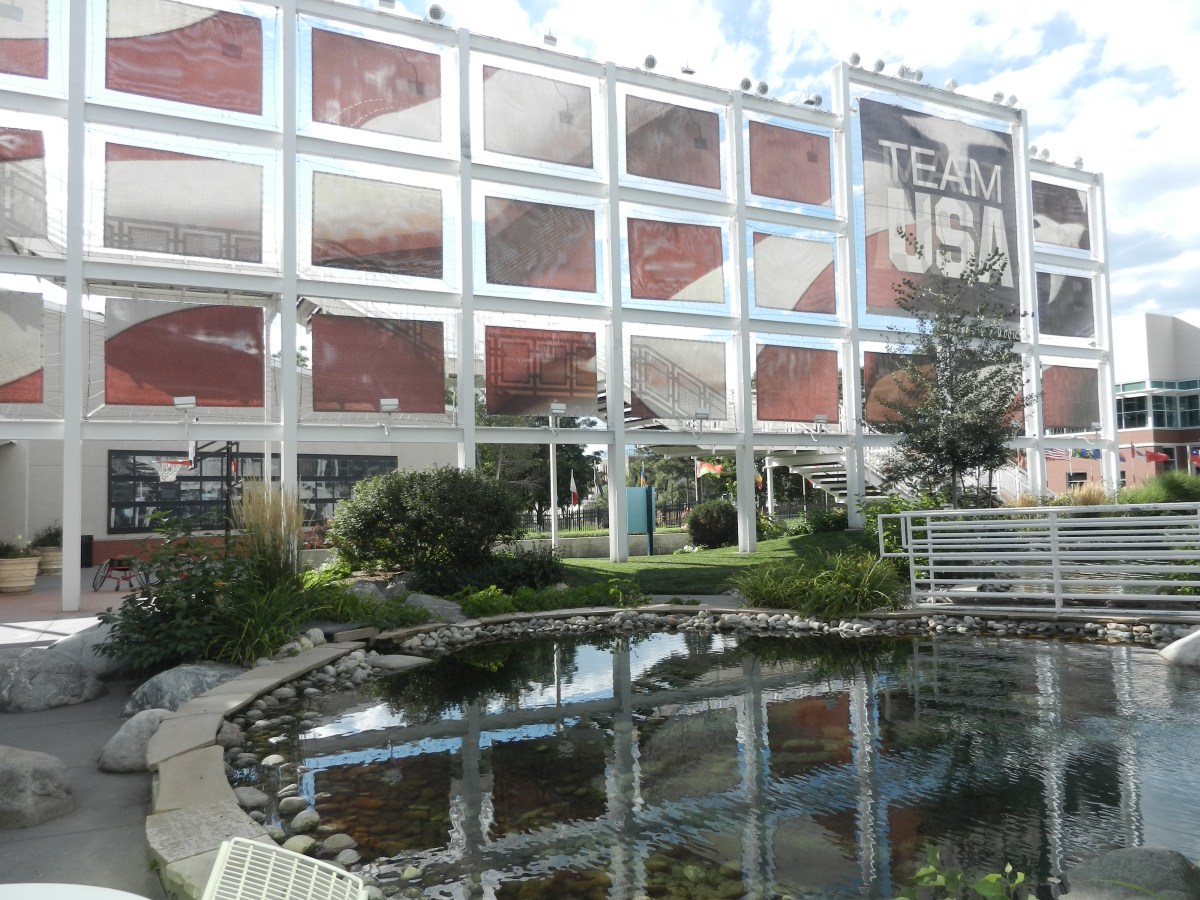
Did you know Team USA is not a government organization or agency? According to the United States Olympic Committee (USOC) website, Team USA is
“a federally chartered nonprofit corporation and does not receive federal financial support (other than for select Paralympic military programs). Unlike most other nations, the United States does not have a sports ministry.”
USOC
“The USOC has two primary responsibilities in its oversight of Olympic and Paralympic sport in the United States.
- to generate resources in support of its mission, which is to help American athletes achieve sustained competitive excellence.
- to ensure organizational resources are wisely and effectively used to that end.”
A visit to Team USA in Colorado Springs
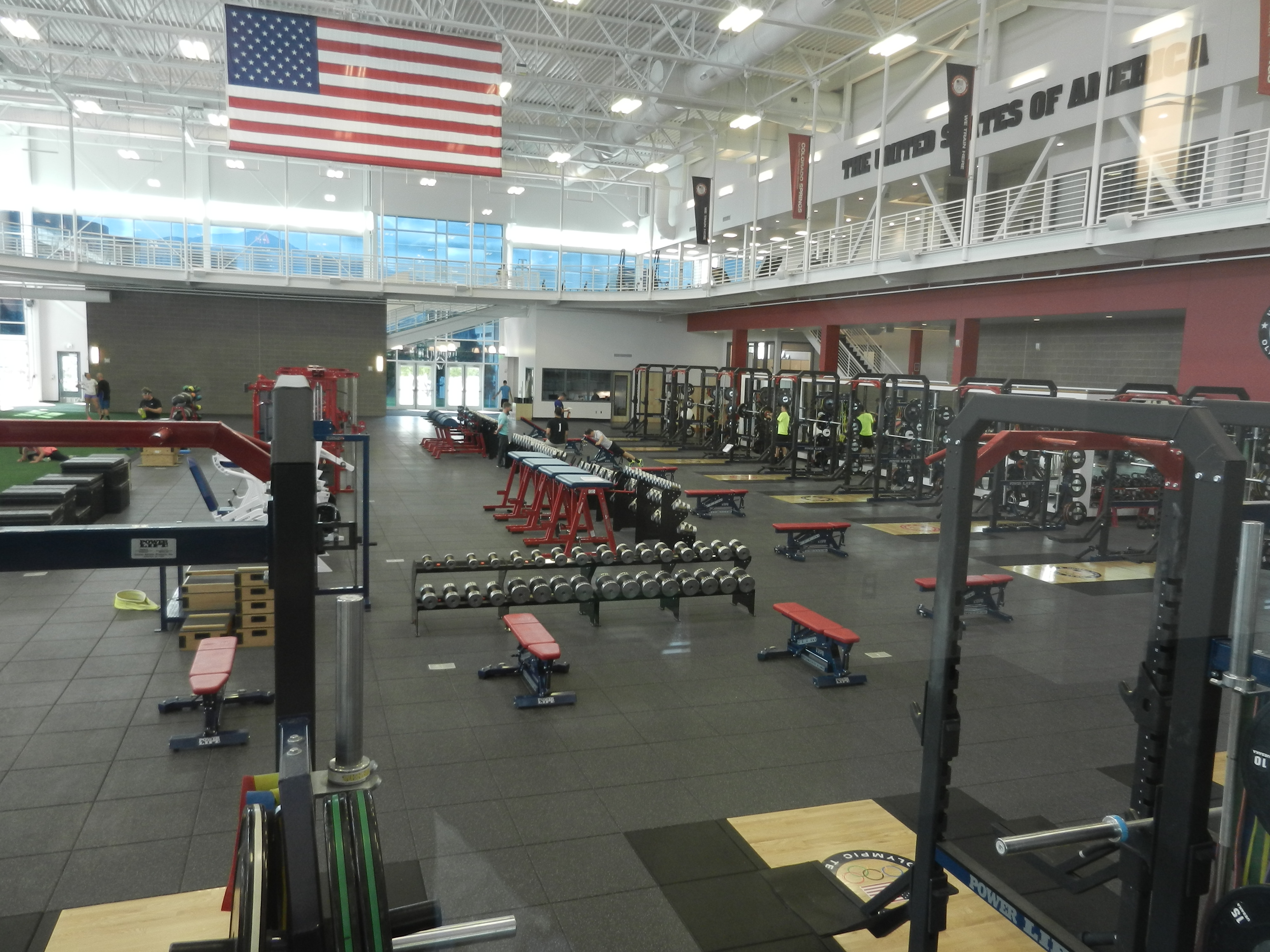
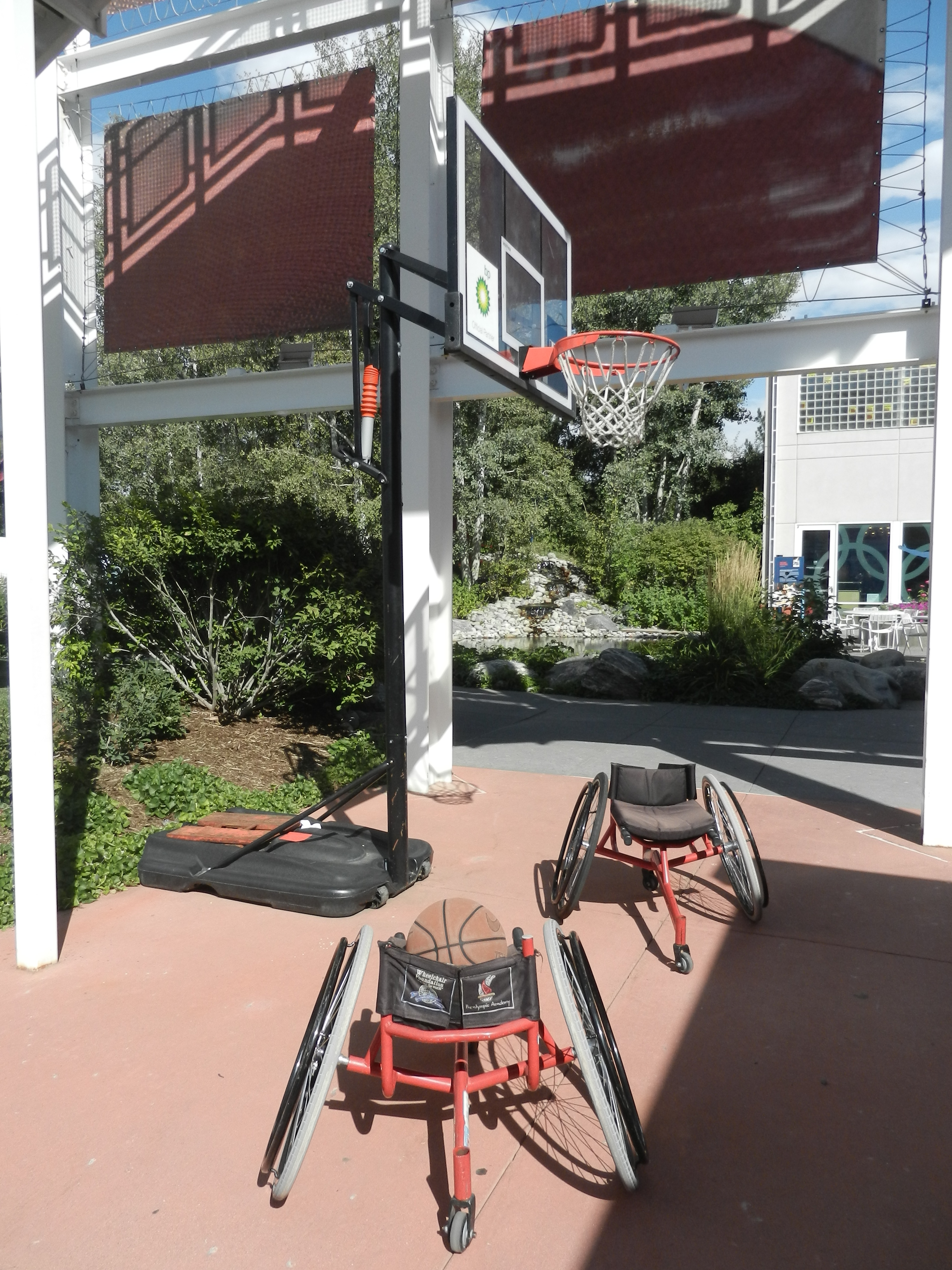
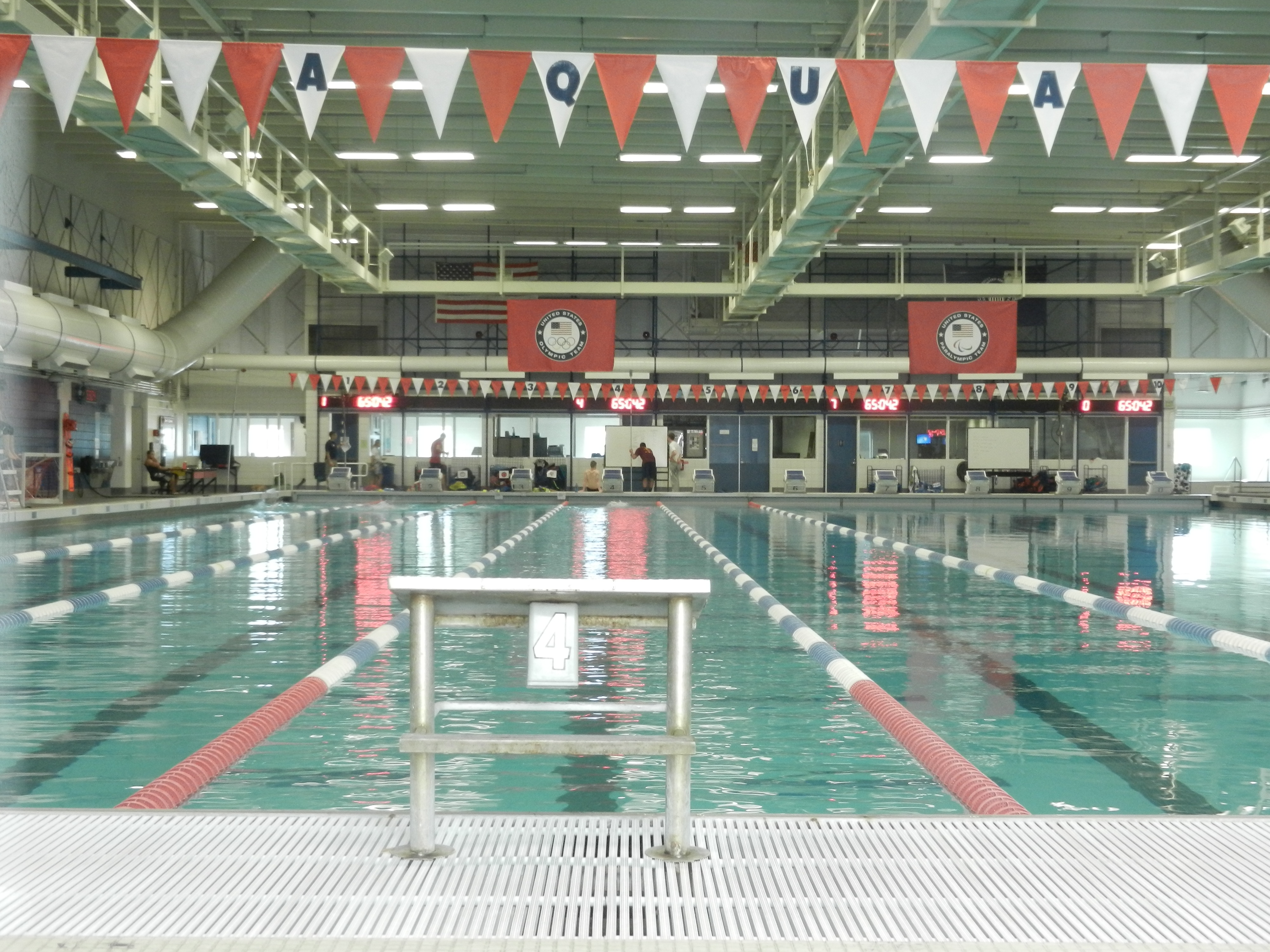
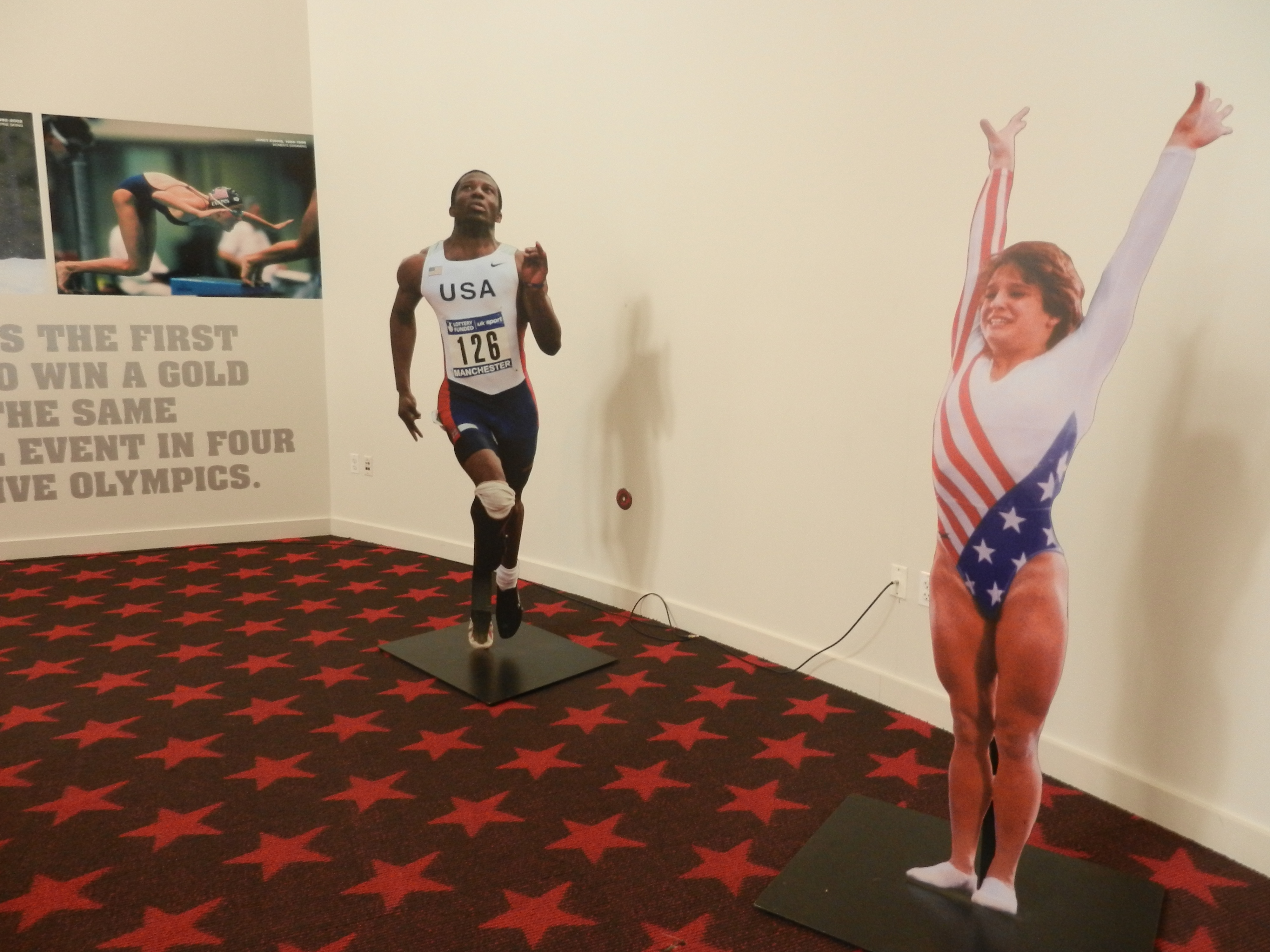
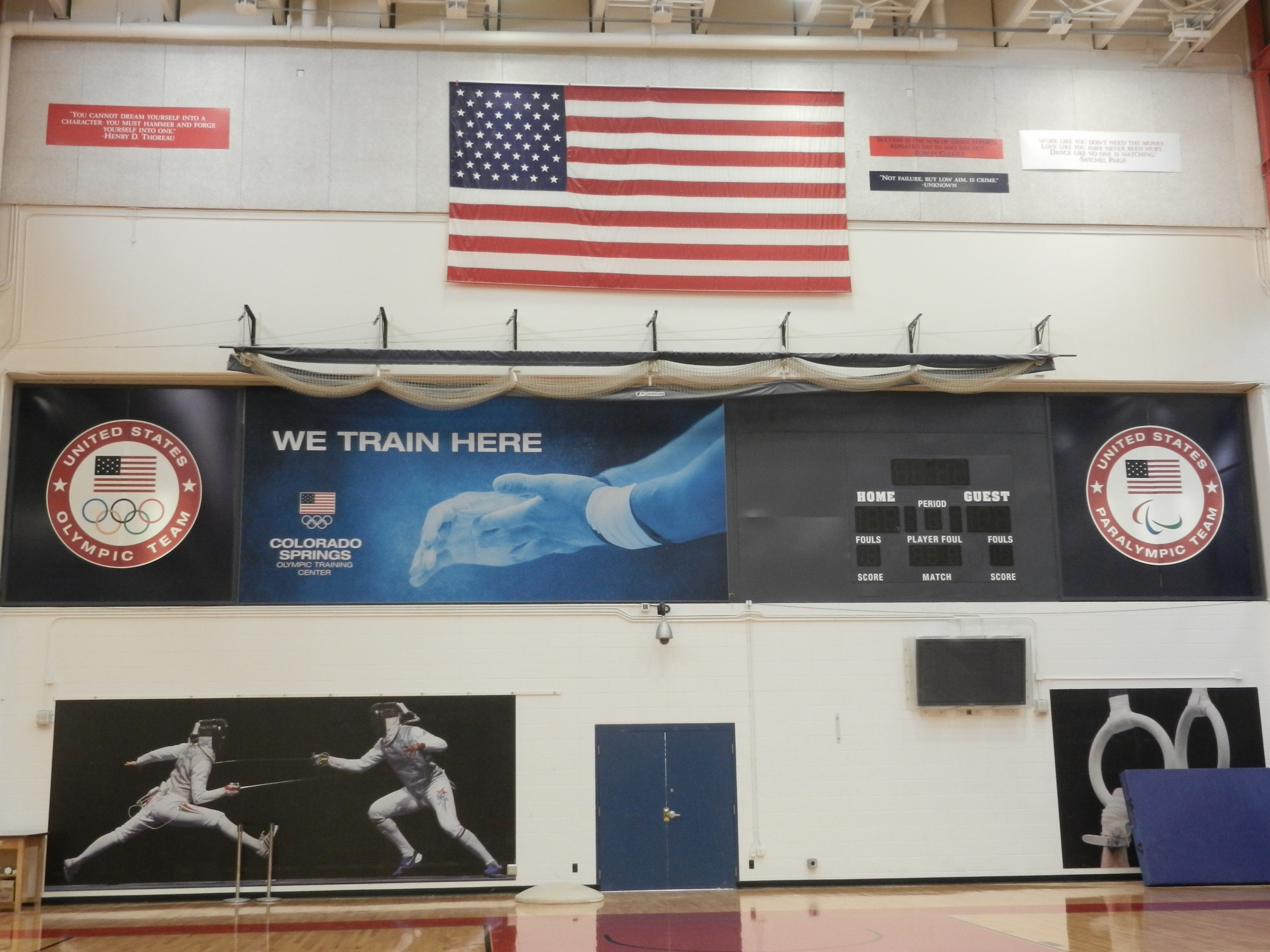
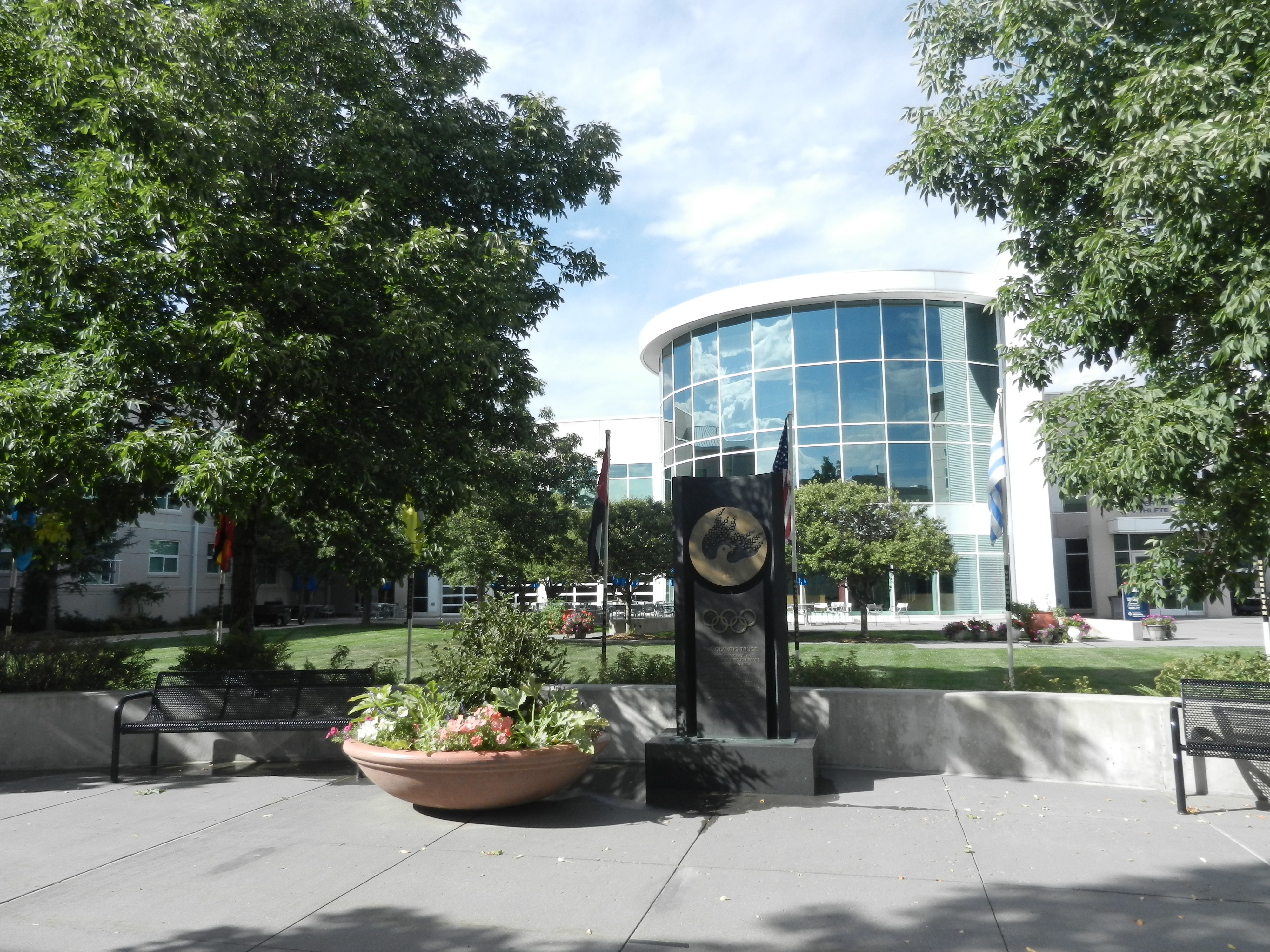
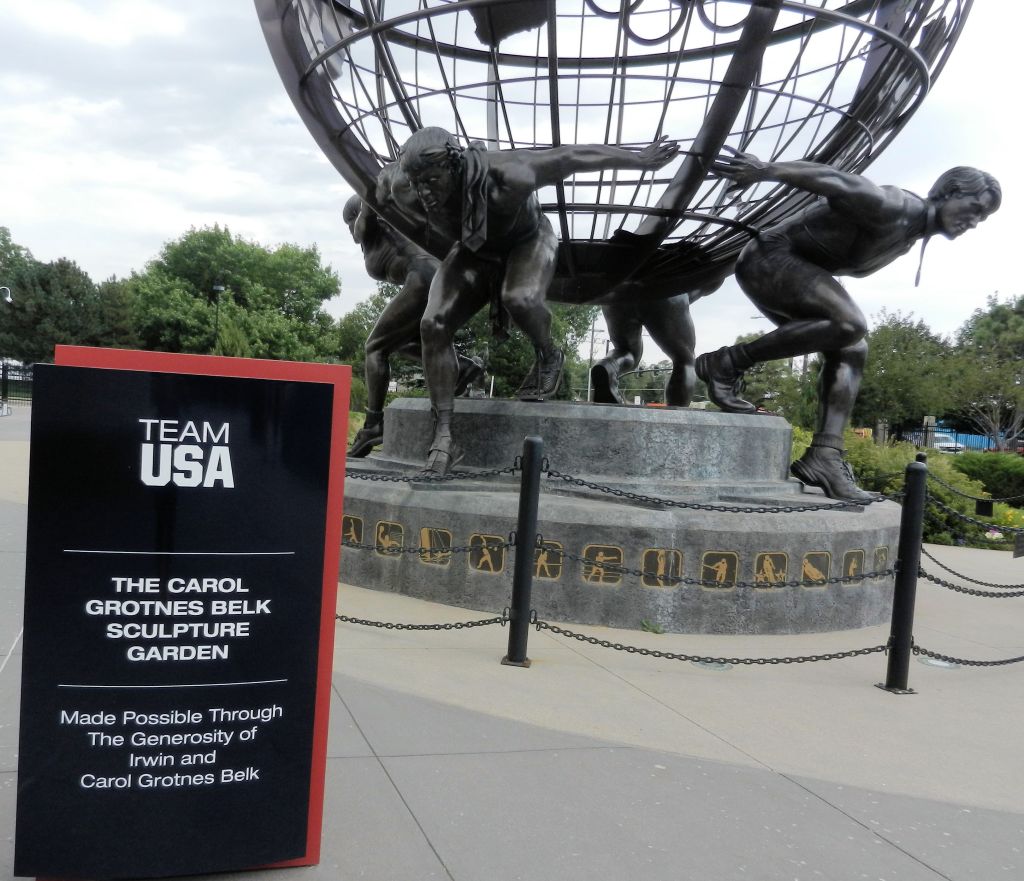
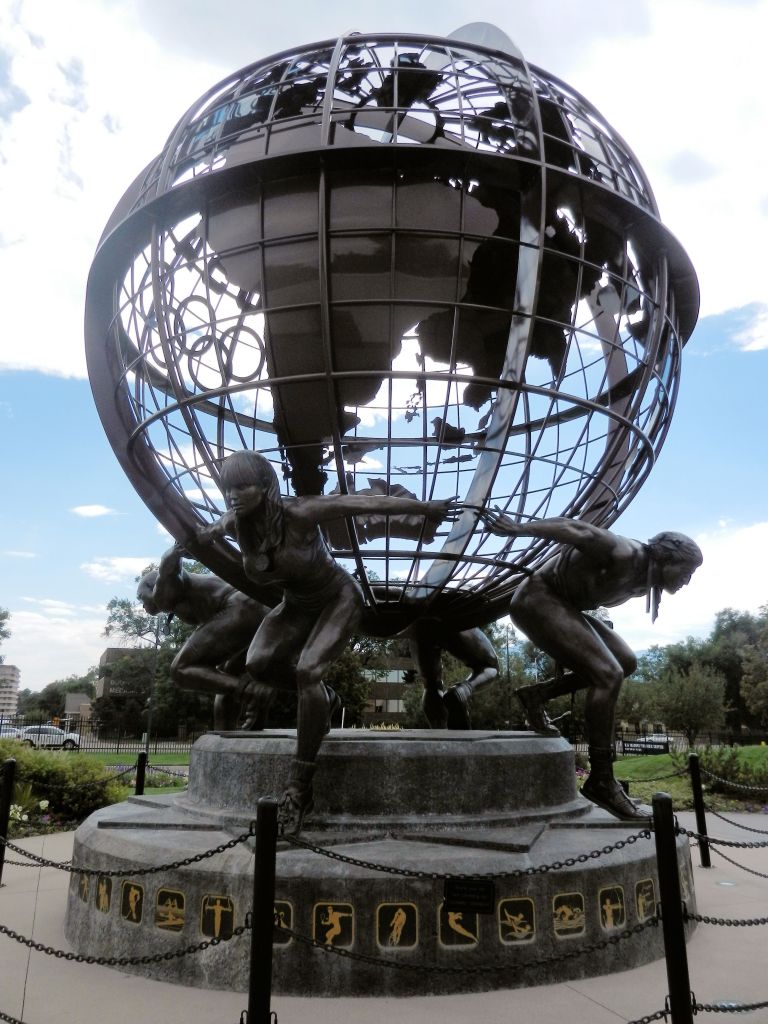
I toured the United States Olympic Training facility in Colorado Springs, Colorado. Both Olympic and Paralympic athletes train and live here. The facilities are state-of-the-art, modern, and open for visits and tours.
In this post I’m sharing my tour with you.

As much as I admire the elite athletes who comprise the Olympic team, the Paralympic athletes captivate my imagination.
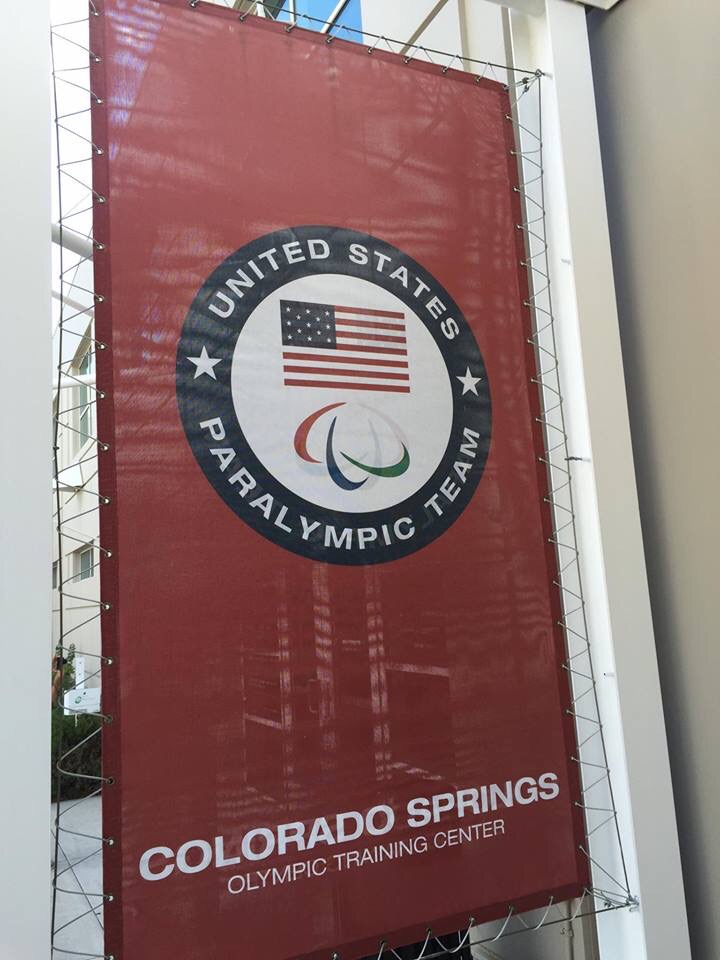
These athletes compete with, not despite, significant physical impairments. Many of them play and compete in physically demanding sports without full use of their arms and legs; some don’t even have all of their arms and legs.
Lessons for sports and life
As we walked around the complex on a guided tour, I was reminded of the importance of physical activity for our physical and mental health. Although there is conflicting advice on preventive health, all experts agree that physical activity is vital to achieving and maintaining optimal health and well-being.
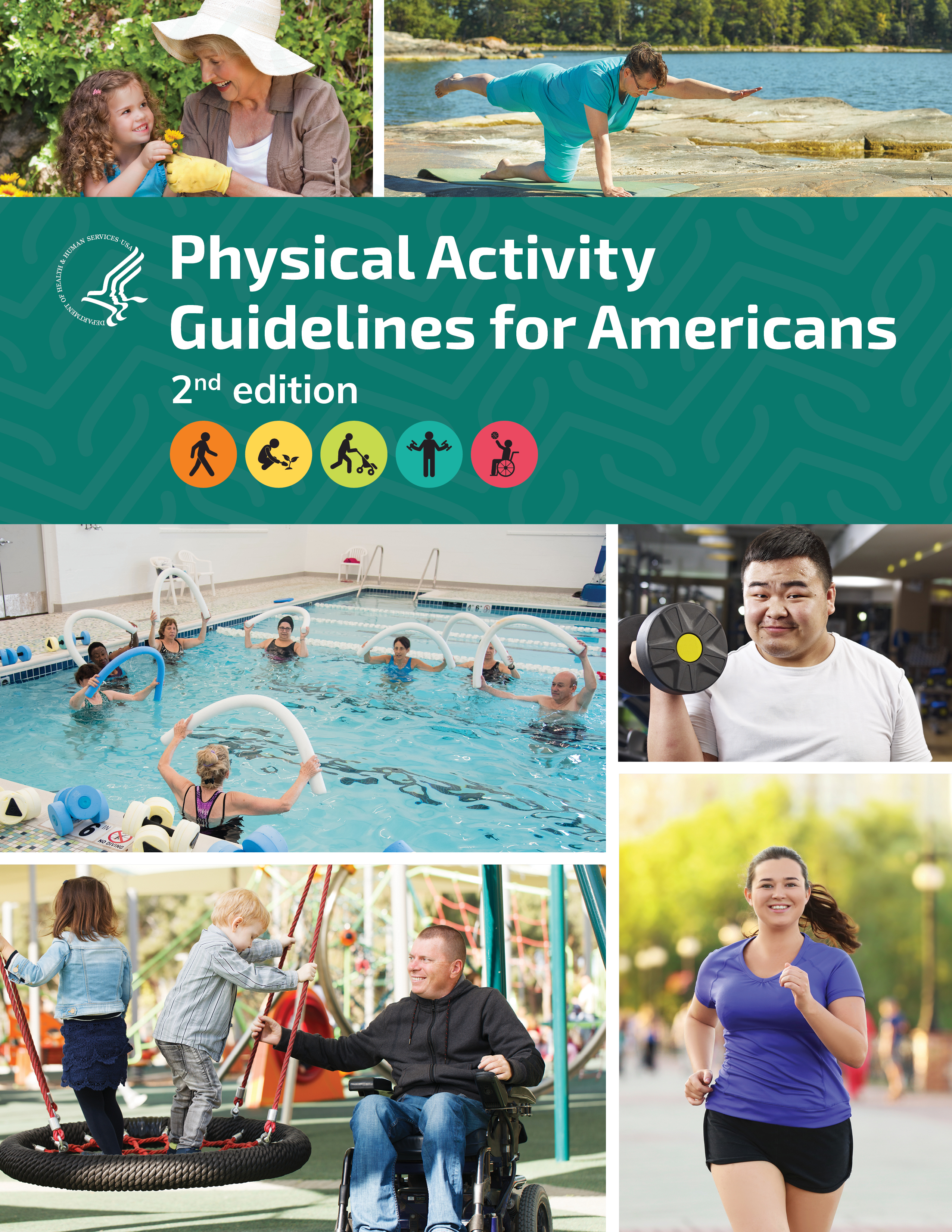
In the Top 10 Things to Know About the Second Edition of the Physical Activity Guidelines for Americans we learn
- Adults caring for children this age should encourage active play (light, moderate, or vigorous intensity) and aim for at least 3 hours per day.
- Each day, youth ages 6 through 17 need at least 60 minutes of moderate-to-vigorous activity to attain the most health benefits from physical activity.
- To attain the most health benefits from physical activity, adults need at least 150 to 300 minutes of moderate-intensity aerobic activity, like brisk walking or fast dancing, each week. Adults also need muscle-strengthening activity, like lifting weights or doing push-ups, at least 2 days each week.
- The first key guideline for adults is to move more and sit less.
- New evidence shows that physical activity has immediate health benefits
- We now know that any amount of physical activity has some health benefits. Americans can benefit from small amounts of moderate-to-vigorous physical activity throughout the day.
- Medical studies show that exercise can prevent or improve many chronic health conditions and lack of exercise contributes to many diseases.
- Physical activity may reduce the risk of cancers of the breast, colon, uterus, prostate and pancreas.
- Regular exercise may help prevent diabetes and heart disease.
- Exercise relieves joint and back pain due to arthritis.
- Depression is improved with physical activity .
Winning Attitudes
As we walked through the USA Shooting area I picked up a flyer titled “Winning Attitudes”, which I’m sharing with you along with my photos.
I hope they will encourage you to develop a “winning attitude” in all areas of your life.
lesson 1
Become excited, confident, and enthusiastic about your goals.

lesson 2
True confidence is based on the thoroughness of preparation.
lesson 3
Winners have the ability to look inside themselves and find that special dream.
lesson 4
Winners focus on solutions, not problems.
lesson 5
Winners have positive attitudes in all elements of their lives. The more you think about, talk about, and write about a thing happening, the greater the certainty of that thing happening.

lesson 6
Goals should identify minimum performance levels. They should never limit your performance.
lesson 7
Real winners are champions in life, not just in sports.
lesson 8
Missing a goal means setting another goal to strive for.
lesson 9
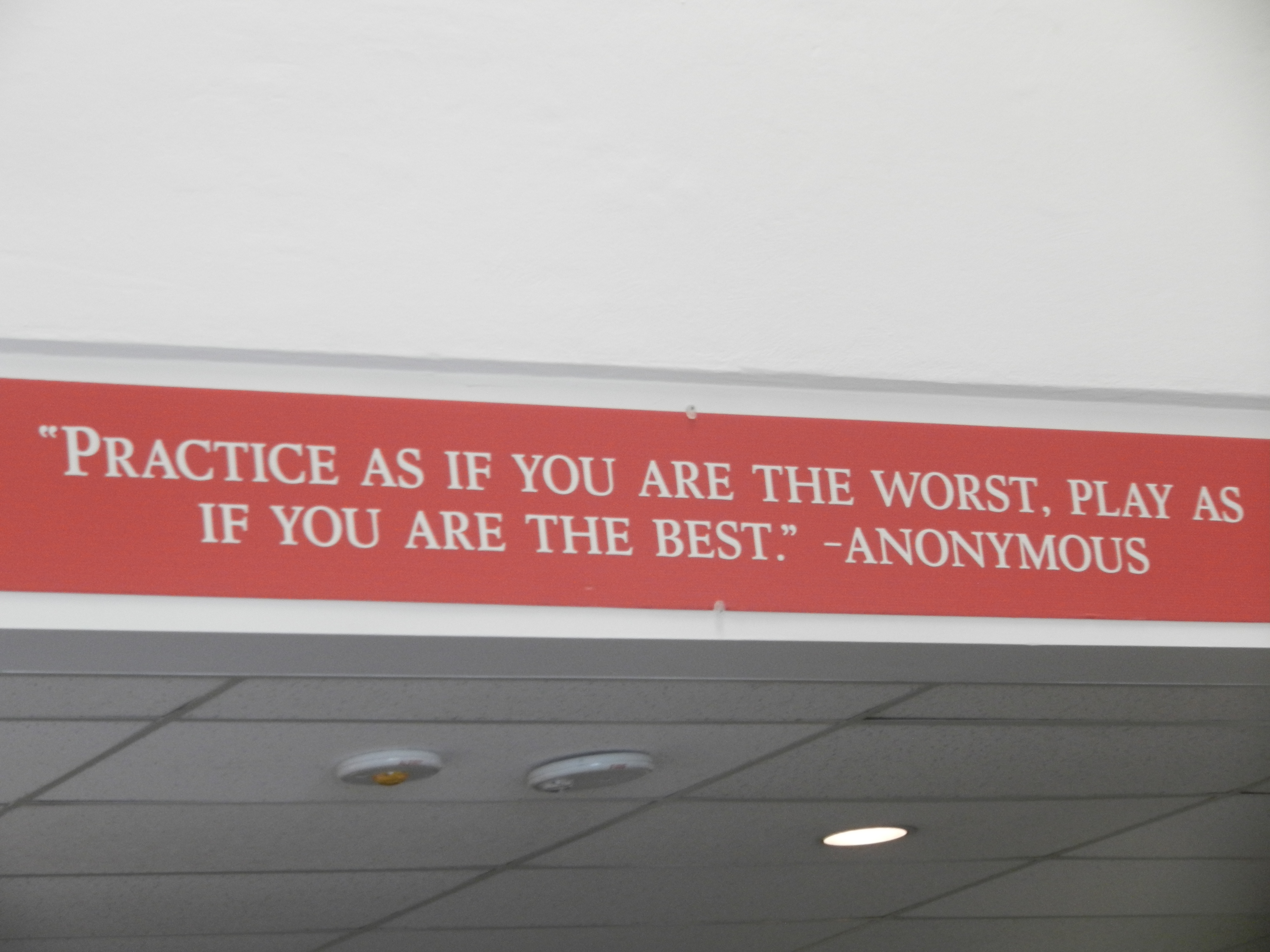
A champion constantly learns and improves.
lesson 10
Champions are willing to risk a little in the short run to gain an advantage in the long run.
lesson 11
Winners have the ability to look inside themselves and find that special dream.
lesson 12
Excellence is achieved only through constant pursuit.

lesson 13
A champion constantly learns and improves .
lesson 14
Real winners are champions in life, not just sports.

lesson 15
Don’t just achieve your goals; strive to exceed your goals.

Are YOU a CHAMPION?
Which of these “winning attitudes” do you live by?
Which might you adopt?
sharing the HEART of champions
I hope you enjoyed this tour through the Olympic Complex. If you go to Colorado Springs, be sure and visit.
Thank you for reading this post. Please follow this blog and me on social media.
I share information and inspiration to help you transform challenges into opportunities for learning and growth.
Add your name to the subscribe box to be notified of new posts by email. Click the link to read the post and browse other content. It’s that simple. No spam.
I enjoy seeing who is new to Watercress Words. When you subscribe, I will visit your blog or website. Thanks and see you next time.