Understanding GLP-1 Drugs for Weight Loss and Diabetes

Here I review th GLP-1 drugs, approved for managing type 2 diabetes and aiding weight loss, simulate the GLP-1 hormone, promoting fullness and blood sugar control. While they can be effective, they come with risks and side effects, and long-term success requires lifestyle changes, regular exercise, and mental health support, as emphasized by healthcare professionals.

This information is current as of the date of original publication or update but may have changed by the time you read this. Do not use this information for diagnosis or treatment purposes. Before making health decisions, discuss with a qualified healthcare professional.

When I was in medical practice, patients asked me for weight loss drugs. There were a few that varied in effectiveness, side effects, and risks. In general, none were effective in significant long-term weight loss.

I also had numerous patients with type 2 diabetes who needed medication to achieve optimal blood sugar levels, but did not want or need insulin. Again, there were several, but most patients needed at least two drugs to lower the glucose to the target level.

Then came the GLP-1 drugs.

GLP-1 medications (glucagon-like peptide-1 receptor agonists) are FDA-approved drugs used to manage type 2 diabetes and chronic weight loss. Popular brands include Wegovy, Ozempic, Mounjaro, and Zepbound, which are generally meant for adults with high BMI (body mass index) or weight-related conditions. 

(Body Mass Index (BMI) is a screening tool that calculates a person’s body fat percentage based on their height and weight. It is calculated by dividing weight in kilograms (kg) by height in meters squared.)

How GLP-1 Drugs Work

  • Appetite Regulation: They mimic the GLP-1 hormone, signaling to the brain that you are full, reducing hunger and calorie intake.
  • Blood Sugar Control: They stimulate insulin release after meals and prevent the liver from producing too much glucose.
  • Slower Digestion: They delay gastric emptying, keeping food in the stomach

However, they are not perfect and have risks.

  • Possible side effects -nausea, vomiting, diarrhea, constipation, and abdominal pain, which often improve over time.
  • Potential for thyroid C-cell tumors (based on animal studies), pancreatitis, kidney issues, and severe gallbladder issues.
  •  Rapid weight loss can cause “GLP-1 face” (loss of facial fat leading to a sagging/wrinkled appearance)
  • costs over $1000 per month, and insurance coverage varies
  • FDA has warned about risks associated with unapproved, compounded versions of these medications.

Taking a GLP-1? Doctors Say Not To Forget About Movement and Mental Health

Severe ankle pain drove Jelon Smart to start taking a weight-loss injection a year and a half ago.

Smart was 285 pounds and worked as a caterer in Savannah, Georgia. After she’d been standing on her feet for long hours, her ankles would be “as swollen as a football,” she said. She was walking with a limp.

An orthopedic doctor diagnosed her with Achilles tendinitis and recommended losing weight to mitigate the symptoms. Smart began taking the brand-name GLP-1 Ozempic.

The appetite suppression resulted in her shedding pounds quickly, at first.

“I lost 30 pounds initially without changing anything,” said Smart, 48. But then she found herself unable to shed additional pounds.

GLP-1 Drugs- Weight Loss Made Easy

GLP-1s have quickly become one of the most popular types of weight loss drug in America. Nearly 1 in 5 people have taken them at some point, according to research from KFF, a health information nonprofit that includes KFF Health News.

But doctors say it takes more than a regular shot for patients to achieve their weight goals in the long run.

Body mass index chart
A BMI OF 30 or more represents obesity. BMI Chart created by Vertex42.com. Used with permission.

Here’s what to know.

The Old-School Rules of Diet and Exercise

Regular exercise, smart food choices, plenty of sleep — those basic, healthy lifestyle choices are not only going to help you lose weight on a weight loss drug but also help you keep it off, said Dafina Allen, an  obesity medicine physician who runs a clinic in Saginaw, Michigan.

For example, some people find that they eat less on a GLP-1, “but they’re not improving their health because they’re not exercising. They’re not improving the quality of the food they’re eating,” Allen said.

The path to weight loss is also guided by hormones, metabolism, and genetics.

After her weight loss on Ozempic plateaued, Smart realized she needed to start moving her body, too.  “I’m in the gym now six days a week,” she said. “I went from 285 to 175” pounds. The swelling and pain in her ankle went away as well.

Photo by Julia Larson on Pexels.com

Mental Health Matters Too

The mind and body are deeply connected. Food and body image can be especially emotional, Allen said. “I can tell you about the patients that I helped lose 50 pounds, that I helped lose 100 pounds, and they still look in the mirror and are not happy.”

The key is seeking help for mental health along the way, said Gerald Onuoha, who practices internal medicine in Nashville, Tennessee. “Making sure that you’re talking to people about your problems, whether it’s a family member or a licensed professional, I think goes a long way,” he said.

Work With a Doctor To Closely Monitor Your Dosage

Onuoha said people can run into serious problems if they increase their GLP-1 dosage too quickly or don’t follow the recommended schedule. He’s seen patients come to the hospital with pancreatitis, gallstones, or acute kidney injury.

 “I always ask patients who are on GLP-1s: How long have they been on them?” he said. “Are they adhering to the directions? Because those things determine whether or not you’re going to have those complications.”

a female physician talking to a male patient
image from LIGHTSTOCK, affiliate

Part of the issue, Allen said, is that GLP-1s are relatively easy to access — and often much cheaper — through online pharmacies or websites, but those providers may not educate patients about their dosage or side effects.

“So they might just go online, find a random company that will ship it to their house, where they don’t even know what dose of the medication they’re taking, or even if the medicine is safe for them as the patient with the medical conditions they have,” she said.

People and Policy-Who Pays for GLP-1s?

GLP-1 drugs can be costly, and most insurance programs — public or private — don’t cover the medications for weight loss.

Medicaid, the government program that covers 69 million Americans, covers GLP-1s for medically accepted conditions like diabetes, but only about a dozen state Medicaid programs cover GLP-1s for obesity treatment, according to KFF.

For older Americans with Medicare, the federal government is planning to allow temporary coverage of GLP-1s for weight loss starting in July.

Katherine Ruppelt at Nashville Public Radio contributed to this report.

HealthQ is a health series from reporters Cara Anthony and Blake Farmer, approachable guides to an unapproachable health care system. It’s a collaboration between Nashville Public Radio and KFF Health News.KFF Health News is a national newsroom that produces in-depth journalism about health issues and is one of the core operating programs at KFF—an independent source of health policy research, polling, and journalism. Learn more about KFF.

Subscribe to KFF Health News’ free Morning Briefing.

This article first appeared on KFF Health News and is republished here under a Creative Commons Attribution-NoDerivatives 4.0 International License.

Images in this Post

The photos in this post are for illustration only and were not in the original article.

Exploring the HEART of Health

I’d love for you to follow this blog and follow me on social media.

I share information and inspiration to help you transform challenges into opportunities for learning and growth.

Add your name to the subscribe box to be notified of new posts by email. Click the link to read the post and browse other content. It’s that simple. No spam.

I enjoy seeing who is new to Watercress Words. When you subscribe, I will visit your blog or website. Thanks and see you next time.

Use this search box for related posts on this blog or other topics of interest to you.

Dr. Aletha

Are advanced weight management options right for you?

So who should consider advanced weight loss options? Anyone whose weight is excessive enough to be a health problem.

What should you do if you have tried everything to lose weight and still have excess pounds (or kilograms) that you need or want to lose?

updated September 26, 2022

Consult your physician

If you haven’t already, talk to your doctor. Your doctor can evaluate your weight in the context of your total health. Perhaps you have medical conditions or medications that promote weight gain or make weight loss more difficult. You may need to address those before any weight loss plan will be successful.

Beyond that, you and your doctor might then consider weight loss medications. In general, they can be helpful in the short run which may get you started with sustained weight loss, but in general none of them have proven as successful and doctors and patients would like. This post describes what’s available now.

How to lose weight when nothing else has worked.

In helping people lose weight, there is a significant gap that needs to be closed. When diet/exercise fails, we need something less invasive  before resorting to surgery with its significant risks and complications. One option is prescription medication.

This information is current as of the date of original publication or update but may have changed by the time you read this. Do not use this information for diagnosis or treatment purposes. Before making health decisions, discuss with a qualified healthcare professional.

Options beyond lifestyle alone

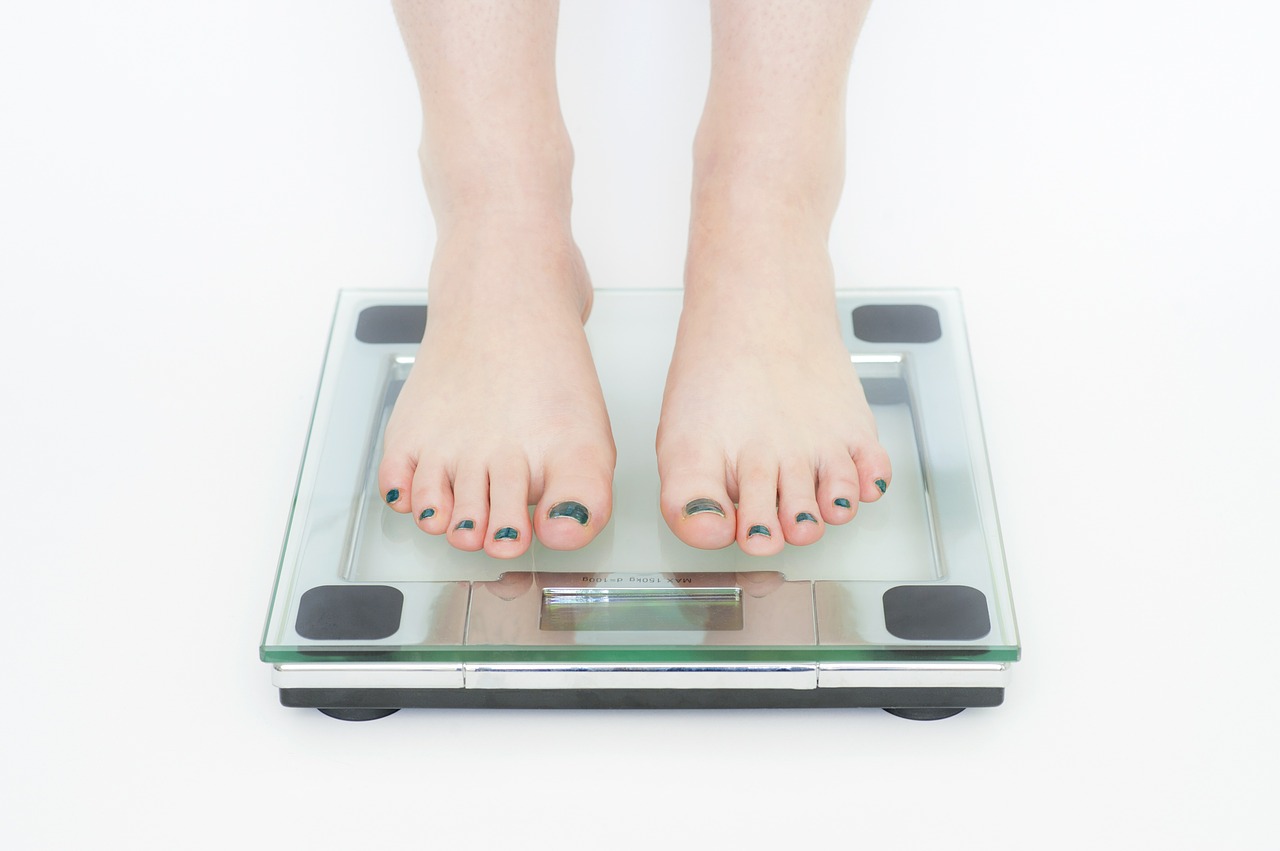
someone standing on a scale
New weight loss options are good news.

So who should consider advanced weight loss options? Anyone whose weight is excessive enough to be a health problem. In general this is considered to be those with

  • a BMI, body mass index, of 40 or greater.
  • a BMI of 30- 35 and certain medical conditions especially type 2 diabetes, heart disease, and sleep apnea

Calculate your BMI here.

According to the American Society for Metabolic and Bariatric Surgery, 250,000 metabolic surgeries were perfomed in the United States in 2019. The term metabolic surgery is now preferred because of the metabolic effects of surgical procedures beyond weight loss.

Metabolic benefits of weight loss

Although these can be true even for people with lower BMI , when those with BMI 30+ lose weight, they can experience

  • improved blood glucose control in diabetes
  • lower cholesterol
  • lower blood pressure
  • less severe or even resolved sleep apnea
  • improved bladder (urinary)control
  • relief from back and joint pain
  • lower risk of many types of cancer
  • less gastroesophageal reflux-heartburn
  • and possibly lower risk of severe disease from SARS-CoV-2 virus (COVID-19)

Weight-loss Devices

The FDA regulates four devices intended for weight loss in certain adult patients age 18 and older.

Gastric Band –

bands are placed around the top portion of the stomach leaving only a small portion available for food.

Lap-Band Adjustable Gastric Banding System

Electrical Stimulation Systems –

electrical stimulator is placed in the abdomen to block nerve activity between the brain and stomach.

The Maestro Rechargeable System is implanted under the skin; an intermittent pulse generator delivers an electrical signal to the vagus nerve in the abdomen. The vagus nerve controls stomach action; when slowed down, one feels full sooner and theoretically will eat less. However, the company has not marketed it since 2018.

Gastric Balloon Systems

(This section updated 12/06/2020 with data from JAMA, 12/01/2020)

These inflatable balloons are placed in the stomach to take up space and delay gastric emptying. Estimates place these at 2% of all bariatric procedures. These systems are FDA approved for those with a BMI of 30-40 who have not lost weight with diet and exercise and who participate in a multidisciplinary weight loss program.

The ReShape Integrated Dual Balloon System was approved by the U.S. Food and Drug Administration in July 2015. Apollo Endosurgery purchased it in 2018 and replaced it with their existing product the Orbera Gastric Balloon, which is fluid-filled. Another system, Obalon,air-filled, is also approved.

The company claims patients with Orbera experience three times more weight loss than diet & exercise alone and are provided with the right tools and resources to successfully learn to keep it off.

The devices are placed into the stomach by going through the mouth and down through the esophagus with a tube called an endoscope. It takes about 30 minutes and requires mild sedation, not general anesthesia.

Once in the stomach the “balloons” are inflated; by taking up space in the stomach it can trigger a feeling of fullness.They are both temporary and must be removed within 6 months.

Mild to moderate adverse events are frequent; these can be nausea, vomiting, and pain.

In a Clinical Update, JAMA authors wrote that given the uncertainty of the long term safety, these devices should be used with caution, and not used when bariatric surgery is feasible.

The Allurion intragastric balloon (not yet approved by the FDA) does not require surgery and is highly effective in causing weight loss, according to a report in Family Practice News, February 2022.

Unlike other balloons, The Allurion gastric balloon is compressed into a small capsule connected to a thin catheter tube, then is swallowed; then it is inflated with 550 ml ( 18 ounces) of liquid to create a feeling of fulness and control hunger. After 4 months the balloon empties through a valve thatn opens spontaneously, the the balloon passes out in the stool.

As with any type of balloon device, “placement should only be attempted by clinicians with expertise in bariatric endoscopy.”

Gastric Emptying Systems

a tube is inserted between the stomach and outside of abdomen to drain food after eating

This device is called AspireAssist. This is a tube inserted into the stomach, from which a portion of the stomach contents can be “aspirated” (sucked out) after eating. The company claims patients lost 3 times more weight than those who received only diet and exercise counseling. The most successful patients lost over 100 pounds in the first year.

People lose weight with these devices largely due to the intensive counseling and support they received along with use of the device.

I encourage you to follow the links to learn more about each device.


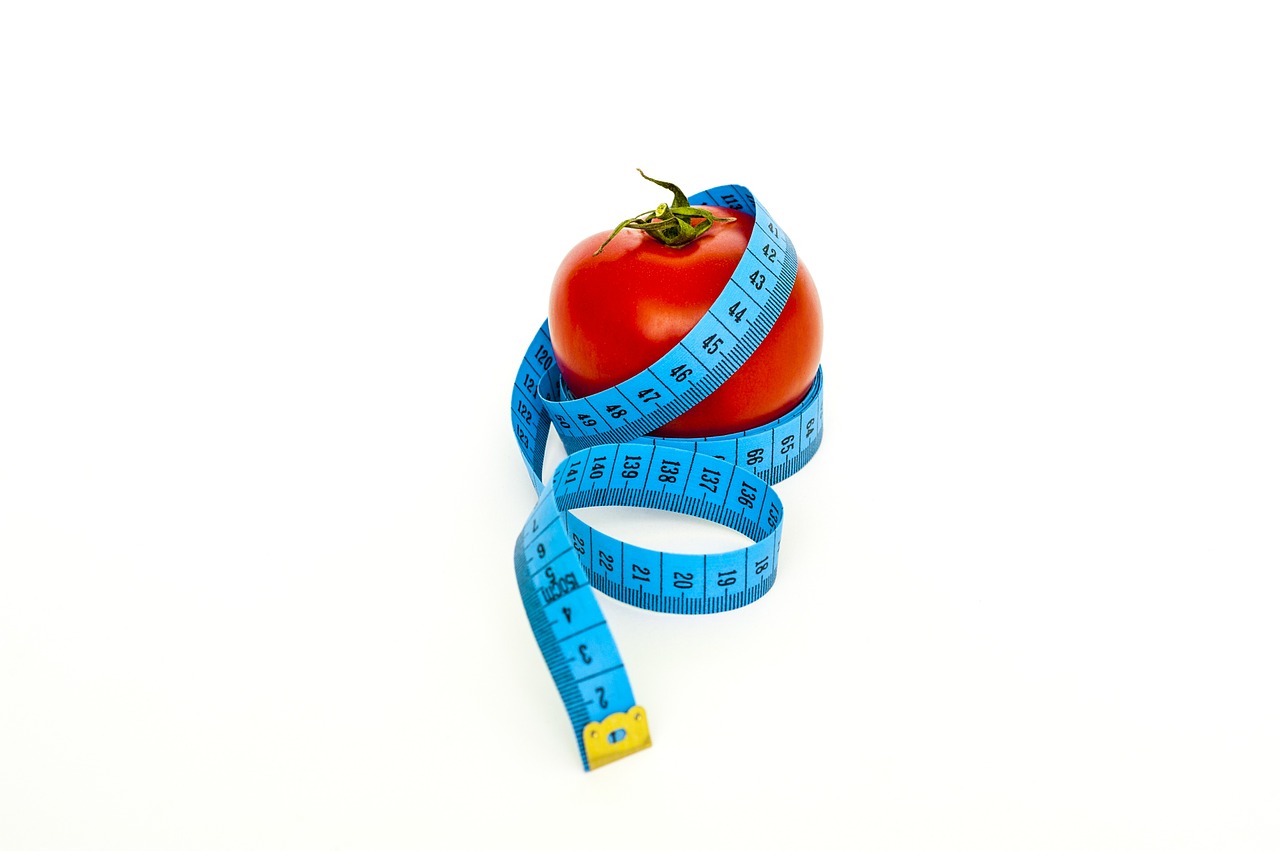
tape-403591_1280
Obesity is defined using BMI, body mass index, but waist circumference is also important and may be more accurate.

Bariatric surgery

Two procedures comprise the majority of operations done to help people lose significant amounts of weight.

Sleeve Gastrectomy

In this procedure, a surgeon trained in bariatric procedures removes a large portion of the stomach, creating a long narrow tube.

The new, smaller stomach is about the size of a banana. It limits the amount of food you can eat by making you feel full after eating small amounts of food.

Gastric bypass

There are 2 steps during gastric bypass surgery:

In the first step the surgeon uses staples to divide the stomach into a small upper section and a larger bottom section. The top section, about the size of a walnut (called the pouch)will receive the food one eats. It holds only about 1 ounce (oz) or 28 grams (g) of food, causing one to eat much less.

The second step is the bypass. The surgeon connects a small part of the small intestine (the jejunum) to a small hole in your pouch. The food will now travel from the pouch into this new opening and into the small intestine. As a result, the body will absorb fewer calories.

Thus weight loss occurs from eating less and absorbing less food.

A success story

After gaining weight with her pregnancies, one woman , J.T. ,successfully lost weight with gastric bypass surgery.

I gained over 100 lb after my pregnancies. When my family doctor diagnosed me as borderline diabetic with high cholesterol, I panicked. Discouraged after failing numerous diets, I felt hopeful when I read about gastric bypass.

Learn about the lifestyle changes she made at this article from American Family Physician journal


Obesity and BMI defined
How we should view excess weight 
How effective are weight management programs? 
A success story; how a doctor helped her patient lose weight
When diet alone doesn’t work
and, one of my all time most read posts

How my friend lost weight and inspired others with her example

exploring the HEART of achieving a healthy weight

Dr. Aletha